
The landscape of modern television is defined by distinct brand identities. When a viewer asks “what to watch on AMC,” they are not merely looking for a time-filler; they are engaging with a brand that has spent two decades meticulously crafting an identity centered on “Prestige TV.” AMC, originally an acronym for American Movie Classics, underwent one of the most successful brand pivots in media history, transitioning from a repository for vintage films to a powerhouse of original, high-stakes storytelling.
Understanding the AMC brand requires looking past the individual shows and examining the strategic curation that governs their catalog. In a marketplace dominated by the “everything for everyone” approach of platforms like Netflix, AMC has doubled down on a “quality over quantity” brand promise. This strategy has allowed the network to maintain a disproportionately large cultural footprint, proving that a focused brand identity is more resilient than a broad, undefined one.
The Pivot from Curation to Creation: AMC’s Brand Evolution
The story of the AMC brand is a case study in corporate evolution. For the first twenty years of its existence, AMC functioned as a secondary player in the cable ecosystem. Its brand identity was static and safe, catering to a nostalgic audience. However, the rise of digital media and the shifting economics of cable in the early 2000s necessitated a radical rebrand.
From “American Movie Classics” to a New Prestige Identity
The decision to drop the full name and move exclusively to the “AMC” moniker was the first step in a broader brand strategy. By shedding the “Classic” label, the company freed itself from the constraints of the past. The goal was to transform from a passive curator of other people’s intellectual property into an active creator of its own. This shift was not just about content; it was about changing the consumer’s emotional connection to the brand. AMC wanted to be seen as a curator of the “new classics.”
The “Something More” Philosophy
AMC’s marketing tagline, “Something More,” became the guiding principle for its brand strategy. It suggested that their content offered a depth and complexity that was missing from broadcast television. This was a direct appeal to the “sophisticated viewer,” a demographic that values nuance, high production value, and moral ambiguity. By positioning itself as a home for “elevated” entertainment, AMC carved out a niche that allowed it to compete with premium networks like HBO, despite being a basic cable entity.
The Pillars of the AMC Brand: Case Studies in Narrative Excellence
When evaluating what to watch on AMC, the selection is anchored by three major pillars that defined the brand’s golden era and continue to influence its current strategy. These shows—Mad Men, Breaking Bad, and The Walking Dead—each served a specific purpose in building the network’s corporate identity.
Mad Men: The Aesthetic of Sophistication
Mad Men was the foundation of the modern AMC brand. It established the network as a destination for high-end, visually stunning period dramas. From a brand perspective, Mad Men attracted a highly desirable demographic: affluent, educated, and urban. It proved that AMC could produce content that was not only critically acclaimed but also culturally influential, setting trends in fashion, design, and advertising.
Breaking Bad: The Grit of Character Transformation
While Mad Men provided the sophistication, Breaking Bad provided the edge. It solidified AMC’s reputation for supporting “difficult” protagonists and slow-burn narratives. This show became the gold standard for “water cooler” television, demonstrating that the AMC brand was willing to take risks on stories that other networks found too dark or unconventional. The success of Breaking Bad created a halo effect, where viewers began to trust the AMC brand implicitly; if a show was on AMC, the audience assumed it would be of a certain caliber.
The Walking Dead: The Power of Franchise Building
If the first two pillars were about critical prestige, The Walking Dead was about massive brand scale. It transformed AMC from a boutique prestige network into a global powerhouse. From a marketing and business strategy standpoint, The Walking Dead provided the network with a reliable, long-term asset that could be spun off into multiple franchises. It proved that a niche cable brand could achieve broadcast-level ratings through aggressive community building and genre-bending storytelling.

Strategic Content Curation: Navigating the Streaming Era
In the current media environment, the challenge for any brand is maintaining relevance amidst the “streaming wars.” AMC has responded by refining its curation strategy, focusing on specific “universes” and high-concept limited series that reinforce its prestige status.
The “Immortal Universe” and Brand Expansion
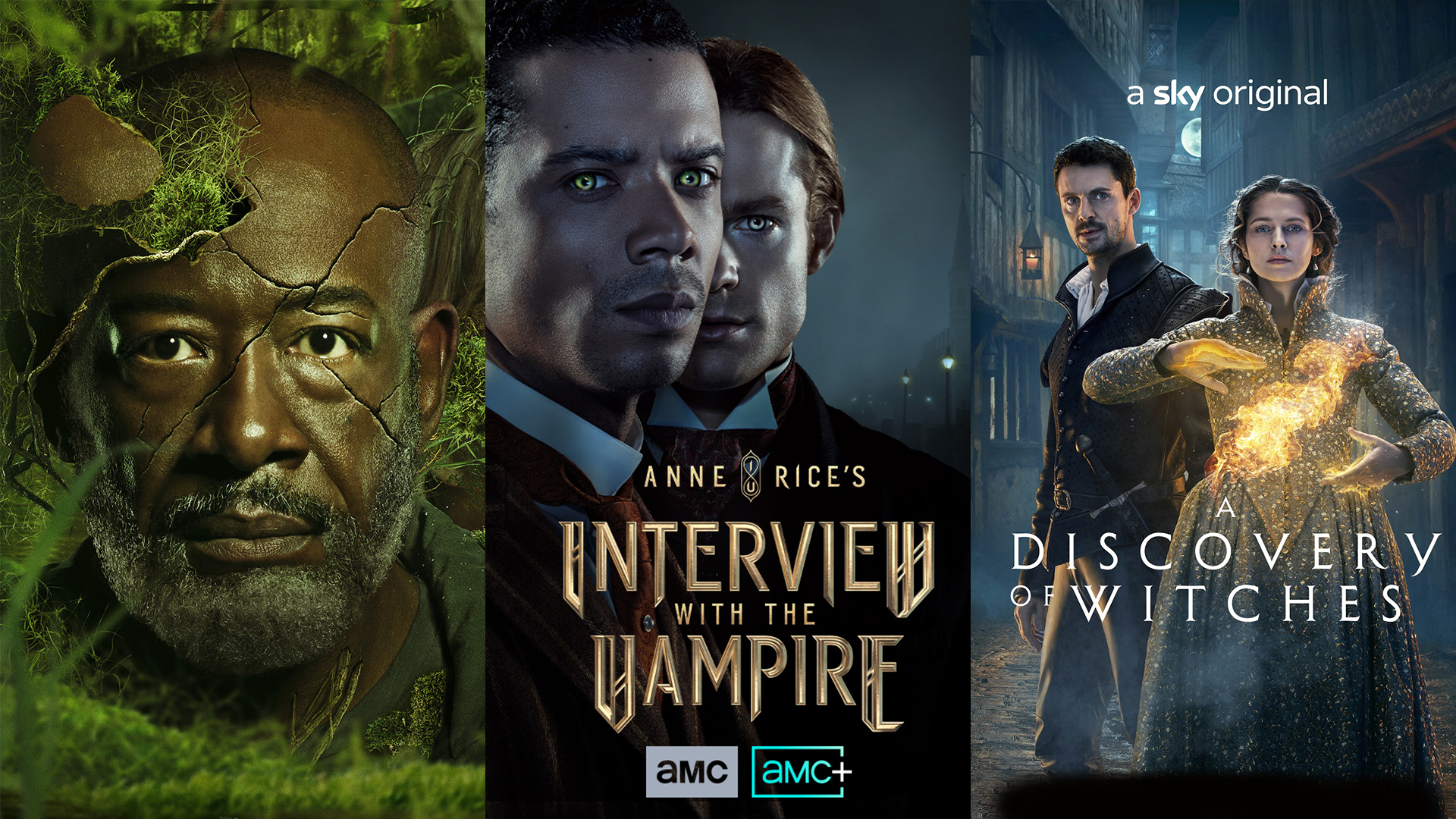
A key component of AMC’s current brand strategy is the acquisition and adaptation of the Anne Rice catalog, known as the “Immortal Universe.” By securing the rights to Interview with the Vampire and Mayfair Witches, AMC has signaled its intent to own the “literary horror” space. This is a strategic move to capture the audience that enjoys high-production-value genre content, bridging the gap between the character-driven drama of Mad Men and the genre thrills of The Walking Dead.
Niche Authority vs. Mass Appeal
Unlike its larger competitors, AMC does not attempt to serve every possible interest group. Instead, it focuses on “niche authority.” This involves identifying specific genres—such as neo-westerns (Dark Winds), high-concept sci-fi (Orphan Black: Echoes), and psychological thrillers—and becoming the premier provider for those audiences. This strategy ensures brand loyalty; by consistently delivering high-quality content within specific verticals, AMC creates a “must-watch” ecosystem for dedicated fans.
AMC+: Digital Brand Integration and Direct-to-Consumer Strategy
The transition to AMC+ represents a critical phase in the brand’s digital transformation. The streaming platform is not just an archive; it is a strategic tool designed to increase brand touchpoints and gather consumer data.
Enhancing the Value Proposition
AMC+ is marketed as a “premium bundle” that includes content from IFC Films, Sundance Now, and Shudder. This is a brilliant brand alignment move. By bundling these sub-brands, AMC positions itself as the umbrella for “independent, edgy, and curated” entertainment. This reinforces the core brand identity—AMC is for the viewer who is bored with the mainstream and wants something more curated.
Exclusive Windows and Brand Loyalty
The use of “early access” for AMC+ subscribers is a classic marketing tactic designed to convert casual cable viewers into dedicated digital subscribers. By offering new episodes of flagship shows early, the brand creates an “insider” culture. This not only drives revenue but also fosters a deeper psychological connection between the viewer and the platform, as the brand becomes synonymous with the privilege of being first.
Lessons in Brand Resilience: Why AMC Still Matters
The enduring success of the AMC brand offers several lessons for any corporate or personal brand looking to navigate a shifting market. AMC’s journey from a movie repository to a prestige content creator demonstrates the power of a clear vision and the courage to pivot.
Consistency Over Time
AMC has never wavered from its commitment to a specific tone and quality level. Even when a particular show doesn’t become a massive hit, it usually maintains the “AMC aesthetic.” This consistency builds brand equity; it tells the audience what they can expect every time they see the AMC logo. In a world of infinite choice, a reliable brand promise is a significant competitive advantage.
Managing Intellectual Property as a Brand Asset
AMC’s ability to sustain the Walking Dead and Breaking Bad (through Better Call Saul) universes for over a decade is a testament to their brand management. They have avoided the common trap of over-saturation by ensuring that spin-offs maintain the same narrative integrity as the originals. This protects the “parent brand” while allowing for revenue growth through expansion.
The Power of Curation in an Age of Excess
Ultimately, “what to watch on AMC” is a question that is answered by the brand’s editorial voice. As the volume of content continues to explode, the value of a trusted curator increases. AMC’s brand strategy is built on the idea that viewers are willing to pay for a filtered experience. By saying “no” to mediocre content, AMC says “yes” to its most loyal fans, ensuring that the brand remains a hallmark of quality in the television landscape for years to come.
aViewFromTheCave is a participant in the Amazon Services LLC Associates Program, an affiliate advertising program designed to provide a means for sites to earn advertising fees by advertising and linking to Amazon.com. Amazon, the Amazon logo, AmazonSupply, and the AmazonSupply logo are trademarks of Amazon.com, Inc. or its affiliates. As an Amazon Associate we earn affiliate commissions from qualifying purchases.