
In today’s fast-paced world, the allure of freshly baked bread – that comforting aroma filling your kitchen, the satisfying crunch of a perfect crust, and the tender chew of a warm interior – is undeniable. Yet, for many, the reality of achieving this culinary dream is hampered by time constraints, complex recipes, or the sheer intimidation of traditional baking. Enter the bread maker machine, a countertop marvel that promises to democratize the art of bread making, transforming it into an effortless and enjoyable experience. This article delves into what exactly a bread maker machine is, exploring its technological underpinnings, its place within the broader landscape of kitchen gadgets, and how it can even be a smart investment for both your lifestyle and your finances.

The Genesis of Convenience: Understanding the Bread Maker’s Core Functionality
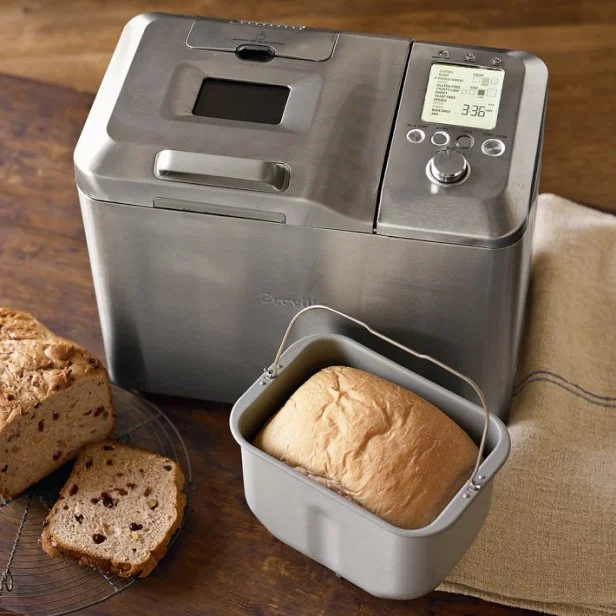
At its heart, a bread maker machine is an automated kitchen appliance designed to simplify the entire bread-making process. Gone are the days of meticulously measuring ingredients, kneading dough for what feels like an eternity, waiting for it to rise, and then orchestrating the perfect bake. A bread maker takes on all these crucial steps with remarkable efficiency.
How Does it Work? A Symphony of Automation
The magic of a bread maker lies in its ingenious design, which typically comprises three key components:
- The Heating Element: This is the oven within the oven, responsible for reaching and maintaining the precise temperatures required for baking. Modern bread makers offer sophisticated temperature control, ensuring even cooking and a perfectly browned crust.
- The Kneading Paddle/Blade: This is the workhorse of the machine. Strategically placed at the bottom of the baking pan, this paddle rotates at specific intervals and speeds, mimicking the action of human hands kneading dough. This process develops the gluten structure essential for a light and airy loaf. Many machines offer adjustable kneading cycles, allowing for different bread types and textures.
- The Control Panel: This is your command center. Featuring intuitive buttons and often a digital display, the control panel allows you to select from a variety of pre-programmed cycles. These cycles are meticulously timed and temperature-controlled to guide the ingredients through the stages of mixing, kneading, rising, and baking.
The user experience is remarkably straightforward. You add the ingredients to the baking pan in the order specified by the manufacturer (typically wet ingredients first, then dry, with yeast added last in a designated compartment). Then, you select your desired bread type (white, whole wheat, French, gluten-free, etc.), crust color, and loaf size. With a press of a button, the machine takes over. It will mix the ingredients, knead the dough, allow it to rise (often with multiple proofing cycles for optimal texture), and finally, bake the loaf to golden perfection. The result is a delicious, homemade loaf of bread with minimal effort and mess.
Beyond the Basic Loaf: Versatility and Advanced Features
While the primary function of a bread maker is to bake standard loaves, modern machines have evolved to offer a surprising degree of versatility. Many come equipped with specialized cycles for:
- Dough Setting: This allows you to use the machine for the initial mixing and kneading of dough, which you can then remove and shape for pizzas, focaccia, bagels, or other specialty baked goods.
- Jam and Jelly: Some models can even churn out homemade jams and jellies, further expanding their culinary repertoire.
- Cake and Muffin Batters: Certain bread makers are capable of mixing and baking quick breads, muffins, and even small cakes.
- Gluten-Free Baking: With the growing demand for gluten-free options, many bread makers now feature dedicated cycles designed to accommodate the unique properties of gluten-free flours, ensuring successful and delicious results.
- Customization Options: Higher-end models often allow for further customization, enabling you to adjust kneading times, proofing periods, and even baking temperatures, giving you granular control over the bread-making process. Some even allow you to program your own custom cycles, catering to very specific recipes or preferences.
The Bread Maker in the Tech Ecosystem: A Smart Kitchen Gadget
In the realm of kitchen technology, the bread maker machine holds a unique and increasingly prominent position. It’s not just another appliance; it’s a prime example of how technology can simplify complex tasks and bring about tangible lifestyle improvements.
Bridging the Gap Between Traditional and Modern
Traditionally, baking bread was a labor-intensive craft, requiring skill, patience, and a deep understanding of the baking process. The bread maker democratizes this craft. It leverages sophisticated programming and precise mechanics to replicate the actions of an experienced baker, making homemade bread accessible to individuals who might otherwise lack the time, confidence, or expertise. This aligns perfectly with the broader trend in technology where complex processes are being automated and simplified for consumer use.
A Gadget with Tangible Returns
When we think of technology, we often picture smartphones, smartwatches, or cutting-edge software. However, the bread maker machine is a tangible gadget that delivers a tangible benefit: delicious, fresh bread. Its appeal lies in its practicality and its ability to improve our daily lives. It’s a device that moves beyond novelty and becomes a functional tool for creating nourishing food.
The Digital Interface and User Experience
Modern bread makers are increasingly incorporating user-friendly digital interfaces. Touchscreen displays, intuitive menu systems, and even app connectivity in some premium models are becoming more common. This digital integration enhances the user experience, making it easier to navigate the various settings, access recipes, and troubleshoot any issues. This mirrors the broader technological trend of enhancing user interaction through digital means, making even complex appliances feel approachable.
Brand Value and the Bread Maker: From Appliance to Lifestyle Choice
The bread maker machine isn’t just a functional appliance; it has also become a product that brands leverage to communicate quality, convenience, and a certain lifestyle aspiration.

Brand Strategy in Kitchen Appliances
For appliance manufacturers, the bread maker represents an opportunity to build brand loyalty by offering a reliable and innovative product. Brands that excel in this space often emphasize:
- Durability and Build Quality: Consumers expect their kitchen appliances to last. Brands known for robust construction and high-quality materials garner trust.
- Ease of Use and Intuitive Design: A simple, straightforward interface is crucial. Brands that invest in user-centric design create products that are a pleasure to use.
- Innovative Features: Offering unique settings, advanced customization, or smart connectivity can differentiate a brand in a competitive market.
- Recipe Support and Community: Many brands offer extensive recipe books, online communities, and customer support that enhance the overall ownership experience.
Personal Branding Through Homemade Goodness
For the individual consumer, owning and using a bread maker can subtly contribute to their personal brand. In an age where conscious consumption and the pursuit of wholesome living are valued, the ability to produce fresh, homemade bread speaks volumes. It can convey a sense of:
- Self-Sufficiency and Resourcefulness: The ability to bake your own bread suggests a degree of independence and a connection to traditional skills.
- Care and Nurturing: Baking for oneself or loved ones is an act of care. A bread maker allows this act to be performed with greater ease.
- Health Consciousness: By controlling the ingredients, users can opt for whole grains, less sugar, and fewer preservatives, aligning with a healthier lifestyle.
Corporate Identity Through Culinary Innovation
For companies in the food or appliance sector, embracing products like bread makers can be part of their corporate identity. It signals a commitment to:
- Empowering Home Cooks: Providing tools that make cooking more accessible and enjoyable.
- Promoting Healthy Eating: Facilitating the creation of healthier food options.
- Innovation in the Home: Demonstrating a forward-thinking approach to kitchen technology.
The Financial Proposition: Bread Makers as a Smart Investment
Beyond the immediate culinary and lifestyle benefits, a bread maker machine can also be a financially sound decision, particularly when viewed through the lens of personal finance and smart spending.
The Cost Savings of Homemade Bread
The most apparent financial advantage of owning a bread maker is the potential for cost savings compared to purchasing pre-made bread. While the initial investment in a bread maker exists, the per-loaf cost of ingredients is significantly lower than buying artisan or even standard supermarket loaves. Consider the price of a good quality loaf of bread and then compare it to the cost of flour, yeast, salt, and water. Over time, the savings can be substantial, especially for families that consume a significant amount of bread.
A Side Hustle Opportunity?
For the entrepreneurial individual, a bread maker can even be the catalyst for a small side hustle. Imagine baking loaves for neighbors, local farmers’ markets, or even setting up a small subscription service for fresh bread delivery. The ease of operation and consistent results from a bread maker can make this a viable and potentially profitable venture with relatively low overhead. This taps into the growing trend of online income and side hustles, where individuals leverage their skills and resources to generate additional revenue.
Financial Tools for Smart Purchasing
When considering the purchase of a bread maker, treating it as a financial decision involves:
- Budgeting: Determining how much you’re willing to spend and researching models within that price range.
- Value Assessment: Looking beyond the price tag to consider the features, durability, and long-term cost savings.
- Considering ROI (Return on Investment): Calculating how quickly the savings on bread purchases will offset the initial cost of the machine.
- Utilizing Financial Tools: Using comparison websites, reading reviews, and looking for sales or discounts to ensure you get the best value for your money.
Conclusion: More Than Just a Machine, It’s a Lifestyle Enhancer
In conclusion, a bread maker machine is a sophisticated yet remarkably user-friendly kitchen appliance that automates the process of baking delicious bread. It embodies the convergence of technology, brand innovation, and smart financial planning. For the tech-savvy individual, it’s a gadget that simplifies complex tasks. For the brand-conscious consumer, it’s a symbol of a wholesome and resourceful lifestyle. And for the financially astute, it’s a tangible investment that can lead to significant savings over time.
Whether you’re a novice baker seeking convenience, a busy professional craving fresh bread without the fuss, or an aspiring entrepreneur looking for a low-barrier-to-entry business idea, the bread maker machine offers a compelling solution. It’s a testament to how thoughtful design and technological advancement can bring about profound positive changes in our daily lives, one perfectly baked loaf at a time. The humble bread maker, often overlooked in the dazzling array of modern kitchen gadgets, stands as a quiet champion of culinary delight and everyday convenience.
aViewFromTheCave is a participant in the Amazon Services LLC Associates Program, an affiliate advertising program designed to provide a means for sites to earn advertising fees by advertising and linking to Amazon.com. Amazon, the Amazon logo, AmazonSupply, and the AmazonSupply logo are trademarks of Amazon.com, Inc. or its affiliates. As an Amazon Associate we earn affiliate commissions from qualifying purchases.