
Navigating the landscape of auto financing in the current economic climate requires more than just a passing glance at a dealership’s promotional flyer. As the Federal Reserve continues to manage inflation through adjustments to the federal funds rate, the ripple effects are felt directly by consumers in the form of higher annual percentage rates (APRs) on car loans. Understanding where auto loan interest rates stand today, why they are at these levels, and how your personal financial profile influences the offers you receive is essential for any savvy borrower.
The automotive market has faced a double-edged sword over the last few years: supply chain disruptions that drove up vehicle prices and a tightening monetary policy that increased the cost of borrowing. For those looking to purchase a vehicle today, the “standard” rates of 0% to 2% that were common several years ago have largely vanished, replaced by a market where even those with excellent credit must search diligently to find rates below 6% or 7%.
The Current State of the Auto Finance Market
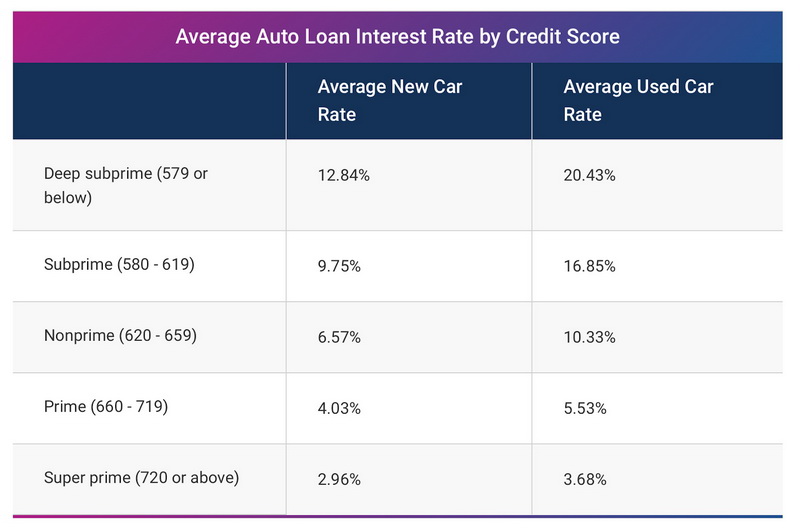
As of the current quarter, auto loan interest rates have stabilized at their highest levels in over a decade. For new vehicle purchases, borrowers with “super-prime” credit scores (typically 780 and above) are seeing average rates ranging from 5.5% to 6.8%. However, for the average borrower, the rate often climbs into the 7% to 9% range. Used car loans are even more expensive, often carrying a premium of 3% to 5% over new car rates due to the increased risk associated with the collateral’s depreciation and mechanical longevity.
The Role of the Federal Reserve
The primary driver behind these elevated rates is the Federal Reserve’s stance on interest rates. While the Fed does not set auto loan rates directly, the federal funds rate serves as the benchmark for the “prime rate,” which banks use to determine the cost of lending money. When the Fed raises rates to cool the economy, the cost of capital for lenders increases, and those costs are passed down to the consumer. Even when the Fed pauses rate hikes, the market often maintains a “higher-for-longer” plateau, keeping auto loans expensive until a significant economic shift occurs.
Disparity Between New and Used Car Rates
It is a common point of confusion for buyers why a used car—which costs less—often carries a higher interest rate. From a lender’s perspective, a used vehicle is a riskier asset. It is harder to value accurately, it depreciates differently than a new car, and there is a higher statistical likelihood of the borrower defaulting if the car requires expensive repairs that the owner cannot afford. Consequently, used car interest rates currently hover between 11% and 14% for average credit tiers, with subprime borrowers often facing rates north of 20%.
Decoding the Variables: What Defines Your Personal Rate?
While national averages provide a benchmark, your specific interest rate is a highly individualized figure determined by a matrix of risk factors. Lenders use sophisticated algorithms to determine the likelihood of repayment, and understanding these factors can help you position yourself for a more favorable deal.
Credit Score Tiers
Your credit score is the single most influential factor in determining your APR. Lenders generally categorize borrowers into five tiers:
-
Super-Prime (781-850): These borrowers receive the lowest advertised rates.
-
Prime (661-780): Borrowers in this range still qualify for competitive rates but may not get the “teaser” rates used in advertisements.
-
Non-Prime (601-660): Rates begin to climb significantly here as the risk of default is perceived as moderate.
-
Subprime (501-600): Expect double-digit interest rates and more stringent loan terms.
-
Deep Subprime (300-500): Borrowers in this tier often face the highest legal interest rates and may require a substantial down payment or a co-signer.
Loan-to-Value (LTV) and Down Payments
The Loan-to-Value ratio represents the amount you are borrowing compared to the actual value of the vehicle. If you buy a $30,000 car and put down $6,000, your LTV is 80%. Lenders prefer lower LTVs because it means the borrower has “skin in the game.” A high down payment not only reduces the principal amount—thereby reducing the total interest paid—but it can often trigger a lower interest rate tier because the lender’s risk is mitigated.
Debt-to-Income (DTI) Ratio
Beyond your credit score, lenders look at your monthly obligations versus your gross monthly income. Even a borrower with an 800 credit score may be offered a higher interest rate—or be denied altogether—if their DTI is too high. Lenders want to ensure that the addition of a car payment and insurance will not overextend your financial capacity, leading to a potential default.
Strategizing Your Purchase: How to Find the Lowest Rates
Securing a favorable auto loan requires a proactive approach. Relying solely on the dealership’s finance office is one of the most common mistakes consumers make, as dealerships often add a “markup” to the interest rate provided by their lending partners as a commission for facilitating the loan.
The Power of Credit Unions
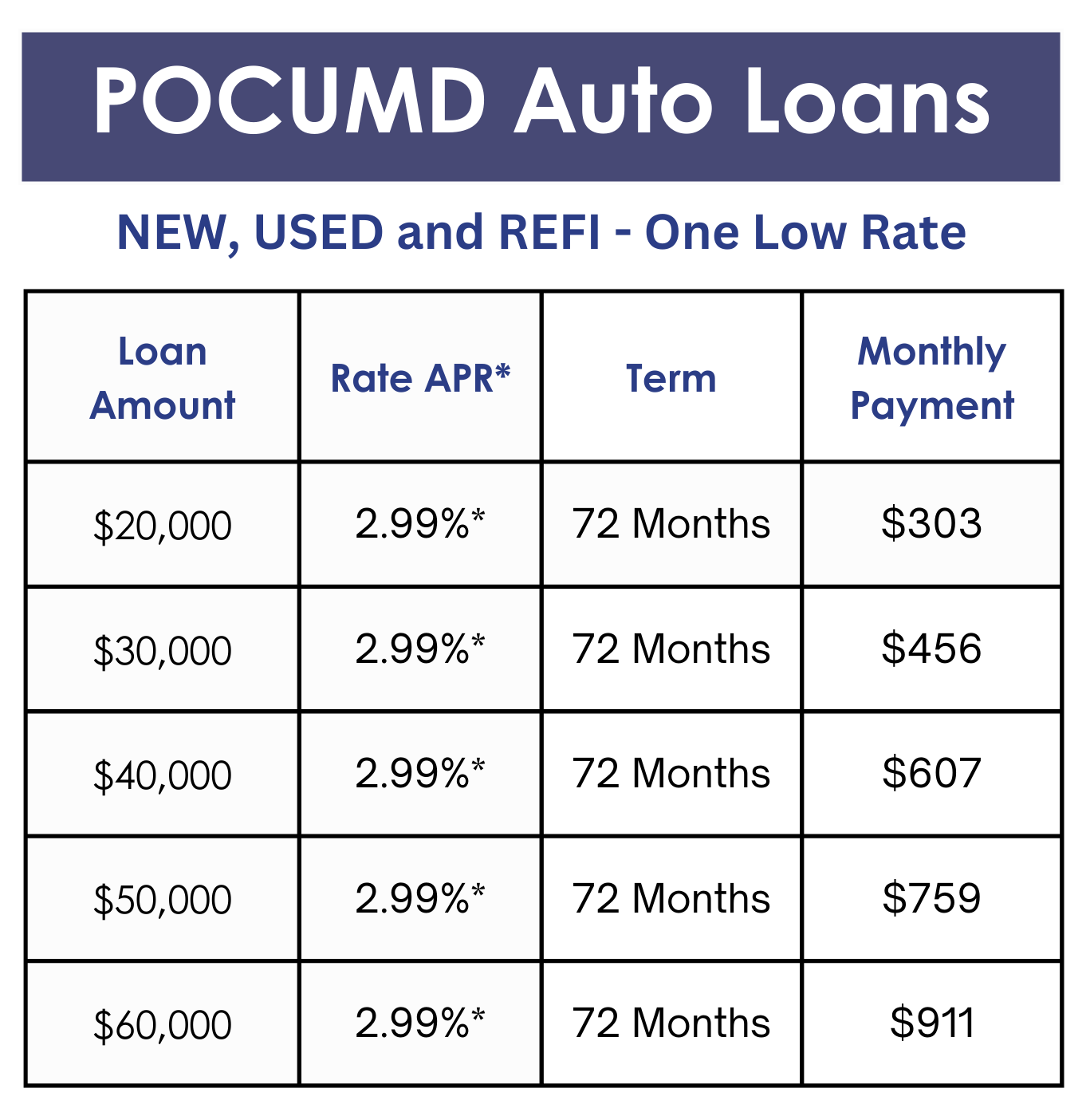
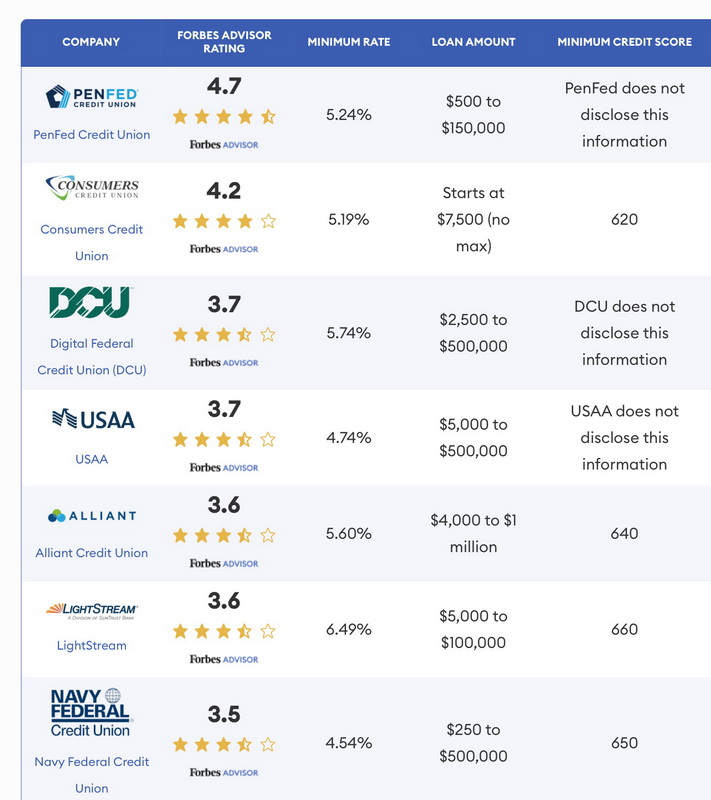
For many years, credit unions have consistently offered lower interest rates than traditional national banks. Because credit unions are member-owned, non-profit entities, they often return their “profits” to members in the form of lower loan rates and higher savings yields. Before stepping foot on a car lot, it is highly recommended to secure a pre-approval from a local or national credit union. This gives you a “floor” rate that you can then challenge the dealership to beat.
Captive Lenders and Manufacturer Incentives
“Captive lenders” are the financing arms of the car manufacturers themselves (e.g., Ford Credit, Toyota Financial Services). In many cases, these lenders offer “subsidized” interest rates to help move inventory. You may see offers for 1.9% or 2.9% APR on specific models. While these are excellent deals, they are almost always reserved for super-prime borrowers and may require you to forgo a cash-back rebate. Calculations should be made to see if the interest savings outweigh the immediate cash incentive.
Comparing Loan Terms
The “monthly payment” trap is a common hurdle in personal finance. A dealer might offer you a lower monthly payment by extending the loan term to 72 or 84 months. While this makes the vehicle “affordable” on a month-to-month basis, it significantly increases the total interest paid over the life of the loan. Furthermore, long-term loans increase the risk of becoming “upside down” or having negative equity, where you owe more on the car than it is worth. Aiming for a term of 48 to 60 months is generally considered the “sweet spot” for balancing monthly cash flow with total interest expense.
The Long-Term Financial Impact of Interest and Loan Terms
Interest is the price you pay for the ability to use someone else’s money to acquire an asset today. Over time, the difference of even 2% in an interest rate can amount to thousands of dollars. On a $40,000 loan, the difference between a 5% APR and an 8% APR over 60 months is approximately $3,300 in additional interest.
Simple Interest vs. Compound Interest
Most auto loans use “simple interest” calculated daily based on the remaining principal balance. This is beneficial for the borrower because it means that any extra payment made toward the principal directly reduces the amount of interest that accrues the following month. By paying even an extra $50 or $100 toward the principal each month, you can effectively lower your “real” interest rate and shorten the life of the loan.
The Depreciation Factor
Unlike real estate or stock market investments, a car is a depreciating asset. The moment it leaves the lot, its value drops. When high interest rates are combined with rapid depreciation, borrowers risk a scenario where they cannot sell the car or trade it in because the loan balance exceeds the car’s market value. This is why a substantial down payment (at least 20%) is a fundamental rule of sound personal finance; it creates a “buffer” of equity that protects you from the combined forces of depreciation and interest.
When to Refinance and Future Market Predictions
If you are currently locked into a high-interest auto loan, you are not necessarily stuck with it for the entire term. Auto loan refinancing is a viable path for many, especially if your credit score has improved since you first took out the loan or if market conditions shift downward.
Monitoring Rate Cycles
Financial analysts suggest that if the Federal Reserve begins to pivot toward rate cuts in the coming years, auto loan rates will follow suit, albeit with a slight delay. If you purchased a vehicle during a peak rate period, it is wise to monitor the market every six months. If rates drop by at least 1% to 2%, or if your credit score has jumped from the “Non-Prime” to “Prime” tier, refinancing can lower your monthly obligation and your total interest cost.
Final Financial Considerations
The decision to finance a vehicle is one of the most significant recurring expenses in a household budget. By understanding that interest rates are a reflection of both the macroeconomy and your personal financial health, you can take control of the process. Prioritize credit health, save for a robust down payment, and always shop for financing independently of the dealership. In a high-rate environment, the most valuable tool a consumer has is information; knowing what the current rates are and how to qualify for the best ones is the difference between a sound financial decision and an expensive mistake.
aViewFromTheCave is a participant in the Amazon Services LLC Associates Program, an affiliate advertising program designed to provide a means for sites to earn advertising fees by advertising and linking to Amazon.com. Amazon, the Amazon logo, AmazonSupply, and the AmazonSupply logo are trademarks of Amazon.com, Inc. or its affiliates. As an Amazon Associate we earn affiliate commissions from qualifying purchases.