
Understanding your monthly payments is fundamental to sound financial planning, whether you’re considering a new home, a car, a personal loan, or simply managing your existing debts. The seemingly simple question, “What would my monthly payment be?” opens a Pandora’s box of variables, calculations, and strategic considerations that directly impact your budget, financial flexibility, and long-term wealth accumulation. This article delves into the intricacies of monthly payments, demystifying the factors at play, exploring common payment scenarios, outlining calculation methods, and offering strategies for effective management within the sphere of personal finance.
Deconstructing the Elements: Core Factors Influencing Your Payments
At its heart, a monthly payment represents your regular obligation to repay borrowed money, plus any associated costs, over a defined period. Several critical components coalesce to determine the final figure that leaves your bank account each month.

Principal Amount: The Foundation of Your Debt
The principal is the original amount of money you borrow. It’s the core sum upon which all other calculations, particularly interest, are based. A higher principal amount will, almost universally, lead to a higher monthly payment, assuming all other factors remain constant. Whether it’s the purchase price of a house, the cost of a vehicle, or the sum of a personal loan, the principal is the starting point for your repayment journey.
Interest Rate: The Cost of Borrowing
Interest is the fee charged by a lender for the use of their money, typically expressed as a percentage of the principal per year. It is arguably the most significant variable influencing your monthly payment beyond the principal itself. A lower interest rate means less money paid back over the life of the loan, resulting in lower monthly installments. Interest rates can be fixed (remaining constant throughout the loan term) or variable (fluctuating with market conditions). Understanding the interest rate’s impact is crucial, as even a seemingly small difference can amount to thousands of dollars over a long loan term.
Loan Term: The Duration of Your Obligation
The loan term is the length of time over which you agree to repay the borrowed money. Common terms range from a few months for short-term personal loans to 30 years or more for mortgages. A longer loan term generally results in lower monthly payments because the principal and interest are spread out over a greater number of installments. However, this often means paying more interest over the entire life of the loan. Conversely, a shorter term will yield higher monthly payments but significantly reduce the total interest paid. Striking the right balance between affordability and total cost is key.
Additional Costs: Fees, Taxes, and Insurance
Beyond principal and interest, certain types of loans, especially mortgages, can bundle additional costs into your monthly payment. These might include:
-
Property Taxes: Annual taxes levied by local government on real estate.
-
Homeowner’s Insurance: Protects your property from damage and liability.
-
Private Mortgage Insurance (PMI): Often required for conventional mortgages when the down payment is less than 20% of the home’s purchase price.
-
Association Fees: For properties within homeowner associations (HOAs).
-
Loan Origination Fees: Charged by the lender for processing the loan.
While some of these are paid separately, many are escrowed and added to your monthly mortgage payment, making the total commitment higher than just principal and interest.
Common Monthly Payment Scenarios and Their Nuances
The question of “what would my monthly payment be” takes on different flavors depending on the type of debt you’re evaluating. Each category has its own set of considerations and typical structures.
Mortgages: The Largest Monthly Commitment
For most individuals, a mortgage represents the largest and longest-term debt. Monthly mortgage payments primarily consist of principal and interest (P&I), but as discussed, often include property taxes and homeowner’s insurance (escrowed payments), and potentially PMI or HOA fees. The type of mortgage (fixed-rate vs. adjustable-rate), the down payment size, and current interest rates all play significant roles. A larger down payment reduces the principal borrowed, often leading to lower monthly payments and potentially avoiding PMI.
Auto Loans: Financing Your Ride
Auto loans are typically shorter in term (3-7 years) compared to mortgages and involve a single asset. The monthly payment is determined by the vehicle’s price, the down payment, the interest rate offered by the lender (which can vary based on credit score), and the loan term. Depreciation is a key factor here; a car’s value decreases rapidly, meaning you can owe more on the loan than the car is worth, especially early in the term – a situation known as being “upside down.”
Personal Loans: Flexible Funding
Personal loans are unsecured (no collateral) or secured (with collateral) and are used for a variety of purposes, from debt consolidation to home improvements. Their terms are generally shorter (1-7 years), and interest rates can vary widely based on your creditworthiness. Monthly payments are a straightforward calculation of principal and interest spread over the loan term. Due to their unsecured nature, interest rates can sometimes be higher than secured loans.
Credit Card Payments: Revolving Debt Dynamics
Credit cards operate on a revolving credit system, meaning you can borrow up to a certain limit, repay, and borrow again. Monthly payments are usually a minimum amount required, which often consists mostly of interest, especially on high balances. While paying only the minimum keeps your account current, it significantly prolongs the repayment period and dramatically increases the total interest paid. The interest rate on credit cards is typically variable and among the highest of all loan types.
Student Loans: Investing in Your Future
Student loans, both federal and private, are designed to finance education. Federal student loans often come with more flexible repayment options (e.g., income-driven repayment plans, deferment, forbearance) and fixed interest rates. Private student loans mirror traditional personal loans more closely, with interest rates dependent on credit and fewer repayment flexibilities. The monthly payment can vary significantly based on the loan type, your income, and the repayment plan chosen.
The Mechanics of Calculation: How Monthly Payments Are Derived
While the factors are clear, the actual calculation can seem daunting. Fortunately, both manual formulas and digital tools make this process accessible.
Manual Calculation Formulas: A Glimpse Behind the Curtain
For most amortized loans (where payments are fixed over the loan term and gradually pay down principal and interest), the formula for a monthly payment is:
M = P [ i(1 + i)^n ] / [ (1 + i)^n – 1]
Where:
-
M = Monthly Payment
-
P = Principal Loan Amount
-
i = Monthly Interest Rate (Annual Rate / 12)
-
n = Total Number of Payments (Loan Term in Years * 12)
This formula underscores how interest is front-loaded in earlier payments, gradually shifting towards more principal repayment over time. While understanding the formula provides insight, most people don’t calculate this manually.
Online Calculators: Your Digital Financial Assistant
For practical purposes, online loan calculators are invaluable. Websites of banks, lenders, and financial planning platforms offer free tools where you can input the principal, interest rate, and loan term, and instantly receive your estimated monthly payment. Many even provide an amortization schedule, showing how each payment is broken down into principal and interest over the life of the loan. These tools are indispensable for quickly evaluating different scenarios.
Amortization Schedules: Visualizing Your Payment Journey
An amortization schedule is a table detailing each payment made over the life of an amortizing loan. It breaks down how much of each payment goes towards interest and how much goes towards the principal balance. Reviewing an amortization schedule reveals that early payments are heavily weighted towards interest, with the principal portion gradually increasing over time. This transparency helps you understand the true cost of borrowing and how your debt is being retired.
Strategies for Managing and Optimizing Your Payments
Knowing your monthly payment is one thing; effectively managing and optimizing it is another. Strategic approaches can save you money, reduce stress, and accelerate your financial goals.
Budgeting for Payments: Integrating Debt into Your Financial Plan
The first step is to integrate all your monthly payments into a comprehensive budget. This means listing all income and expenses, including every loan payment, to ensure that your outflow doesn’t exceed your inflow. A well-structured budget provides clarity on your financial capacity, helps identify areas for cutting expenses, and ensures you can comfortably meet all your obligations without stress. The 50/30/20 rule (50% needs, 30% wants, 20% savings/debt repayment) is a popular framework for allocating income.
Reducing Interest Costs: Prepayment and Refinancing Options
To minimize the overall cost of a loan, consider strategies that reduce the amount of interest you pay:
-
Prepayment: Making extra payments towards your principal can significantly reduce the total interest paid and shorten the loan term. Even small, consistent extra payments can have a dramatic impact over time.
-
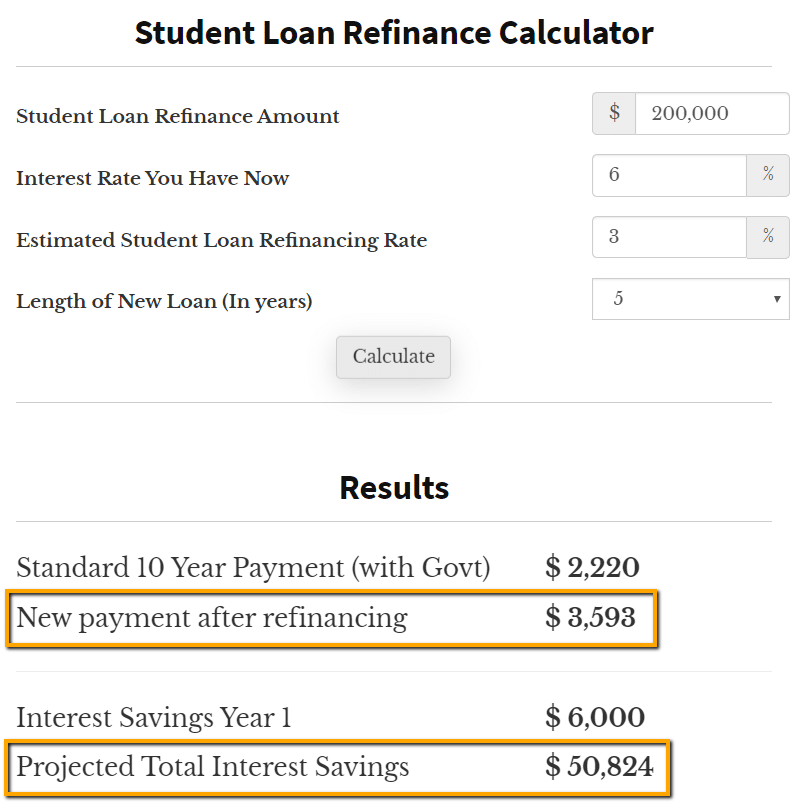
Refinancing: If interest rates have dropped or your credit score has improved, you might be eligible to refinance your loan for a lower interest rate, which will directly reduce your monthly payment or the total interest paid over the same term. Be mindful of refinancing fees, which can sometimes offset the savings.
Debt Consolidation: Streamlining Multiple Obligations
If you have multiple high-interest debts, such as credit card balances or several personal loans, debt consolidation can simplify your payments. This involves taking out a new loan (often a personal loan or a balance transfer credit card) to pay off all your smaller debts, leaving you with a single, potentially lower, monthly payment and a more favorable interest rate. This can make budgeting easier and accelerate debt repayment.
Avoiding Payment Pitfalls: Late Fees and Default Risks
Missing payments or paying late carries significant penalties. Late fees can add up, and more importantly, late payments negatively impact your credit score. A severely damaged credit score makes it harder to obtain future loans, rent apartments, or even secure certain jobs. Defaulting on a loan can lead to asset seizure (for secured loans), collections, lawsuits, and long-lasting damage to your financial reputation. Always prioritize making at least the minimum payment on time.
The Broader Financial Picture: Payments as Part of Your Wealth Journey
Understanding “what would my monthly payment be” is not just about the current month’s obligation; it’s about how these payments fit into your larger financial narrative, impacting your credit health and wealth-building capacity.
Debt-to-Income Ratio: A Key Metric for Lenders
Your debt-to-income (DTI) ratio is a critical metric lenders use to assess your ability to manage monthly payments and repay new debts. It’s calculated by dividing your total monthly debt payments by your gross monthly income. A lower DTI (typically below 36-43%) indicates less risk to lenders and increases your chances of qualifying for new loans with favorable terms. Managing your existing payments strategically contributes directly to a healthier DTI.
Building Credit History: The Positive Impact of Timely Payments
Consistently making your monthly payments on time is one of the most effective ways to build and maintain a strong credit history. A good credit score unlocks lower interest rates on future loans, better insurance premiums, and more financial opportunities. Every on-time payment reinforces your reliability as a borrower.

Balancing Debt with Savings and Investments
While managing monthly payments is crucial, it’s equally important not to let debt repayment overshadow your other financial goals. Striking a balance between paying down debt and contributing to savings, emergency funds, and investments is vital for long-term financial security. Prioritize high-interest debt, but don’t neglect building a financial safety net and growing your assets for the future.
In conclusion, the question “What would my monthly payment be?” is a gateway to a deeper understanding of personal finance. By dissecting the core components of a loan, recognizing the nuances of different payment scenarios, leveraging calculation tools, and adopting strategic management techniques, you can transform a simple query into a powerful financial roadmap. Mastering your monthly payments is not just about avoiding penalties; it’s about confidently navigating your financial landscape, building a robust credit profile, and paving the way for a secure and prosperous future.
aViewFromTheCave is a participant in the Amazon Services LLC Associates Program, an affiliate advertising program designed to provide a means for sites to earn advertising fees by advertising and linking to Amazon.com. Amazon, the Amazon logo, AmazonSupply, and the AmazonSupply logo are trademarks of Amazon.com, Inc. or its affiliates. As an Amazon Associate we earn affiliate commissions from qualifying purchases.