
Securing a vehicle is often the second-largest financial commitment a consumer makes, trailing only the purchase of a home. Once the excitement of the dealership wears off and the keys are in hand, the reality of the monthly obligation sets in. Understanding how to make car payments effectively is not merely about knowing where to send the money; it is about managing cash flow, protecting your credit score, and minimizing the total interest paid over the life of the loan. In the modern financial landscape, borrowers have an array of choices ranging from traditional manual payments to sophisticated automated systems designed to streamline personal finance.

Establishing the Logistics of Monthly Payments
The first step in managing an auto loan is identifying the specific channel through which your lender accepts funds. While the process may seem straightforward, the method you choose can impact your financial security and your ability to stay organized.
Automated Clearing House (ACH) and Direct Debit
The most common and highly recommended method for making car payments is through an Automated Clearing House (ACH) transfer. By authorizing your lender to withdraw the monthly installment directly from your checking or savings account, you eliminate the risk of forgetting a due date. From a financial management perspective, this is a “set it and forget it” strategy that ensures consistency. Many lenders even offer a small interest rate reduction—often 0.25%—as an incentive for borrowers who enroll in autopay, as it reduces the lender’s administrative costs and risk of delinquency.
Online Banking and Lender Portals
Most major banks and captive finance companies (the lending arms of car manufacturers like Ford Credit or Toyota Financial Services) provide dedicated online portals. These platforms allow you to make one-time payments, view your current balance, and track your payoff progress. Utilizing a lender’s portal is particularly useful if your income fluctuates, as it allows you to manually control the timing of the payment within the grace period.
Third-Party Bill Pay
If you prefer to keep all your financial activity centralized within your own bank’s ecosystem, third-party bill pay is an excellent alternative. Through your bank’s website or mobile app, you can add your car lender as a “biller.” The bank then sends the funds electronically or via a physical check on your behalf. This method provides a centralized record of all your outflows, making it easier to audit your monthly budget without logging into multiple accounts.
Strategic Payment Scheduling for Interest Reduction
Once you have established how to send the money, the next level of financial sophistication involves when and how much you pay. An auto loan is typically a simple-interest loan, meaning interest is calculated based on the principal balance on the day the payment is received.
The Power of Bi-Weekly Payments
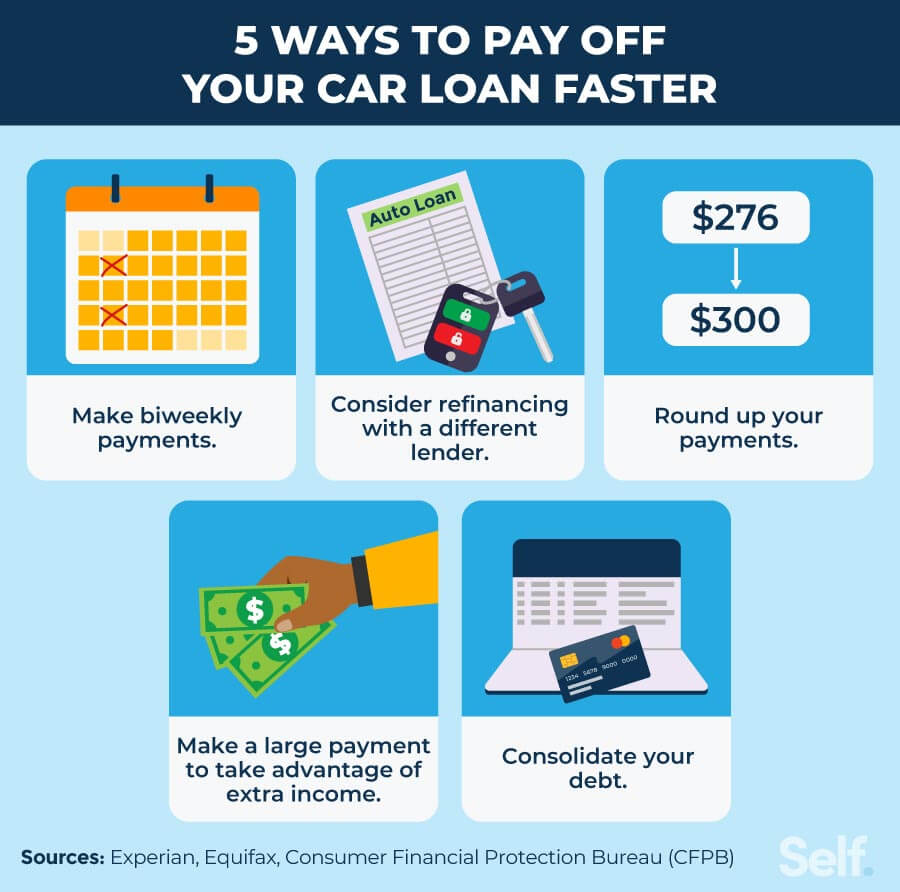
A standard monthly payment schedule involves 12 payments per year. However, by switching to a bi-weekly schedule—paying half of your monthly obligation every two weeks—you effectively make 26 half-payments. This equates to 13 full monthly payments in a calendar year. This extra payment is applied directly to the principal balance, which drastically reduces the total interest accrued over time and can shave months off the duration of your loan.
Principal-Only Payments
If you find yourself with extra cash from a tax refund, a work bonus, or a successful side hustle, you can make a “principal-only” payment. It is crucial to specify to your lender that the extra funds should be applied to the principal balance rather than being treated as an early payment for the following month. Reducing the principal balance early in the loan term is significantly more impactful than doing so later, as it lowers the base upon which all future interest is calculated.
The Round-Up Method
For those who do not have the liquidity for a full extra payment, the “round-up” strategy is a sustainable compromise. If your car payment is $442 per month, rounding up to $500 provides a consistent, manageable overpayment. Over a 60-month term, this small monthly adjustment can result in thousands of dollars in interest savings and an earlier lien release.
Navigating the Impact on Credit and Financial Health
Your car payment is a significant variable in your overall financial profile. How you handle these payments serves as a primary indicator to credit bureaus regarding your reliability as a borrower.
Understanding the Credit Reporting Cycle
Lenders typically report your payment status to the three major credit bureaus (Equifax, Experian, and TransUnion) every 30 days. While many lenders offer a “grace period” of 10 to 15 days before charging a late fee, the credit reporting threshold is usually stricter. A payment that is 30 days past due can cause a significant drop in your credit score, making future borrowing—for a home or another vehicle—far more expensive. Consistent, on-time payments contribute heavily to your “payment history,” which accounts for 35% of your FICO score.
Debt-to-Income (DTI) Ratios
Financial institutions look closely at your Debt-to-Income ratio when evaluating your solvency. Your car payment is a fixed debt that stays on your record until the loan is satisfied. If your car payment is too high relative to your income, it may prevent you from qualifying for other forms of credit. Effective payment management means not only making the payments on time but also looking for opportunities to pay down the debt faster to improve your DTI ratio.
Refinancing as a Payment Strategy
If interest rates have dropped since you signed your original loan, or if your credit score has improved significantly, you might consider refinancing as a way to change how you make payments. Refinancing can lower your monthly obligation, providing more breathing room in your budget, or it can allow you to shorten the term of the loan to build equity in the vehicle faster.
Managing Challenges and Technical Hurdles
Even with the best intentions, financial hurdles can arise. Knowing how to navigate these situations is essential for maintaining your financial standing.
Deferments and Forbearance
In the event of a temporary financial hardship, such as medical leave or a job transition, many lenders offer deferment programs. This allows the borrower to skip a payment or two, which are then tacked onto the end of the loan term. While interest will still accrue during this period, it prevents the account from going into default and protects your credit score from the damage of a missed payment. It is vital to contact the lender before the payment is missed to discuss these options.
Payment Posting Delays
One technical aspect often overlooked is the “posting date” versus the “transaction date.” If you pay via a mailed check, the payment is only considered “made” when it is processed by the lender, not when you mail it. Even electronic payments can take 24 to 48 hours to clear. Understanding these timelines is critical to avoiding late fees and ensuring that your principal balance is reduced as early in the month as possible.
Digital Security and Fraud Prevention
When setting up online payments, ensure you are using secure, encrypted connections. Be wary of “phishing” emails that appear to be from your lender asking for payment details. Always navigate directly to the lender’s official website or use their verified mobile application. Protecting your financial data is as important as making the payment itself.
Conclusion: Mastering the Auto Loan Life Cycle
Making car payments is a foundational element of personal finance that requires more than just passive participation. By selecting the right payment method, leveraging automation, and strategically applying extra funds toward the principal, you transform a monthly chore into a tool for wealth building.
An auto loan should be viewed as a bridge to ownership rather than a permanent drain on resources. Whether through bi-weekly scheduling, the use of high-tech budgeting apps, or proactive refinancing, the goal remains the same: to satisfy the debt as efficiently as possible while maintaining a robust credit profile. By taking an active, informed approach to your car payments, you ensure that your vehicle remains an asset that serves your lifestyle rather than a liability that hinders your financial future. As the principal balance drops and the equity in your vehicle grows, you gain the financial freedom to make your next move from a position of strength.
aViewFromTheCave is a participant in the Amazon Services LLC Associates Program, an affiliate advertising program designed to provide a means for sites to earn advertising fees by advertising and linking to Amazon.com. Amazon, the Amazon logo, AmazonSupply, and the AmazonSupply logo are trademarks of Amazon.com, Inc. or its affiliates. As an Amazon Associate we earn affiliate commissions from qualifying purchases.