
Securing a car loan is a significant financial decision for many, often representing one of the largest debts individuals take on, second only to a mortgage. At the heart of this decision lies the interest rate – a percentage that dictates how much extra you’ll pay the lender for the privilege of borrowing money. Understanding what determines your car loan interest rate isn’t just about financial literacy; it’s about empowerment. It enables you to make informed choices, negotiate effectively, and ultimately save thousands over the life of your loan. This comprehensive guide will dissect the elements influencing your potential interest rate, offer strategies to secure the most favorable terms, and walk you through the process of navigating car loan financing.
Understanding Car Loan Interest Rates: The Basics
Before delving into the specific factors that shape your interest rate, it’s crucial to grasp the fundamental concepts of what an interest rate is and why it holds such sway over your financial well-being when financing a vehicle.
What is an Interest Rate?
In the simplest terms, an interest rate is the cost of borrowing money, expressed as a percentage of the principal loan amount. For car loans, this is usually quoted as an Annual Percentage Rate (APR). While the interest rate refers purely to the cost of borrowing, the APR includes the interest rate plus any additional fees or charges associated with the loan, giving you a more complete picture of the total cost of credit over a year. Lenders charge interest to compensate themselves for the risk of lending money and for the opportunity cost of not using that money elsewhere.
Why Your Interest Rate Matters
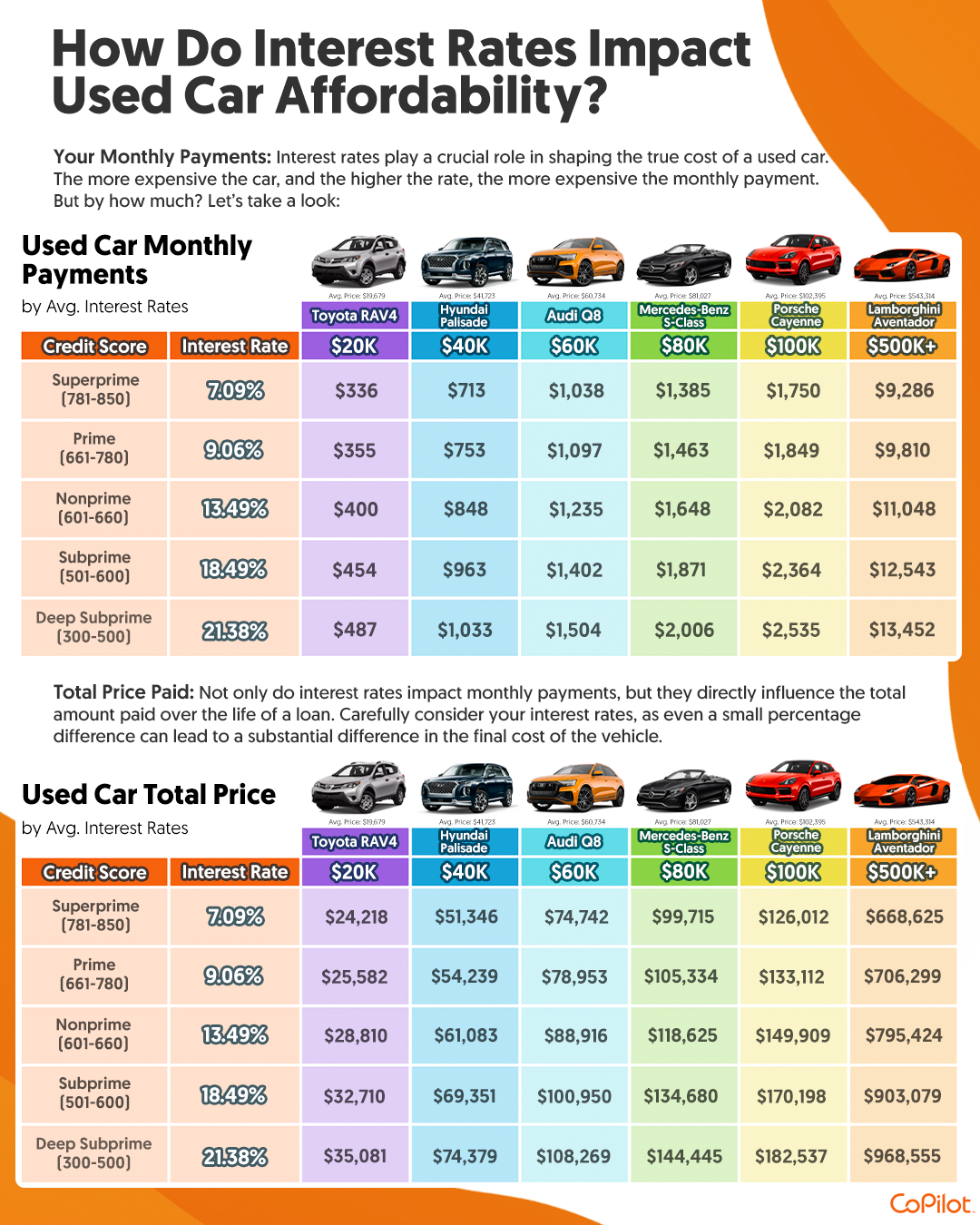
The interest rate you secure directly impacts two critical aspects of your car loan: your monthly payment and the total amount you will pay over the loan’s lifetime. Even a seemingly small difference in percentage points can translate into hundreds or even thousands of dollars saved or spent over a typical 5-7 year loan term. A lower interest rate means more of your monthly payment goes towards reducing the principal balance of your loan, rather than servicing the interest, allowing you to build equity in your vehicle faster. Conversely, a higher rate means a larger portion of each payment covers interest, increasing the overall cost of the car and extending the time it takes to own it outright.
Fixed vs. Variable Rates
While less common for car loans than mortgages, it’s worth understanding the difference between fixed and variable interest rates. A fixed-rate loan maintains the same interest rate throughout the entire loan term, providing predictable monthly payments. The vast majority of car loans are fixed-rate, which offers stability and makes budgeting easier. A variable-rate loan, on the other hand, has an interest rate that can fluctuate over time based on a benchmark index. While initially, a variable rate might be lower, it introduces uncertainty as your payments could increase or decrease. For the purpose of car loans, assume you will be dealing with a fixed interest rate.
Key Factors Influencing Your Car Loan Interest Rate
Your personal financial profile, the loan itself, and broader economic conditions all play a significant role in determining the interest rate you’ll be offered. Lenders assess these factors to gauge the risk of lending to you.
Your Credit Score and History
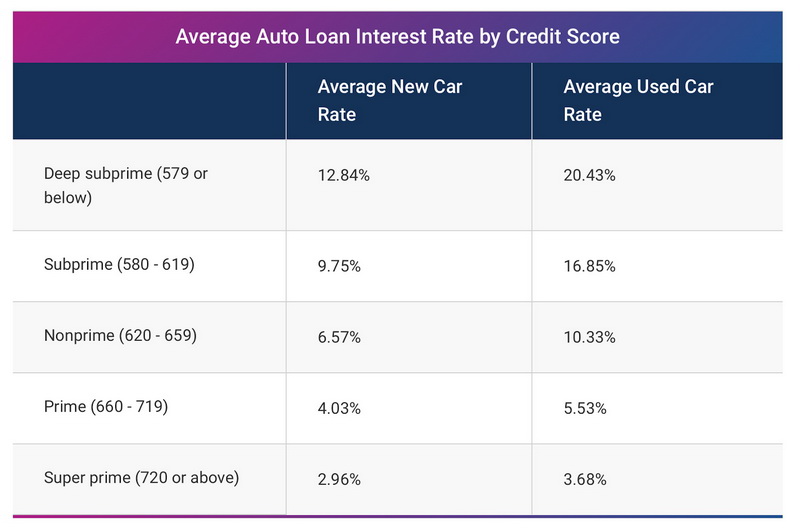
This is arguably the single most influential factor. Your credit score – a three-digit number summarizing your creditworthiness – provides lenders with a snapshot of your financial behavior. A higher credit score (typically above 700, with excellent scores exceeding 780) signals to lenders that you are a responsible borrower with a history of timely payments, making you a low-risk candidate. This often qualifies you for the lowest available interest rates. Conversely, a lower credit score (below 620) indicates a higher risk, leading to higher interest rates to compensate the lender for that perceived risk. Your credit history, which includes payment history, types of credit used, credit utilization, and the length of your credit history, provides the data points for this score.
Loan Term Length
The duration over which you agree to repay the loan also affects your interest rate. Shorter loan terms (e.g., 36 or 48 months) typically come with lower interest rates because the lender’s risk exposure is reduced over a shorter period. While shorter terms mean higher monthly payments, they result in less interest paid overall. Longer loan terms (e.g., 72 or 84 months) reduce your monthly payments, making a more expensive car seem affordable, but they almost always come with higher interest rates, significantly increasing the total cost of the loan due to more interest accruing over a longer period.
Down Payment Amount
Making a substantial down payment reduces the amount you need to borrow, which, in turn, reduces the lender’s risk. When you put more money down, you have more equity in the car from day one, making you less likely to default on the loan. Lenders often reward borrowers with larger down payments (e.g., 10-20% or more of the vehicle’s price) with lower interest rates. A larger down payment can also help offset a less-than-perfect credit score.
Debt-to-Income (DTI) Ratio
Your debt-to-income (DTI) ratio is a key metric lenders use to assess your ability to manage monthly payments and repay debt. It’s calculated by dividing your total monthly debt payments by your gross monthly income. A low DTI ratio (typically below 36%) indicates that you have sufficient income to comfortably cover your existing debts and the new car loan payment, signaling less risk to lenders and potentially qualifying you for a better rate. A high DTI suggests you may be overextended, making lenders more hesitant and likely to offer higher rates or deny the loan altogether.
Vehicle Type and Age
Believe it or not, the car itself can influence your interest rate. New cars often qualify for lower interest rates than used cars. This is because new cars typically have a higher resale value and are considered more reliable, making them better collateral for the loan. Used cars, especially older models, present a higher risk to lenders due to depreciation and potential maintenance issues, leading to higher interest rates. The specific make and model can also play a role, as some vehicles hold their value better than others.
Current Market Conditions & Federal Reserve Rates
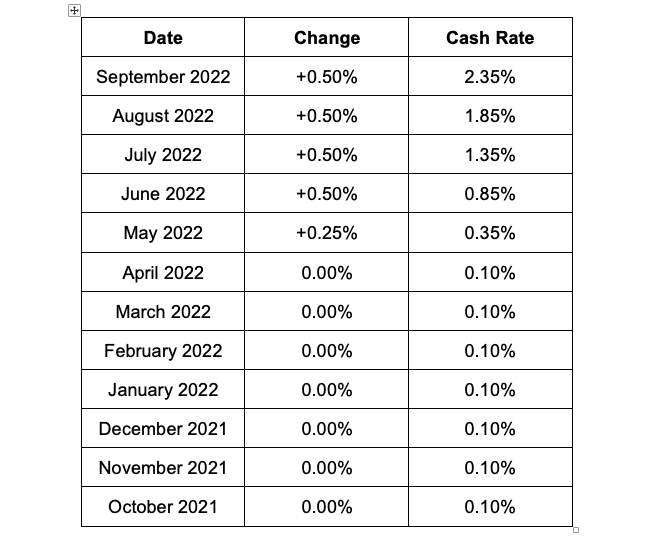
Beyond individual factors, broader economic conditions affect prevailing interest rates. The Federal Reserve’s target interest rate, inflation, and the overall health of the economy influence the cost of borrowing for lenders, which they then pass on to consumers. When the Fed raises rates, it generally becomes more expensive for banks to lend, leading to higher consumer interest rates. Conversely, a period of low-interest rates can create a more favorable borrowing environment. While you can’t control these macro factors, being aware of them can help you time your car purchase.
Lender Type
Different types of lenders have varying risk appetites and funding costs, which translate into different interest rates.
-
Banks: Offer competitive rates, especially to customers with good credit.
-
Credit Unions: Often known for offering some of the lowest rates due to their non-profit status and member-centric approach.
-
Dealership Financing: Can be convenient but often acts as a middleman, potentially adding markups. However, they sometimes offer special promotional rates (e.g., 0% APR) on new cars, especially from manufacturer finance companies.
-
Online Lenders: Provide quick applications and competitive rates, often catering to a wider range of credit profiles. Shopping around across these types of lenders is crucial.
Strategies to Secure a Lower Car Loan Interest Rate
Knowing what influences your interest rate is only half the battle. The other half is taking proactive steps to position yourself for the best possible loan terms.
Improve Your Credit Score
This is the most impactful step you can take. Before applying for a car loan, access your credit reports from Experian, Equifax, and TransUnion. Dispute any errors, pay all your bills on time (especially credit cards), reduce your outstanding debt to lower your credit utilization (aim for below 30% of your credit limit), and avoid opening new credit accounts unnecessarily. Building a solid credit history over time will consistently yield better interest rates on all types of loans.
Save for a Larger Down Payment
Aim to put down at least 10-20% of the vehicle’s purchase price, if not more. A larger down payment immediately reduces the principal loan amount, lowers your monthly payments, and significantly reduces the lender’s risk, making them more likely to offer you a preferential interest rate. It also helps mitigate the effects of depreciation, reducing the chance of becoming “upside down” on your loan (owing more than the car is worth).
Shop Around and Compare Offers
Never take the first loan offer you receive. Contact multiple lenders—banks, credit unions, and online lenders—to get pre-approved for a loan before you even set foot in a dealership. Pre-approval gives you a firm offer for a loan, allowing you to compare rates and terms objectively. This process generally involves “soft” credit inquiries that don’t harm your score, and when you’re ready to proceed, a single “hard” inquiry will be made. Getting multiple hard inquiries for the same type of loan within a short period (typically 14-45 days) will usually be treated as a single inquiry by credit scoring models, minimizing impact.
Choose a Shorter Loan Term (If Feasible)
While a longer loan term offers lower monthly payments, it costs significantly more in total interest. If your budget allows, opt for the shortest loan term you can comfortably afford. This will result in a lower interest rate and substantial savings over the life of the loan. Calculate different scenarios to find the sweet spot between manageable monthly payments and minimized interest costs.
Consider a Co-signer (If Necessary)
If your credit score is low or you have a limited credit history, a co-signer with excellent credit can significantly improve your chances of approval and help you secure a lower interest rate. A co-signer agrees to be legally responsible for the loan if you default, reducing the lender’s risk. However, this is a serious commitment for the co-signer, as their credit will also be affected by your payment behavior.
Negotiate with the Dealership
Armed with pre-approval offers from external lenders, you are in a stronger negotiating position at the dealership. They may try to beat your pre-approved rate to keep the financing in-house, or at least they won’t be able to easily mark up the interest rate significantly. Focus on negotiating the car’s price first, then discuss financing, to avoid confusion and ensure you’re getting the best deal on both fronts.
Navigating the Car Loan Application Process
Once you’ve done your homework and are ready to apply, understanding the mechanics of the application process is key to a smooth experience.
Gathering Necessary Documentation
Lenders will require various documents to verify your identity, income, and financial standing. Typically, you’ll need a government-issued ID, proof of income (pay stubs, tax returns), proof of residence (utility bills), and potentially your social security number to facilitate a credit check. Having these ready in advance can expedite the application process.
Understanding Pre-approval
Pre-approval is not a guarantee of a loan, but it’s a conditional offer based on a preliminary review of your credit and financial information. It specifies the maximum amount you can borrow and the interest rate you qualify for, typically valid for a certain period (e.g., 30-60 days). Obtaining pre-approval from at least two or three lenders gives you a solid benchmark and the confidence to negotiate as a cash buyer at the dealership.
Reading the Fine Print
Before signing any loan agreement, meticulously read all the terms and conditions. Pay close attention to the APR (not just the interest rate), any origination fees, prepayment penalties (though rare for car loans, they can exist), and late payment clauses. Ensure the loan term and monthly payment align with what you discussed and can afford. Don’t hesitate to ask questions if anything is unclear.
The Impact of Multiple Applications
While shopping for rates, it’s natural to apply to several lenders. Fortunately, credit scoring models are designed to recognize this behavior. Multiple hard inquiries for the same type of loan (like an auto loan) within a concentrated period (usually 14 to 45 days, depending on the scoring model) are generally counted as a single inquiry. This “rate shopping window” allows you to compare offers without significantly damaging your credit score.
Beyond the Interest Rate: Other Loan Considerations
While the interest rate is paramount, it’s part of a larger financial picture you need to consider when taking on a car loan.
Total Cost of Ownership
Remember that the interest rate is just one component of the total cost of owning a car. Factor in the purchase price, interest, sales tax, registration fees, insurance premiums, maintenance costs, and fuel. A car with a low interest rate might still be expensive if its insurance or maintenance costs are prohibitive. Always look at the holistic financial impact.
Payment Affordability
Before committing to a loan, create a detailed budget to ensure your monthly car payment is truly affordable within your financial landscape. Financial experts often recommend that your total car-related expenses (payment, insurance, fuel, maintenance) should not exceed 10-15% of your net monthly income. Stretching your budget too thin for a car can lead to financial strain and missed payments, which will severely damage your credit.
Loan Terms and Conditions
Beyond the interest rate and monthly payment, understand all the terms. What happens if you miss a payment? Are there options for deferment in an emergency? What are the conditions for early repayment? A comprehensive understanding of your loan agreement prevents unpleasant surprises down the road.
Gap Insurance
When you finance a new car, particularly with a small down payment or a long loan term, you risk owing more on the loan than the car is worth due to depreciation. If your car is totaled or stolen, your standard auto insurance policy will only pay out the car’s actual cash value, which might be less than your outstanding loan balance. Gap insurance covers this “gap” between what your insurer pays and what you still owe, preventing you from being out of pocket for a car you no longer have. Consider if this coverage is beneficial for your specific situation.
In conclusion, determining “what your interest rate would be on a car loan” is a complex calculation influenced by a multitude of factors, many of which you can control. By understanding these elements, proactively working on your credit, diligently shopping for the best rates, and making prudent financial decisions, you can significantly reduce the cost of your car loan and drive away with confidence.
aViewFromTheCave is a participant in the Amazon Services LLC Associates Program, an affiliate advertising program designed to provide a means for sites to earn advertising fees by advertising and linking to Amazon.com. Amazon, the Amazon logo, AmazonSupply, and the AmazonSupply logo are trademarks of Amazon.com, Inc. or its affiliates. As an Amazon Associate we earn affiliate commissions from qualifying purchases.