
Bitcoin, since its inception in 2009, has evolved from an obscure digital curiosity into a significant global financial asset. Its price movements frequently dominate financial headlines, captivating investors, economists, and the general public alike. However, understanding “how much a Bitcoin is worth” is far more complex than simply looking up its current market price. It involves delving into its unique economic characteristics, the forces driving its valuation, and its role within the broader financial ecosystem. For those navigating personal finance, investing, or seeking online income opportunities, a clear grasp of Bitcoin’s financial underpinnings is crucial. This article aims to demystify Bitcoin’s worth, exploring it through a purely financial lens, devoid of technical jargon or brand-centric analysis.

The Dynamic Nature of Bitcoin’s Valuation
Bitcoin’s value is characterized by its remarkable volatility and its departure from traditional asset valuation models. Unlike a company stock, Bitcoin doesn’t have earnings, revenue, or physical assets to anchor its valuation. Its worth is a product of market perception, supply-demand dynamics, and its evolving utility as both a transactional medium and a store of value.
Bitcoin as a Digital Asset and Investment Vehicle
At its core, Bitcoin is a digital asset – a decentralized cryptocurrency designed to function as a medium of exchange using cryptography to secure transactions and control the creation of new units. However, its primary role in the current financial landscape is often seen through the lens of an investment vehicle. Investors are drawn to it for various reasons: its potential for high returns, its perceived inflation-hedging properties, and its independence from traditional financial institutions. As a nascent asset class, it represents a new frontier for capital allocation, offering diversification opportunities distinct from conventional stocks, bonds, or commodities. Its status as “digital gold” is frequently debated, but its finite supply and resistance to censorship contribute to its appeal as a potential safe haven asset, especially in times of economic uncertainty.
Factors Influencing Bitcoin’s Price Volatility
The price of Bitcoin is notoriously volatile, experiencing dramatic swings that can be both exhilarating and terrifying for investors. Several interconnected factors contribute to this characteristic:
-
Market Sentiment and Speculation: A significant portion of Bitcoin’s price action is driven by speculation. News, social media trends, influencer opinions, and general market sentiment can trigger rapid buying or selling frenzies. The “Fear of Missing Out” (FOMO) often pushes prices up, while “Fear, Uncertainty, and Doubt” (FUD) can lead to sharp downturns.
-
Liquidity: While Bitcoin’s market capitalization is substantial, its liquidity, especially in specific trading pairs, can fluctuate. Large buy or sell orders can have a disproportionate impact on price compared to more liquid traditional markets.
-
Regulatory Developments: News regarding government regulations, bans, or endorsements of cryptocurrencies in major economies can have a profound impact. Favorable regulations can boost confidence, while restrictive measures can trigger sell-offs.
-
Technological Developments (External to Core Tech): While we avoid deep tech analysis, financial market perception of platform updates, new protocols (e.g., Lightning Network for faster transactions), or security breaches on exchanges can affect trust and, consequently, price.
-
Macroeconomic Events: Global economic crises, inflation concerns, interest rate changes by central banks, and geopolitical tensions can drive investors towards or away from alternative assets like Bitcoin.
-
Mining Costs and Hash Rate: The cost of mining new Bitcoins (electricity, hardware) sets a sort of floor for its production cost, influencing long-term supply. The hash rate (total computational power used) reflects the network’s security and can impact investor confidence.
Historical Price Movements and Market Cycles
Bitcoin’s journey has been marked by several distinct bull and bear market cycles. From its humble beginnings where a single Bitcoin was worth fractions of a cent, it soared to multi-thousand-dollar values, experiencing parabolic growth phases followed by significant corrections. These cycles are often influenced by the “halving” events (discussed later), increasing institutional adoption, and shifts in public perception. Understanding these historical patterns, while not predictive of future performance, offers valuable context for assessing risk and potential reward in this nascent asset class. Investors often refer to these cycles to understand the psychological stages of market participation, from accumulation to euphoria and eventual capitulation.
Fundamental Economic Principles Driving Bitcoin’s Worth
Despite its digital nature, Bitcoin’s valuation is ultimately rooted in fundamental economic principles, particularly those related to supply, demand, and its utility in a decentralized framework.
Supply and Demand Dynamics: Scarcity and Halving Events
Perhaps the most crucial economic factor underpinning Bitcoin’s value is its absolute scarcity. Capped at a maximum supply of 21 million Bitcoins, this finite nature is baked into its protocol. This contrasts sharply with fiat currencies, which can be printed indefinitely by central banks, or even gold, which, while scarce, has an unknown maximum supply.
-
Fixed Supply: The hard cap of 21 million Bitcoins means that as demand increases, and if supply remains constrained, the price tends to rise. This creates a disinflationary asset by design, appealing to those concerned about the erosion of purchasing power in traditional currencies.
-
Halving Events: Approximately every four years, the reward for mining new blocks (and thus the rate at which new Bitcoins are introduced into circulation) is halved. These “halving” events dramatically reduce the fresh supply entering the market. Historically, each halving has preceded a significant bull run, as the sudden reduction in supply, coupled with steady or increasing demand, puts upward pressure on price. This programmed scarcity mechanism is a core part of its value proposition.
Utility and Adoption: Transaction Medium vs. Store of Value
Bitcoin’s utility contributes significantly to its perceived worth. Initially conceived as a peer-to-peer electronic cash system, its practical use as a transactional medium has faced challenges due to volatility, transaction speeds (though improving with layer-2 solutions), and scaling issues. However, its utility has expanded into other areas:
-
Store of Value: Increasingly, Bitcoin is viewed as a “store of value” — an asset that retains its purchasing power over time, similar to gold or real estate. Its scarcity, immutability, and decentralization make it attractive for this purpose, especially in regions experiencing hyperinflation or political instability. Investors hold Bitcoin in anticipation of future price appreciation, rather than for immediate spending.
-
Remittances and Cross-Border Payments: In certain niche applications, Bitcoin offers a faster and cheaper alternative for international money transfers compared to traditional banking channels, particularly in developing economies.
-
Collateral for Loans and DeFi: Bitcoin is increasingly used as collateral in decentralized finance (DeFi) platforms, allowing users to take out loans without selling their holdings. This expands its financial utility beyond simple holding.
-
Network Effect: As more individuals, businesses, and institutions adopt Bitcoin, its utility and legitimacy grow. This network effect reinforces its value proposition, making it more attractive for future adoption.
Macroeconomic Influences: Inflation, Interest Rates, and Global Events
Bitcoin does not exist in a vacuum; its valuation is increasingly intertwined with broader macroeconomic trends.
-
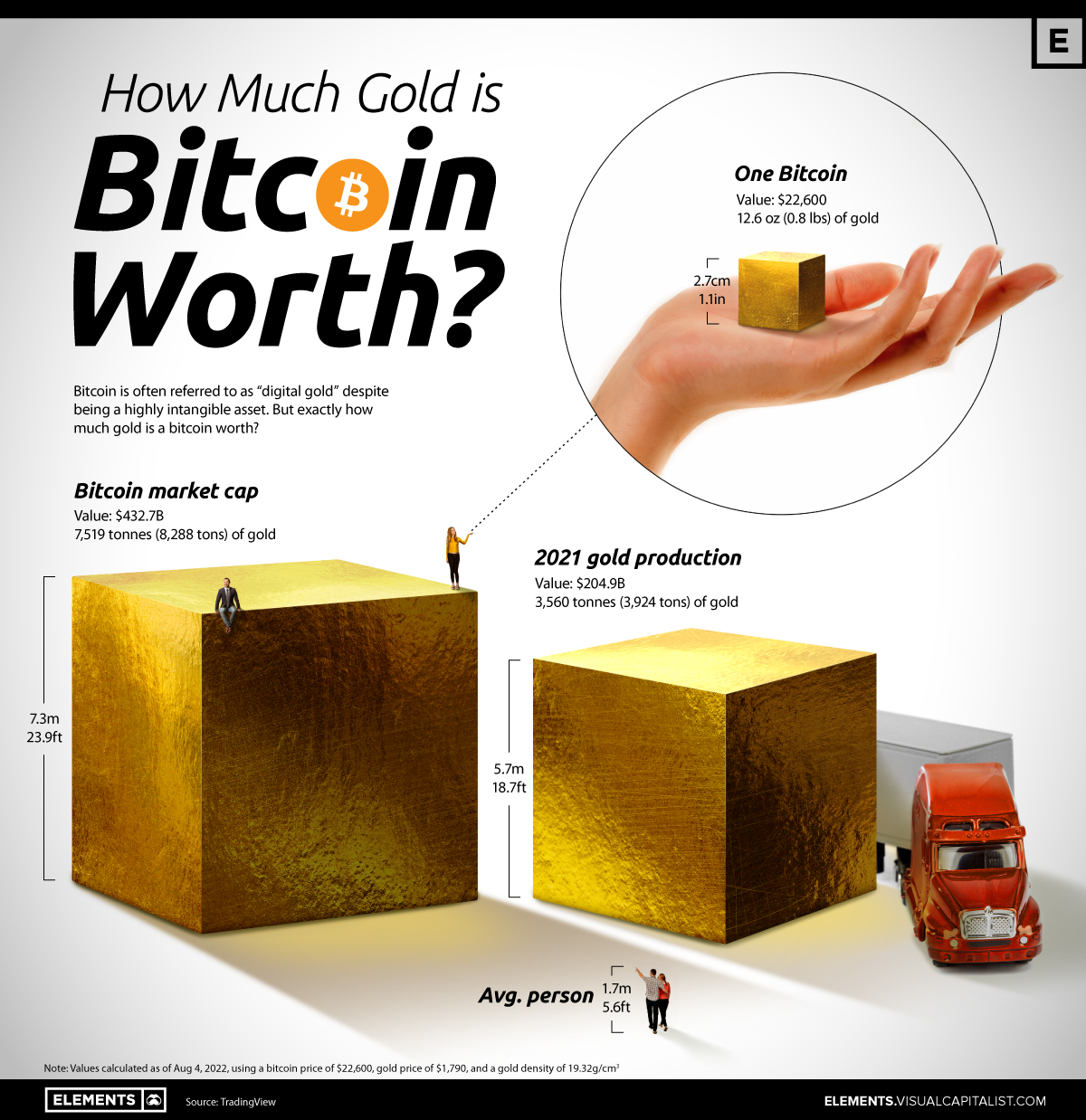
Inflation Hedging: In periods of high inflation, investors often seek alternative assets to protect their wealth. Bitcoin’s fixed supply and decentralized nature lead some to believe it can act as an effective hedge against inflation, similar to gold. When fiat currencies lose purchasing power, assets with inelastic supply tend to appreciate.
-
Interest Rates and Monetary Policy: Central bank decisions on interest rates and quantitative easing/tightening policies can influence risk appetite. Higher interest rates typically make safer, yield-bearing assets more attractive, potentially drawing capital away from speculative assets like Bitcoin. Conversely, loose monetary policies can encourage investment in riskier assets.
-
Geopolitical Instability: Conflicts, sanctions, and political unrest can drive demand for assets perceived as outside the control of national governments. Bitcoin’s censorship resistance and global accessibility can make it an attractive option during such times, acting as a form of digital capital flight.
-
Economic Growth: Periods of strong economic growth can increase disposable income and investor confidence, potentially leading to more investment in growth assets, including Bitcoin. Conversely, recessions can lead to de-risking and sell-offs.
Navigating the Investment Landscape of Bitcoin
For individuals considering Bitcoin as part of their financial strategy, it’s crucial to approach it with a clear understanding of its unique risks and opportunities. Integrating Bitcoin into a personal finance plan requires careful consideration of investment goals, risk tolerance, and time horizons.
Risk vs. Reward: The Speculative Nature of Crypto Investing
Bitcoin, by its very nature, is a speculative investment. Its high volatility means that while it offers the potential for substantial returns, it also carries a significant risk of capital loss. Unlike traditional investments with long histories and established valuation metrics, Bitcoin’s future trajectory is less predictable. Investors must be prepared for steep drawdowns and prolonged bear markets. The “hodl” (hold on for dear life) mantra of many crypto enthusiasts reflects the long-term, high-conviction approach often required to weather these storms. It’s not a get-rich-quick scheme; it’s an investment that demands patience, research, and a strong stomach for risk. Financial advisors often suggest allocating only a small, diversified portion of a portfolio to such high-risk assets—money one can afford to lose.
Portfolio Diversification with Bitcoin
Despite its risk, Bitcoin can play a role in portfolio diversification. Its low correlation with traditional asset classes like stocks and bonds can, in theory, help reduce overall portfolio risk and enhance returns, especially during periods when traditional markets are struggling. When other assets are declining, Bitcoin might move independently, or even appreciate. However, this diversification benefit is not guaranteed, and correlations can shift, particularly during extreme market events. The key is to view Bitcoin as one component of a broader, well-diversified portfolio, rather than the sole investment. A balanced approach ensures that an investor’s overall financial well-being isn’t solely dependent on the performance of a single, volatile asset.
Long-Term vs. Short-Term Investment Strategies
Investors approach Bitcoin with varying time horizons:
-
Long-Term (HODLing): Many investors adopt a long-term strategy, buying Bitcoin and holding it for several years, often through multiple market cycles, with the belief that its value will appreciate significantly over time due to increasing adoption and its fundamental scarcity. This strategy minimizes the impact of short-term volatility and often aligns with the four-year halving cycle. It requires strong conviction and resilience.
-
Short-Term Trading: Other investors engage in short-term trading, attempting to profit from Bitcoin’s daily or weekly price swings. This strategy is highly risky and requires significant market knowledge, technical analysis skills, and emotional discipline. It’s often associated with higher transaction costs and tax implications (e.g., higher short-term capital gains tax rates). For most retail investors, a long-term strategy is generally recommended due to the complexities and stress of short-term trading.
Practical Considerations for Aspiring Bitcoin Investors
Beyond understanding the economic forces, practical financial considerations are paramount for anyone looking to invest in Bitcoin. These involve security, regulatory compliance, and informed decision-making.
Choosing a Reliable Exchange and Wallet
The first practical step is selecting a secure platform to buy, sell, and store Bitcoin.
-
Exchanges: Reputable cryptocurrency exchanges (e.g., Coinbase, Binance, Kraken, Gemini) act as marketplaces. When choosing an exchange, consider factors like regulatory compliance in your jurisdiction, security measures (two-factor authentication, cold storage for assets), fee structures, available trading pairs, and customer support. It’s crucial to select an exchange that prioritizes user asset protection.
-
Wallets: Once purchased, Bitcoin should ideally be moved off the exchange into a personal wallet.
-
Hot Wallets: These are online or software-based wallets (e.g., mobile apps, browser extensions) that are convenient but more susceptible to hacks due to their internet connectivity.
-
Cold Wallets: These are hardware devices (e.g., Ledger, Trezor) that store private keys offline, offering the highest level of security. For significant holdings, cold storage is strongly recommended to protect against cyber theft. Understanding the difference between custodial (exchange holds keys) and non-custodial (you hold keys) wallets is fundamental for managing digital assets responsibly.
-
Understanding Taxes and Regulations on Crypto Gains
The financial landscape for cryptocurrencies is evolving, and tax implications are a critical aspect of Bitcoin ownership. In many jurisdictions, Bitcoin is treated as property for tax purposes, meaning:
-
Capital Gains Tax: Selling Bitcoin for a profit (or using it to purchase goods/services) often triggers capital gains tax. The tax rate can vary depending on how long the Bitcoin was held (short-term vs. long-term).
-
Income Tax: Earning Bitcoin through mining, staking, or as payment for services is typically considered taxable income.
-
Record Keeping: Meticulous record-keeping of all transactions (purchase dates, prices, sale dates, prices, fees) is essential for accurate tax reporting.
-
Evolving Regulations: Regulations are constantly changing, and staying informed about the latest tax laws in your country is vital. Consulting with a tax professional experienced in cryptocurrency is highly advisable to ensure compliance and avoid potential penalties. Failure to report crypto gains can lead to significant legal and financial consequences.
Due Diligence and Informed Decision-Making
Investing in Bitcoin requires thorough due diligence. Relying on social media hype or anecdotal evidence is a recipe for financial loss.
-
Research: Understand Bitcoin’s underlying technology (at a high level), its economic model, market dynamics, and the specific risks involved. Read whitepapers, reputable financial analyses, and independent research.
-
Risk Assessment: Honestly assess your personal risk tolerance. Only invest what you can afford to lose.
-
Education: Continuously educate yourself about the broader cryptocurrency market, emerging trends, and regulatory changes.
-
Long-Term Perspective: Cultivate a long-term perspective. Bitcoin’s journey has been volatile, but its resilience and growth over a decade suggest that patience is a virtue in this space. Avoid impulsive decisions based on short-term price movements.
In conclusion, “how much a Bitcoin is worth” is a multifaceted question with a dynamic answer, deeply rooted in financial principles. Its value is driven by scarcity, demand, utility, market sentiment, and macroeconomic forces. For investors, understanding these drivers, coupled with careful risk management, secure asset management, and adherence to tax regulations, is essential for navigating the exciting yet challenging world of Bitcoin investment. As a pioneering digital asset, Bitcoin continues to redefine our understanding of value, presenting both unprecedented opportunities and significant responsibilities for those who choose to participate in its financial journey.
aViewFromTheCave is a participant in the Amazon Services LLC Associates Program, an affiliate advertising program designed to provide a means for sites to earn advertising fees by advertising and linking to Amazon.com. Amazon, the Amazon logo, AmazonSupply, and the AmazonSupply logo are trademarks of Amazon.com, Inc. or its affiliates. As an Amazon Associate we earn affiliate commissions from qualifying purchases.