
The internet, as we know it, is a vast and complex landscape. We interact with it daily, from browsing news articles and connecting with friends to managing our finances and even learning new skills. But beneath the surface of this everyday web lies another, far more hidden, realm – the Dark Web. And at the heart of this hidden internet are .onion sites, a unique and often misunderstood aspect of digital existence.
You might have encountered the term “.onion” in discussions about privacy, anonymity, or even in hushed tones referencing the more illicit corners of the internet. But what exactly is a .onion site, and why does it exist? This article will delve into the nature of these specialized web addresses, exploring their technical underpinnings, their purpose, and the broader implications of their existence within the digital ecosystem. We’ll also touch upon how the principles behind .onion sites intersect with broader themes of technology, brand identity in the digital age, and the evolving landscape of online income and financial security.

Unveiling the Tor Network: The Foundation of .onion Sites
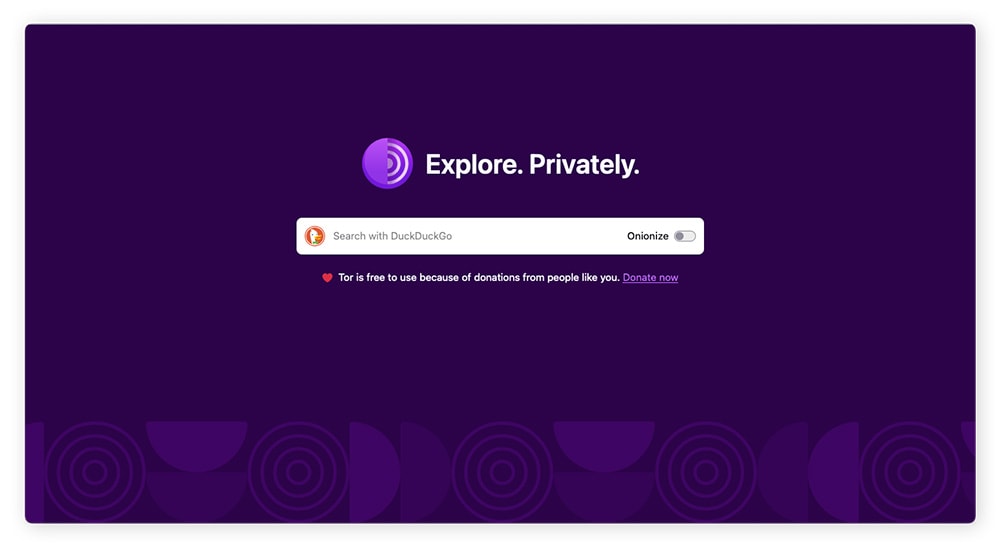
To understand .onion sites, we must first understand the technology that hosts them: the Tor network. Tor, an acronym for “The Onion Router,” is a free and open-source software that enables anonymous communication online. Its core principle is to encrypt and then send internet traffic through a voluntary overlay network consisting of thousands of relays.
The Layered Encryption: Why it’s Called “Onion”
The name “Tor” isn’t just a catchy moniker; it perfectly describes how the network functions. Imagine an onion with multiple layers. When your data travels through the Tor network, it’s wrapped in layers of encryption. Each relay node in the network only knows the IP address of the previous and next node. It decrypts one layer of encryption to discover where to send the data next, but it cannot see the original data or the ultimate destination. This multi-layered approach effectively anonymizes the origin and destination of the traffic.
Hidden Services: The Birthplace of .onion Addresses
Within the Tor network, there’s a concept called “Hidden Services.” These are servers that can only be accessed from within the Tor network, and they don’t have their IP addresses publicly advertised. Instead, they are assigned a unique .onion address. This design inherently provides a high degree of anonymity for both the server operator and the users accessing the site. Because the server is only accessible through the Tor network and its location is obfuscated, it becomes incredibly difficult to pinpoint its physical location or identify the person running it.
How .onion Addresses are Generated
A .onion address is not registered in the traditional way like a .com or .org domain. Instead, it’s mathematically derived from the public key of the server. When a Tor Hidden Service is set up, it generates a pair of cryptographic keys (public and private). The .onion address is essentially a shorthand representation of the server’s public key. This means that the .onion address itself serves as a form of proof of identity, as only the operator with the corresponding private key can control the service associated with that address. This cryptographic link between the address and the server is a crucial element of the security and anonymity provided by .onion sites.
The Purpose and Utility of .onion Sites: Beyond the Shadows
While the association of .onion sites with illicit activities is undeniable, their functionality extends far beyond the illegal. The anonymity and security they offer are invaluable for legitimate purposes, particularly for those who face censorship, surveillance, or require a secure communication channel.
Freedom of Expression and Whistleblowing
For journalists, activists, and whistleblowers in repressive regimes, .onion sites offer a vital lifeline. They can host uncensored news platforms, provide secure channels for submitting sensitive information, and allow individuals to communicate without fear of reprisal. The anonymity inherent in .onion sites shields them from government surveillance and the risks associated with dissenting voices. Major news organizations like the BBC and The New York Times even maintain .onion versions of their websites to ensure access for users in countries where their regular domains might be blocked or monitored.
Secure Communication and Privacy-Conscious Services
Beyond major institutions, many individuals and smaller groups utilize .onion sites for enhanced privacy and security. This can include:
- Encrypted Email Services: Providing a more secure and anonymous way to send and receive emails.
- Forums and Discussion Boards: Creating spaces for open discussion on sensitive topics without the risk of doxxing or surveillance.
- Secure File Sharing: Offering a protected environment for sharing sensitive documents.
- Anonymous Social Networks: Platforms designed for users who prioritize anonymity in their online interactions.

The Dark Side: Illicit Marketplaces and Criminal Activity
It would be disingenuous to ignore the well-publicized use of .onion sites for illegal activities. The anonymity offered by the Tor network makes it an attractive haven for:
- Illegal Marketplaces: Selling drugs, stolen data, counterfeit goods, and other prohibited items.
- Cybercrime Forums: Where hackers and criminals exchange information, tools, and services.
- Distribution of Malicious Content: Hosting and distributing malware, ransomware, and other harmful software.
The very features that empower legitimate users also, unfortunately, empower those with malicious intent. Law enforcement agencies globally are constantly working to identify and dismantle these illegal operations, though the decentralized and anonymous nature of .onion sites presents significant challenges.
The Broader Implications: Technology, Brand, and Money in the .onion Ecosystem
The existence and use of .onion sites have ripple effects across the technological, branding, and financial landscapes, even for those who never venture into the Dark Web.
Technology Trends: Decentralization and Privacy by Design
The principles behind .onion sites – decentralization, end-to-end encryption, and privacy by design – are increasingly influencing mainstream technology. Concepts like decentralized applications (dApps), blockchain technology, and a growing emphasis on user data privacy in app development can be seen as distant echoes of the need for robust anonymity that .onion sites represent. As the digital world grapples with issues of data breaches, surveillance capitalism, and the concentration of power in the hands of a few tech giants, the demand for more secure, private, and user-controlled digital infrastructure grows. .onion sites, in their own way, highlight the ongoing pursuit of these ideals.
Brand Identity: Navigating Trust and Perception
For legitimate organizations operating .onion sites, building a brand identity is a complex undertaking. On one hand, the association with the Dark Web can cast a shadow of suspicion. On the other, for their target audience, the .onion presence signifies a commitment to privacy, security, and potentially, a defiance of conventional internet structures.
A well-executed .onion site requires a careful balance: the technical functionality must be robust, and the user experience, while potentially stripped down due to the nature of the network, should still be clear and trustworthy. The brand messaging needs to clearly articulate the purpose and value proposition, emphasizing security and privacy as core tenets. Case studies of how organizations like the BBC have successfully integrated .onion services demonstrate that it is possible to build trust and a distinct brand within this hidden ecosystem by prioritizing transparency about their intentions and commitment to user safety.
Money and Online Income: The Double-Edged Sword of Anonymity
The financial implications of .onion sites are equally dual-natured.
- For Legitimate Users: The anonymity provided can be crucial for individuals engaged in sensitive online work or those seeking to earn income in environments where traditional financial institutions might be inaccessible or pose privacy risks. Secure, anonymous payment gateways can be integrated into .onion services, allowing for transactions that offer a higher degree of privacy than standard online payments.
- For Illicit Operations: The Dark Web is unfortunately a fertile ground for illegal financial activities. This includes the use of cryptocurrencies like Bitcoin and Monero to facilitate anonymous transactions for illegal goods and services. The challenge for financial regulation and law enforcement is to track and disrupt these illicit financial flows without infringing on the privacy of legitimate users of anonymous digital currencies or services.
The ongoing evolution of digital finance, including privacy-focused cryptocurrencies and decentralized finance (DeFi), reflects a broader societal interest in more secure and private financial transactions. While some of this innovation is driven by legitimate needs for financial autonomy and security, the existence of .onion marketplaces serves as a stark reminder of the dark underbelly that can emerge when anonymity is exploited for criminal gain.
The Future of .onion Sites and the Evolving Internet
The landscape of the internet is constantly shifting. As technology advances and societal needs evolve, so too will the role and perception of .onion sites.
While the Dark Web will likely continue to be a space for both legitimate and illicit activities, the underlying technologies and principles of anonymity and privacy are becoming more mainstream. We are seeing a growing demand for privacy-preserving applications, decentralized communication tools, and more secure online environments.
Whether you are a privacy advocate, a cybersecurity professional, a journalist, or simply curious about the hidden corners of the digital world, understanding what a .onion site is and the technology behind it provides valuable insight into the ongoing dialogue about privacy, security, and freedom of expression in our increasingly connected world. These hidden addresses, born out of a need for anonymity, serve as a constant reminder of the intricate balance between innovation, empowerment, and the potential for exploitation in the digital age.
aViewFromTheCave is a participant in the Amazon Services LLC Associates Program, an affiliate advertising program designed to provide a means for sites to earn advertising fees by advertising and linking to Amazon.com. Amazon, the Amazon logo, AmazonSupply, and the AmazonSupply logo are trademarks of Amazon.com, Inc. or its affiliates. As an Amazon Associate we earn affiliate commissions from qualifying purchases.