
The abbreviation “oz” is one of the most frequently encountered units of measurement in everyday life. From the ingredients listed in a recipe to the weight of a new gadget, ounces pepper our instructions, specifications, and product descriptions. Yet, for many, the precise meaning and conversion of this seemingly simple unit can be a source of mild confusion, especially when confronted with different contexts. Is 1 oz always the same? What does it actually mean? This article dives deep into the multifaceted world of ounces, exploring their various interpretations and equivalencies across different domains, with a particular focus on how understanding these measurements can intersect with our interests in technology, branding, and money.
Understanding the Ounce: More Than Just a Weight
At its core, the ounce (oz) is a unit of mass, but its interpretation can shift depending on whether we’re talking about the Imperial system (commonly used in the United States) or the metric system. This distinction is crucial for accurate understanding and practical application, whether you’re a baker measuring flour, a tech enthusiast comparing the weight of two smartphones, or a marketer assessing the packaging of a new product.
Imperial Ounces: A Tale of Two Systems
When we typically encounter “oz” in the US, we are most likely dealing with the avoirdupois ounce. This is the standard unit of mass used for most everyday items.
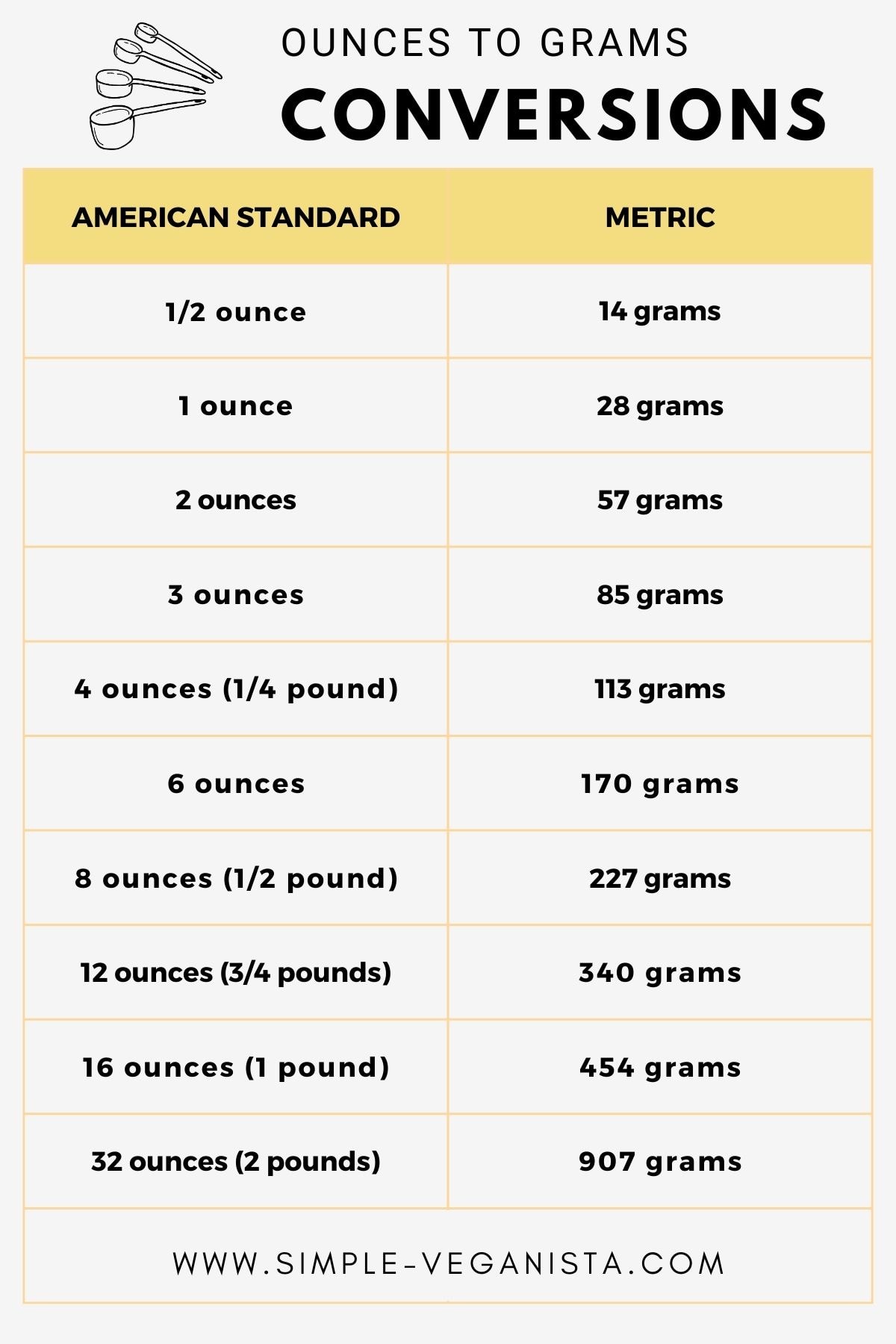
- Avoirdupois Ounce: This is the most common ounce and is defined as 1/16th of a pound.
- 1 avoirdupois ounce ≈ 28.35 grams
- 1 pound = 16 avoirdupois ounces
This is the ounce you’ll find on food packaging, in recipes, and when discussing the weight of consumer goods. For instance, a standard chocolate bar might weigh 1.55 oz. A can of soda is typically 12 fl oz (fluid ounces, which we’ll discuss shortly).
However, there’s another, less common ounce used in the Imperial system: the troy ounce.
- Troy Ounce: This unit is specifically used for precious metals and gemstones. It’s historically rooted and has a slightly different weight than its avoirdupois cousin.
- 1 troy ounce ≈ 31.10 grams
- 1 troy pound = 12 troy ounces
The distinction between avoirdupois and troy ounces is vital. If you’re discussing the weight of gold, silver, or platinum, the troy ounce is the standard. If you’re weighing your new drone or measuring out baking ingredients, it’s the avoirdupois ounce. This difference might seem small, but in the financial world, particularly with commodities, it can have significant implications.
Fluid Ounces: Measuring Volume, Not Weight
This is where much of the common confusion arises. The “fl oz” or “fluid ounce” is a unit of volume, not weight. It measures how much space a liquid occupies. While related by density, a fluid ounce of water will have a different weight than a fluid ounce of oil or honey.
- US Fluid Ounce:
- 1 US fluid ounce ≈ 29.57 milliliters (ml)
- 1 US cup = 8 US fluid ounces
- 1 US pint = 16 US fluid ounces
- 1 US quart = 32 US fluid ounces
- 1 US gallon = 128 US fluid ounces
The US fluid ounce is the standard for liquids in the United States. When you see a bottle of juice or a carton of milk labeled with ounces, it’s almost certainly referring to fluid ounces.
- Imperial Fluid Ounce: The UK and other Commonwealth countries historically used a slightly different Imperial fluid ounce, which is a bit larger than its US counterpart.
- 1 Imperial fluid ounce ≈ 28.41 milliliters (ml)
While the difference between US and Imperial fluid ounces is minor, it’s another point of divergence to be aware of, especially when dealing with international recipes or product specifications.
Ounces in Technology: Weight, Size, and Performance
In the realm of technology, ounces primarily come into play when discussing the physical dimensions and weight of devices. This is a critical factor for portability, user experience, and even the perception of quality.
Gadgets and Portability: The Weight Factor
Manufacturers often tout the lightness of their devices as a key selling point. For smartphones, laptops, tablets, and wearables, every ounce shaved off can translate into a more comfortable and convenient user experience.
- Smartphones: A premium smartphone might weigh around 5 to 7 ounces (approximately 140 to 200 grams). The feeling of a device in your hand is significantly influenced by its weight. A lighter phone is easier to hold for extended periods, and a heavier one might convey a sense of durability or premium build.
- Laptops: Ultrabooks are designed for portability, with many weighing in under 3 pounds (which is 48 ounces avoirdupois). A difference of even a few ounces can be noticeable when carrying a laptop in a backpack all day.
- Wearables: Smartwatches and fitness trackers are expected to be unobtrusive. Their weight is measured in mere ounces, often less than 2 oz, to ensure they don’t interfere with daily activities or sleep tracking.
Understanding these weights can be crucial when comparing different models or researching new tech. It’s not just about raw specifications; it’s about how those specifications translate into real-world usability. For example, when looking at reviews, you’ll often see discussions about a laptop’s “carry weight,” where even a few ounces can make a difference for frequent travelers.

Packaging and Shipping: The Business of Bytes
Beyond the devices themselves, ounces are also relevant to the packaging and shipping of technology products.
- Packaging Weight: The materials used to package electronics, from the cardboard box to the foam inserts, contribute to the overall shipping weight. Manufacturers meticulously calculate these weights to optimize logistics and reduce shipping costs, which can ultimately influence the final price of a product.
- Shipping Costs: For online retailers and consumers, shipping costs are often calculated based on weight and dimensions. Understanding the ounce equivalency of a package can help in estimating these costs. A difference of a few ounces might not seem like much, but across thousands of shipments, it can add up significantly.
Ounces in Branding: Perceived Value and Consumer Experience
In the world of brand strategy and marketing, ounces are not just about literal measurement; they can influence perceived value, quality, and consumer experience.
Product Packaging: More Than Meets the Eye
The way a product is presented, including its size and weight, is a critical component of its branding.
- Premium Products: Often, premium products are presented in heavier, more substantial packaging. This tactile experience can subconsciously convey a sense of quality, luxury, and durability. A skincare product in a glass jar weighing several ounces might feel more luxurious than one in a lightweight plastic tube.
- Convenience and Portability: For on-the-go products, like travel-sized toiletries or single-serving snacks, lightness and compactness are key. Brands will highlight these features, and the ounce measurement becomes a shorthand for convenience.
- Food and Beverage: The weight of food and beverage items directly impacts consumer perception. A larger ounce count might suggest more value, while a smaller, more precisely measured ounce might suggest exclusivity or a focus on quality ingredients. For instance, a gourmet chocolate bar at 3 oz might be positioned differently than a bulk candy bar at 10 oz.
Brand Messaging: The Power of Numbers
The way ounce measurements are communicated in marketing materials can subtly influence consumer perception.
- “Lightweight Design”: This phrase, often used in tech and consumer goods, directly implies ease of use and portability. Companies might highlight a device weighing just “under 10 ounces” to emphasize its sleekness.
- “Generous Serving Size”: For food products, a higher ounce count for a serving can be marketed as a benefit, suggesting a satisfying and filling experience.
- Precision and Quality: In the case of precious metals, the troy ounce is the standard. Brands dealing in gold or silver will emphasize purity and weight in troy ounces, reinforcing the idea of high value and accurate measurement.
Ounces in Money: Precious Metals, Investments, and Online Income
The concept of ounces, particularly troy ounces, is intrinsically linked to the financial world, impacting investments, commodities, and even how businesses operate.
Investing in Precious Metals: The Troy Ounce Standard
As mentioned, the troy ounce is the universal standard for pricing and trading precious metals like gold, silver, platinum, and palladium.
- Gold Prices: The price of gold is almost always quoted per troy ounce. When you hear about the “spot price of gold,” it refers to the current market price for one troy ounce of pure gold.
- Silver and Platinum: Similarly, silver and platinum are priced and traded in troy ounces. A silver coin might be minted with a weight of 1 troy ounce.
- Understanding Investment Value: Knowing the weight in troy ounces is fundamental to understanding the intrinsic value of these assets. If you buy an ounce of gold, you are buying a specific quantity of a tangible commodity whose value fluctuates based on market demand, economic factors, and geopolitical events.
Business Finance and Product Costing
For businesses, understanding ounce equivalencies is crucial for cost management, pricing strategies, and profit margins.
- Raw Material Costs: Businesses that use raw materials measured in ounces (e.g., food manufacturers, cosmetic companies, jewelry makers) need to accurately track their inventory and costs. A slight fluctuation in the price of an ingredient per ounce can have a ripple effect on profitability.
- Product Pricing: The cost of raw materials directly influences the selling price of a product. If a company sources ingredients by the pound (which is 16 ounces), they need to understand the cost per ounce to set competitive and profitable prices.
- Online Income and E-commerce: For sellers on platforms like Etsy or Amazon, where handmade goods or specialized items are sold, accurate weight measurements (including ounces) are essential for calculating shipping costs, which are a significant factor in online revenue and customer satisfaction. Miscalculating shipping weight by even a few ounces can lead to unexpected costs or undercharging.
Financial Tools and Calculators
Many financial tools and investment platforms provide real-time data on commodity prices, often displayed per troy ounce. Understanding what “1 oz” refers to in this context is essential for making informed investment decisions. Whether you’re tracking the price of gold futures or evaluating the value of a silver ETF, knowing the underlying unit of measurement is paramount.

Conclusion: The Ubiquitous Ounce and Your World
From the intricate world of technology where every ounce can impact portability, to the nuanced strategies of branding where weight can signify quality, and to the concrete realities of finance where troy ounces define the value of precious metals, the ounce is a constant companion. It’s a unit that bridges the gap between the abstract and the tangible, influencing our purchasing decisions, our technological experiences, and our financial well-being.
By understanding the different types of ounces – the avoirdupois ounce for everyday weight, the troy ounce for precious metals, and the fluid ounce for volume – we equip ourselves with a more precise understanding of the world around us. This knowledge, seemingly simple, empowers us to make better choices, whether we’re buying a new gadget, evaluating an investment, or simply trying to follow a recipe. The next time you encounter “1 oz,” you’ll know it’s not just a number, but a gateway to understanding weight, volume, value, and a myriad of fascinating connections across technology, branding, and money.
aViewFromTheCave is a participant in the Amazon Services LLC Associates Program, an affiliate advertising program designed to provide a means for sites to earn advertising fees by advertising and linking to Amazon.com. Amazon, the Amazon logo, AmazonSupply, and the AmazonSupply logo are trademarks of Amazon.com, Inc. or its affiliates. As an Amazon Associate we earn affiliate commissions from qualifying purchases.