
To understand the modern landscape of American business finance, one must look toward the mid-19th century, a period defined by westward expansion, the discovery of precious metals, and the desperate need for a reliable way to move capital across a vast, untamed continent. When consumers and investors ask “what was Wells Fargo before,” they are often surprised to find that the banking titan of today did not begin as a traditional brick-and-mortar financial institution. Instead, it was a high-stakes logistics and express delivery firm—essentially the 19th-century equivalent of a combined FedEx and encrypted wire-transfer service.
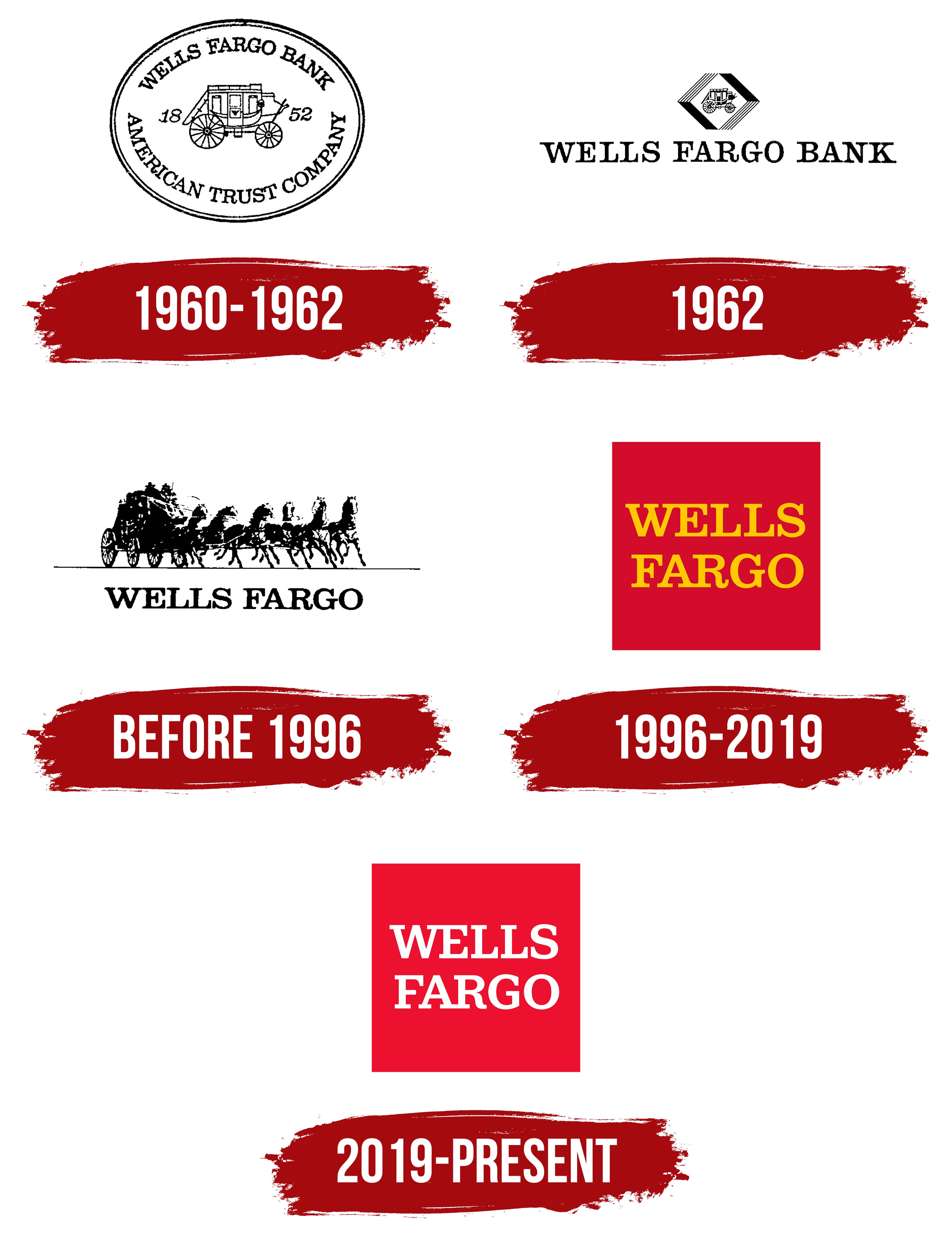
The journey from a frontier stagecoach company to a global financial services provider is a masterclass in business adaptation. It reflects the broader history of the American economy, transitioning from the physical movement of gold dust to the digital management of multi-trillion-dollar portfolios.
The Stagecoach Era: A Dual Legacy of Banking and Express Delivery
In 1852, Henry Wells and William G. Fargo founded Wells, Fargo & Co. in New York City. Both men were already veterans of the express business, having helped establish American Express. However, they saw a unique opportunity in California, which was then in the throes of the Gold Rush. While other financial entrepreneurs were hesitant to bridge the gap between the East Coast and the Pacific, Wells and Fargo recognized that the primary obstacle to economic growth in the West was the lack of reliable transport for both information and wealth.
Henry Wells and William G. Fargo: The Founding Visionaries
The founders understood that in a frontier economy, trust was the most valuable currency. Before Wells Fargo became a bank, it was an “express” company. This meant they provided a vital link between the gold mines of the Sierra Nevada and the financial hubs of the East. Their business model was twofold: they would transport anything from letters to gold bullion, and they would provide “banking” services by buying gold dust and issuing paper drafts that could be redeemed elsewhere.
This hybrid model was revolutionary for the time. By combining logistics with finance, they solved the liquidity problem for miners and merchants. If a miner had raw gold, it was useless for purchasing goods in New York until it was transported and refined. Wells Fargo stepped in as the intermediary, providing immediate value for the physical asset and managing the risk of transport.
The Gold Rush Catalyst and the Western Frontier
The “before” version of Wells Fargo was inseparable from the image of the stagecoach. These coaches were not just vehicles; they were mobile vaults. At a time when the United States lacked a unified national banking system, Wells Fargo acted as a de facto central bank for the West. They established offices in tiny mining camps and burgeoning cities like San Francisco, offering a sense of stability in a volatile environment.
The company’s ability to survive the financial panic of 1855, which wiped out many of its competitors, solidified its reputation. While other banks failed due to over-leverage and poor risk management, Wells Fargo’s focus on the physical security of assets and conservative financial practices allowed it to emerge as the dominant financial force in the Pacific region.
The Great Separation: From Logistics to Pure Banking
As the 19th century drew to a close, the advent of the transcontinental railroad and the expansion of the U.S. Postal Service began to disrupt the express delivery model. The company faced a strategic crossroads: continue as a logistics firm or pivot entirely into the burgeoning world of commercial and retail banking.
The 1905 Merger and the Rise of Commercial Banking
A pivotal moment in the company’s history occurred in 1905 when Wells Fargo’s banking operations were formally separated from its express business. The banking side of the firm merged with the Nevada National Bank to form the Wells Fargo Nevada National Bank. This was the first major step toward the modern corporate structure we recognize today.
This era marked the transition from “frontier finance” to “corporate finance.” The company began focusing on supporting the industrialization of the West, providing capital for massive infrastructure projects, agriculture, and the growing oil industry. The “express” side of the business continued to operate independently for a time, but the regulatory shifts during World War I eventually forced the consolidation of all express companies into a single entity, effectively ending Wells Fargo’s life as a delivery service and cementing its future as a financial powerhouse.

The Survival and Consolidation During the Great Depression
The 1920s and 30s were a testing ground for the stability of American banks. While thousands of institutions collapsed during the Great Depression, Wells Fargo utilized its deep capital reserves and conservative lending history to remain solvent. This period was critical because it allowed the bank to acquire smaller, struggling institutions, a pattern of growth through acquisition that would define its strategy for the next century. By the mid-20th century, Wells Fargo had transformed from a regional California bank into a major player in the Western United States, preparing for its eventual push toward national status.
Mergers and Acquisitions: Building the Modern Super-Bank
The Wells Fargo we see today is the result of a series of “reverse takeovers” and strategic mergers that fundamentally altered its DNA. If the 19th century was about establishing trust, the late 20th century was about achieving scale.
The Norwest Merger: A Reverse Takeover
One of the most significant events in the history of the firm occurred in 1998, when Wells Fargo merged with Norwest Corporation, a diversified financial services company based in Minneapolis. Although the combined entity kept the Wells Fargo name because of its legendary brand recognition and historical prestige, it was technically Norwest that acquired Wells Fargo.
This merger was a turning point for the bank’s business model. Norwest brought a sophisticated “cross-selling” strategy and a heavy focus on retail banking and mortgages. The “new” Wells Fargo moved away from being a purely commercial and regional bank and began its trajectory toward becoming one of the “Big Four” banks in the United States. This era saw the bank aggressively expanding its footprint into the Midwest and Southeast, diversifying its revenue streams across insurance, investments, and consumer credit.
Wachovia and the 2008 Financial Crisis
The 2008 financial crisis reshaped the entire global banking sector, and Wells Fargo was at the center of this transformation. While many of its peers were facing insolvency due to subprime mortgage exposure, Wells Fargo’s relatively stronger balance sheet allowed it to acquire Wachovia in a deal that stunned the financial world.
Before the Wachovia acquisition, Wells Fargo had a limited presence on the East Coast. Overnight, the merger turned it into a coast-to-coast powerhouse. The acquisition doubled the bank’s branch network and significantly increased its assets under management. It was no longer just a “Western bank”; it was a national institution with a presence in nearly every major American market. This move was the final step in the long evolution from a stagecoach company to a “universal bank” that offers everything from basic checking accounts to complex investment banking services.
The Digital Transformation and Modern Financial Identity
In the current era, the question of what Wells Fargo was before has taken on a new meaning. As the industry moves away from physical branches and toward fintech, the bank is undergoing another fundamental shift. The company is currently reinventing itself as a tech-forward financial platform, prioritizing digital security and mobile accessibility.
Shifting from Physical Branches to Fintech Integration
The modern financial landscape demands more than just a large physical footprint. Wells Fargo is currently investing billions into its digital infrastructure to compete with both traditional rivals and agile fintech startups. This involves the deployment of AI-driven personal finance tools, enhanced API integrations for business clients, and a complete overhaul of its mobile banking interface.
The shift toward “Banking as a Service” (BaaS) represents the latest chapter in the company’s evolution. Just as the stagecoach once provided the physical infrastructure for commerce in the 1850s, the bank’s digital APIs now provide the financial infrastructure for modern e-commerce and mobile apps.

Lessons in Corporate Governance and Rebuilding Trust
The path from a 19th-century express company to a 21st-century financial giant has not been without significant challenges. In recent years, the bank has had to confront issues regarding corporate culture and sales practices. This period has necessitated a return to the foundational principles of the 1852 era: the absolute necessity of trust.
Today, the bank’s strategy is focused on “the basics”—strengthening risk management, simplifying the business model by divesting non-core assets (such as its asset management and railcar leasing businesses), and focusing on core consumer and commercial banking. This return to a more focused financial model mirrors the 1905 split, where the company realized it had to choose a specific path to excel.
As Wells Fargo continues to navigate the complexities of the modern economy, its history serves as a reminder that the most successful financial institutions are those capable of radical transformation. What started as a two-man operation moving gold dust by horse and carriage has become a cornerstone of the global financial system, proving that while the methods of moving money change, the fundamental need for reliable financial intermediation remains constant.
aViewFromTheCave is a participant in the Amazon Services LLC Associates Program, an affiliate advertising program designed to provide a means for sites to earn advertising fees by advertising and linking to Amazon.com. Amazon, the Amazon logo, AmazonSupply, and the AmazonSupply logo are trademarks of Amazon.com, Inc. or its affiliates. As an Amazon Associate we earn affiliate commissions from qualifying purchases.