
Navigating the landscape of retirement savings can feel like deciphering a complex financial code. Among the most fundamental tools for individual retirement planning are Individual Retirement Arrangements (IRAs). Far from being a one-size-fits-all solution, IRAs come in several forms, each with distinct rules, benefits, and implications for your financial future. Understanding which IRA aligns best with your personal circumstances, income level, tax situation, and long-term goals is a crucial step towards securing a comfortable retirement. This comprehensive guide will dissect the various IRA options, illuminate the factors that should guide your decision, and help you chart a clear path to choosing the retirement vehicle that truly works best for you.
Understanding the Core IRA Options
Before you can choose the best IRA, you must first understand the primary types available. Each offers unique advantages regarding tax treatment, contribution limits, and withdrawal rules, making them suitable for different financial profiles.
Traditional IRA: Pre-Tax Contributions, Tax-Deferred Growth
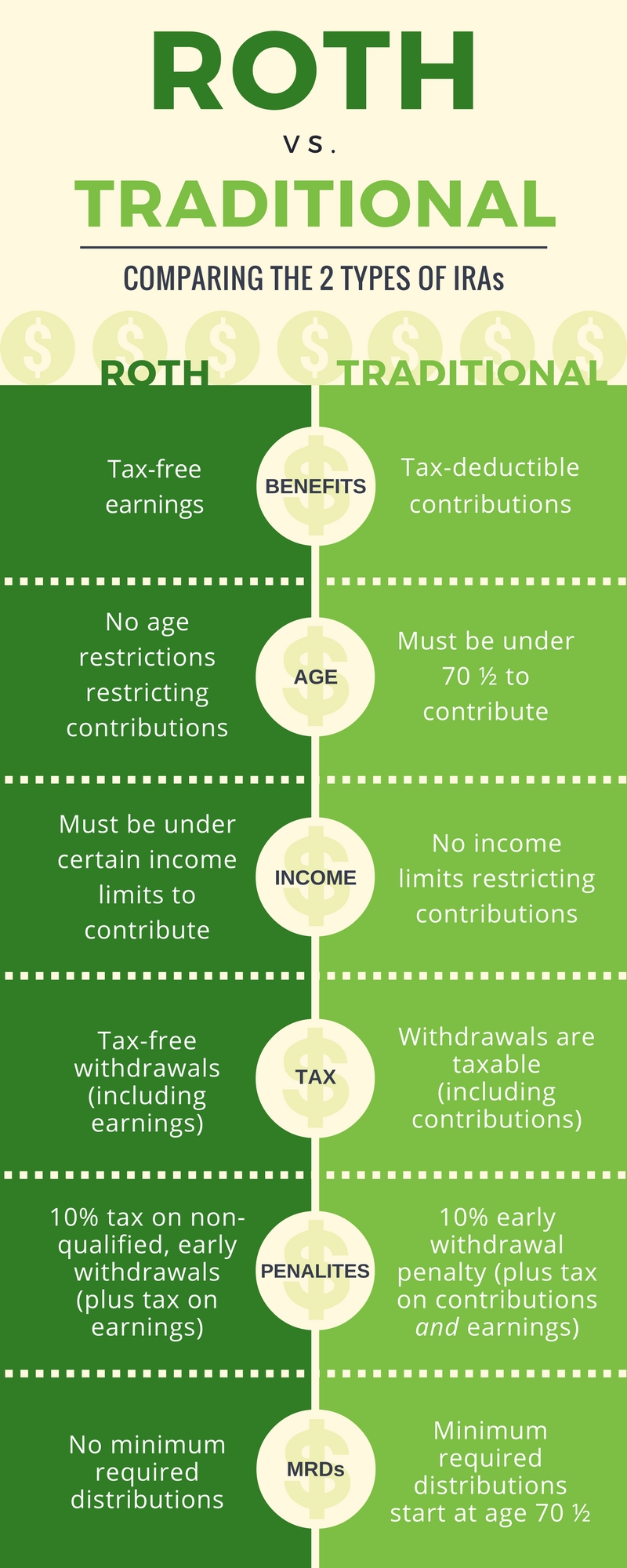
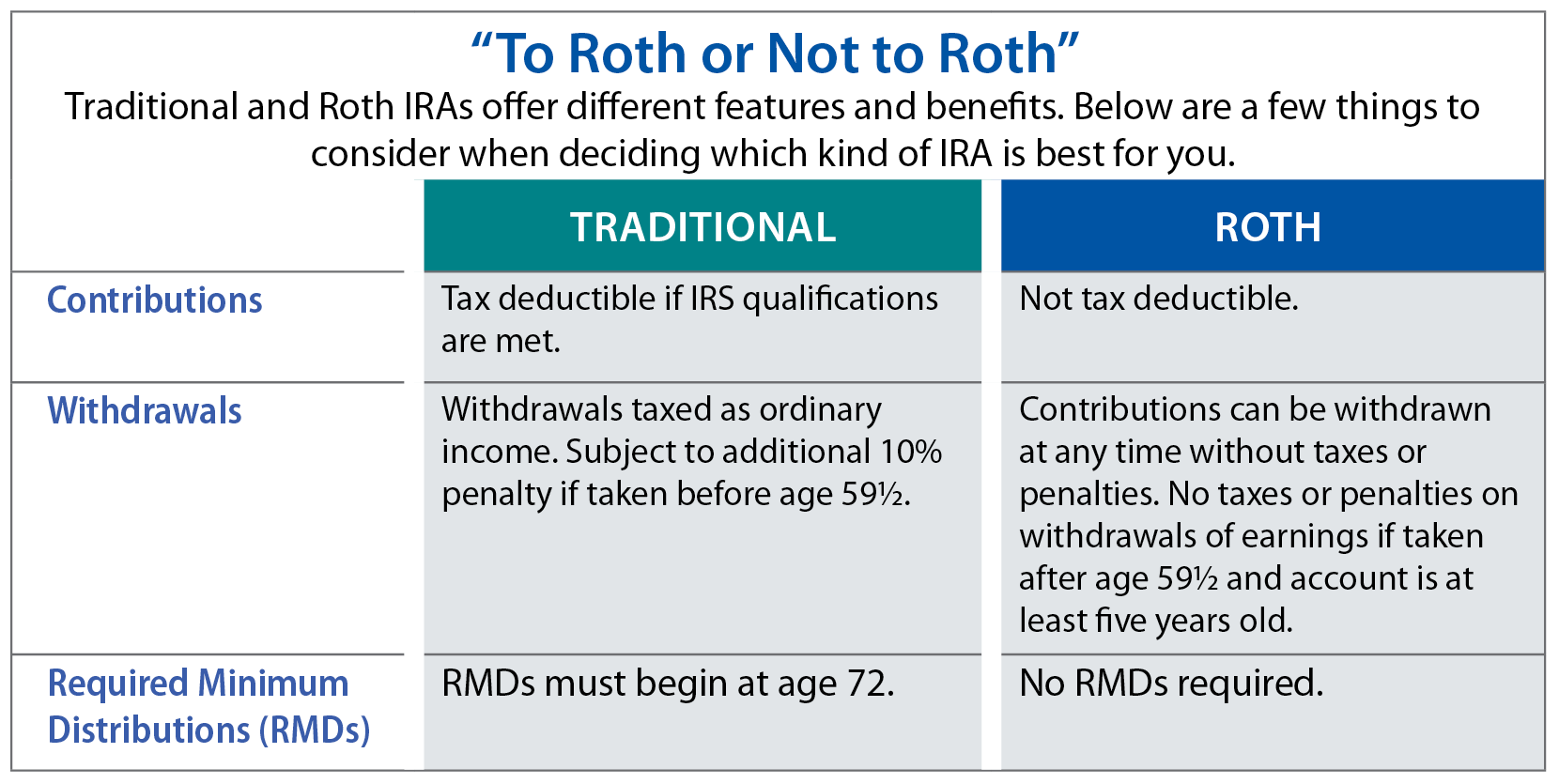
The Traditional IRA is perhaps the most classic retirement savings vehicle. Contributions made to a Traditional IRA are often tax-deductible in the year they are made, meaning they reduce your taxable income now. Your investments then grow tax-deferred until retirement. This means you don’t pay taxes on capital gains or dividends year-over-year. When you withdraw funds in retirement (typically after age 59½), both your contributions and earnings are taxed as ordinary income. The primary benefit here is the potential for an immediate tax break and the deferral of taxes until a time when you might be in a lower tax bracket. However, required minimum distributions (RMDs) generally begin at age 73 (as of 2023).
Roth IRA: After-Tax Contributions, Tax-Free Withdrawals
The Roth IRA stands in direct contrast to the Traditional IRA regarding tax treatment. Contributions to a Roth IRA are made with after-tax dollars, meaning you don’t get an upfront tax deduction. The magic of the Roth IRA lies in its tax-free withdrawals in retirement. All qualified distributions—contributions and earnings—are completely free of federal income tax (and often state tax) once you meet two conditions: you’ve had the account for at least five years, and you are age 59½ or older, disabled, or using the funds for a qualified first-time home purchase (up to $10,000 lifetime limit). This makes the Roth particularly appealing if you anticipate being in a higher tax bracket in retirement than you are today. Another significant advantage is that Roth IRAs do not have RMDs for the original owner.
SEP IRA: For Self-Employed and Small Business Owners
A Simplified Employee Pension (SEP) IRA is specifically designed for self-employed individuals and small business owners. It allows employers to contribute to their own retirement and their employees’ retirement accounts. The contributions are tax-deductible for the employer (the business owner is effectively their own employer), and the funds grow tax-deferred. Contribution limits are significantly higher than those for Traditional or Roth IRAs, making it an excellent choice for those with substantial self-employment income who want to save a significant portion of it. However, only the employer can contribute, not the employee (unless the employee is also the employer).
SIMPLE IRA: Another Option for Small Businesses
The Savings Incentive Match Plan for Employees (SIMPLE) IRA is another retirement plan option for small businesses (typically with 100 or fewer employees) that is less complex and less expensive to administer than a 401(k). Both employees and employers can contribute to a SIMPLE IRA. Employees can make pre-tax salary deferral contributions, and employers are required to either make matching contributions (up to 3% of the employee’s compensation) or non-elective contributions (2% of compensation for all eligible employees). Like SEP IRAs, contributions are tax-deductible for the employer, and funds grow tax-deferred. While contribution limits are lower than a SEP IRA, they are still higher than individual Traditional/Roth IRAs, and it encourages employee participation through employer matching.
Key Factors Influencing Your IRA Choice
Selecting the optimal IRA isn’t just about understanding the differences; it’s about evaluating how those differences align with your personal financial landscape. Several critical factors will guide you toward the most advantageous choice.
Your Current Income Level and Tax Bracket
Your current income is a primary determinant. If you’re in a high tax bracket today, the upfront tax deduction of a Traditional IRA can be very appealing, as it reduces your current tax burden. Conversely, if you’re in a lower tax bracket now (perhaps early in your career or during a period of lower earnings), a Roth IRA might be more strategic. You pay taxes now at a lower rate, securing tax-free income in retirement when you might be earning more and thus be in a higher tax bracket. Furthermore, Roth IRAs have income limitations that can prevent high-income earners from contributing directly, necessitating strategies like the “backdoor Roth” if applicable.
Your Anticipated Future Tax Bracket
This is a speculative but crucial factor. Do you expect your income to be higher in retirement than it is today? If so, the tax-free withdrawals of a Roth IRA would be incredibly valuable, shielding a potentially larger income stream from future taxation. If you anticipate a lower income (and thus a lower tax bracket) in retirement, deferring taxes with a Traditional IRA might make more sense, allowing you to pay taxes on withdrawals at a lower rate in the future. This “tax diversification” can be a powerful strategy.
Contribution Limits and Income Phase-Outs
Each IRA type comes with specific annual contribution limits set by the IRS, which are adjusted periodically for inflation. For Traditional and Roth IRAs, these limits are combined (e.g., if you contribute the maximum to a Traditional, you cannot contribute more to a Roth in the same year, and vice-versa). Roth IRAs also have income phase-out ranges; if your modified adjusted gross income (MAGI) exceeds certain thresholds, your ability to contribute directly to a Roth IRA is reduced or eliminated. SEP and SIMPLE IRAs, designed for business owners, have significantly higher contribution limits, allowing for much larger annual savings. Understanding these limits and phase-outs is essential to ensure you are eligible and maximizing your savings potential.
Accessing Funds Before Retirement (Withdrawal Rules)
While the primary goal of an IRA is retirement savings, life happens. Withdrawal rules differ between IRA types. Traditional IRA withdrawals before age 59½ are generally subject to a 10% early withdrawal penalty in addition to regular income tax, with limited exceptions (e.g., qualified higher education expenses, first-time home purchase, unreimbursed medical expenses). Roth IRAs offer more flexibility; you can withdraw your contributions at any time, for any reason, tax-free and penalty-free, as they were already taxed. Only earnings are subject to the 5-year rule and age 59½ rule for tax-free withdrawal. This flexibility can be a significant draw for those who want a retirement account with an accessible emergency fund component.
Employer-Sponsored Plans (401k, etc.) vs. IRAs
It’s important to consider how an IRA fits into your overall retirement strategy, especially if you have access to an employer-sponsored plan like a 401(k), 403(b), or 457(b). Often, the first priority should be contributing enough to your employer’s plan to capture any matching contributions, as this is essentially “free money.” After that, you might then prioritize an IRA, especially if your employer’s plan has limited investment options or high fees. You can contribute to both an employer-sponsored plan and an IRA simultaneously, leveraging the unique benefits of each to build a robust retirement portfolio. The income limits for deducting Traditional IRA contributions are also affected by whether you or your spouse are covered by a workplace retirement plan.
Navigating Specific Scenarios and Goals
The best IRA isn’t a static choice; it evolves with your life stages and financial aspirations. Different phases of your career and specific goals often call for tailored IRA strategies.

Early Career Professionals: Maximizing Growth Potential
For young professionals just starting out, income may be lower, placing them in a relatively low tax bracket. In this scenario, a Roth IRA is often an excellent choice. By paying taxes now on relatively smaller contributions, they lock in tax-free growth for decades, potentially accumulating a substantial sum that will be entirely tax-free in retirement. The ability to withdraw contributions tax- and penalty-free also offers a useful safety net. Furthermore, for those who anticipate significant career progression and higher future incomes, funding a Roth IRA early can circumvent future income limits that might restrict direct Roth contributions later on.
Mid-Career Savers: Balancing Present and Future Tax Benefits
Mid-career individuals typically find themselves in higher tax brackets than their early career counterparts, making the upfront tax deduction of a Traditional IRA particularly attractive. Reducing current taxable income can free up funds for other investments or immediate financial goals. However, the anticipated future tax bracket remains a key consideration. Many mid-career savers opt for a diversified approach, contributing to both a Traditional 401(k) (if available) and a Roth IRA, or even utilizing a “backdoor Roth” strategy if their income exceeds direct Roth contribution limits. This approach offers tax diversification, hedging against uncertainty about future tax rates.
Approaching Retirement: Consolidating and Optimizing
As retirement looms, the focus shifts from accumulation to preservation and income generation. For those nearing retirement, the choice between Traditional and Roth might depend on their current income needs, RMD concerns, and legacy planning. If you anticipate needing to reduce taxable income in early retirement, Traditional IRA distributions can be strategically planned. Roth IRAs become incredibly powerful for income in retirement, as qualified withdrawals are tax-free and they are not subject to RMDs for the original owner, offering greater control and flexibility. This also makes Roth IRAs an excellent estate planning tool, as heirs can inherit them tax-free for a certain period.
Self-Employed Individuals: Maximizing Business Retirement Savings
For the self-employed, the opportunities for significant tax-advantaged savings are robust. Both SEP IRAs and SIMPLE IRAs offer substantially higher contribution limits than individual IRAs. A SEP IRA is generally simpler to set up and administer, making it ideal for sole proprietors or businesses with few employees, allowing the owner to make large, tax-deductible contributions based on their net self-employment earnings. A SIMPLE IRA, while having slightly lower individual contribution limits, offers a valuable structure for small businesses looking to encourage employee participation through matching contributions, effectively creating a powerful retirement benefit for both the owner and their staff.
High Earners: Backdoor Roth Strategies
High-income earners often face a dilemma: they recognize the immense benefits of a Roth IRA’s tax-free withdrawals, but their income exceeds the IRS-mandated limits for direct Roth contributions. This is where the “backdoor Roth” strategy comes into play. This involves contributing to a non-deductible Traditional IRA and then converting those funds to a Roth IRA. While the conversion itself is a taxable event, if the Traditional IRA contributions were non-deductible (meaning you didn’t get a tax break on them initially), only the earnings (if any) prior to conversion would be taxable. This perfectly legal strategy allows high earners to bypass the income restrictions and still benefit from the Roth IRA’s tax-free growth and withdrawals.
Beyond the Basics: Account Types and Investment Choices
Once you’ve decided on the type of IRA, the next step is to consider where you’ll open it and what you’ll invest in. The financial institution you choose and the investments you select within your IRA are critical to its long-term performance.
Brokerage Accounts for IRAs
Most major online brokerages, mutual fund companies, and traditional financial institutions offer IRA accounts. When choosing where to open your IRA, consider factors such as fees (trading commissions, account maintenance fees), investment options available, customer service quality, and the ease of use of their online platform. A good brokerage will offer a wide array of investment choices at competitive costs, allowing you to tailor your portfolio to your risk tolerance and financial goals.
Robo-Advisors vs. Self-Directed Investing
You have two main paths for managing your IRA investments. A “robo-advisor” offers automated investment management, typically using algorithms to build and rebalance diversified portfolios based on your risk profile and goals. This is a low-cost, hands-off approach ideal for those who prefer simplicity. “Self-directed investing” gives you complete control, allowing you to choose individual stocks, bonds, ETFs, mutual funds, and other assets. This requires more time, research, and financial knowledge but offers maximum flexibility. Some investors use a hybrid approach, using a robo-advisor for a core portion of their portfolio while actively managing a smaller segment.
Investment Options Within Your IRA (Stocks, Bonds, ETFs, Mutual Funds)
The beauty of an IRA is that it’s just a “wrapper” for your investments. Inside, you can hold a wide range of assets. Common choices include:
-
Stocks: Individual company shares, offering potential for high growth but also higher risk.
-
Bonds: Debt instruments issued by governments or corporations, generally considered less risky than stocks and providing regular income.
-
ETFs (Exchange-Traded Funds): Baskets of securities that trade like stocks, offering diversification across various asset classes, industries, or geographic regions.
-
Mutual Funds: Professionally managed portfolios of stocks, bonds, or other investments, providing diversification and expert management, typically for an expense ratio fee.
Diversification across these asset classes is key to managing risk and optimizing returns over the long term.
The Importance of Diversification
Regardless of your IRA type or chosen investment strategy, diversification is paramount. Spreading your investments across different asset classes, industries, and geographic regions helps to mitigate risk. If one investment or sector performs poorly, others may perform well, cushioning the impact on your overall portfolio. A well-diversified portfolio is designed to weather market fluctuations and achieve consistent, long-term growth, which is essential for successful retirement planning within your chosen IRA.
Making Your Final Decision and Next Steps
Choosing the best IRA is a highly personal decision that requires thoughtful consideration of your present situation and future aspirations. It’s not a one-time choice but rather an ongoing process of review and adjustment.
Reviewing Your Financial Goals
Take time to clearly define your retirement goals. What age do you want to retire? What kind of lifestyle do you envision? How much income will you need? These answers will directly influence how much you need to save and, consequently, which IRA structure might best facilitate that saving. Consider not just your retirement dreams but also potential short-term financial needs and how the flexibility of different IRA types might cater to them.
Consulting a Financial Advisor
For many, the complexity of IRA choices, coupled with personal financial nuances, warrants professional guidance. A qualified financial advisor can provide personalized recommendations based on a holistic view of your income, expenses, tax situation, risk tolerance, and long-term objectives. They can help you understand the intricate rules, navigate potential pitfalls, and even assist with the logistics of opening and managing your account. Their expertise can be invaluable in optimizing your retirement strategy.
Opening Your Chosen IRA Account
Once you’ve made an informed decision, the process of opening an IRA is relatively straightforward. You’ll typically need to provide personal identification, bank account details for funding, and beneficiary information. Most financial institutions offer online application processes that can be completed in minutes. Be sure to understand the minimum initial deposit requirements and any recurring contribution options.
Regular Review and Adjustment
Your financial life is dynamic, and your IRA strategy should be too. Life events—such as marriage, having children, changing jobs, significant income increases or decreases, or shifts in tax laws—can all impact the suitability of your chosen IRA. It’s wise to review your retirement accounts and overall financial plan at least annually, or whenever a major life change occurs. This allows you to make adjustments, such as converting a Traditional IRA to a Roth, increasing contributions, or altering investment allocations, ensuring your IRA continues to be the best fit for your evolving needs.
In conclusion, there isn’t one “best” IRA for everyone. The ideal choice is a reflection of your unique financial circumstances and future vision. By understanding the core options, evaluating critical factors, considering specific scenarios, and regularly reviewing your strategy, you can confidently select the IRA that empowers you to build the retirement you truly desire.
aViewFromTheCave is a participant in the Amazon Services LLC Associates Program, an affiliate advertising program designed to provide a means for sites to earn advertising fees by advertising and linking to Amazon.com. Amazon, the Amazon logo, AmazonSupply, and the AmazonSupply logo are trademarks of Amazon.com, Inc. or its affiliates. As an Amazon Associate we earn affiliate commissions from qualifying purchases.