
In an ever-evolving financial landscape, the question “what can you invest in?” is more pertinent than ever. Investing is no longer solely the domain of the wealthy or the financially astute; it’s a critical component of personal financial planning, a pathway for individuals from all walks of life to achieve their financial goals, whether that’s buying a home, funding retirement, or simply building a robust financial future. At its core, investing involves allocating capital with the expectation of generating income or profit. It’s about making your money work for you, leveraging the power of time and compounding returns to outpace inflation and build genuine wealth.

However, the sheer breadth of investment options available today can be overwhelming. From traditional assets like stocks and bonds to burgeoning alternative markets such as cryptocurrencies and real estate, the choices seem limitless. Navigating this complex world requires a foundational understanding of various investment vehicles, an honest assessment of one’s financial goals and risk tolerance, and a commitment to continuous learning. This guide aims to demystify the investment universe, offering a structured overview of where and how you can strategically deploy your capital, empowering you to make informed decisions that align with your personal financial vision. By understanding the diverse landscape of investment opportunities, you can craft a personalized strategy designed to foster long-term financial growth and security.
The Fundamentals of Investing: Understanding Your Goals and Risk Tolerance
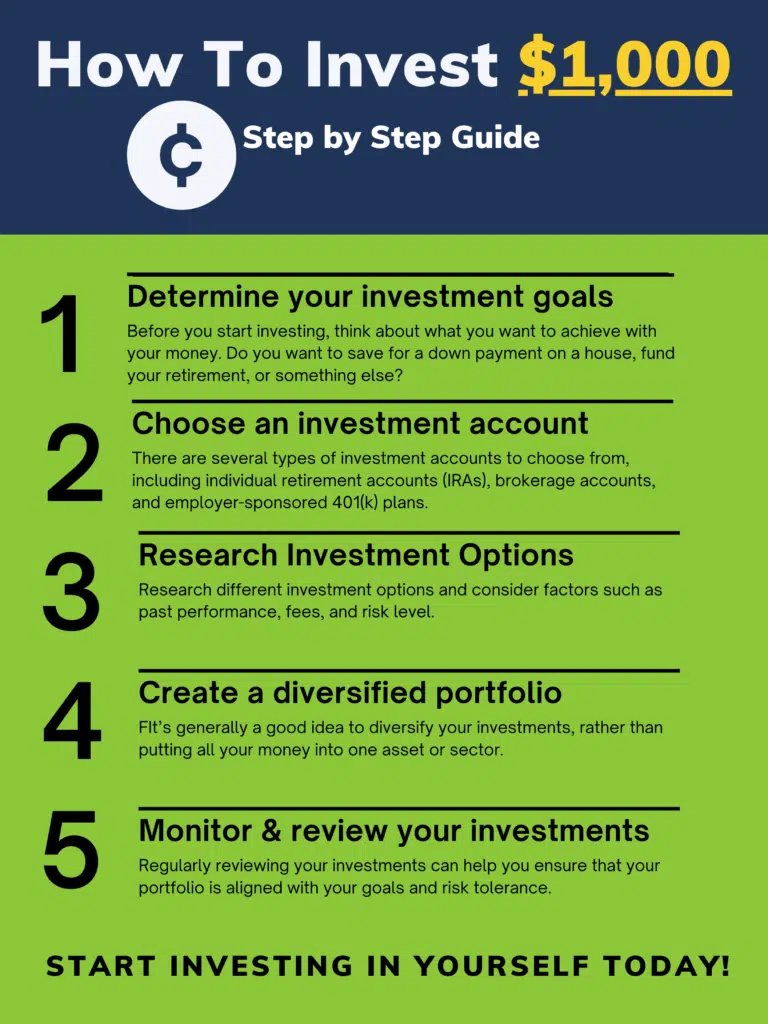
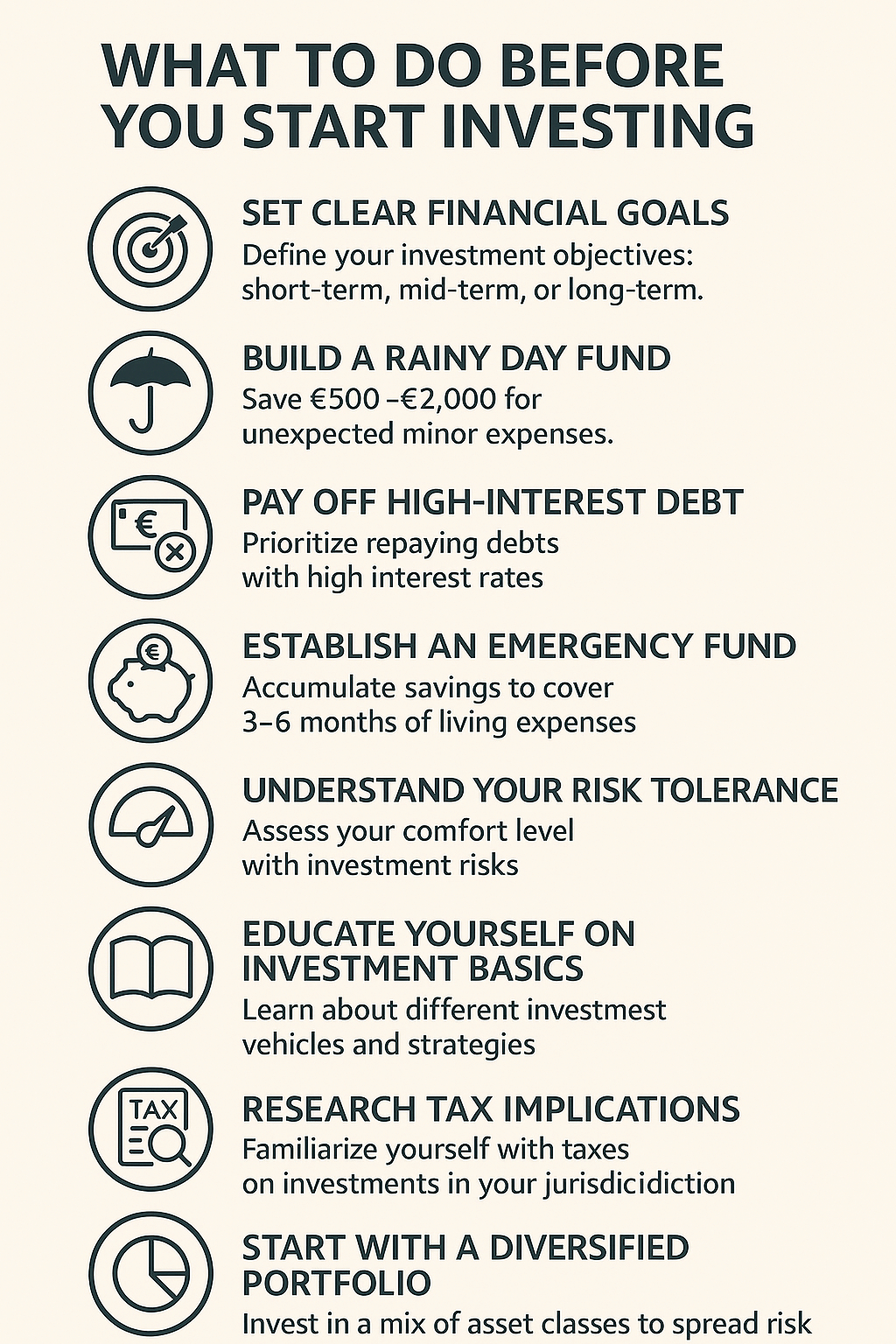
Before diving into specific investment vehicles, it’s crucial to lay a solid foundation by understanding your personal financial landscape. Investing without a clear purpose is like setting sail without a destination; you might wander, but you’re unlikely to arrive anywhere meaningful. Defining your financial objectives and honestly assessing your risk tolerance are the cornerstones of a successful investment strategy. These initial steps dictate not only which investments are suitable for you but also how you should approach building and managing your portfolio.
Defining Your Financial Objectives: Short-term vs. Long-term Goals
Your investment goals will largely determine the type of investments you pursue and the timeline you set. Short-term goals, typically within a 1-5 year horizon, might include saving for a down payment on a house, a new car, or a significant vacation. For these goals, liquidity and capital preservation are often paramount, suggesting less volatile investments. Long-term goals, spanning 5, 10, or even 30+ years, often involve retirement planning, funding a child’s education, or building generational wealth. These longer horizons allow for greater risk-taking, as markets tend to smooth out over time, offering higher potential returns. Clearly delineating these goals helps in selecting appropriate investment vehicles and setting realistic expectations for returns. A mix of both short-term and long-term objectives often necessitates a diversified approach, with different segments of your portfolio geared towards distinct timelines.
Assessing Your Risk Appetite: The Risk-Reward Spectrum
Every investment carries a degree of risk, and with higher potential returns often comes higher risk. Your risk appetite is your willingness and ability to take on financial risk in pursuit of investment gains. It’s influenced by factors such as your age, income stability, existing savings, and even your psychological comfort with market fluctuations. A conservative investor might prioritize capital preservation and seek low-volatility assets like bonds, even if it means lower returns. An aggressive investor, conversely, might be comfortable with significant market swings for the chance of substantial growth, leaning towards equities or alternative assets. It’s vital to be honest about your risk tolerance; investing beyond your comfort zone can lead to panic selling during downturns, undermining your long-term strategy. Understanding where you stand on the risk-reward spectrum is a critical guidepost for building a sustainable and personally suitable investment portfolio.
The Importance of Diversification: Spreading Your Bets
Diversification is perhaps the most fundamental principle of prudent investing. It’s the strategy of spreading your investments across various asset classes, industries, and geographies to minimize risk. The adage “don’t put all your eggs in one basket” perfectly encapsulates this concept. If one asset class or sector performs poorly, the impact on your overall portfolio is mitigated by the positive performance of others. For example, a diversified portfolio might include a mix of stocks, bonds, real estate, and perhaps a small allocation to commodities or even cryptocurrencies. Within stocks, it would involve different sectors (tech, healthcare, finance), company sizes (large-cap, small-cap), and geographical regions. Proper diversification doesn’t eliminate risk entirely, but it significantly reduces unsystematic risk – the risk specific to a particular asset or industry. It’s a key strategy for protecting your capital while still positioning yourself for growth across different market conditions.
Traditional Investment Avenues: Time-Tested Paths to Wealth
For centuries, certain investment vehicles have stood the test of time, proving to be reliable components of a well-balanced portfolio. These traditional avenues form the backbone of most investors’ strategies, offering a blend of stability, growth potential, and income generation. Understanding these core options is essential for anyone looking to build a resilient financial future.
Stocks: Ownership in Publicly Traded Companies
Stocks, or equities, represent ownership stakes in publicly traded companies. When you buy a stock, you become a part-owner of that company, entitling you to a share of its profits and assets, as well as voting rights in some cases. The value of stocks can appreciate as the company grows, innovates, and increases its profitability, or as market demand for its shares rises. Investors can profit from stocks through capital gains (selling shares for more than they paid) and dividends (a portion of company profits distributed to shareholders).
-
Individual Stocks: Directly purchasing shares of specific companies allows for targeted investment in businesses you believe in. This approach requires thorough research and a keen eye on market trends, as the fortunes of individual companies can be highly volatile.
-
ETFs (Exchange-Traded Funds): ETFs are baskets of securities, such as stocks, bonds, or commodities, that trade like individual stocks on an exchange. They offer immediate diversification across various assets, sectors, or market indices (e.g., S&P 500 ETF) at a relatively low cost, making them popular for investors seeking broad market exposure without the complexity of selecting individual stocks.
-
Mutual Funds: Similar to ETFs, mutual funds pool money from multiple investors to invest in a diversified portfolio of securities. They are managed by professional fund managers who make investment decisions on behalf of the fund’s shareholders. While offering professional management and diversification, mutual funds often have higher fees and are not traded throughout the day like ETFs; instead, their price is set once daily after market close.
Bonds: Lending to Governments and Corporations
Bonds are essentially loans made by an investor to a borrower, which can be a government or a corporation. When you buy a bond, you are lending money to the issuer, who, in return, promises to pay you back the principal amount (face value) on a specific maturity date and typically pays you regular interest payments (coupon payments) over the life of the bond. Bonds are generally considered less volatile than stocks and are often used to generate steady income and provide portfolio stability.
-
Government Bonds: Issued by national, state, or municipal governments to finance public projects or operations. Examples include U.S. Treasury bonds, municipal bonds (often tax-exempt), and sovereign bonds from other countries. They are generally considered very low-risk, especially those from stable governments.
-
Corporate Bonds: Issued by companies to raise capital for expansion, operations, or acquisitions. The risk level of corporate bonds varies significantly depending on the financial health and creditworthiness of the issuing company. Higher-risk corporate bonds offer higher interest rates to compensate investors for the increased default risk.
Real Estate: Tangible Assets with Income Potential
Real estate investment involves purchasing physical properties—land, buildings, or other structures—with the intention of generating income or capital appreciation. It’s a tangible asset class that can offer unique benefits, including potential for rental income, property value appreciation, and a hedge against inflation.
-
Residential Real Estate: This includes purchasing homes, apartments, or multi-family units to rent out or renovate and sell for a profit (flipping). It offers direct control over the asset but requires significant capital, management effort, and local market knowledge.
-
Commercial Real Estate: Investing in office buildings, retail spaces, industrial properties, or warehouses. This segment often involves larger sums of money and specialized expertise but can yield substantial rental income and long-term appreciation.
-
REITs (Real Estate Investment Trusts): REITs are companies that own, operate, or finance income-producing real estate. They allow individuals to invest in large-scale real estate portfolios without the need to buy, manage, or finance property themselves. REITs trade on major stock exchanges like stocks, providing liquidity and diversification to real estate investment.
Alternative and Emerging Investments: Beyond the Conventional
While traditional assets form the core of many portfolios, the investment landscape is constantly expanding, offering a myriad of alternative and emerging options. These investments often present higher risk and volatility but can also offer significant diversification benefits and potential for outsized returns, especially for investors with a higher risk tolerance and longer time horizon.
Commodities: Raw Materials with Global Demand
Commodities are basic goods used in commerce that are interchangeable with other goods of the same type. They are raw materials that form the foundation of global industries and consumer products. Investing in commodities can serve as a hedge against inflation, and their prices are often influenced by supply and demand dynamics, geopolitical events, and global economic growth.
-
Precious Metals: Gold, silver, platinum, and palladium are often seen as safe-haven assets, tending to retain or increase their value during economic uncertainty or high inflation. They can be invested in physically (bullion, coins) or through commodity ETFs and futures contracts.
-
Energy: Oil and natural gas are crucial for global economies. Investments can be made through futures contracts, ETFs that track energy indices, or by investing in energy-producing companies’ stocks.
-
Agricultural Products: Grains (wheat, corn, soybeans), livestock (cattle, hogs), and soft commodities (coffee, sugar, cocoa) are essential for food production. Their prices are susceptible to weather patterns, geopolitical stability, and global demand shifts.
Cryptocurrencies: The Digital Asset Frontier
Cryptocurrencies are digital or virtual currencies that use cryptography for security and operate independently of a central bank. Bitcoin, launched in 2009, was the first decentralized cryptocurrency, and since then, thousands of others (altcoins) like Ethereum, Ripple, and Litecoin have emerged. Cryptocurrencies are known for their high volatility, but also for their potential for rapid and substantial gains.
-
Bitcoin, Ethereum, Altcoins: Investing involves purchasing these digital assets through cryptocurrency exchanges. The underlying technology, blockchain, promises to revolutionize various industries beyond finance, adding to their speculative appeal.
-
Understanding Volatility and Risk: The cryptocurrency market is highly speculative and subject to extreme price swings. While it offers immense potential for growth, it also carries significant risk of capital loss. Investors should only allocate a small portion of their portfolio to cryptocurrencies and thoroughly research the technology and project behind each coin.
Peer-to-Peer Lending and Crowdfunding: Direct Investing Opportunities
These platforms facilitate direct investment by connecting individuals or small businesses seeking capital with investors willing to lend or provide equity.
-
Peer-to-Peer (P2P) Lending: Investors lend money directly to individuals or businesses through online platforms, bypassing traditional banks. In return, they receive interest payments. While offering potentially higher returns than traditional fixed-income investments, P2P lending carries credit risk, as borrowers can default.
-
Crowdfunding: This involves raising small amounts of money from a large number of people, typically via the internet. It can be equity-based (investors receive a share of the company), debt-based, or reward-based. It allows investors to support startups and small businesses, often in exchange for equity or future products/services. It’s a high-risk, high-reward approach to investing in early-stage ventures.
Collectibles and Passion Investments: Art, Antiques, Luxury Goods
These investments are often driven by personal interest and appreciation for unique items, but they can also offer significant financial returns. This category includes fine art, rare coins, stamps, vintage cars, luxury watches, and high-end wines. The market for collectibles is illiquid, highly specialized, and subject to subjective valuation. While some investors have made fortunes, these investments are best approached with deep knowledge and caution, as they are not typically considered part of a core financial portfolio but rather an alternative, often speculative, allocation for enthusiasts.
Building a Resilient Investment Portfolio: Strategy and Execution
Building a successful investment portfolio is an ongoing process that extends beyond simply selecting assets. It involves strategic planning, consistent execution, and periodic adjustments to ensure your portfolio remains aligned with your financial goals and risk tolerance. A resilient portfolio is one that can weather market fluctuations and continue to grow over the long term.
Asset Allocation Strategies: Tailoring Your Portfolio to Your Life Stage
Asset allocation is the process of dividing your investment portfolio among different asset categories, such as stocks, bonds, and cash equivalents. The optimal allocation depends heavily on your investment horizon, risk tolerance, and financial goals. Younger investors with a long time horizon might adopt a more aggressive strategy, with a higher percentage of stocks, as they have more time to recover from market downturns. As one approaches retirement, a more conservative allocation, shifting towards bonds and less volatile assets, is often advisable to protect accumulated wealth. There is no one-size-fits-all approach; common strategies include the 60/40 rule (60% stocks, 40% bonds), but personalized adjustments are crucial. Reassessing your asset allocation periodically, especially during major life changes, is key to maintaining an effective strategy.
Dollar-Cost Averaging: Mitigating Market Volatility
Dollar-cost averaging (DCA) is an investment strategy in which an investor divides the total amount to be invested across periodic purchases of a target asset over a certain period. Instead of investing a lump sum all at once, you invest a fixed amount regularly (e.g., $100 every month). This strategy helps reduce the impact of volatility on the overall purchase. When prices are high, your fixed dollar amount buys fewer shares; when prices are low, it buys more shares. Over time, this often results in a lower average cost per share than if you had invested the entire sum at a single point, especially in volatile markets. DCA removes the emotion from investing and helps avoid the pitfall of trying to “time the market,” a notoriously difficult task even for professionals.
Rebalancing Your Portfolio: Staying on Track
Over time, the market performance of various assets will cause your initial asset allocation to drift. For example, if stocks significantly outperform bonds, your stock allocation might grow to exceed your target percentage. Rebalancing is the process of adjusting your portfolio periodically to bring it back to your original target asset allocation. This typically involves selling some of the assets that have performed well and buying more of those that have underperformed, effectively “buying low and selling high” without actively timing the market. Rebalancing can be done on a fixed schedule (e.g., annually) or when an asset class deviates significantly from its target weight. It’s a disciplined approach to managing risk and ensuring your portfolio remains aligned with your long-term strategy.
The Power of Compound Interest: Letting Your Money Work for You
Compound interest, often referred to as the “eighth wonder of the world,” is the interest on interest—your earnings from your investments also start earning returns. This powerful concept illustrates how even small, consistent investments can grow exponentially over long periods. For example, if you invest $100 and earn 10% interest, you get $10. In the next period, you earn 10% on $110, not just the original $100. The longer your money is invested, the more significant the compounding effect becomes. Starting early, even with modest amounts, gives your investments more time to compound, dramatically increasing your potential for wealth accumulation. This principle underscores the importance of long-term investing and resisting the urge to withdraw funds prematurely.
Getting Started and Staying Informed: Tools and Resources
Embarking on your investment journey can seem daunting, but with the right tools, resources, and a commitment to continuous learning, it becomes an accessible and rewarding endeavor. Knowing where to start and how to stay informed are crucial steps toward building and maintaining a successful investment portfolio.
Choosing the Right Investment Platform: Brokers, Robo-Advisors, Financial Advisors
The first practical step is to select a platform that suits your investment style and needs.
-
Online Brokerage Accounts: For self-directed investors, online brokers offer platforms to buy and sell stocks, ETFs, mutual funds, and bonds. They typically have low fees, extensive research tools, and educational resources. Examples include Charles Schwab, Fidelity, Vanguard, and Robinhood.
-
Robo-Advisors: These automated, algorithm-driven platforms manage your investments based on your specified goals and risk tolerance. They offer diversified portfolios of low-cost ETFs and automate rebalancing. They are ideal for beginner investors or those who prefer a hands-off approach, often at a lower cost than human advisors. Examples include Betterment and Wealthfront.
-
Financial Advisors: For more complex financial situations, comprehensive planning, or those who prefer personalized guidance, a human financial advisor can provide tailored advice, help with tax planning, estate planning, and overall wealth management. They come with higher fees, often a percentage of assets under management.
Essential Financial Literacy: Continuous Learning
The financial world is dynamic, with new investment products, market trends, and regulations emerging constantly. A commitment to continuous learning is vital for long-term success. Read reputable financial news sources, books on investing, listen to podcasts, and consider online courses. Understanding economic indicators, company fundamentals, and different investment strategies will empower you to make more informed decisions and adapt to changing market conditions. Financial literacy is not a one-time achievement but an ongoing journey.
Tax Efficiency in Investing: Maximizing Your Returns
Taxes can significantly impact your net investment returns. Understanding tax-advantaged accounts and strategies is crucial.
-
Retirement Accounts: Utilize tax-advantaged accounts like 401(k)s, IRAs (Traditional or Roth), and 403(b)s. These accounts offer tax deductions on contributions or tax-free withdrawals in retirement, significantly boosting your long-term savings.
-
Capital Gains Tax: Be aware of the difference between short-term (assets held for less than a year) and long-term capital gains (assets held for more than a year), as they are taxed at different rates. Strategic selling can minimize your tax liability.
-
Tax-Loss Harvesting: This involves selling investments at a loss to offset capital gains and, potentially, a limited amount of ordinary income, thereby reducing your overall tax bill. Always consult with a tax professional for personalized advice.
Avoiding Common Investing Pitfalls: Emotional Decisions, FOMO
Human emotions are often the biggest enemy of successful investing.
-
Emotional Decisions: Panic selling during market downturns or chasing hot stocks based on hype often leads to poor outcomes. Stick to your long-term plan and avoid letting fear or greed dictate your actions.
-
FOMO (Fear Of Missing Out): The temptation to jump into rapidly rising assets without proper research (e.g., a “meme stock” or a trending cryptocurrency) can lead to significant losses. Base your investments on sound analysis and your personal financial plan, not on what others are doing.
-
Over-diversification or Under-diversification: While diversification is good, too many investments can dilute returns and make a portfolio unmanageable. Conversely, too few investments expose you to undue risk. Find a balance that provides adequate coverage without excessive complexity.
Conclusion
The question “what can you invest in?” opens a world of possibilities, each with its own set of characteristics, risks, and potential rewards. From the bedrock of traditional stocks and bonds to the innovative frontier of cryptocurrencies and alternative assets, the opportunities to grow your wealth are diverse and continually expanding. The key to successful investing lies not just in identifying these options but in understanding how they align with your personal financial goals, risk tolerance, and time horizon.
Building a resilient investment portfolio is a personalized journey that demands careful planning, disciplined execution, and a commitment to lifelong learning. By defining your objectives, assessing your risk appetite, embracing diversification, and leveraging the power of compounding, you lay the groundwork for a robust financial future. Furthermore, utilizing the right platforms, staying financially literate, understanding tax implications, and consciously avoiding emotional pitfalls are critical for navigating the complexities of the market effectively.
Investing is not merely about accumulating money; it’s about empowering yourself to achieve financial freedom, secure your future, and build the life you envision. Start small, stay consistent, learn continuously, and always remember that the most valuable investment you can make is in your own financial education and planning. Armed with knowledge and a strategic approach, you are well-equipped to make informed decisions and transform your financial aspirations into tangible reality.
aViewFromTheCave is a participant in the Amazon Services LLC Associates Program, an affiliate advertising program designed to provide a means for sites to earn advertising fees by advertising and linking to Amazon.com. Amazon, the Amazon logo, AmazonSupply, and the AmazonSupply logo are trademarks of Amazon.com, Inc. or its affiliates. As an Amazon Associate we earn affiliate commissions from qualifying purchases.