
In the ever-evolving landscape of digital media, capturing audience attention and fostering genuine engagement has become the ultimate challenge for brands. Amidst the deluge of information, Buzzfeed emerged as a trailblazer, mastering the art of viral content and audience connection. A prime example of their prowess lies in their highly successful interactive quizzes, none more iconic perhaps than the “What Harry Potter House Are You In?” sensation. This seemingly simple, playful content piece offers profound insights into effective brand strategy, demonstrating how interactive experiences, fueled by cultural touchstones, can build deep brand loyalty, gather valuable data, and drive meaningful engagement. This article delves into how Buzzfeed leverages such quizzes not merely as entertainment, but as sophisticated tools for cultivating a distinct brand identity, understanding its audience, and sustaining its relevance in a dynamic digital ecosystem. It is a testament to the power of interaction in forging unbreakable bonds between a brand and its community.
The Psychological Hooks: Why Interactive Quizzes Resonate with Audiences
At its core, a quiz like “What Harry Potter House Are You In?” taps into fundamental human psychology, leveraging intrinsic desires for self-understanding, belonging, and connection. Buzzfeed masterfully harnesses these psychological drivers to create content that isn’t just consumed, but actively participated in, leading to a far richer and more memorable brand interaction.
Tapping into Identity and Self-Discovery
Humans are inherently curious about themselves and their place in the world. From ancient philosophies to modern personality tests, the quest for self-discovery remains a powerful motivator. Quizzes, particularly those rooted in popular culture, provide a low-stakes, highly engaging avenue for this exploration. The “What Harry Potter House Are You In?” quiz doesn’t just assign a label; it connects users to a rich narrative, a community, and a set of archetypal traits (bravery, loyalty, wisdom, ambition). By asking a series of personality-driven questions, the quiz helps individuals articulate their values and preferences, culminating in a result that feels both personal and validating. For brands, associating with this process of self-affirmation creates a positive emotional resonance, positioning the brand as a facilitator of insight and fun. This approach transforms a passive content consumer into an active participant in their own narrative, deepening their psychological investment with the brand that provides the experience.
The Power of Personalization and Engagement
In an era of information overload, passive consumption often leads to content fatigue and diminished recall. Interactive content, however, fundamentally shifts this dynamic. Unlike a traditional article or video, a quiz demands active participation: thinking, choosing, clicking. This active engagement ensures higher levels of attention and cognitive processing, making the experience more impactful and memorable. Furthermore, the very nature of a quiz is personalized. The outcome is your result, specific to your input. This bespoke experience fosters a sense of individuality and direct connection that generic content cannot achieve. For Buzzfeed, this translates into extended dwell times on their platform and a stronger association with innovative, user-centric content. For any brand, moving beyond broadcasting messages to creating personalized, interactive dialogues is critical for cutting through the noise and building lasting relationships. The immediate feedback and tailored outcome of a quiz transform a transactional interaction into a meaningful engagement, forging a stronger, more personal bond with the brand.
Buzzfeed’s Brand Genius: Leveraging Pop Culture for Viral Success
Buzzfeed’s ability to create viral content isn’t accidental; it’s a meticulously crafted brand strategy that skillfully navigates the landscape of popular culture, transforming fleeting trends into enduring engagement. The Harry Potter quiz stands as a perfect emblem of this strategic approach.
Strategic IP Integration and Authenticity
The key to Buzzfeed’s success with intellectual property (IP) like Harry Potter isn’t merely borrowing a popular name; it’s about authentic integration. Their content creators possess a deep understanding of the source material, its lore, its characters, and, most importantly, its devoted fanbase. The “What Harry Potter House Are You In?” quiz resonates because it genuinely understands the nuances that define each house – Gryffindor’s daring, Hufflepuff’s loyalty, Ravenclaw’s wit, and Slytherin’s ambition. The questions aren’t random; they’re crafted to evoke the moral dilemmas and character choices familiar to any fan. This authenticity prevents the content from feeling exploitative or superficial, instead positioning Buzzfeed as a fellow fan, celebrating and extending the beloved universe. For brands seeking to leverage popular culture, the lesson is clear: superficial appropriation backfires. Genuine engagement requires deep understanding and respect for the IP and its audience, ensuring that the brand acts as a curator and enhancer of the experience, rather than just a commercial opportunist.
Cultivating Shareability: Turning Users into Brand Advocates
One of the most powerful attributes of interactive quizzes, particularly those like the Harry Potter House quiz, is their inherent shareability. Once a user receives their house assignment, it’s not merely an answer; it’s a personal statement, a badge of identity. People are eager to share results that reflect their personality, validate their self-perception, or spark conversations with friends. “I’m a Gryffindor, what about you?” becomes a natural icebreaker, an invitation for social interaction. This organic sharing on social media platforms extends the quiz’s reach far beyond Buzzfeed’s immediate audience, effectively turning every participant into a brand ambassador. This word-of-mouth marketing is invaluable, as it comes with an implicit endorsement from a trusted source (a friend or family member). Buzzfeed’s brand strategy leverages this psychological impulse, designing quizzes that are not just engaging in isolation, but are also crafted with social amplification in mind. For any brand, designing content that encourages users to proudly display their engagement is a potent strategy for achieving viral reach and building a robust, engaged community.
Quizzes as Strategic Tools: Beyond Entertainment to Business Objectives
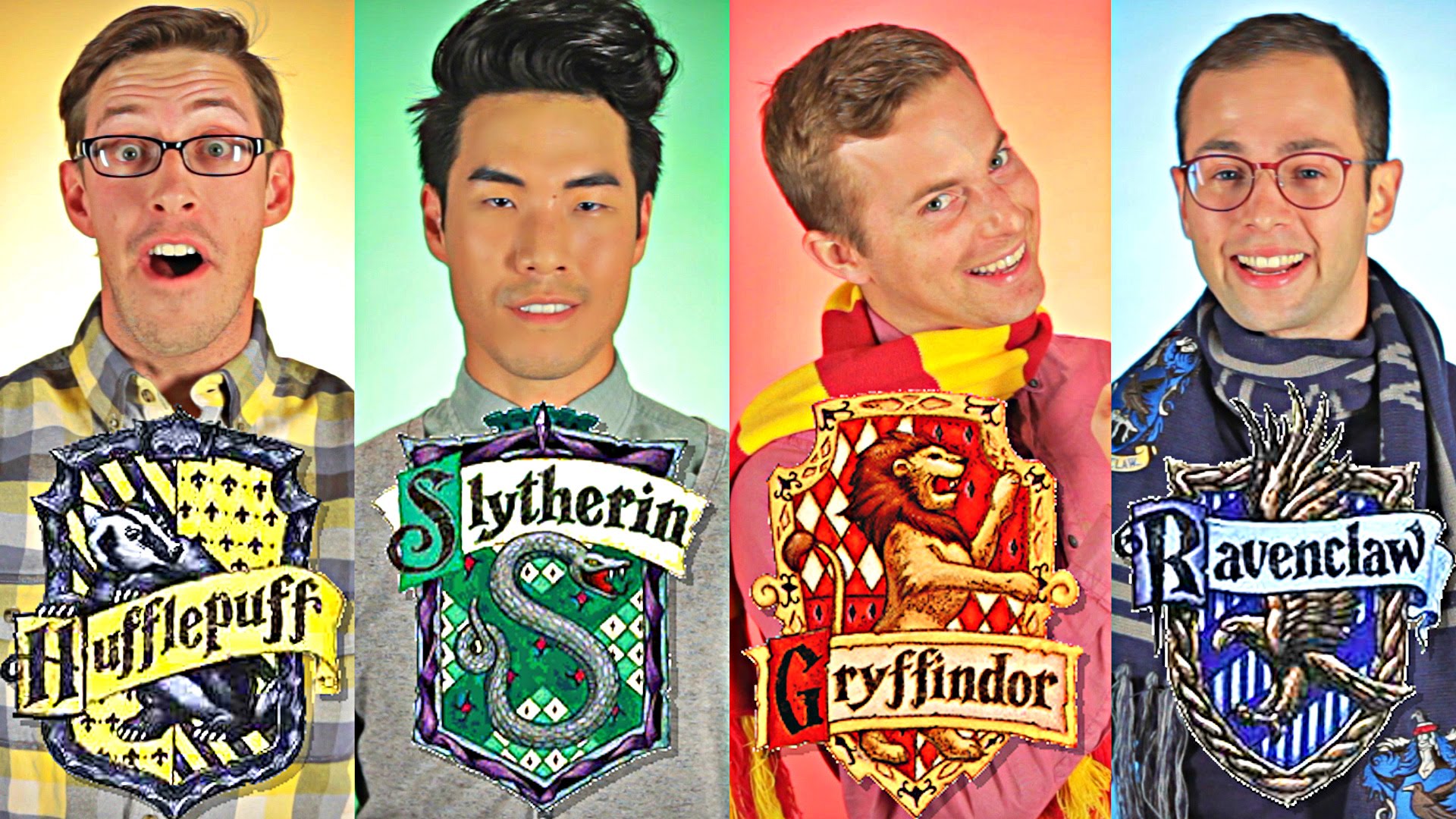
While appearing as pure entertainment, Buzzfeed’s interactive quizzes are sophisticated instruments designed to achieve concrete business objectives, ranging from data intelligence and audience segmentation to driving traffic and potential conversions. They represent a prime example of content marketing at its most effective.
Data Intelligence for Refined Marketing
Every click, every answer within a Buzzfeed quiz is a piece of data. While individual user data might be anonymized, the aggregate patterns reveal invaluable psychographic and demographic insights into the audience. Questions about preferences, values, and reactions subtly collect information that can inform future content strategy, advertising targeting, and product development. For instance, if a significant portion of users who identify with ‘Slytherin’ also express an interest in career advancement topics, Buzzfeed (or its advertisers) can tailor content and ads accordingly. This allows for a deeper understanding of audience segments than traditional demographic data alone, enabling highly personalized marketing campaigns. Brands can use these insights to refine their messaging, create more relevant offerings, and even identify new market niches. The genius lies in collecting this data through an enjoyable, non-intrusive experience, making the user willingly provide information they might otherwise guard.
Driving Traffic, Engagement, and Conversion Pathways
Interactive quizzes are powerful traffic generators. Their viral nature ensures a steady stream of new and returning visitors to the Buzzfeed platform. High engagement rates mean users spend more time on site, reducing bounce rates and increasing page views – metrics highly valued by advertisers. This sustained engagement creates ample opportunities for brand messaging, whether through display ads strategically placed around the quiz or through sponsored questions and results that subtly integrate brand messages.
Moreover, quizzes can serve as effective top-of-funnel conversion tools. Imagine a quiz about travel destinations that, based on your results, suggests specific travel packages. Or a beauty quiz that recommends particular products based on your skin type. Buzzfeed, and brands that emulate its strategy, can strategically embed calls-to-action (CTAs) within quiz results or related content. For instance, a Harry Potter House quiz result could link to official merchandise stores or even promote related content like “10 Things Only a True Hufflepuff Would Understand.” This seamless transition from entertainment to commercial opportunity is a hallmark of sophisticated content marketing, allowing brands to nurture leads and guide users towards desired outcomes without overtly salesy tactics.
The Future of Interactive Branding: Lessons from Buzzfeed’s Approach
The success of Buzzfeed’s interactive content strategy, epitomized by the Harry Potter House quiz, offers critical lessons for brands navigating the complexities of the modern digital landscape. As consumer expectations evolve, the demand for authentic, personalized, and engaging experiences will only intensify.
Adapting to Evolving Digital Consumption Habits
Consumers today are not passive recipients of brand messages; they are active participants, co-creators, and discerning critics. They seek experiences that entertain, educate, and reflect their identities. Brands that fail to adapt to these evolving consumption habits risk irrelevance. Buzzfeed demonstrated early on that traditional advertising and one-way communication are insufficient. Interactive content provides a dynamic solution, offering an immersive environment where users can play, learn, and express themselves. The future of branding lies in creating these participatory platforms, where the brand facilitates an experience rather than simply selling a product. This requires a shift in mindset from broadcasting to conversing, from informing to engaging, and from selling to serving.
The Rise of Personalization at Scale
While Buzzfeed’s early quizzes were manually crafted, advancements in artificial intelligence (AI) and machine learning are enabling even more sophisticated and scalable personalization. Future interactive experiences will likely leverage AI to dynamically generate quiz questions, tailor results with greater precision, and seamlessly integrate product recommendations based on real-time user input and past behavior. This hyper-personalization will deepen engagement further, creating a unique journey for every user. Brands that invest in these technologies will be able to deliver unparalleled individual experiences, building fierce loyalty in a crowded marketplace. The Harry Potter quiz, in its foundational simplicity, points towards a future where digital interactions are as unique and personal as individual conversations.
Authenticity and Trust in a Saturated Market
Ultimately, the enduring power of content like the Harry Potter House quiz rests on its ability to foster genuine connection and trust. In an era saturated with curated perfection and superficial engagement, authenticity resonates deeply. Buzzfeed succeeded because its content felt genuine to its audience – it understood their interests, spoke their language, and created experiences that felt truly for them. Brands looking to build long-term equity must prioritize authenticity, transparency, and a commitment to delivering real value, whether that value is entertainment, information, or a sense of community. The playful yet insightful nature of an interactive quiz builds goodwill and trust, proving that a brand understands and respects its audience. This foundation of trust is not just a marketing advantage; it is the bedrock of enduring brand loyalty and relevance in an increasingly skeptical digital world.
In conclusion, the simple question “What House Are You In, Harry Potter?” when framed by Buzzfeed, transcends mere entertainment. It stands as a brilliant case study in modern branding, demonstrating the profound impact of interactive content in engaging audiences, leveraging cultural phenomena, gathering strategic insights, and ultimately, building a powerful, recognizable brand identity. For marketers and brand strategists, the Buzzfeed phenomenon is a clear beacon, illuminating the path toward a more dynamic, engaging, and personal future for brand interaction.
aViewFromTheCave is a participant in the Amazon Services LLC Associates Program, an affiliate advertising program designed to provide a means for sites to earn advertising fees by advertising and linking to Amazon.com. Amazon, the Amazon logo, AmazonSupply, and the AmazonSupply logo are trademarks of Amazon.com, Inc. or its affiliates. As an Amazon Associate we earn affiliate commissions from qualifying purchases.