
New York City is more than a geographic location; it is the central nervous system of global finance, a dense laboratory of market trends, and a high-velocity environment for capital exchange. For the financially literate traveler, a weekend in Manhattan is not merely a vacation but a strategic opportunity to observe the mechanics of wealth, network with high-net-worth individuals, and scout for emerging investment trends. To navigate the city through a fiscal lens requires a shift from passive sightseeing to active market analysis.
The Wall Street Pilgrimage: Understanding the Core of Global Capital
The Lower Manhattan financial district remains the symbolic and literal heart of the global economy. A weekend visit allows for a more contemplative study of these institutions without the chaotic friction of the Monday-to-Friday workweek.
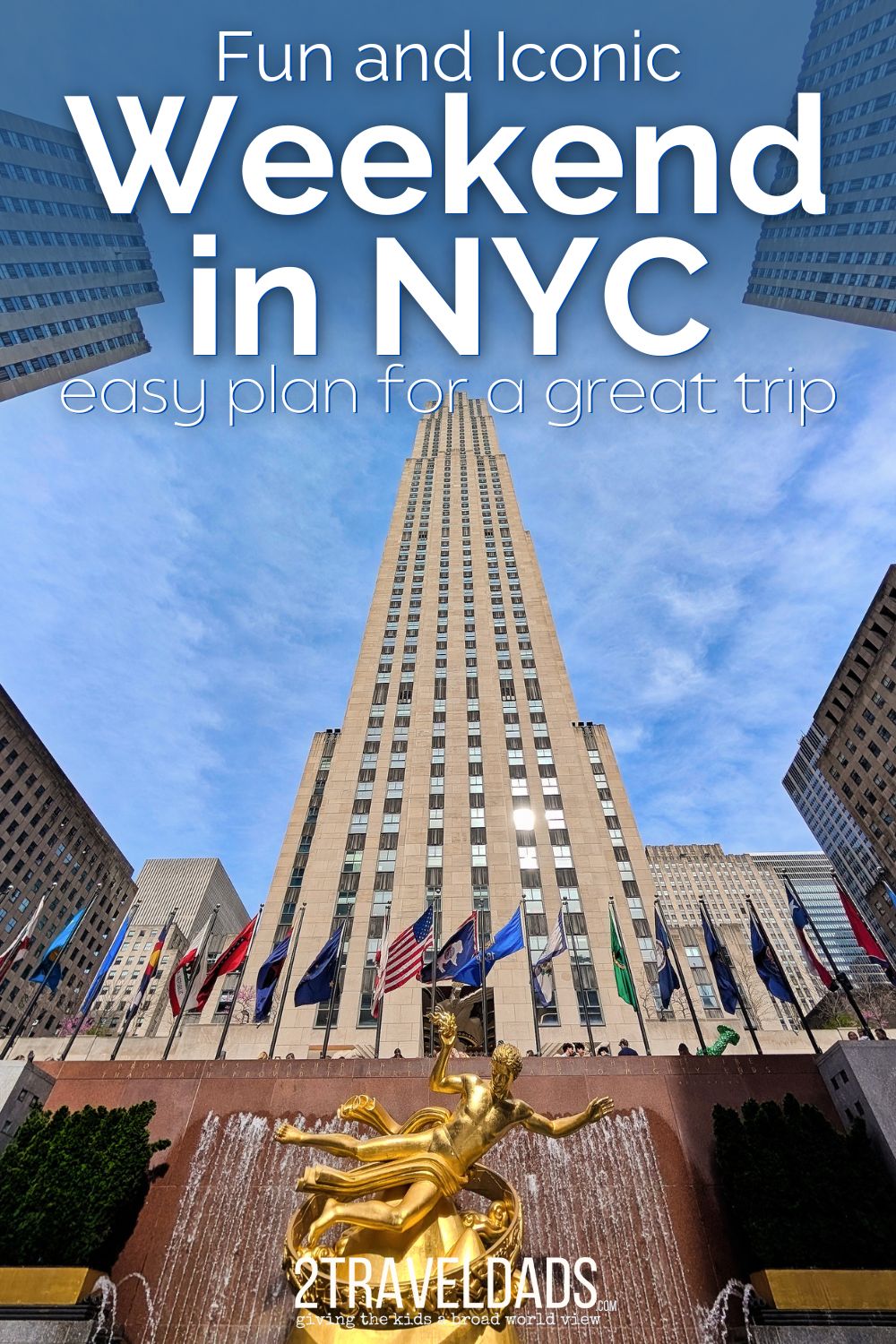
The Architecture of the New York Stock Exchange
Standing at the corner of Broad and Wall Streets, one observes the neoclassical facade of the New York Stock Exchange (NYSE). While the majority of trading has migrated to high-frequency servers in New Jersey, the NYSE remains the ultimate icon of corporate identity and liquidity. A strategic weekend walk through this district allows an investor to appreciate the physical density of the “Financial District” (FiDi). Observing the proximity of the Federal Reserve Bank of New York to the major investment banks provides a masterclass in the geography of influence. Consider the Federal Reserve’s gold vault—holding roughly 25% of the world’s central bank gold—as a reminder of the city’s role in global monetary stability.
The Charging Bull and the Psychology of Markets
The “Charging Bull” in Bowling Green is more than a photo opportunity; it is an enduring symbol of market optimism and aggressive growth. In financial terms, “the bull” represents the upward trajectory of capital markets. Analyzing the crowd dynamics around this monument offers insights into the public’s perception of wealth. For the savvy investor, this area is a starting point for a walking tour of the surrounding real estate, which has seen a massive transformation from purely commercial to high-end residential, signaling a long-term shift in property asset classes within the district.
Strategic Networking: Converting Social Capital into Financial Gain
In New York City, information is a primary currency. A weekend offers a unique window to engage in “low-stakes, high-impact” networking at venues where the city’s elite congregate during their downtime.
The “Power Breakfast” and the Business of Brunch
While the “Power Breakfast” at the Loews Regency on Park Avenue is a weekday staple for dealmakers, weekend brunch in neighborhoods like the West Village or the Upper East Side serves a similar purpose for lateral networking. Choosing the right venue—such as Sant Ambroeus or Balthazar—places you in the proximity of venture capitalists, hedge fund managers, and tech entrepreneurs. The goal here is not an aggressive pitch, but “proximity play.” Observing the demographic shifts in these establishments can provide anecdotal evidence of which sectors are currently “flush” with capital.
High-End Lounges and Capital Flows
Evenings should be spent in environments that attract international capital. Hotel bars in Midtown or the “Silicon Alley” corridor (Flatiron to Chelsea) are hubs for late-night deal-making. Locations like the Bemelmans Bar at the Carlyle offer a glimpse into the “old money” circles of the Upper East Side, while rooftop bars in the Meatpacking District attract the “new money” associated with tech and creative branding. For a business owner, these interactions are invaluable for gauging market sentiment and identifying potential partners or competitors.
Scouting Real Estate and Market Trends: A Micro-Economic Analysis
A weekend provides just enough time to conduct a “boots-on-the-ground” analysis of New York’s diverse real estate market. The city is currently experiencing a fascinating divergence between commercial and residential valuations.

The Hudson Yards Experiment
A visit to Hudson Yards is essential for anyone interested in large-scale urban investment. As the largest private real estate development in U.S. history, it serves as a case study in “placemaking” and corporate relocation. Analyzing the retail mix at the Shops at Hudson Yards—ranging from ultra-luxury brands to digitally native vertical brands (DNVBs)—gives an investor a clear picture of the future of the high-end consumer experience. Observe the foot traffic: Is the development attracting sustained economic activity or merely transient tourism? This distinction is vital for understanding the ROI of such massive infrastructural bets.
The Gentrification Alpha in Brooklyn
Crossing the bridge into Brooklyn, specifically neighborhoods like Williamsburg or DUMBO, offers a perspective on the “creative class” economy. For those interested in side hustles or boutique investments, these areas represent the epicenter of brand innovation. The retail corridors here function as testing grounds for new consumer products before they scale globally. Identifying which small businesses are thriving can offer clues for early-stage equity investments or identifying gaps in your own local market.
The Business of Culture: Analyzing the ROI of High-Value Leisure
Leisure in New York is rarely just about entertainment; it is an industry with complex financial structures. Understanding these can refine one’s perspective on asset diversification.
The Broadway Financial Model
Attending a Broadway show is an exercise in analyzing a high-risk, high-reward business model. Most Broadway productions fail to recoup their initial investment, yet the ones that succeed—like The Lion King or Hamilton—generate billions in revenue. Observing the production value, the merchandising strategy, and the dynamic pricing of tickets provides a window into the “winner-take-all” economics of the entertainment industry. For an investor, it highlights the importance of intellectual property and brand longevity.
Art as an Asset Class
A visit to the Museum of Modern Art (MoMA) or the galleries in Chelsea is a lesson in the valuation of intangible assets. The blue-chip art market often moves independently of the S&P 500, serving as a hedge against inflation. For the high-net-worth individual, a weekend gallery crawl is a scouting mission. Understanding which artists are being pushed by major galleries can signal where speculative capital is flowing. This is “Money” at its most abstract—where aesthetic value meets capital preservation.
Optimizing Your Financial Toolkit for a High-Cost Environment
New York City is one of the most expensive environments on earth. Spending a weekend here requires a disciplined approach to personal finance and the utilization of sophisticated tools to track “lifestyle ROI.”
Leveraging Financial Tools for the Trip
During the weekend, use premium financial apps to track every expenditure, categorizing them into “Personal,” “Business Development,” and “Market Research.” Utilizing cards that offer high-tier travel rewards or concierge services can mitigate the high costs of the city. Furthermore, a weekend in NYC is an excellent time to test the local “fintech” infrastructure—using contactless payments, crypto-integrated apps, or local delivery platforms that are often years ahead of the rest of the country.
The Concept of “Luxury Arbitrage”
One of the most valuable things to do in a weekend is to practice “luxury arbitrage.” This involves identifying goods or services that are uniquely priced or available in NYC but hold higher value elsewhere. This might range from high-end vintage watches found in Diamond District boutiques to limited-edition luxury fashion items. For the side-hustler, the NYC weekend is a sourcing trip. The ability to spot a mispriced asset in a high-velocity market is a skill that translates directly to stock trading or real estate.
Synthesizing the Weekend Experience
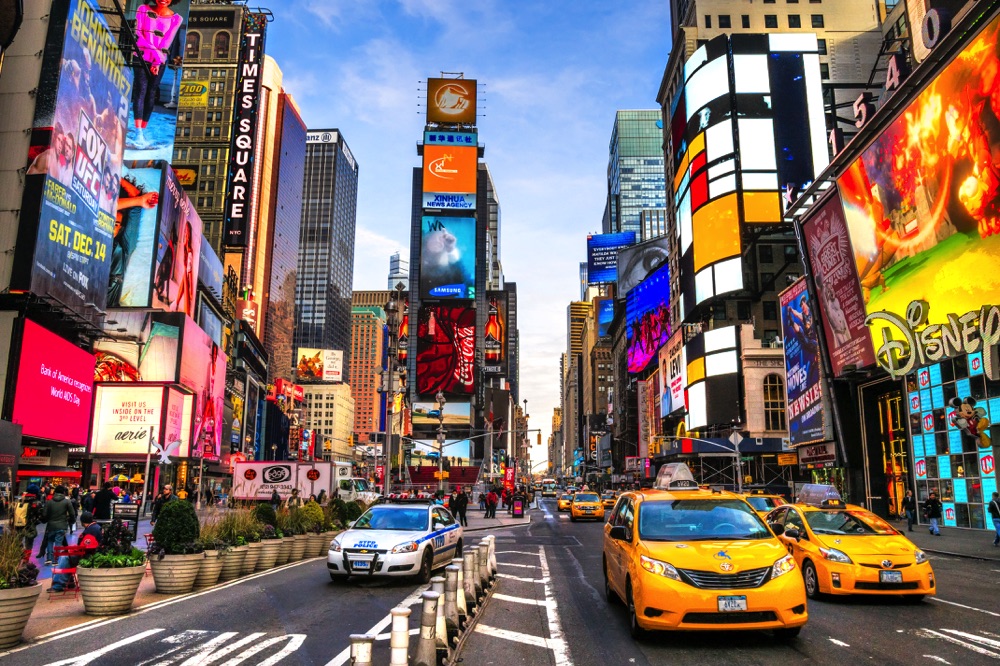
As the weekend concludes, the professional traveler should not leave with just a camera roll of landmarks, but with a refined economic outlook. New York City acts as a magnifying glass for the trends that will eventually sweep the rest of the global economy. Whether it is the rise of a new fintech tool, the shifting landscape of commercial real estate, or the evolving habits of the ultra-wealthy, the data gathered over 48 hours is immense.
By treating the “weekend in New York” as a strategic financial exercise, you move beyond the role of a consumer and into the role of a market participant. The city rewards those who understand its underlying code: that everything—from a subway ride to a penthouse dinner—is a transaction, and every transaction is a data point in the broader story of global wealth. Planning your next move requires being where the money is, and for 48 hours, there is no better vantage point than the streets of New York.
aViewFromTheCave is a participant in the Amazon Services LLC Associates Program, an affiliate advertising program designed to provide a means for sites to earn advertising fees by advertising and linking to Amazon.com. Amazon, the Amazon logo, AmazonSupply, and the AmazonSupply logo are trademarks of Amazon.com, Inc. or its affiliates. As an Amazon Associate we earn affiliate commissions from qualifying purchases.