
Tax season is often viewed as a period of administrative hurdle, but for the proactive taxpayer, it is a critical window for financial assessment and strategic planning. The cornerstone of a successful filing season is the receipt of various information returns—the forms that report income, interest, and transactions to both you and the IRS. Knowing exactly when these documents are sent out is not merely a matter of checking the mailbox; it is about understanding the regulatory framework that governs financial reporting and preparing your personal or business ledger for the year ahead.

While many assume that all tax documents magically appear in late January, the reality is a staggered timeline influenced by the type of income, the entity paying it, and the complexity of the underlying financial data. Navigating this calendar is essential for avoiding the “amended return” trap, where a taxpayer files early only to receive a stray 1099 or K-1 weeks later.
Understanding the Primary Deadlines for Income Reporting
The IRS mandates specific deadlines for employers and financial institutions to provide income documentation to taxpayers. For the vast majority of earners, the most significant date on the calendar is January 31. This is the statutory deadline for several of the most common forms used to report active and passive income.
The W-2 Wage and Tax Statement
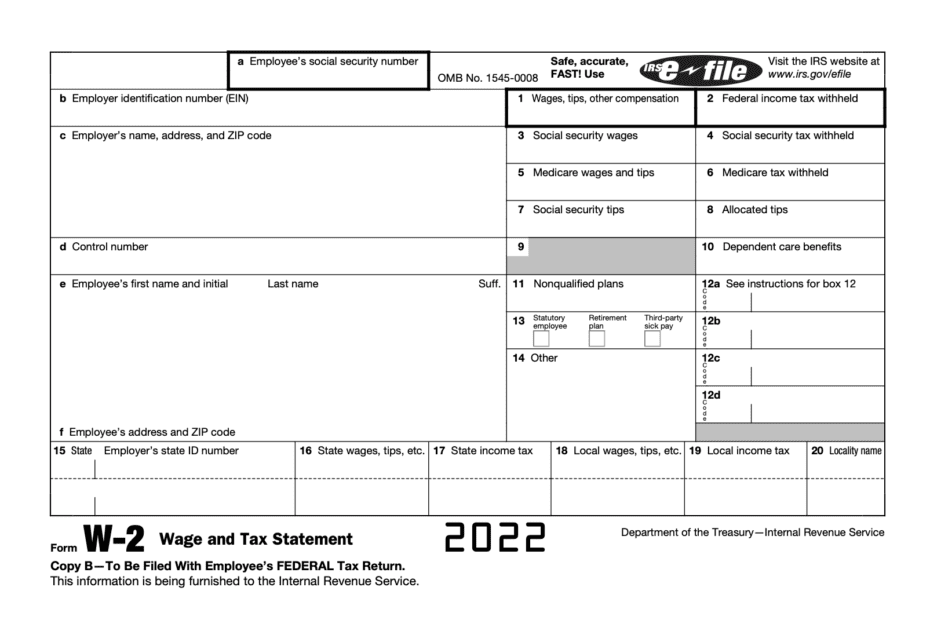
For traditional employees, the W-2 is the most vital document. Employers are required by law to mail or digitally provide Form W-2 to employees by January 31 of the year following the tax year. This form summarizes your total earnings, as well as the federal, state, and local taxes withheld. It also tracks contributions to retirement plans like a 401(k) and premiums paid for health insurance. If January 31 falls on a weekend or holiday, the deadline shifts to the next business day. It is important to note that “sent out” means postmarked or made available via a secure online portal by this date; it does not necessarily mean it will arrive in your hands by the end of January.
Form 1099-NEC and the Gig Economy
In recent years, the IRS reinstated Form 1099-NEC (Non-Employee Compensation) specifically to track payments made to independent contractors and freelancers. If you have earned more than $600 from a single client as a service provider, that client must issue a 1099-NEC. Like the W-2, the deadline for 1099-NEC is January 31. This accelerated deadline was designed to help the IRS combat identity theft and refund fraud by matching reported income more quickly at the start of the filing season.
Form 1099-MISC and 1099-INT
While the 1099-NEC covers contract labor, the 1099-MISC (Miscellaneous Income) is used for reporting rent, royalties, and other types of payments. Additionally, Form 1099-INT, which reports interest earned on savings accounts or certificates of deposit, generally follows the January 31 deadline. Most traditional banks are efficient at providing these documents via their online banking platforms, often making them available in mid-January.
Brokerage Statements and Investment Reporting
If your financial portfolio includes stocks, bonds, or mutual funds held in a taxable brokerage account, your timeline for receiving tax documents will be significantly different from those who only receive a W-2. The complexity of calculating cost basis, wash sales, and foreign tax credits often requires more time for financial institutions to finalize their reporting.
The Consolidated 1099 Statement
Most major brokerages issue what is known as a “Consolidated 1099.” This document combines the 1099-B (Proceeds from Broker and Barter Exchange Transactions), 1099-DIV (Dividends and Distributions), and 1099-INT into a single package. Because of the intricate nature of these calculations—particularly for taxpayers who trade frequently or hold assets with complex tax treatments—the IRS allows brokerage firms until February 15 to send these forms.
In some cases, brokerages may request an extension from the IRS, pushing the delivery date into late February or early March. If you hold “Reals Estate Investment Trusts” (REITs) or certain mutual funds that frequently reclassify their distributions, you should expect to receive your consolidated statement closer to the February 15 deadline to ensure the data is accurate and won’t require a corrected version later.
Form 1099-R for Retirement Distributions
If you took a distribution from an IRA, 401(k), or pension plan, or if you performed a Roth IRA conversion, you will receive Form 1099-R. These forms are generally sent out by January 31. However, unlike W-2s, these are often provided by the custodian of the retirement account rather than your employer. It is crucial to monitor these documents closely, as they indicate whether your distribution is taxable or if it was a tax-free rollover.
Form 1099-Q and 529 Plans
For those utilizing 529 plans for educational savings, Form 1099-Q is used to report distributions. These are typically sent out by January 31 and must be compared against qualified education expenses to determine if any portion of the distribution is subject to tax.

Business Interests and Specialized Forms
Taxpayers who are involved in partnerships, S-corporations, or trusts face the most delayed timeline in the tax ecosystem. These entities are “pass-through” entities, meaning they do not pay income tax themselves; instead, the income, losses, and credits “pass through” to the individual owners or beneficiaries.
Schedule K-1 (Form 1065 or 1120-S)
The Schedule K-1 is notorious for arriving late in the tax season. While the entities are technically supposed to issue K-1s by March 15 (for S-corps and partnerships), many of these businesses apply for automatic six-month extensions. For an individual taxpayer, this can be frustrating. If you are an investor in a private equity fund, a small business partner, or a beneficiary of a complex trust, you may not receive your K-1 until August or September.
This reality often forces these taxpayers to file an extension for their personal returns. It is a common strategic move in personal finance to wait for these forms rather than guessing, as K-1 data is highly scrutinized by the IRS.
Forms 1098 and 1098-T
For many homeowners and students, tax season brings the hope of deductions and credits. Form 1098 (Mortgage Interest Statement) is sent by lenders to report the amount of mortgage interest and points paid during the year. Similarly, Form 1098-T (Tuition Statement) is sent by educational institutions. Both of these forms are typically sent out by January 31. They are essential for claiming the Mortgage Interest Deduction or education-related credits like the American Opportunity Tax Credit (AOTC).
Healthcare and Education Documentation
The intersection of insurance and taxation requires specific documentation that usually follows the standard early-season timeline. These forms are critical for demonstrating compliance with health coverage requirements or claiming subsidies.
Form 1095-A, B, and C
If you purchased health insurance through the Health Insurance Marketplace, you will receive Form 1095-A. This form is essential for reconciling any premium tax credits you received in advance. The Marketplace is required to send these by January 31. Forms 1095-B and 1095-C, which are issued by private insurers and large employers to confirm “minimum essential coverage,” have historically had more flexible mailing deadlines, often extending into March. However, for most taxpayers, the 1095-A is the only one strictly necessary to complete the federal filing.
Form 1098-E for Student Loan Interest
If you paid more than $600 in interest on a qualified student loan, your loan servicer will issue Form 1098-E. This form is typically available by January 31. Since student loan interest can often be deducted as an “above-the-line” adjustment to income, this document is a key component in reducing your Adjusted Gross Income (AGI).
Best Practices for Tax Document Management
Receiving your tax documents is only half the battle; managing them effectively is what determines the ease of your filing process. In a digital-first financial world, the “waiting for the mail” mentality is becoming obsolete.
Transitioning to Digital Delivery
Most financial institutions and large employers now offer—and prefer—digital delivery of tax forms. By opting into electronic delivery, you often receive your documents 7 to 10 days earlier than those waiting for physical mail. Furthermore, digital copies are easier to organize and less likely to be lost. Create a dedicated, encrypted folder on your computer or a secure cloud drive specifically for the current tax year to aggregate these PDFs as they arrive.
Identifying Missing Documents
A common mistake in personal finance management is forgetting a small source of income. It is wise to review your year-end bank and brokerage statements from December. Look for any interest payments or dividend distributions. If you see income but haven’t received a form by mid-February, log into the institution’s portal or contact their customer service. Remember that many institutions do not issue a 1099 if the total income was less than $10, but you are still legally required to report that income on your return.
The Importance of the “Wait and See” Approach
For taxpayers with diverse portfolios, the urge to file on February 1st to get a quick refund can be risky. One of the most frequent reasons for IRS notices is the “mismatch” between what a taxpayer reported and what the IRS received on a 1099. If you are expecting a consolidated brokerage statement or a K-1, it is almost always better to wait until late February or March to file. This patience ensures that you have captured all taxable events, including reclassifications of dividends or late-arriving 1099-B corrections, which are common in the financial industry.
By understanding the staggered nature of the tax document timeline—from the January 31st W-2 deadline to the mid-February brokerage reports and the potential for late-season K-1s—you can build a filing strategy that maximizes accuracy and minimizes stress. Effective financial management isn’t just about earning and investing; it’s about mastering the administrative cycles that keep your fiscal house in order.
aViewFromTheCave is a participant in the Amazon Services LLC Associates Program, an affiliate advertising program designed to provide a means for sites to earn advertising fees by advertising and linking to Amazon.com. Amazon, the Amazon logo, AmazonSupply, and the AmazonSupply logo are trademarks of Amazon.com, Inc. or its affiliates. As an Amazon Associate we earn affiliate commissions from qualifying purchases.