
Seeing an unfamiliar acronym or company name on your bank statement can be a source of immediate anxiety. In the world of personal finance, security is paramount, and any unexpected transaction—whether it is a deposit or a withdrawal—requires scrutiny. One of the most common “mystery” labels that taxpayers encounter is “TPG Products” or “SBTPG.”
If you have recently looked at your transaction history and found a line item labeled “TPG Products,” “sbtpg,” or “Santa Barbara Tax Products Group,” you are likely seeing the result of a specific financial mechanism related to your annual tax return. This entry is not a sign of fraud; rather, it represents a specialized fintech intermediary that facilitates the flow of funds between the Internal Revenue Service (IRS), your tax preparation software, and your personal bank account.

Decoding the TPG Products Label
To understand why this name is appearing on your statement, you must first understand the identity of the entity behind the name. TPG stands for Tax Products Group. Specifically, it refers to the Santa Barbara Tax Products Group, which is a subsidiary of Green Dot Corporation.
Who is Santa Barbara Tax Products Group (SBTPG)?
Santa Barbara Tax Products Group is a leading provider of tax-related financial products in the United States. Founded in 1991, the company has become a massive player in the “refund settlement” industry. They do not prepare taxes themselves; instead, they partner with major tax preparation software companies—such as TurboTax, TaxSlayer, and H&R Block—and independent tax professionals to handle the disbursement of tax refunds.
Green Dot Bank, the parent company, is a well-known name in the fintech space, primarily recognized for its prepaid debit cards and banking-as-a-service platforms. By utilizing SBTPG, Green Dot provides the banking infrastructure necessary to process millions of tax refunds every spring.
Why Does This Name Appear on Your Statement?
The reason “TPG Products” appears on your statement is that they acted as a temporary “middleman” for your tax refund. When you choose certain payment options through your tax software, the IRS does not send the money directly to your personal bank account. Instead, the funds are routed through a temporary settlement account managed by TPG. Once the money hits that account, TPG performs its designated functions and then forwards the remaining balance to you.
How the Tax Refund Disbursal Process Works
The traditional way to receive a tax refund is to have the IRS deposit the funds directly into your savings or checking account. However, modern tax preparation software offers several “convenience” features that change this direct path. If you utilized any of these features, TPG Products became part of your financial supply chain.
The Role of the Intermediate Bank
When you file your taxes, you are often given the choice to “Pay With Your Refund.” This is the primary driver behind the TPG label. Most people prefer not to pay the $60 to $150 tax preparation fee out of pocket at the time of filing. To accommodate this, tax software companies use TPG as an escrow-like service.
-
The IRS Processes the Return: After you file, the IRS approves your refund amount.
-
Funds are Sent to TPG: Instead of your personal bank, the IRS sends the total refund amount to a temporary account created for you by SBTPG.
-
Fees are Deducted: TPG automatically deducts the preparation fees owed to the software company (e.g., TurboTax) and any service fees charged by TPG itself for the transaction.
-
Final Disbursement: TPG sends the net amount—your refund minus the fees—to your personal bank account.
Because TPG is the entity that ultimately initiates the transfer to your bank, their name appears on the ACH (Automated Clearing House) transaction record.
Refund Transfer Services Explained
The service described above is technically known as a “Refund Transfer” (RT). It is a financial tool designed for liquidity. For many consumers, the convenience of not paying upfront justifies the administrative fee associated with the transfer. While it simplifies the filing process, it adds a layer of complexity to the banking records, leading to the “TPG Products” label that causes confusion during statement reconciliation.
Common Reasons for Seeing TPG on Your Bank Statement
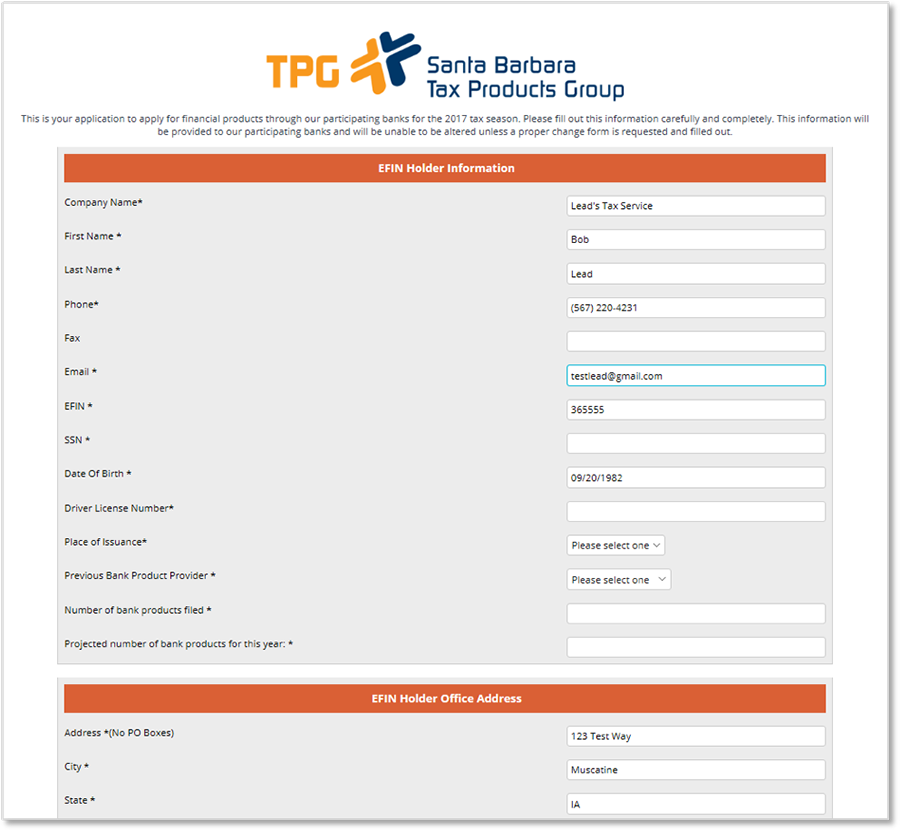
While the “Pay-With-Refund” option is the most frequent cause, there are other financial products offered by TPG that might result in their name appearing on your records.
Using “Pay-With-Refund” Options
As noted, this is the most common scenario. If you opted to have your tax preparation fees deducted from your federal or state refund, TPG is the engine making that happen. It is important to note that if you are receiving both a federal and a state refund, you might see TPG associated with only one of them, or they may arrive as separate deposits under the same TPG heading.
Fee Deductions for Tax Preparation
If the amount deposited in your bank account is lower than the refund amount listed on your tax return, the “TPG Products” entry is the reason. You can calculate the difference by adding your tax software’s filing fee plus the TPG processing fee (which usually ranges from $40 to $60). If the math aligns, you have successfully identified the transaction.
Refund Advance Loans
Many tax prep services offer “Instant Refund Advances” or “Refund Advance Loans.” These are short-term loans provided to taxpayers before the IRS officially releases the funds. These loans are often underwritten or managed by Green Dot Bank via TPG. If you took out an advance on your refund, the subsequent deposit of the remaining balance—or the initial loan deposit itself—may bear the TPG name.
Safety, Security, and Troubleshooting
When a mystery name appears on a financial statement, the first question is always: “Is this a scam?” In the case of TPG Products, the answer is a definitive no. They are a legitimate financial institution and a partner to some of the largest corporations in the United States. However, there are still instances where you might need to troubleshoot a transaction.
Is TPG Products Legitimate?
Yes, TPG is a legitimate subsidiary of Green Dot Bank. They are regulated by federal banking authorities and adhere to the strict privacy and security standards required for handling IRS tax data. Your Social Security number and financial details are handled within a secure, encrypted framework during the transfer process.
What to Do If the Amount Is Incorrect
If you see a deposit from TPG Products but the amount is significantly lower than you expected—even after accounting for tax preparation fees—it may be due to an “offset.”
An offset occurs when the federal government or a state agency intercepts part of your tax refund to pay off past-due debts, such as:
-
Unpaid child support.
-
Federal student loans in default.
-
State income tax debts.
-
Unemployment compensation debts.
In these cases, TPG receives the reduced amount from the IRS, takes their fee, and passes the remainder to you. If you suspect an error, you should first check the “Where’s My Refund” tool on the IRS website or contact the Treasury Offset Program (TOP).
How to Contact TPG Customer Service
If you need to verify a specific transaction or if a deposit hasn’t arrived despite the IRS marking it as sent, you can visit the SBTPG website. They offer a “Taxpayer Portal” where you can enter your Social Security Number, expected refund amount, and filing status to track the movement of your funds through their system. This portal provides a transparent look at exactly how much was deducted for fees and when the money was sent to your bank.
Financial Best Practices for Future Tax Seasons
While TPG Products provides a useful service for those who want to avoid upfront costs, there are personal finance considerations to keep in mind for future filings. Understanding the cost of convenience can help you make more informed decisions about your money.
Avoiding Hidden Fees in Refund Processing
The convenience of the Refund Transfer service is not free. TPG typically charges a processing fee in addition to whatever you are paying for the tax software itself. Over time, these $40–$60 fees add up. If you are looking to maximize your net wealth, the most efficient way to handle taxes is to pay your filing fees upfront using a credit or debit card. This ensures that 100% of the refund issued by the IRS reaches your pocket without an intermediary taking a “convenience cut.”
Direct Deposit via the IRS vs. Third-Party Intermediaries
The fastest and most secure way to receive a refund is via direct deposit from the IRS. When you provide your routing and account numbers directly to the IRS and pay your filing fees at the time of submission, the funds go from the Treasury to your bank with no stops in between. This eliminates the “TPG Products” confusion entirely and usually results in receiving your money 1–3 days faster, as there is no secondary processing time at an intermediate bank.
Final Thoughts on Statement Reconciliation
Reconciling your bank statement is a fundamental habit of successful personal finance. Identifying “TPG Products” as a legitimate tax processing entity should provide peace of mind. It serves as a reminder of how the modern fintech ecosystem is integrated into our daily lives, often operating behind the scenes of the software we use. By understanding these labels, you can maintain better control over your financial narrative and ensure that every dollar in your account is accounted for.
aViewFromTheCave is a participant in the Amazon Services LLC Associates Program, an affiliate advertising program designed to provide a means for sites to earn advertising fees by advertising and linking to Amazon.com. Amazon, the Amazon logo, AmazonSupply, and the AmazonSupply logo are trademarks of Amazon.com, Inc. or its affiliates. As an Amazon Associate we earn affiliate commissions from qualifying purchases.