
Navigating the complexities of tax season often feels like a daunting financial hurdle for the average American household. Between gathering W-2s, 1099s, and various deduction receipts, the last thing a taxpayer wants to worry about is the rising cost of preparation software. As digital tax filing has become the standard, platforms like TurboTax have introduced various mechanisms to help users manage their filing expenses. One of the most frequently searched for, yet often misunderstood, components of this platform is the “service code.”
A TurboTax service code is a specific, alphanumeric sequence provided by Intuit (the parent company of TurboTax) that serves as a specialized discount or credit. Unlike a general promotional coupon you might find on a retail website, a service code is typically used to apply a specific dollar amount or a percentage discount directly to the final bill before you file your returns. In the broader context of personal finance, understanding how to leverage these codes is a savvy way to reduce the “overhead” of annual compliance, ensuring that more of your hard-earned money stays in your investment accounts or emergency funds rather than going toward administrative fees.
Understanding Service Codes in the Digital Tax Landscape
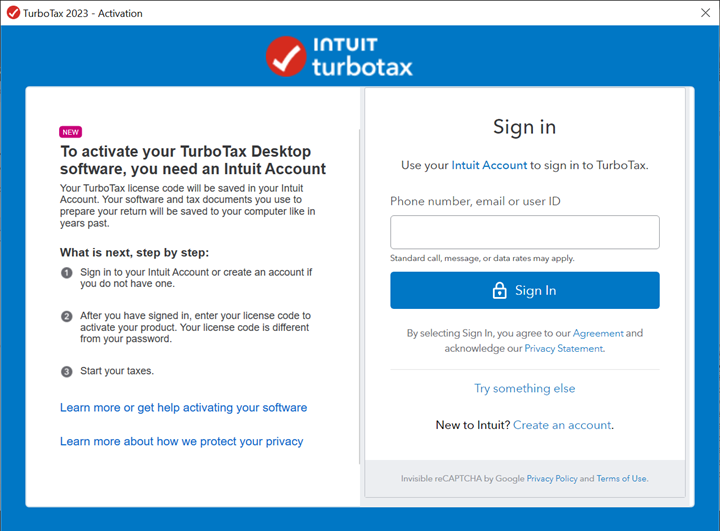
To truly grasp the value of a service code, one must distinguish it from the various other marketing tools used by financial software companies. Many users confuse service codes with activation codes or license codes. An activation code is what you use to unlock the software after purchasing a physical box or a digital download from a retailer like Amazon or Costco. A service code, by contrast, is an internal tool used primarily within the web-based (Online) version of TurboTax to adjust the price of the services provided.
The Purpose and Functionality
The primary purpose of a service code is to provide financial relief or incentives to specific segments of the tax-filing population. These codes are often issued by TurboTax customer support agents as a gesture of goodwill if a user experiences technical difficulties, or as part of a targeted retention campaign for long-term users. From a financial management perspective, these codes represent a “price adjustment” mechanism. Because tax software prices tend to escalate as the April filing deadline approaches, a service code can act as a hedge against these seasonal price hikes.
How Service Codes Differ from Discount Codes
In the world of online commerce, we are accustomed to “promo codes” that we enter at checkout to get 10% off a pair of shoes or a grocery delivery. While the result is similar, TurboTax service codes are often “one-time use” or tied to a specific account interaction. A standard discount code might be available to the general public through a partner link (such as a bank or a credit union), whereas a service code is typically generated for a specific individual or a very narrow group of users. This distinction is vital for those looking to optimize their tax preparation budget: you cannot always “find” a service code on a coupon site; often, you must earn it or receive it through direct communication with the service provider.
How to Obtain and Use a TurboTax Service Code
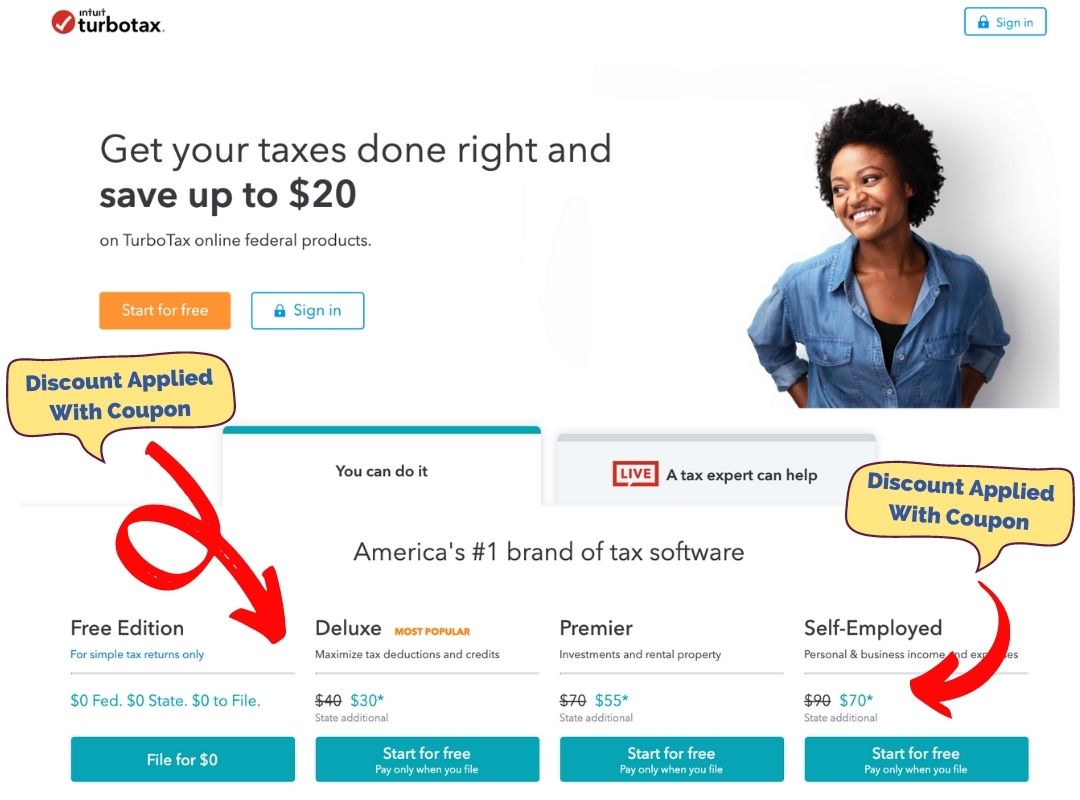
For many taxpayers, the quest for a service code begins when they realize their tax situation has become more complex. Perhaps you started a side hustle this year, requiring an upgrade from the “Deluxe” version to the “Self-Employed” tier. This jump in price can be significant. Knowing where these codes originate can save a filer anywhere from $20 to the entire cost of the filing fee.
Common Sources of Service Codes
-
Customer Support Interventions: This is the most common origin. If you encounter a glitch in the software that causes you to lose work, or if you find a discrepancy in how the software is calculating a specific state credit, an agent may provide a service code to offset the frustration of the experience.
-
Financial Institution Partnerships: Many major banks, such as Chase, Fidelity, or Vanguard, offer discounted tax filing to their members. While these often manifest as “partner links,” they sometimes involve a unique service code provided to high-net-worth clients or those with specific account types.
-
Targeted Email Campaigns: Intuit tracks user behavior. If you start your return in February but haven’t finished by late March, you might receive an email containing a service code intended to nudge you toward completion. This is a classic example of marketing automation used to bridge the gap between “cart abandonment” and a completed financial transaction.
A Step-by-Step Guide to Applying the Code
Applying the code is a straightforward process, but it must be done before you complete the payment and filing steps. Once you have navigated through the “Review” phase of your return and are prompted to “Pay for TurboTax,” you will reach a summary screen.
-
Look for a link or button that says “I have a service code.”
-
Enter the code exactly as provided, paying close attention to capitalization and numbers.
-
Once applied, the total balance due should update immediately.
From a wealth management standpoint, it is important to verify that the code has been applied before clicking “Submit.” Once a payment is processed through the platform, getting a retroactive refund for a missed code is notoriously difficult and time-consuming.
Maximizing Value: The Role of Service Codes in Personal Finance

In the realm of personal finance, every dollar saved on “non-productive” expenses is a dollar that can be redirected toward wealth-building activities. Tax preparation is a mandatory expense, but the cost is variable. By using service codes, taxpayers can manage the “cost of compliance.”
Reducing Preparation Costs for Complex Filings
As an individual’s financial life grows—adding rental properties, stock options, or cryptocurrency trades—the cost of tax software increases. The “Premium” or “Self-Employed” versions of TurboTax can cost well over $100, and state filing fees often add another $50 per state. For a freelancer working across multiple states, the total bill could exceed $200. In this context, a service code that provides a 20% or 30% discount is not just a “coupon”; it is a tactical reduction in business overhead.
Strategic Timing and Economic Efficiency
There is an economic concept known as “price discrimination” where companies charge different prices to different people based on their willingness to pay or their timing. TurboTax uses this extensively. Early filers often get the best “base” rates, while those who wait until April pay a premium. Service codes act as a balancing force. If you are forced to file late due to a delayed 1099-B from a brokerage, a service code can help you revert to “early bird” pricing, ensuring you aren’t penalized for circumstances outside your control.
Troubleshooting and Common Constraints
Despite their benefits, service codes are not a magic wand for all financial woes during tax season. There are several constraints that users must be aware of to avoid a last-minute scramble at the filing deadline.
Why Your Code Might Not Work
The most common issue is version mismatch. Some service codes are specific to the “Live” versions of the software (where you have access to a CPA) and will not work on the standard “Online” versions. Additionally, codes have strict expiration dates. A code generated during a support chat in February may no longer be valid by April 15th.
Another frequent hurdle is the “State vs. Federal” distinction. Most service codes apply to the federal filing fee. Taxpayers are often surprised to find that while their federal fee dropped to $0 because of a code, they are still being prompted to pay $50+ for their state return. Understanding the terms of your specific code is essential for accurate budgeting.
The Security Aspect of Financial Codes
In the digital age, security is paramount. Users should be extremely cautious of third-party websites claiming to list “Active TurboTax Service Codes.” Because these codes are often unique and tied to specific accounts or support tickets, “public” lists are frequently outdated or, worse, are “phishing” lures designed to capture your personal financial data. Always obtain your codes through official channels: the TurboTax website, your bank’s secure portal, or directly from an Intuit representative.
The Broader Impact of Financial Software Tools on Wealth Management
The existence of service codes and the competitive landscape of tax software highlights a broader trend in personal finance: the democratization of complex financial tasks. Twenty years ago, a taxpayer with a diverse investment portfolio would have had no choice but to pay a professional accountant hundreds, if not thousands, of dollars. Today, software handles the heavy lifting, and tools like service codes make that software even more accessible.
Automating Compliance to Focus on Strategy
By lowering the cost barrier of high-end tax software, service codes allow more people to access features like “Tax Loss Harvesting” cues and “Audit Risk” assessments. When the cost of the “Premier” version is mitigated by a service code, a user is more likely to use that version, which in turn might help them identify deductions they would have otherwise missed. In this way, a simple discount code can lead to significantly higher tax savings, creating a multiplier effect on the individual’s net worth.
Tax Planning vs. Tax Filing
Finally, it is important to remember that while a service code helps with the filing (the look-back at the previous year), the real money is made in the planning (the look-forward). Savvy investors use the money saved via service codes and efficient filing to consult with financial advisors or to fund their IRAs. The $40 saved on a service code might seem small, but when compounded at 7% over thirty years in a retirement account, that single code represents nearly $300 in future wealth. In the world of personal finance, there is no such thing as a “small” saving; there are only seeds for future growth.
Understanding the “what” and “how” of a TurboTax service code is a small but vital part of a comprehensive financial strategy. It represents a commitment to efficiency, a refusal to pay more than necessary for compliance, and a keen eye for the tools provided by the modern financial ecosystem. Whether you receive one through a support chat or a loyal-customer email, using a service code is a win for your personal balance sheet.
aViewFromTheCave is a participant in the Amazon Services LLC Associates Program, an affiliate advertising program designed to provide a means for sites to earn advertising fees by advertising and linking to Amazon.com. Amazon, the Amazon logo, AmazonSupply, and the AmazonSupply logo are trademarks of Amazon.com, Inc. or its affiliates. As an Amazon Associate we earn affiliate commissions from qualifying purchases.