
Missing a tax deadline can trigger a cascade of financial anxiety, but it is a hurdle that can be cleared with a systematic approach. Whether the delay was caused by a personal emergency, missing documentation, or simple oversight, the Internal Revenue Service (IRS) and state tax authorities generally prefer compliance over litigation. The primary objective for any taxpayer who has missed a deadline is to minimize financial damage and restore their standing with the government. This guide provides a detailed roadmap for navigating the complexities of filing a late income tax return, managing penalties, and securing your financial future.
Understanding the Financial Consequences of Late Filing
Before diving into the paperwork, it is essential to understand the fiscal mechanics of a late filing. The IRS distinguishes between two primary types of delinquency: the failure to file and the failure to pay. Understanding these distinctions is critical because the penalties for the former are significantly more punitive than the latter.
The Penalty Structure
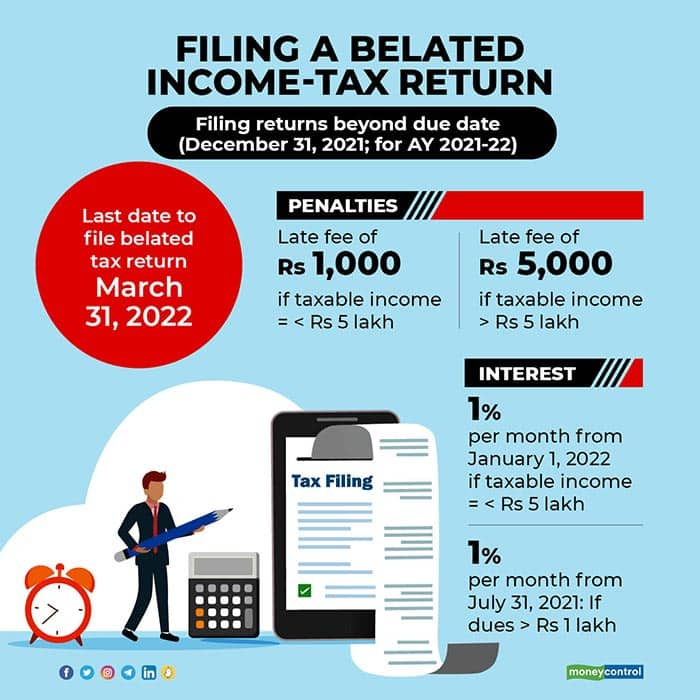
The “Failure to File” penalty is generally much higher than the “Failure to Pay” penalty. Typically, the penalty for filing late is 5% of the unpaid taxes for each month or part of a month that a tax return is late. This penalty starts accruing the day after the tax filing due date and can reach a maximum of 25% of your unpaid taxes.
In contrast, the “Failure to Pay” penalty is 0.5% of the unpaid taxes for each month or part of a month the tax remains unpaid. If both penalties apply in the same month, the failure to file penalty is reduced by the amount of the failure to pay penalty. However, if your return is over 60 days late, the minimum penalty for failure to file is either a specific dollar amount (periodically adjusted for inflation) or 100% of the tax required to be shown on the return, whichever is less.
The Impact of Interest
Unlike penalties, which are fixed percentages, interest on unpaid taxes compounds daily. The interest rate is determined quarterly and is typically the federal short-term rate plus 3%. Because interest compounds daily, the longer you wait to file and pay, the more the debt grows exponentially. This makes immediate action the most effective tool for wealth preservation.
The Three-Year Window for Refunds
One of the most significant risks of not filing is the permanent loss of a tax refund. To claim a refund, you must generally file your return within three years of the original due date. If you fail to file within this window, the money essentially becomes a gift to the Treasury. Furthermore, you may lose the ability to apply those overpayments to the following year’s estimated taxes or claim credits like the Earned Income Tax Credit (EITC).
The Step-by-Step Process for Filing Late Returns
Filing a late return is not significantly different from filing on time, but it requires more rigorous data retrieval and a manual approach to submission.
Gathering Historical Documentation
The first challenge in filing for a prior year is obtaining the necessary documentation. You will need every W-2, 1099, and 1098 form relevant to that specific tax year. If you have lost these documents, you can request a “Wage and Income Transcript” from the IRS. This transcript shows data from information returns the IRS receives, such as Forms W-2, 1099, 1098, and Form 5498.
For self-employed individuals or those with complex investments, gathering records for expenses and capital gains from several years ago can be difficult. It is advisable to review bank statements and credit card history to reconstruct your financial activity for the period in question.
Selecting the Correct Forms and Software
Tax laws change annually. You cannot use the current year’s Form 1040 to file for a previous year. You must use the specific forms, instructions, and schedules that were active for the tax year you are filing. While many modern tax software platforms allow you to prepare returns for the past two or three years, extremely old returns often require manual preparation on paper forms downloaded from the IRS website.
Submitting the Return
If you are filing for a year that is long past, e-filing may no longer be an option. Most electronic filing systems are only open for the current year and the two previous years. If you must mail a paper return, it is vital to use a certified mailing service with a return receipt. This provides legal proof of the date you filed, which is critical for stopping the clock on penalties and establishing your claim for any potential refund.

Strategic Options for Managing Unpaid Tax Debt
If your late filing reveals a significant tax liability that you cannot pay in full immediately, the IRS offers several programs designed to bring taxpayers back into compliance without causing total financial ruin.
Installment Agreements
For many taxpayers, a monthly payment plan is the most viable solution. An Installment Agreement allows you to pay your debt over a period of up to 72 months. While interest and reduced late-payment penalties still accrue during this time, an approved agreement prevents the IRS from taking more aggressive collection actions, such as wage garnishments or bank levies.
Offer in Compromise (OIC)
In cases of extreme financial hardship, you may qualify for an Offer in Compromise. This allows you to settle your tax debt for less than the full amount you owe. The IRS considers your ability to pay, income, expenses, and asset equity. However, the qualification process is rigorous and requires full transparency regarding your financial life.
Penalty Abatement
If you have a history of filing on time and only missed this specific year due to a specific circumstance—such as a natural disaster, serious illness, or a death in the immediate family—you may qualify for “First-Time Penalty Abatement” or a “Reasonable Cause” abatement. While this does not remove the interest, it can significantly reduce the total amount owed by stripping away the failure-to-file and failure-to-pay penalties.
The Role of State Tax Obligations
It is a common mistake to focus solely on federal taxes while ignoring state obligations. Most states have their own income tax systems, and they receive data-sharing reports from the IRS. If you file a late federal return, you should expect the state to eventually be notified.
Filing your state return concurrently with your federal return is essential. Some states have even harsher penalty structures than the IRS, and their collection powers can be swifter. Conversely, some states offer “amnesty” periods where they waive penalties for taxpayers who voluntarily come forward to file late returns during a specific window.
Building a Proactive Financial Workflow
Once the immediate crisis of a late return is resolved, the focus must shift to ensuring it never happens again. Tax compliance is not an annual event; it is a year-round financial discipline.
Leveraging Financial Technology
In the modern era, there is no reason to struggle with lost receipts or missing 1099s. Utilize cloud-based accounting software or dedicated tax-prep apps that allow you to scan receipts and track expenses in real-time. For freelancers and side-hustlers, setting aside a percentage of every payment into a high-yield savings account dedicated solely to taxes can eliminate the “sticker shock” of a high tax bill.
Adjusting Withholding and Estimated Payments
If you find yourself consistently owing more than you can pay, you should review your Form W-4 with your employer to increase your withholding. If you are self-employed, committing to quarterly estimated tax payments is the best way to stay ahead. The IRS operates on a “pay-as-you-go” system; waiting until the end of the year to settle a massive liability is a high-risk strategy that often leads to late filings.
Professional Consultation
For those with complex portfolios or multi-year delinquencies, the cost of a Certified Public Accountant (CPA) or a Tax Attorney is often offset by the money they save you through legal deductions and penalty negotiations. A professional can act as a buffer between you and the tax authorities, ensuring that your rights are protected while you work toward financial resolution.
Filing a late income tax return is a daunting task, but the cost of inaction is far higher. By understanding the penalty landscape, systematically gathering documentation, and utilizing available payment programs, you can clear the path toward financial stability. The goal is to move from a state of reactive stress to one of proactive management, ensuring that your wealth is protected and your financial reputation remains intact.
aViewFromTheCave is a participant in the Amazon Services LLC Associates Program, an affiliate advertising program designed to provide a means for sites to earn advertising fees by advertising and linking to Amazon.com. Amazon, the Amazon logo, AmazonSupply, and the AmazonSupply logo are trademarks of Amazon.com, Inc. or its affiliates. As an Amazon Associate we earn affiliate commissions from qualifying purchases.