
Navigating the world of retail returns is a common yet often frustrating aspect of personal finance management. For many consumers, a refund isn’t just a simple return of goods; it is a critical recovery of capital that may be needed for other essential expenses. When dealing with a retail giant like Walmart, the question of “how long does it take” is intrinsically tied to your liquidity and monthly budgeting. Understanding the mechanics of the Walmart refund process allows you to better project your available balance and avoid the pitfalls of “floating” funds that are stuck in the banking ether.

Typically, a Walmart refund takes anywhere from a few minutes to ten business days, depending heavily on the original payment method and the channel through which the return was initiated. However, the timeline is not solely dictated by the retailer. The financial infrastructure of your bank or credit card issuer plays a significant role in when those digits finally reappear in your account.
The Timeline of Different Payment Methods
The most significant variable in the speed of your refund is how you paid for the item in the first place. From a financial planning perspective, knowing these timelines helps you decide which payment method to use for high-ticket items that carry a higher risk of being returned.
Cash and Debit Transactions
When you return an item in-store that was purchased with cash, the refund is generally instantaneous. You walk away with the physical currency, providing immediate liquidity. For debit card transactions processed at the customer service desk, the store initiates the transfer immediately. However, because debit cards are linked to your bank’s checking account, it usually takes 3 to 5 business days for the bank to reconcile the transaction and update your available balance. During this window, the funds are in transit, meaning they are neither in Walmart’s possession nor accessible to you.
Credit Card Reversals
Credit card refunds are often the slowest to manifest. While Walmart may process the return within 24 hours, credit card issuers have their own internal cycles. It is common for a credit card refund to take 7 to 10 business days to reflect on your statement. In some cases, if the refund is processed at the end of a billing cycle, you might not see the credit until the following month’s statement. This can be problematic if you are trying to avoid interest charges on a large purchase that you have already returned.
Walmart Gift Cards and Store Credit
From a pure speed standpoint, Walmart Gift Cards are the most efficient. Refunds to a gift card are typically available within minutes or hours of the return being processed. For frequent shoppers, this is often the preferred route to maintain “internal” liquidity within the Walmart ecosystem, even if it lacks the flexibility of cash.
Online Returns vs. In-Store Processing
The logistics of how a return is handled significantly impacts the financial turnaround time. There is a marked difference between walking into a brick-and-mortar location and shipping an item back to a distribution center.
The In-Store Advantage
Returning an online purchase to a physical Walmart store is the fastest way to trigger the refund process. Once the associate scans the item and confirms the return, the “refund triggered” signal is sent to your financial institution immediately. This bypasses the days of shipping time and the additional time required for a warehouse worker to inspect the item.
Mail-In Returns and Processing Latency
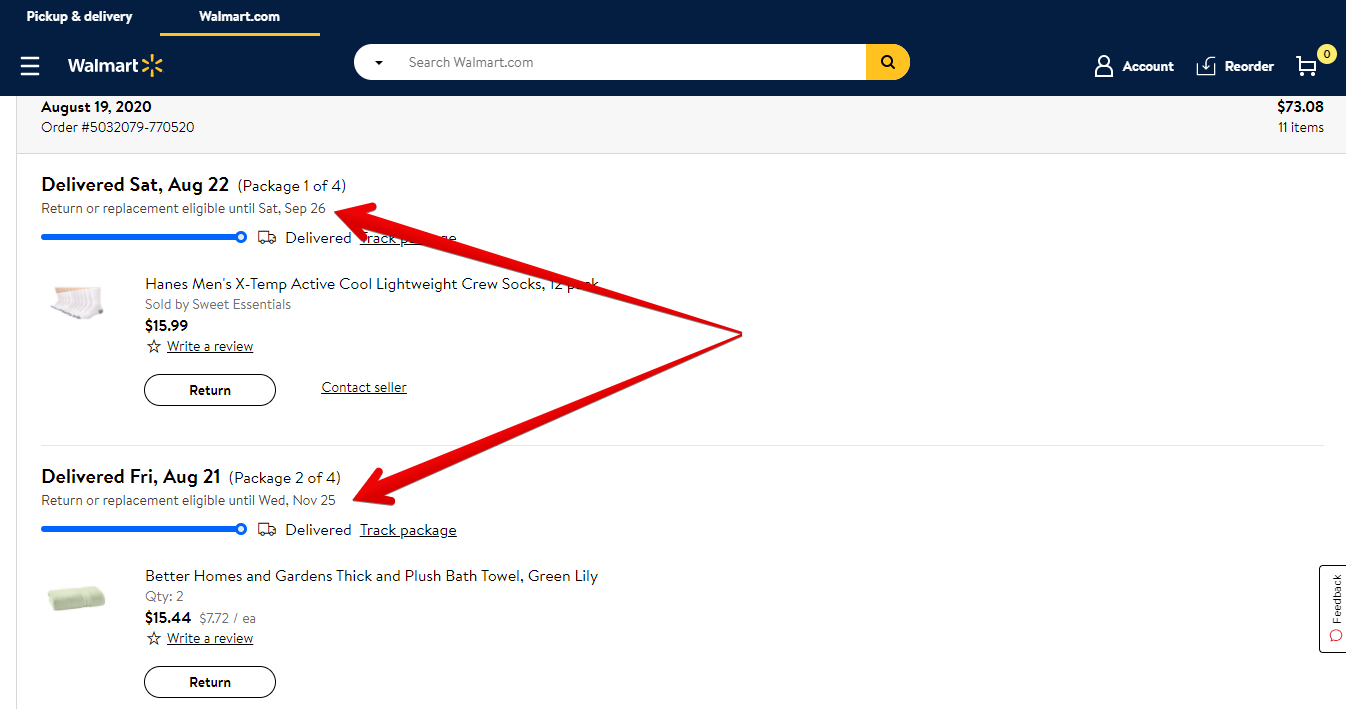
If you choose to ship your return back using a prepaid label, your money is essentially “in the mail.” The refund process does not begin until the item arrives at the Walmart return center and is scanned into their system. This can add 3 to 5 days of transit time, plus an additional 48 hours for inspection. Consequently, the total time to see your money back can easily stretch to two weeks. For those managing a tight weekly budget, this delay can create a temporary shortfall that needs to be accounted for in your financial tracking.
Walmart+ and Enhanced Returns
Members of Walmart+ often have access to streamlined return processes, such as “Mobile Express Returns.” By initiating the return in the app, consumers can reduce the time spent at the customer service desk. While this doesn’t necessarily speed up the bank’s processing time, it minimizes the administrative friction that can delay the “trigger” of the refund.
The Role of Financial Institutions in Refund Delays

It is a common misconception that if the money isn’t in your account, Walmart is still holding onto it. In reality, the delay is often a result of the banking system’s legacy architecture.
The ACH Network and Batch Processing
Most refunds move through the Automated Clearing House (ACH) network. Banks typically process these transactions in batches. If Walmart sends the refund notification after the bank’s daily “cut-off” time, the transaction won’t even begin to process until the next business day. Weekends and federal holidays further extend this timeline, as the ACH network does not operate outside of standard business hours.
Pending vs. Posted Transactions
When you check your online banking app, you may see the refund as a “pending” transaction. This means your bank has received the notification but has not yet cleared the funds into your “Available Balance.” From a personal finance management perspective, you should never spend against a pending refund until it has fully posted. Banks can occasionally reject or adjust pending transactions, and relying on them prematurely can lead to overdraft fees.
Digital Wallets and Third-Party Processors
If you used PayPal, Affirm, or another third-party financing tool at Walmart, the refund process adds another layer of complexity. Walmart refunds the money to PayPal, and then PayPal must process the refund back to your original funding source (like your linked bank account). This “double hop” can add 2 to 3 days to the total wait time.
Navigating Walmart Marketplace and Third-Party Sellers
A crucial distinction for any savvy consumer is whether the item was sold by Walmart directly or by a third-party seller on the Walmart Marketplace. This distinction has massive implications for your refund timeline and your rights as a consumer.
Marketplace Refund Policies
While Walmart requires Marketplace sellers to adhere to certain standards, these sellers often have their own return windows and processing times. A third-party seller may take longer to inspect a returned item, and they may even charge restocking fees, which reduces the total amount of capital you recover.
Dispute Resolution and Escrow
When you purchase from a Marketplace seller, Walmart often acts as an intermediary. If a seller is slow to issue a refund, you may need to invoke the “Walmart Marketplace Promise.” This is a protection layer that ensures you get your money back if the seller is unresponsive, but the investigation process can take several weeks. For significant purchases, it is often safer for your cash flow to stick to “Sold and Shipped by Walmart” items to ensure a predictable refund window.
Strategic Budgeting: How to Handle “Stuck” Refunds
From a financial health perspective, a return represents a temporary loss of purchasing power. If you have $500 tied up in a return for a television that didn’t work, that is $500 you cannot use for investments, savings, or other necessities.
The Buffer Fund Strategy
To mitigate the stress of a slow refund, it is wise to maintain a “buffer fund” within your checking account. This is a small surplus of cash specifically designed to cover the gap while waiting for refunds or reimbursements. By having this cushion, you prevent a delayed Walmart refund from cascading into a missed bill payment or a late fee elsewhere in your financial life.
Tracking Returns as Assets
In your personal accounting software or spreadsheet, you should track pending returns as “Accounts Receivable.” This keeps the money on your radar and ensures you follow up if the 10-day window passes without the funds appearing. If a refund exceeds the 10-business-day mark, the first step is to obtain the “Trace ID” or “Reference Number” from Walmart customer service. You can then provide this to your bank to locate the funds within the banking system.
Choosing Store Credit for Speed
If your goal is to immediately replace the item you are returning, always opt for a Walmart Gift Card or store credit. Because this avoids the external banking system entirely, the capital is recycled instantly. This is the most efficient way to maintain your “lifestyle liquidity” without waiting on the standard banking cycles that govern debit and credit card reversals.
In conclusion, while the average Walmart refund takes between 3 and 5 business days, the reality of the financial system means you should plan for a 10-day window. By understanding the variables of payment methods, processing channels, and banking infrastructure, you can manage your personal finances with greater precision and less anxiety. Treating your refunds as a managed component of your cash flow—rather than a random occurrence—is a hallmark of strong financial literacy.
aViewFromTheCave is a participant in the Amazon Services LLC Associates Program, an affiliate advertising program designed to provide a means for sites to earn advertising fees by advertising and linking to Amazon.com. Amazon, the Amazon logo, AmazonSupply, and the AmazonSupply logo are trademarks of Amazon.com, Inc. or its affiliates. As an Amazon Associate we earn affiliate commissions from qualifying purchases.