
The realization that you have unfiled tax returns from previous years can be a significant source of financial anxiety. Whether the delay was caused by a personal crisis, a complex financial situation, or simply a misunderstanding of filing requirements, the weight of back taxes often feels insurmountable. However, the internal revenue system is designed to reward compliance over evasion, and for many taxpayers, there are accessible, cost-effective ways to rectify the situation. Filing back taxes is not just a legal obligation; it is a critical step in stabilizing your personal finances, protecting your credit, and ensuring you do not leave money on the table in the form of unclaimed refunds.

In the modern financial landscape, filing these returns does not necessarily require hiring an expensive CPA. With the right tools and a systematic approach, you can navigate the process of filing back taxes online for free, or at a very low cost, while taking advantage of government programs designed to help taxpayers get back on track.
Understanding Back Taxes and the Cost of Inaction
Before diving into the “how-to” of filing, it is essential to understand what is at stake. Back taxes refer to any federal or state taxes that remain unpaid from previous years. The IRS generally has a three-year window for taxpayers to claim a refund, but there is no statute of limitations on the government’s ability to collect unpaid taxes if a return was never filed.
The Penalty for Not Filing vs. Not Paying
One of the most common misconceptions in personal finance is that if you cannot afford to pay your tax bill, you should not file your return. In reality, the IRS “Failure to File” penalty is significantly higher than the “Failure to Pay” penalty. The penalty for failing to file is generally 5% of the unpaid taxes for each month or part of a month that a tax return is late, up to a maximum of 25%. Conversely, the penalty for failing to pay is only 0.5% per month. By filing your back taxes immediately—even if you cannot pay the full balance—you drastically reduce the rate at which your debt grows.
The Three-Year Refund Window
Many people avoid filing back taxes because they assume they owe money. However, a significant portion of delinquent filers are actually owed a refund. If you are entitled to a refund for a prior year, you must file your return within three years of the original due date to claim that money. If you miss this window, your refund becomes the property of the U.S. Treasury. Filing back taxes online can often reveal that you are eligible for the Earned Income Tax Credit (EITC) or other refundable credits that could wipe out your debt or result in a check in your mailbox.
Protecting Your Financial Future
Unfiled returns can block you from achieving major life milestones. Lenders typically require several years of tax transcripts before approving a mortgage or a small business loan. Additionally, if you are self-employed, failing to file means you are not contributing to your Social Security credits, which can diminish your benefits during retirement. Clearing your back taxes is a foundational move for long-term financial health.
Top Online Platforms for Free Back Tax Filing
While many commercial tax software companies charge high fees for prior-year returns, several options allow taxpayers to file for free or at a minimal cost. Choosing the right platform depends on your income level and the complexity of your financial situation.
IRS Free File and Prior Year Software
The IRS Free File program is a partnership between the IRS and several tax-preparation software companies. While the primary Free File site is geared toward the current tax year, many of the partner companies provide low-cost or free options for the two most recent prior years if you meet the income requirements (generally an Adjusted Gross Income of $79,000 or less).
For years further back than the last two, you may need to use specific software like FreeTaxUSA. FreeTaxUSA is widely recognized in the personal finance community as one of the few platforms that allows users to prepare federal back tax returns for free, regardless of the year. While they may charge a small fee for state returns, the federal filing is typically free, making it an invaluable tool for those catching up on multiple years of documentation.
Volunteer Income Tax Assistance (VITA)
For taxpayers who feel overwhelmed by the online process, the VITA program offers a bridge. VITA provides free tax help to people who generally make $64,000 or less, persons with disabilities, and limited English-speaking taxpayers. While VITA primarily focuses on current-year returns, many sites are authorized to assist with prior-year filings. This is an excellent option for those who need professional guidance but lack the budget for a private tax preparer.
MilTax for Service Members
Members of the military and their families have access to MilTax, a Department of Defense program. This service provides tax preparation and e-filing software specifically designed to handle the nuances of military pay, such as combat zone exclusions and multi-state filings. MilTax is free and offers support for back taxes, ensuring that those who serve our country are not financially penalized for the administrative complexities of their service.
A Step-by-Step Guide to the Online Filing Process
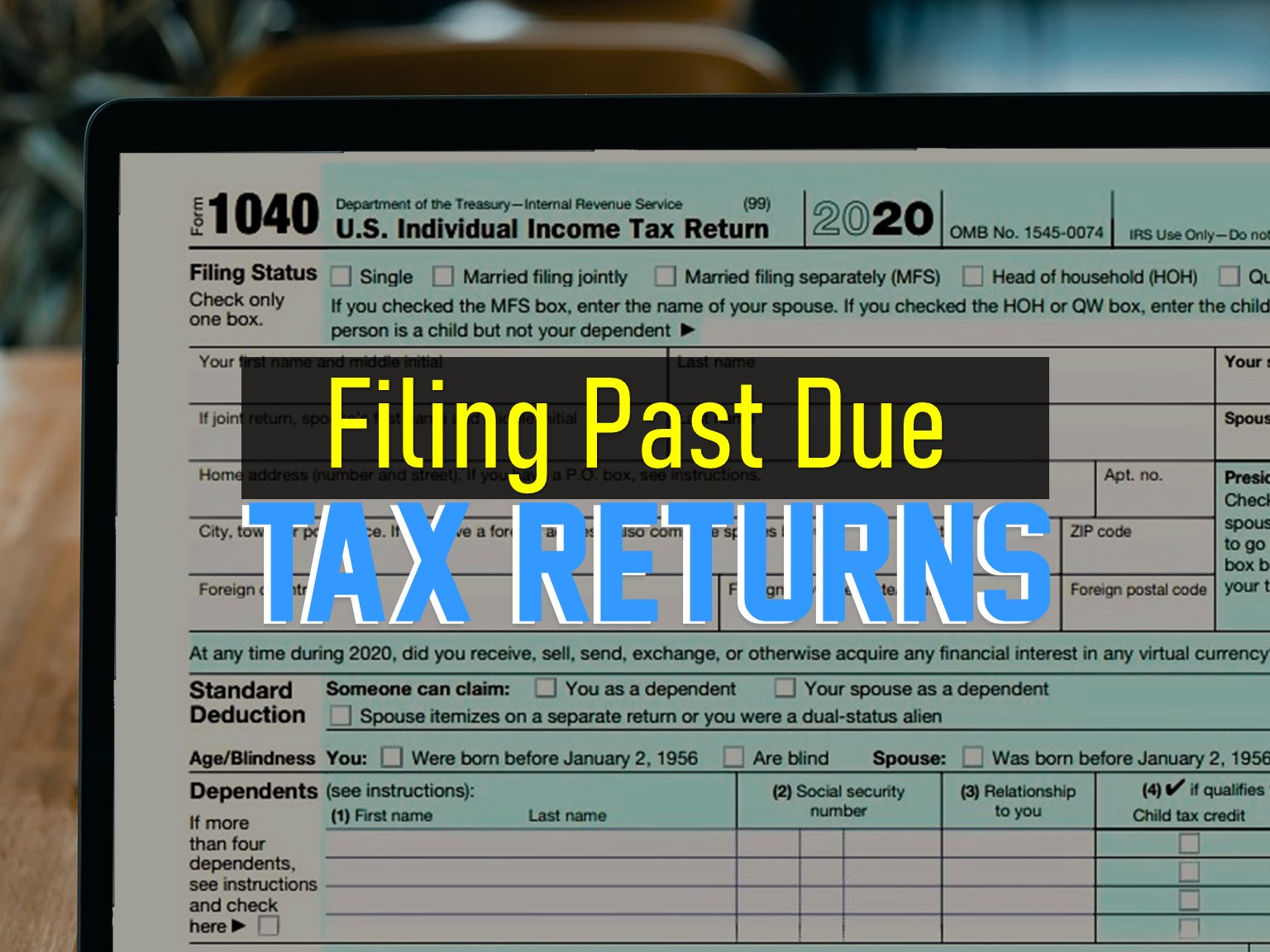
Filing back taxes requires a more methodical approach than filing for the current year, as documentation is often scattered or lost. Follow these steps to ensure accuracy and minimize the risk of an audit.
Step 1: Gathering Necessary Documentation
The foundation of any tax return is documentation. You will need W-2s, 1099s, and records of any deductions or credits you plan to claim. If you have lost these documents, do not panic. You can request a “Wage and Income Transcript” from the IRS. This transcript shows data from information returns the IRS receives, such as Forms W-2, 1099, 1098, and Form 5498. You can request these transcripts online through the IRS “Get Transcript” tool.
Step 2: Accessing the Correct Forms
Tax laws change every year. You cannot use a 2023 Form 1040 to file for the 2020 tax year. When using online software, ensure you have selected the specific year you are filing for. The software should automatically update the standard deduction amounts, tax brackets, and available credits for that specific period.
Step 3: Preparing the Return
Input your data carefully. If you are filing for multiple years, it is usually best to start with the oldest year and work forward. This is because certain items, such as capital loss carryovers or the application of an overpayment to the following year’s tax, must flow chronologically.
Step 4: Submission and Verification
While current-year returns can almost always be e-filed, the IRS sometimes requires prior-year returns (especially those older than two years) to be printed and mailed. If your online software indicates that e-file is unavailable for a specific back year, you must print the generated forms, sign them, and send them to the appropriate IRS processing center via certified mail. Always keep a copy of the signed return and the certified mail receipt for your records.
Navigating Payment Plans and Relief Programs
Once your back taxes are filed, the next hurdle is addressing any balance due. The IRS is one of the world’s most powerful debt collectors, but it also offers several “Fresh Start” initiatives to help taxpayers settle their debts without facing financial ruin.
Short-Term and Long-Term Installment Agreements
If you owe $50,000 or less in combined tax, penalties, and interest, you can often apply for an installment agreement online. A short-term agreement gives you up to 180 days to pay the balance in full, while a long-term agreement (payment plan) allows for monthly payments over up to 72 months. Setting up a direct debit payment plan can sometimes lead to a reduction in certain penalties.
Offer in Compromise (OIC)
An Offer in Compromise is a program that allows you to settle your tax debt for less than the full amount you owe. This is generally reserved for taxpayers who can demonstrate that paying the full amount would create a severe financial hardship. The IRS looks at your income, expenses, asset equity, and future earning potential. While the application process is rigorous, it can provide a clean slate for those in dire financial straits.
Penalty Abatement
If you have a history of filing on time but missed a year due to “reasonable cause” (such as a death in the family, natural disaster, or serious illness), you may qualify for administrative relief from penalties. The “First-Time Penalty Abatement” policy is a common tool used by financial advisors to help clients reduce the initial sting of back tax balances. You can often request this over the phone once your returns have been processed.
Best Practices for Maintaining Financial Compliance
Filing your back taxes is a significant achievement, but it should also serve as a catalyst for better financial habits. To ensure you never find yourself in this position again, implement a system for ongoing compliance.
Adjusting Withholdings and Estimated Payments
If you find that you consistently owe money, you may need to adjust your Form W-4 with your employer to increase the amount of tax withheld from your paycheck. If you are a freelancer or business owner, getting into the habit of making quarterly estimated tax payments is essential. Treating taxes as a monthly operating expense rather than an annual surprise is the hallmark of a healthy business finance strategy.
Digital Record Keeping
The stress of filing back taxes is often exacerbated by the hunt for paper documents. Transition to a digital record-keeping system where you scan and save all tax-related documents (receipts, 1099s, W-2s) into encrypted cloud storage. Having a “Tax Folder” for every year ensures that when the filing season arrives, you are ready to submit your return in minutes rather than days.
Building a Tax Emergency Fund
For those with variable income, a tax emergency fund is a vital safety net. Setting aside 20-30% of every payment received into a high-yield savings account ensures that the cash is available when the IRS comes calling. This proactive approach not only eliminates the fear of filing but also allows your money to earn interest for you before it is handed over to the government.
By utilizing free online tools and understanding the nuances of the IRS system, you can resolve your back taxes and reclaim your financial peace of mind. The path to financial freedom always begins with a clear accounting of the past.
aViewFromTheCave is a participant in the Amazon Services LLC Associates Program, an affiliate advertising program designed to provide a means for sites to earn advertising fees by advertising and linking to Amazon.com. Amazon, the Amazon logo, AmazonSupply, and the AmazonSupply logo are trademarks of Amazon.com, Inc. or its affiliates. As an Amazon Associate we earn affiliate commissions from qualifying purchases.