
The name Ungoliant strikes a chilling chord for any devoted reader of J.R.R. Tolkien’s Middle-earth. A creature of pure darkness and insatiable hunger, she is a pivotal, albeit shadowy, figure in the earliest days of the First Age. While Tolkien’s legendary legendarium offers glimpses into her terrifying existence, the question “What happened to Ungoliant?” is not so much about a definitive, final moment, but rather about the enduring impact of her destructive nature and the subsequent echoes of her influence. Examining her fate requires delving into the very fabric of creation in Tolkien’s world, the ancient rivalries that shaped it, and the long-term consequences of unchecked greed and malice.
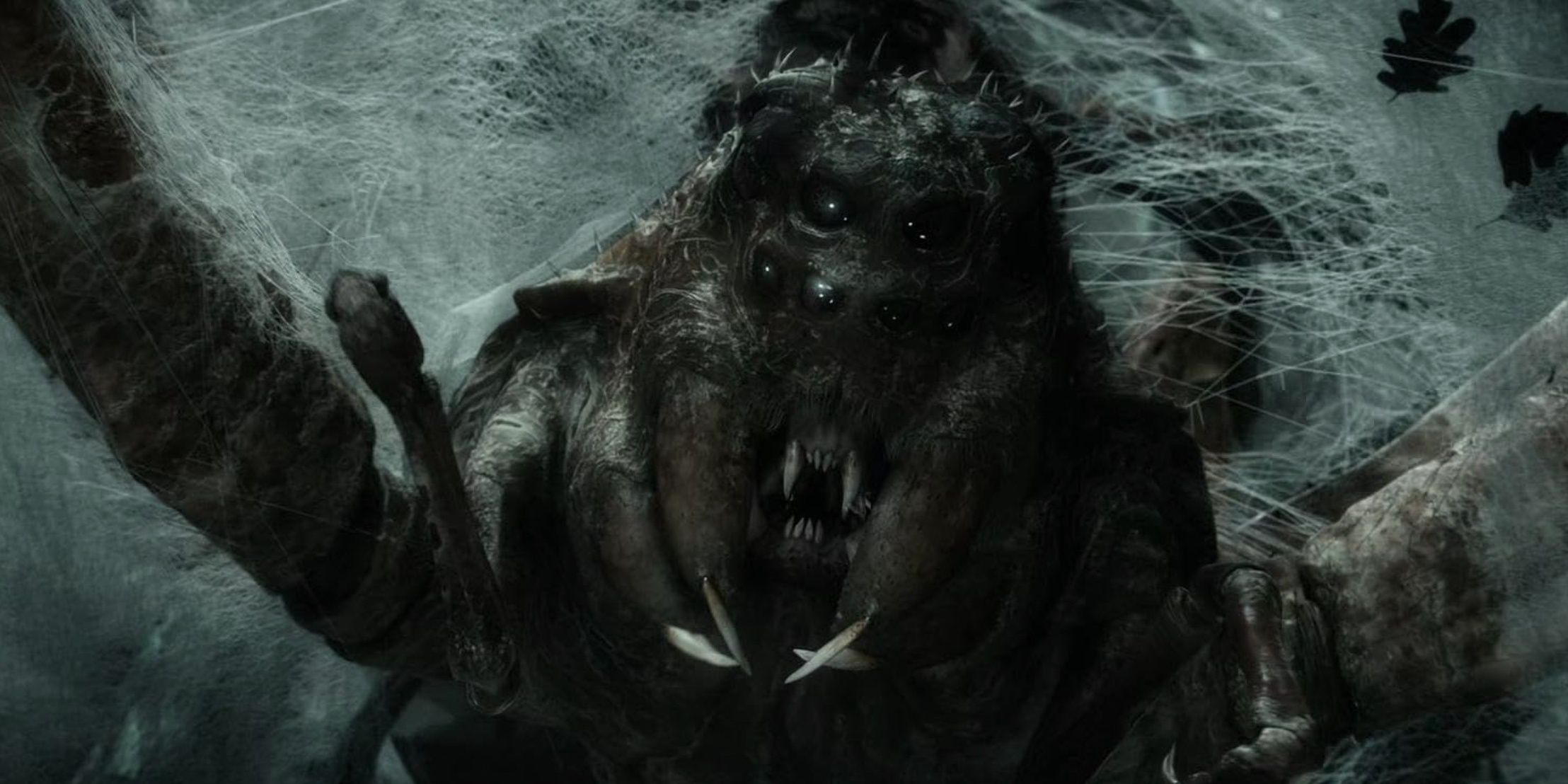
The Genesis of Shadow: Ungoliant’s Unholy Origin
To understand Ungoliant’s fate, we must first grasp her origins, a tale steeped in the primordial chaos that preceded the creation of Arda. Unlike many of Tolkien’s beings who were crafted by the Valar or borne of noble lineage, Ungoliant emerged from the Void, a primal darkness that existed before the Song of the Ainur brought the world into being. This connection to nothingness is crucial; it explains her insatiable hunger, her desire to consume light and life, and her inherent animosity towards all things good and ordered.
The Web of Corruption: A Desecration of Light
Ungoliant’s most significant act, and one that directly leads to her eventual isolation and perceived demise, is her alliance with the Vala Melkor, later known as Morgoth. Driven by their shared hatred of beauty and light, they embarked on a catastrophic campaign to destroy the Two Trees of Valinor, the source of all illumination in the Blessed Realm. This act of sacrilege was not merely symbolic; it plunged Valinor into a perpetual twilight, a profound and lasting scar on the landscape and the spirit of the Valar and Elves.
The description of Ungoliant weaving her “webs of darkness” is more than just a literal representation. It signifies her ability to corrupt and suffocate. She could spread shadows, drain life, and create an environment where fear and despair thrived. Her hunger was so profound that she consumed the very light of the Trees, leaving behind only their memory and a world forever changed. This act solidified her place as a creature of ultimate evil, a force antithetical to creation itself.
The Betrayal and the Flight: Morgoth’s Folly
The alliance between Morgoth and Ungoliant, though mutually beneficial for a time, was ultimately doomed by Morgoth’s inherent treachery. After their destructive spree in Valinor, Ungoliant, sated but still hungry, turned her gaze upon Morgoth, desiring his accumulated treasures and the power he wielded. This moment is a testament to her boundless greed, a hunger that could even challenge a Dark Lord.

The Arachnid’s Last Stand and the Shadow of Doubt
Morgoth, ever the master manipulator, was not truly vulnerable to Ungoliant. He was a Vala, a being of immense power, and while Ungoliant was a formidable entity from the Void, she lacked the divine spark of creation. When Ungoliant attempted to consume him, Morgoth let out a terrible cry, a sound that echoed through the desolate lands of Middle-earth. This cry, amplified by the Balrogs, Morgoth’s dread servants, instilled such terror in Ungoliant that she recoiled.
In her fear, she unleashed her venomous embrace, a final attempt to ensnare Morgoth, but it was insufficient. Morgoth, wounded and enraged, retaliated, forcing Ungoliant to flee. This flight marked her withdrawal from the direct affairs of Morgoth and the central stage of the Elder Days. She retreated into the deepest, darkest corners of Middle-earth, forever a creature of fear and shadow, pursued by her own insatiable hunger and the lingering threat of Morgoth’s wrath.
The Lingering Legacy: Ungoliant’s Echoes in Middle-earth
So, what happened to Ungoliant? While the narrative doesn’t provide a neat, definitive end like a slain dragon, her fate is more of a slow fading into myth and terror, a perpetual haunting rather than a final annihilation. She did not die a physical death in the way one might expect. Instead, she became a legend whispered in fear, a symbol of primal darkness.
The Children of the Shadow: A Progeny of Terror
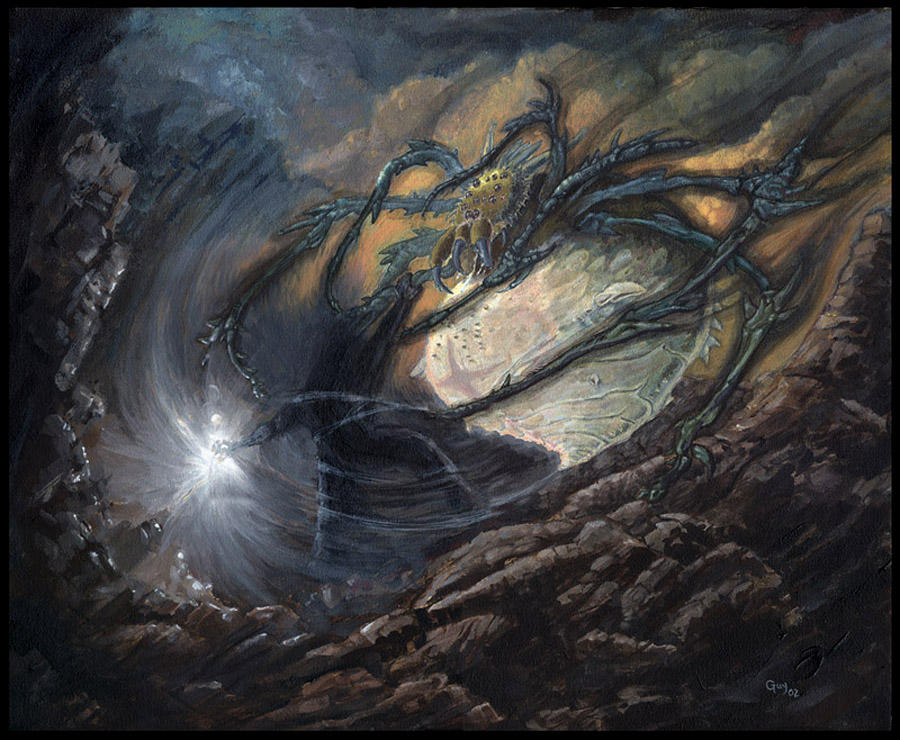
The most concrete evidence of Ungoliant’s continued existence, or at least her lasting influence, lies in her offspring. Her most famous progeny is Shelob, the giant spider that dwells in the passes of Mordor, a terrifying guardian of Sauron’s domain. Shelob is a direct descendant, inheriting her mother’s monstrous size, her venom, and her insatiable hunger for the flesh of living beings. The existence of Shelob, and potentially other lesser spider-like creatures scattered throughout the darkest regions of Middle-earth, indicates that Ungoliant’s lineage, and therefore a part of her essence, persisted long after her direct confrontation with Morgoth.
The Unseen Terror: A Symbol of Primal Fear
Beyond her direct descendants, Ungoliant’s story serves as a powerful metaphor within Tolkien’s mythology. She embodies the primal fear of the dark, the unknown, and the consuming void. Her hunger represents the destructive potential of unchecked greed and malice, a force that seeks to undo all that has been created. Even if Ungoliant herself eventually succumbed to starvation in some forgotten abyss, her legend continued to inspire terror, serving as a cautionary tale about the dangers of embracing darkness. Her influence can be seen in the pervasive sense of dread associated with spiders and dark, tangled places throughout the stories, a subtle but persistent reminder of her once-terrible presence.
In conclusion, “What happened to Ungoliant?” is a question that leads not to a singular event but to a profound understanding of the enduring power of evil. She was a creature of the void, a destroyer of light, and a harbinger of despair. While her direct reign of terror may have ended with her flight from Morgoth, her legacy lived on through her monstrous offspring and the primal fear she instilled in the very foundations of Middle-earth. She remains a potent symbol of the darkness that lurks, ever-present, in the shadowed corners of existence.
aViewFromTheCave is a participant in the Amazon Services LLC Associates Program, an affiliate advertising program designed to provide a means for sites to earn advertising fees by advertising and linking to Amazon.com. Amazon, the Amazon logo, AmazonSupply, and the AmazonSupply logo are trademarks of Amazon.com, Inc. or its affiliates. As an Amazon Associate we earn affiliate commissions from qualifying purchases.