
The transition from paper-based tax filing to digital submission has fundamentally altered the landscape of personal finance. What was once a daunting weekend of calculators, physical receipts, and complex instruction booklets has been replaced by intuitive, algorithm-driven platforms that streamline the compliance process. Doing your taxes online is no longer just a convenience; it is a strategic financial move that minimizes errors, maximizes eligible deductions, and significantly accelerates the delivery of refunds. In an era where financial literacy is synonymous with digital proficiency, understanding the nuances of online filing is essential for every taxpayer, from the salaried employee to the high-net-worth investor and the independent contractor.

Selecting the Optimal Filing Platform for Your Financial Profile
The first step in navigating the digital tax landscape is selecting a platform that aligns with the complexity of your financial life. The market is saturated with options ranging from government-sponsored free tools to high-end professional software designed for complex corporate structures.
The IRS Free File Program
For many Americans, the most cost-effective way to file online is through the IRS Free File program. This is a public-private partnership between the Internal Revenue Service and several tax preparation software companies. If your Adjusted Gross Income (AGI) falls below a specific threshold—typically around $79,000—you are eligible for brand-name software at no cost. This is an underutilized resource that provides the same level of security and accuracy as paid versions, making it an ideal starting point for those with straightforward income streams, such as a single W-2.
Premium Tax Software for Complex Portfolios
As financial portfolios grow to include diversified assets—such as brokerage accounts, rental properties, or cryptocurrency—the need for more robust software becomes apparent. Premium platforms like TurboTax, H&R Block, and TaxAct offer specialized modules that can automatically import data from financial institutions. This automation reduces the risk of manual entry errors when reporting capital gains, dividends, and interest income. For those managing a “Money” focused lifestyle, these tools often include “what-if” scenarios that allow for year-round tax planning rather than just reactive filing.
Specialized Solutions for Business Owners and Freelancers
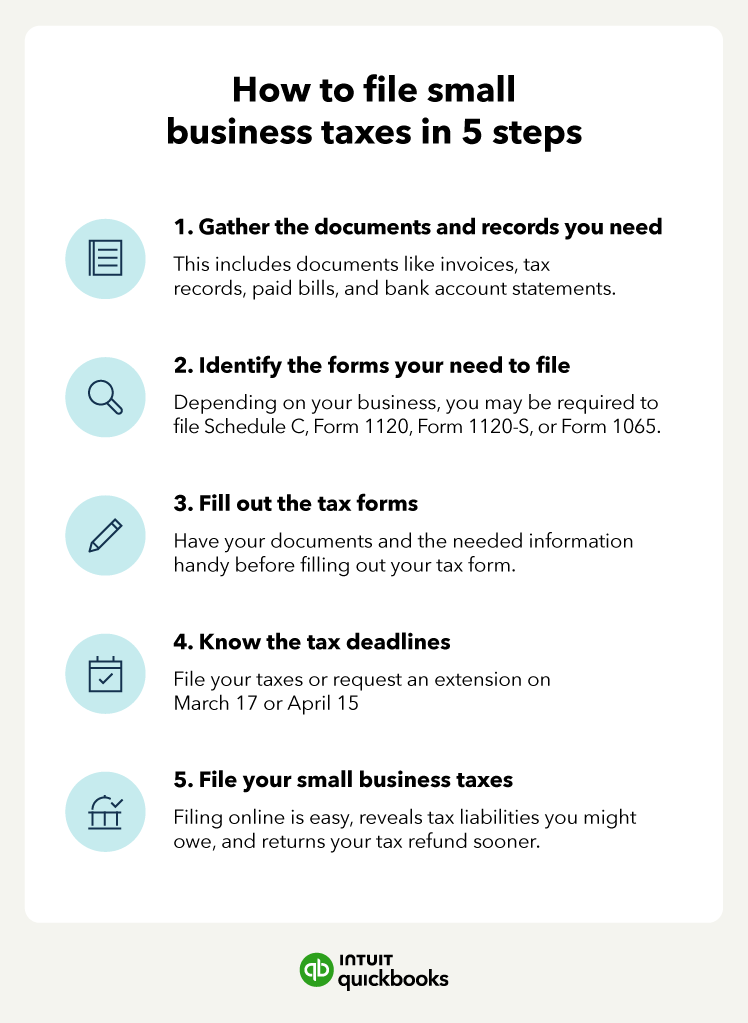
The rise of the gig economy has introduced a new layer of complexity to personal finance. Freelancers and small business owners must deal with Schedule C filings, self-employment taxes, and home office deductions. In these instances, choosing a platform that integrates with accounting software like QuickBooks or FreshBooks is invaluable. These specialized online tools help categorize expenses throughout the year, ensuring that when tax season arrives, the transition from bookkeeping to tax filing is seamless and accurate.
Streamlining Your Financial Data: Preparation and Documentation
Before logging into any digital portal, the most critical phase of online filing occurs: the consolidation of financial data. Digital filing is only as effective as the data provided. Professional financial management requires a systematic approach to gathering documentation to ensure no credit or deduction is overlooked.
Inventory of Income Statements
In the digital age, most income statements are delivered electronically. You must gather all relevant forms, including W-2s from employers, various 1099s (1099-INT for interest, 1099-DIV for dividends, 1099-B for brokerage transactions, and 1099-NEC for non-employee compensation), and 1098s for mortgage interest or student loan payments. If you participate in the digital asset market, you must also obtain transaction histories from cryptocurrency exchanges, as the IRS continues to increase its scrutiny of virtual currency holdings.
Identifying Deductible Expenses and Credits
To optimize your financial outcome, you must distinguish between the standard deduction and itemized deductions. While the majority of taxpayers now take the standard deduction due to the high thresholds set by the Tax Cuts and Jobs Act, those with significant medical expenses, large charitable contributions, or substantial state and local taxes (SALT) may still benefit from itemizing. Online platforms are particularly adept at performing a side-by-side comparison to determine which method results in a lower tax liability.
Digital Security and Data Protection
Filing taxes online involves transmitting highly sensitive personal and financial information, including Social Security numbers and bank account details. It is imperative to use a secure, private internet connection—never public Wi-Fi. Furthermore, reputable tax software providers employ multi-factor authentication (MFA) and high-level encryption. From a financial security standpoint, ensuring your digital “paper trail” is stored in an encrypted cloud drive or a password-protected local file is a best practice for long-term identity protection.
A Comprehensive Walkthrough of the Online Filing Journey
Once your documentation is organized and your platform is selected, the actual filing process follows a logical progression designed to ensure compliance with the ever-evolving tax code.

Inputting Personal and Dependent Information
The process begins with identity verification. This includes basic demographic data for yourself, your spouse, and any dependents. Accurate dependent information is crucial, as it unlocks significant financial benefits such as the Child Tax Credit (CTC) and the Credit for Other Dependents. Modern online tools use interview-style questions to determine your filing status (Single, Married Filing Jointly, Head of Household, etc.), which dictates your tax brackets and deduction limits.
The Automated Import Process
One of the greatest advantages of doing taxes online is the ability to import data directly from employers and financial institutions. By providing your login credentials or unique document IDs, the software can pull data from your W-2s and 1099s directly into the appropriate fields on your return. This not only saves hours of manual entry but also eliminates the “fat-finger” errors that frequently trigger IRS notices. For investors, this feature is vital for accurately reporting the cost basis of sold securities, a common area of confusion in manual filing.
Reviewing for Errors and Audit Red Flags
Before the final submission, high-quality online tax software performs a comprehensive diagnostic check. These “audit meters” or “error checkers” scan your return for inconsistencies—such as a missing signature, a mismatched Social Security number, or figures that vary wildly from historical norms. From a money management perspective, this review phase is the final opportunity to ensure that you have claimed every possible credit, such as the Earned Income Tax Credit (EITC) or the Saver’s Credit for retirement contributions.
Leveraging Tax Credits and Deductions to Optimize Your Return
The primary goal of any tax strategy is to minimize the effective tax rate and maximize the retention of wealth. Online filing platforms are designed to guide users through the complex maze of credits and deductions that can significantly impact their bottom line.
Understanding Standard vs. Itemized Deductions
The choice between the standard deduction and itemizing is a fundamental financial decision. Online software calculates both automatically based on your inputs. For the 2023 and 2024 tax years, the standard deduction is quite high, meaning most individuals will find it more beneficial than itemizing. However, for those with high mortgage debt or significant philanthropic commitments, itemizing on Schedule A remains a powerful tool for reducing taxable income.
High-Value Tax Credits
Unlike deductions, which reduce the amount of income subject to tax, credits provide a dollar-for-dollar reduction in the actual tax owed. This makes them incredibly valuable. Online filing tools are programmed to identify eligibility for education credits (like the American Opportunity Tax Credit), energy-efficiency credits for home improvements, and various family-related credits. Understanding the difference between refundable and non-refundable credits is key; a refundable credit can result in a check from the IRS even if your tax liability is zero.
Strategic Considerations for Investment Income
For those focused on building wealth, the way investment income is handled online is paramount. Software helps distinguish between short-term capital gains (taxed at ordinary income rates) and long-term capital gains (taxed at preferential rates). Furthermore, online platforms facilitate “tax-loss harvesting” by allowing you to input capital losses that can offset gains, up to a $3,000 net loss against ordinary income. This level of granular financial control is much harder to achieve without the computational power of digital filing.
Finalizing the Submission and Managing Your Financial Future
The final stage of doing your taxes online involves the actual transmission of the return and the strategic management of the resulting refund or balance due.
Choosing Electronic Funds Transfer (EFT)
To ensure the fastest possible processing of your return, you should opt for electronic filing (e-file) combined with direct deposit. The IRS typically issues refunds in less than 21 days for e-filed returns, compared to six to eight weeks for paper returns. When you owe money, online platforms allow you to schedule payments directly from your bank account, helping you manage cash flow and avoid late-payment penalties.
Long-Term Record Retention
The completion of a tax return is not the end of the financial cycle. Digital filing makes record-keeping significantly easier. Most online platforms provide a PDF copy of your entire return, including all supporting schedules. You should store these documents in at least two locations (e.g., a physical hard drive and a secure cloud service). Tax professionals generally recommend keeping records for at least three to seven years, depending on the complexity of the return and the potential for future audits.
Adjusting Withholdings for Next Year
The most insightful part of the online filing process is the “wrap-up” summary. If you receive a massive refund, it indicates that you have effectively given the government an interest-free loan for a year. Conversely, a large tax bill suggests you may face underpayment penalties. Use the data from your online return to adjust your W-4 with your employer or update your quarterly estimated tax payments. By fine-tuning your withholdings, you can ensure that more money stays in your investment accounts or high-yield savings throughout the year, rather than sitting with the Treasury.
Doing your taxes online is more than just a digital chore; it is an annual audit of your financial health. By utilizing the right platforms, maintaining meticulous digital records, and leveraging the automated intelligence of modern software, you can transform tax season from a period of stress into a strategic component of your long-term wealth management plan. Consistency, accuracy, and a proactive approach to digital filing ensure that you are not only compliant with the law but also positioned for optimal financial growth.
aViewFromTheCave is a participant in the Amazon Services LLC Associates Program, an affiliate advertising program designed to provide a means for sites to earn advertising fees by advertising and linking to Amazon.com. Amazon, the Amazon logo, AmazonSupply, and the AmazonSupply logo are trademarks of Amazon.com, Inc. or its affiliates. As an Amazon Associate we earn affiliate commissions from qualifying purchases.