
The digital transformation of the global financial system has fundamentally altered how individuals interact with the internal revenue services of their respective countries. In the contemporary landscape, filing taxes online is no longer merely an alternative to paper forms; it is the industry standard for efficiency, accuracy, and financial optimization. Navigating the online tax landscape requires a blend of organizational discipline, an understanding of digital financial tools, and a strategic approach to maximizing personal wealth. Whether you are a salaried employee, a freelance professional, or a seasoned investor, mastering the online filing process is a critical component of modern financial literacy.

Choosing the Right Digital Tax Platform
The first step in the online filing journey is selecting a platform that aligns with your specific financial complexity. The market for tax preparation software is diverse, offering solutions ranging from basic automated forms to sophisticated suites designed for high-net-worth individuals and business owners.
Evaluating Free Filing vs. Paid Services
For many taxpayers with straightforward financial situations—typically those with a single W-2 and no significant investments—the IRS Free File program or various “free edition” commercial softwares are highly effective. These tools allow you to input your data and file federal returns at no cost, though state filing may sometimes carry a fee. However, as your financial portfolio grows to include rental properties, stock market gains, or self-employment income, the investment in a “Deluxe” or “Premium” tier often pays for itself. These higher-tier platforms provide more robust deduction finders and audit protection, which can lead to a lower total tax liability that far outweighs the software’s subscription price.
Security and Data Integrity in Personal Finance
When doing taxes online, you are handling the most sensitive financial data in your life, including Social Security numbers, bank account details, and income records. It is vital to choose a platform that utilizes multi-factor authentication (MFA) and high-level encryption. Beyond the software itself, your personal financial hygiene—such as using a secure, private Wi-Fi connection and ensuring your hardware is updated—is the first line of defense against identity theft. A secure digital filing process is the foundation of a healthy financial life.
Integrating Automated Financial Import Tools
One of the primary advantages of modern tax software is the ability to import data directly from employers and financial institutions. By connecting your brokerage accounts or payroll providers to your tax software, you minimize the risk of manual entry errors. This integration ensures that every cent of interest, every dividend payment, and every capital gain is accounted for accurately. In the eyes of a financial strategist, this automation is not just a convenience; it is a method of ensuring compliance and avoiding the costly interest and penalties associated with filing errors.
Organizing Your Financial Documentation
Before logging into any portal, a successful tax season begins with a comprehensive audit of your yearly financial activity. Digital filing is only as good as the data provided, and a “garbage in, garbage out” approach can lead to missed opportunities for savings.
Income Documentation for Diversified Revenue Streams
Most taxpayers are familiar with the W-2, but the modern economy often involves multiple income streams. You must gather all versions of Form 1099, including 1099-NEC for non-employee compensation, 1099-INT for interest, and 1099-DIV for dividends. For those participating in the gig economy or selling products online, keeping track of 1099-K forms from third-party payment processors is essential. Organizing these documents into a single digital folder allows for a seamless upload process, ensuring that your Adjusted Gross Income (AGI) is calculated correctly from the start.
Tracking Deductions to Lower Taxable Income
To maximize your financial position, you must choose between the standard deduction and itemizing. For the majority of filers, the standard deduction is the most beneficial path, but those with significant mortgage interest, large charitable contributions, or substantial medical expenses may find more value in itemizing. Digital tools often run a “side-by-side” comparison to determine which method results in a lower tax bill. Keeping digital receipts for business expenses, home office costs, and education-related spending throughout the year is a hallmark of proactive financial management.

The Importance of Basis and Capital Gains
For investors, the online filing process often involves reporting capital gains and losses. Form 1099-B is the standard for this, but understanding your “cost basis”—the original value of an asset—is crucial for calculating the tax owed. Most modern online platforms can calculate your net gain or loss across multiple trades, allowing you to utilize “tax-loss harvesting” to offset capital gains and potentially reduce your taxable income by up to $3,000 in a given year. This is a sophisticated financial move that digital filing makes accessible to the average person.
The Step-by-Step Online Submission Process
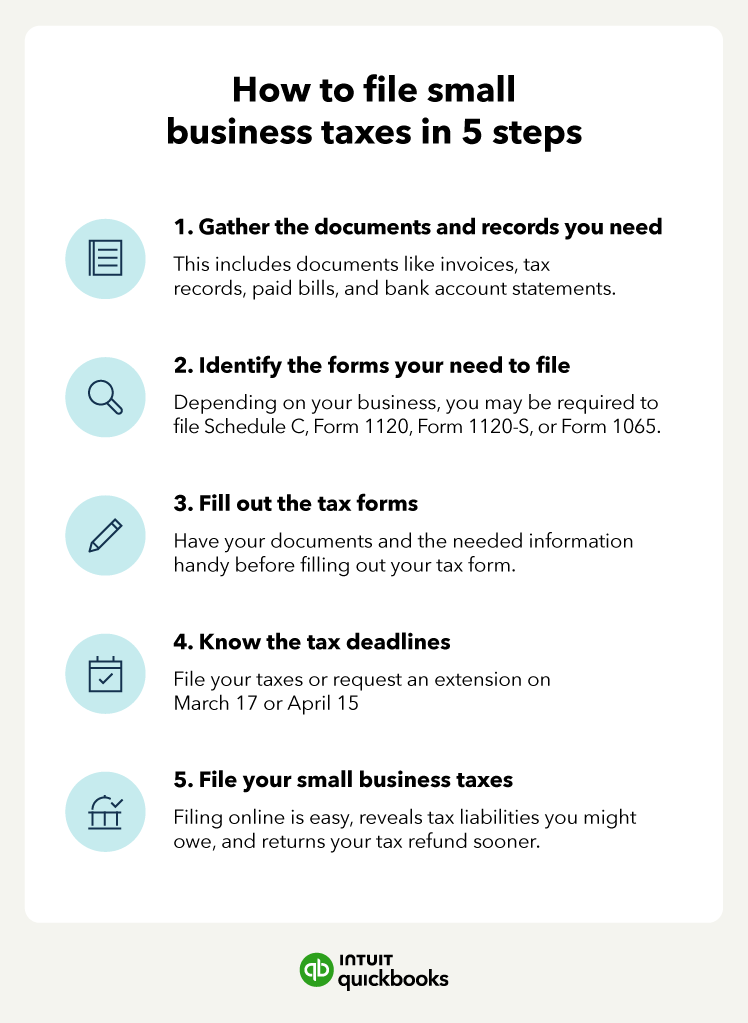
Once your data is organized, the actual process of online filing involves a series of logical steps designed to verify the information and ensure its safe transmission to the government.
Data Entry and Real-Time Calculations
As you navigate the interview-style interface of most tax software, the system calculates your tax liability or refund in real-time. This immediate feedback is one of the most powerful aspects of doing taxes online. It allows you to see how different variables—such as an additional contribution to a traditional IRA—directly impact your bottom line. This transparency enables you to make informed financial decisions up until the moment of submission.
The Comprehensive Review and Error Check
Before the final submission, online platforms run a series of diagnostic checks. They look for missing information, mathematical inconsistencies, and “red flags” that might trigger an audit. This phase is critical for financial peace of mind. Ensuring that your names, addresses, and Social Security numbers match official records prevents the “rejection” of a return, which can delay refunds and complicate your financial planning for the year.
Electronic Signature and Direct Deposit
The final step is the electronic signature (e-file) and the selection of a refund method. For those seeking the fastest access to their capital, direct deposit is the gold standard. By providing your bank’s routing and account numbers, you can often receive a refund in as little as 21 days. From a cash-flow management perspective, having those funds back in your account quickly allows you to re-invest, pay down debt, or bolster your emergency fund, putting your money back to work immediately.
Strategic Financial Adjustments Post-Filing
Filing your taxes online should not be viewed as a one-time event, but rather as an annual financial physical. The data generated during this process provides deep insights into your overall financial health.
Evaluating Tax Withholding and Estimated Payments
If you find yourself with a massive refund, it essentially means you have given the government an interest-free loan for the year. Conversely, if you owe a significant amount, you may face underpayment penalties. Use the results of your online filing to adjust your W-4 with your employer or to set up more accurate quarterly estimated payments. Balancing your withholding is a strategic move that increases your monthly take-home pay, allowing for more consistent investment throughout the year.
Maximizing Tax-Advantaged Contributions
Many online tax tools will alert you if you haven’t maxed out your contributions to accounts like an IRA or an HSA (Health Savings Account) for the previous tax year. You often have until the filing deadline in April to make contributions that count toward the prior year’s taxes. This is one of the most effective ways to lower your AGI and build long-term wealth simultaneously. Utilizing the “what-if” scenarios in your tax software can show you exactly how much a last-minute contribution will save you in taxes.
Long-Term Wealth Planning and Record Keeping
Once your return is accepted, your digital tax platform will provide a PDF of your completed return. Storing this in a secure, encrypted cloud storage service is vital for future financial needs, such as applying for a mortgage or securing a business loan. Furthermore, reviewing the trends in your income and deductions over several years helps in identifying patterns in your wealth accumulation. Understanding the “tax drag” on your investments is a sophisticated component of portfolio management that begins with the data you input during the online filing process.
By approaching online tax filing as a strategic financial exercise rather than a bureaucratic chore, you can gain better control over your capital, ensure compliance with the law, and find new avenues for growing your net worth. The convenience of technology, when combined with sound financial principles, transforms tax season from a period of stress into an opportunity for financial optimization.
aViewFromTheCave is a participant in the Amazon Services LLC Associates Program, an affiliate advertising program designed to provide a means for sites to earn advertising fees by advertising and linking to Amazon.com. Amazon, the Amazon logo, AmazonSupply, and the AmazonSupply logo are trademarks of Amazon.com, Inc. or its affiliates. As an Amazon Associate we earn affiliate commissions from qualifying purchases.