
Christopher Nolan’s Interstellar is a cinematic masterpiece that plunges us into a desolate future where humanity’s survival hinges on a perilous journey through a wormhole. While the film’s narrative is driven by the extraordinary voyages of Cooper and his crew, a crucial element often overlooked is the stark, unrecognizable state of Earth. The movie doesn’t just present a backdrop; it meticulously crafts a world teetering on the brink, a consequence of environmental degradation so severe that it poses an existential threat. Understanding “what happened to the world in Interstellar” requires us to delve into the technological, societal, and economic forces that led to this bleak reality.
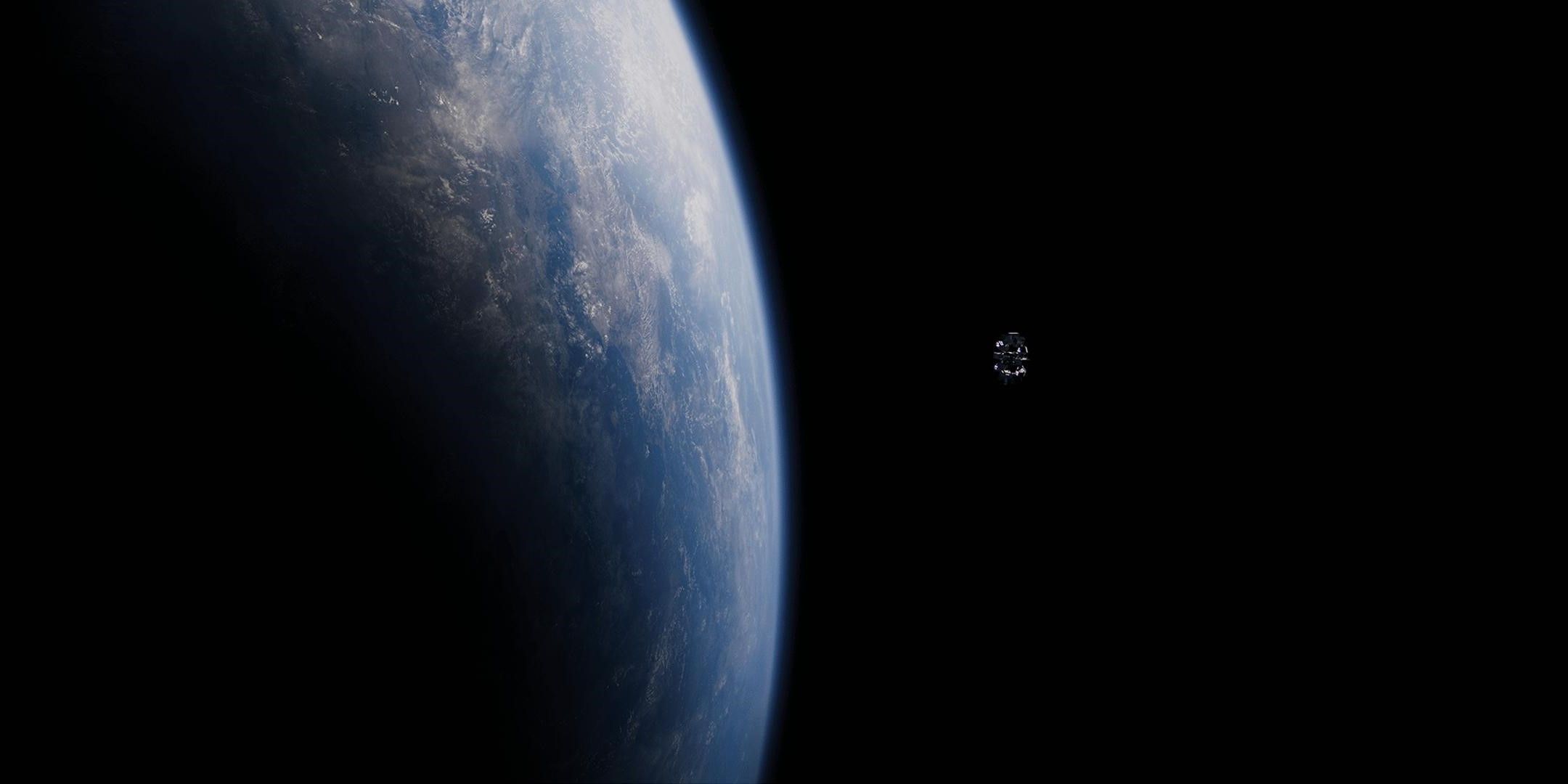
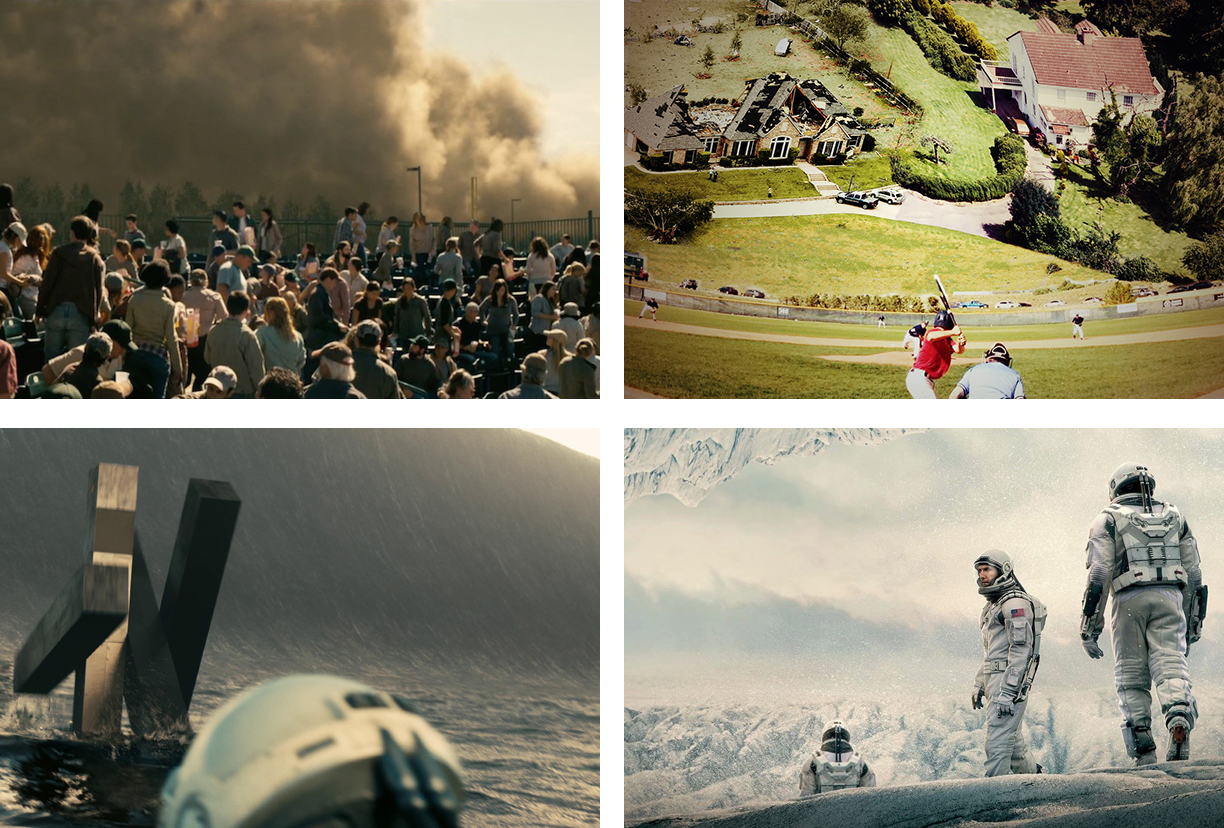
The film paints a grim picture: choking dust storms are commonplace, the ozone layer is depleted, and breathable air is a luxury. Farming, once the bedrock of civilization, has become an increasingly impossible endeavor. This isn’t a sudden cataclysm, but a slow, insidious decline, a gradual suffocation of the planet caused by humanity’s relentless exploitation of its resources. Interstellar serves as a chilling, albeit fictional, extrapolation of trends that are increasingly relevant in our own world, prompting us to consider the technological, brand, and financial implications of such a trajectory.
The Slow Suffocation: Environmental Collapse and Technological Stagnation
The world of Interstellar is a testament to the devastating consequences of unchecked environmental damage. The omnipresent blight of blight, a fungal disease that eradicates most food crops, has plunged Earth into an agrarian crisis. This agricultural failure is the immediate trigger for humanity’s desperate measures, but it’s a symptom of a deeper, systemic problem: the planet’s ecosystem has been fundamentally compromised.
The Technological Irony: Advanced Yet Stagnant
What makes the world of Interstellar so poignant is the ironic juxtaposition of advanced technological potential with societal regression. We see evidence of sophisticated engineering in the form of the Saturn-based space station, “Cooper Station,” and the intricate workings of the spacecraft, Endurance. This suggests that the knowledge and capability for advanced technology haven’t vanished entirely. However, the societal infrastructure and economic priorities have shifted drastically.
The focus has narrowed, driven by the immediate need for survival. Education has regressed; Cooper’s daughter, Murph, is a brilliant young mind stifled by a curriculum that prioritizes practical skills like farming over scientific inquiry and exploration. This isn’t a world where innovation thrives; it’s a world where the intellectual capital necessary for groundbreaking advancements is being starved. The resources and focus that would typically fuel technological progress in areas like sustainable energy, environmental remediation, or advanced AI for problem-solving are instead directed towards a Hail Mary mission through space.
The film subtly suggests that humanity’s past technological excesses – the industrialization that polluted the atmosphere and the unsustainable resource extraction – have finally caught up with them. The environmental collapse isn’t just a natural phenomenon; it’s a direct consequence of choices made over generations. The reliance on fossil fuels, the inability to transition to cleaner energy sources, and the disregard for ecological balance have created a feedback loop of destruction.
The absence of sophisticated climate modeling, widespread adoption of renewable energy, and proactive environmental policies in the film’s portrayal of Earth’s past highlights a critical failure in foresight and action. Instead, the world is left grappling with the aftermath, a stark warning about the long-term implications of short-sighted decision-making. The technological “genius” that allowed them to build rockets was not applied to saving their home planet.
The Brand of Survival: Necessity Dictates Identity
In a world where the very air is a concern and food is scarce, traditional notions of branding and consumerism have been rendered obsolete. The “brand” of this Earth is one of hardship, resilience, and desperation. Corporate identities, marketing campaigns, and the pursuit of luxury goods have been replaced by the stark reality of survival.
The logos and branding that might have once adorned products are now irrelevant. The emphasis has shifted from aspirational marketing to utilitarian necessity. What matters is function, durability, and the ability to sustain life. The few remaining vestiges of mass production are likely focused on essential goods: agricultural equipment, basic tools, and perhaps rudimentary protective gear against the dust.
The “brand” of the government and the remnants of global institutions is one of failure and a desperate scramble for redemption. Their authority is derived not from economic prowess or social influence, but from their perceived ability to offer a solution, however improbable. The space program, represented by NASA (albeit in a clandestine capacity), becomes the ultimate brand – the last beacon of hope. Their branding shifts from exploration and scientific advancement to one of salvation and exodus.
This is a world where personal branding, the pursuit of individual status through curated online personas or fashionable trends, is a forgotten luxury. The only “personal brand” that matters is one of competence, resourcefulness, and the ability to contribute to the collective survival. The societal narrative is no longer about individual achievement and self-expression through consumption, but about collective effort and the shared burden of extinction.
The Price of Neglect: Economic Devastation and the Value of Resources

The environmental crisis depicted in Interstellar has had a catastrophic impact on the global economy. The loss of arable land and the failure of staple crops have led to widespread famine and economic collapse. The film’s portrayal of a predominantly agrarian society, stripped of its technological prowess, reflects a profound economic regression.
The Shift in Economic Priorities
The global economy, as we understand it, has been fundamentally reshaped. The pursuit of profit and economic growth, the driving forces of many modern economies, have been replaced by the primal need for sustenance and basic survival. Currency and financial markets likely hold little sway in a world where the most valuable commodity is food.
The remnants of economic activity are centered around essential resources: fertile land, clean water, and the means to produce food. Bartering and localized economies likely dominate, with trade based on tangible goods and essential services. The concept of “online income” or “side hustles” as we know them would be an anachronism. The “side hustle” is now foraging for edible plants or scavenging for usable materials.
The financial tools that facilitate global trade and investment are likely non-existent or severely diminished in their relevance. The focus has shifted from abstract financial instruments to the very tangible realities of resource management and production. This economic devastation is a direct consequence of the environmental neglect. The sustained exploitation of natural resources without adequate investment in sustainability has ultimately undermined the very economic systems that depend on them.
The Cost of the Mission: A Galactic Gamble
The decision to launch the Interstellar mission is itself an enormous economic undertaking. It requires diverting scarce resources and intellectual capital away from immediate survival efforts on Earth. This highlights the extreme desperation of the situation. The cost of building and launching the spacecraft, sustaining the crew, and funding the theoretical research needed for the mission is astronomical, especially for a planet teetering on the edge of collapse.
This paradox underscores a critical point: the economic investment in short-term survival (like band-aid solutions for the blighted crops) has been insufficient, while the investment in a long-term, high-risk gambit is deemed necessary. This reflects a societal calculation where the potential for humanity’s survival, even if through a multi-generational space odyssey, outweighs the dwindling hope of restoring Earth.
The film also implies a significant disparity in resource allocation. While the majority of humanity struggles with famine, the resources to undertake such a monumental space endeavor are somehow still available. This suggests a lingering, albeit diminished, infrastructure for large-scale technological projects, perhaps controlled by a select group or a remnants of a former global authority. This could also be a point of contention: is it morally justifiable to invest so heavily in a space mission when so many are suffering on Earth?
The economic argument for the mission is therefore one of ultimate cost-benefit analysis. The cost of inaction, the guaranteed extinction of humanity on Earth, is infinite. Therefore, any investment, no matter how immense, into a potential solution is rationalized. This is the ultimate financial gamble, a bet on the future of the species, made at the expense of the present.
The Future of Humanity: A Brand New Beginning or a Repeating Cycle?
The world of Interstellar presents a sobering reflection of our own potential future. The film serves as a powerful cautionary tale, urging us to consider the technological choices we make, the brands we build and consume, and the financial systems we perpetuate, all in the context of our planet’s delicate ecological balance.
The film leaves us with a profound question: if humanity were to escape a dying Earth and establish new colonies, would they repeat the mistakes of their ancestors? Would new brands of consumption emerge, new technological paths be taken, and new financial models be implemented that are any more sustainable than those that led to Earth’s demise?
The potential for a “brand new beginning” on a new planet hinges on a fundamental shift in human behavior and priorities. It requires a conscious rejection of the exploitative practices that devastated Earth and an embrace of sustainable technologies, responsible resource management, and a redefined sense of collective purpose. The technological advancements witnessed in the film’s space program, if redirected towards planetary restoration and sustainable living, could offer a glimmer of hope.
However, the ingrained human tendencies towards expansion, consumption, and short-term gain are powerful forces. Without a profound ethical and philosophical reorientation, it’s entirely plausible that the cycle would repeat, with new worlds eventually succumbing to the same forces that doomed Earth. The “brand” of humanity in Interstellar is one of potential brilliance marred by self-destructive tendencies.
Ultimately, Interstellar is more than just a science fiction epic; it’s a compelling exploration of humanity’s relationship with its environment, its technological capabilities, and its economic priorities. The state of the world in the film is a stark reminder that the future we inhabit is not predetermined, but is actively shaped by the decisions we make today. The question of “what happened to the world in Interstellar” is, in many ways, a question about what could happen to our own.
aViewFromTheCave is a participant in the Amazon Services LLC Associates Program, an affiliate advertising program designed to provide a means for sites to earn advertising fees by advertising and linking to Amazon.com. Amazon, the Amazon logo, AmazonSupply, and the AmazonSupply logo are trademarks of Amazon.com, Inc. or its affiliates. As an Amazon Associate we earn affiliate commissions from qualifying purchases.