
Texas Roadhouse has become a titan of the casual dining industry. Known for its hand-cut steaks, fall-off-the-bone ribs, and those legendary honey cinnamon butter rolls, the brand has managed to do something many of its competitors have failed to do: achieve consistent, year-over-year growth in a volatile economy. For investors, entrepreneurs, and curious diners alike, the financial performance of this powerhouse is a masterclass in operational efficiency.
When we ask, “How much does Texas Roadhouse make a day?” we are looking at more than just a single number. We are looking at a complex ecosystem of logistics, labor management, and consumer psychology. To understand the daily earnings of a Texas Roadhouse, we must break down the annual revenue across its hundreds of locations and analyze the margins that keep the “Legendary Food, Legendary Service” mantra profitable.

Breaking Down the Revenue: The Daily Earnings of a Texas Roadhouse Location
To calculate the daily revenue of a Texas Roadhouse, we must first look at the company’s Average Unit Volume (AUV). According to the company’s recent fiscal reports, the average Texas Roadhouse location generates approximately $7.5 million to $8 million in annual sales. Some high-performing locations in densely populated or high-traffic areas even exceed the $10 million mark.
The Mathematics of a Single Day
If we take a standard average of $7.6 million in annual revenue per restaurant and divide it by the 365 days in a year, the figure comes out to approximately $20,821 per day, per location. However, it is important to remember that restaurant revenue is never distributed evenly across the week.
A Texas Roadhouse is typically much busier on Fridays and Saturdays than on Mondays or Tuesdays. On a peak Saturday evening, a single location might bring in $35,000 to $45,000, while a slow Monday might see revenue closer to $12,000 or $15,000. This disparity is bridged by the brand’s strategic operational hours; most Texas Roadhouse locations are only open for dinner during the week, opening for lunch only on Fridays, Saturdays, and Sundays. This strategy maximizes revenue during high-demand hours while minimizing labor and utility costs during slow periods.
Volume as a Competitive Advantage
Texas Roadhouse operates on a high-volume business model. Unlike fine-dining establishments that rely on high price points and low turnover, Texas Roadhouse focuses on “turning tables.” The goal is to move as many guests through the dining room as possible without sacrificing the quality of the experience. With an average check per guest ranging from $20 to $30, the restaurant must serve hundreds—and often over a thousand—guests per day to reach that $20,000+ daily average.
Cost Structures and Profit Margins: What’s Left After the Steaks are Sold?
Revenue is only half of the story. To understand the financial health of the brand, we must look at what it costs to generate that $20,821 a day. The restaurant industry is notoriously thin-margined, but Texas Roadhouse consistently maintains restaurant-level profits that outpace many of its peers.
Cost of Goods Sold (COGS) and Beef Inflation
The largest expense for Texas Roadhouse is its inventory—specifically beef. Approximately 45% of their menu is focused on steak. This makes the company’s daily earnings highly sensitive to the commodities market. When cattle prices rise, the profit margin on every ribeye and sirloin narrows.
Typically, the Cost of Goods Sold for a high-performing steakhouse sits between 30% and 35%. This means that of that $20,821 earned in a day, roughly $6,500 to $7,300 is spent immediately on the food and beverages served. Texas Roadhouse manages this through a sophisticated “meat cutting” program. By having in-house butchers hand-cut every steak, they reduce waste and maintain better control over portion costs compared to competitors who buy pre-cut portions.
Labor Costs and the Hospitality Gap
Labor is the second-largest expense, usually accounting for 28% to 33% of revenue. In a single day, a location must pay for line cooks, prep cooks, butchers, servers, hosts, and management. Texas Roadhouse is unique in its “Managing Partner” program, where the store manager is required to invest their own money into the location in exchange for a percentage of the profits. This creates an ownership mentality at the local level, ensuring that labor is optimized and waste is minimized. On an average day, labor might eat up another $6,000 of that daily revenue.
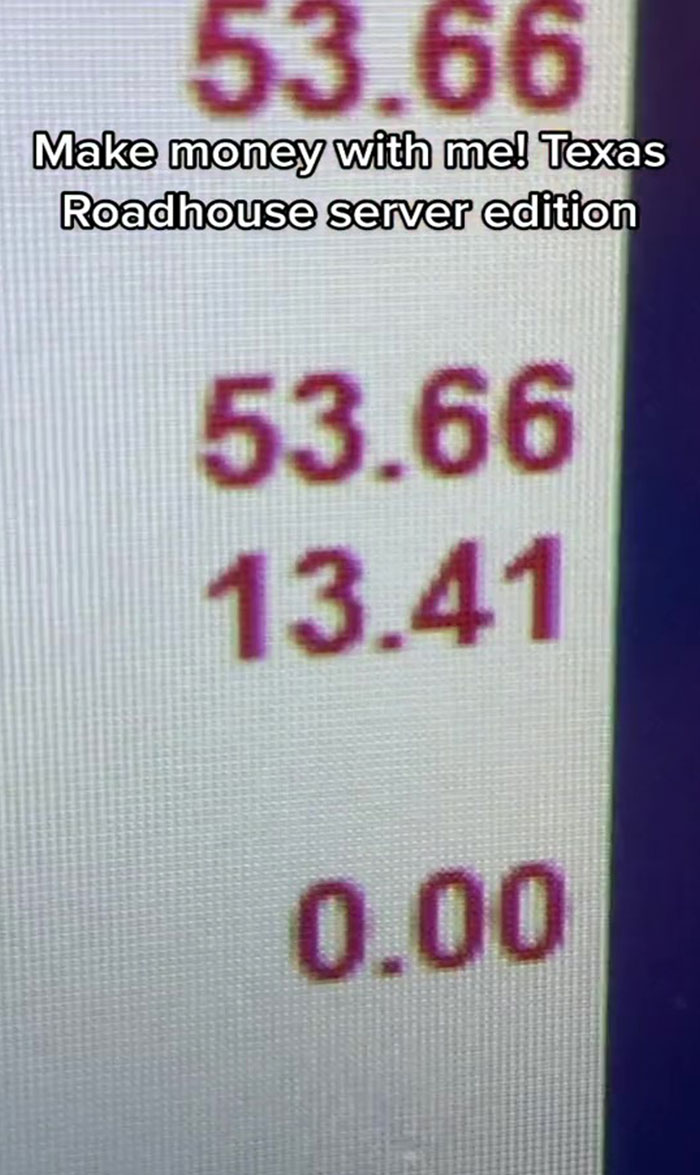
Fixed Costs and Net Profit
After food and labor, there are fixed and variable costs: rent, utilities, marketing, insurance, and corporate overhead. Once all these are stripped away, the average net profit for a casual dining restaurant typically sits between 5% and 10%. However, Texas Roadhouse often sees restaurant-level EBITDA (Earnings Before Interest, Taxes, Depreciation, and Amortization) margins in the 17% to 19% range. This means that out of the $20,821 earned daily, the “cash flow” profit for the location is roughly $3,500 to $4,000 per day.
Factors Influencing Daily Revenue: Why Some Days Outperform Others
While the averages provide a clear financial picture, the daily reality of a Texas Roadhouse is influenced by several strategic levers that the company pulls to keep revenue high.
The “Early Dine” and Happy Hour Impact
One of the most successful financial strategies Texas Roadhouse employs is the “Early Dine” menu. By offering discounted meals to guests who arrive before 6:00 PM on weekdays, they solve the “dead zone” problem that plagues many restaurants. This drives revenue during hours that would otherwise be unprofitable. From a business finance perspective, this is a utilization play. By filling seats at 4:30 PM, they are generating revenue from fixed assets (the building and kitchen) that would otherwise be sitting idle.
Location and Regional Market Dynamics
Revenue varies significantly by geography. A Texas Roadhouse in a high-cost-of-living area like New Jersey or California will have higher menu prices—and thus higher daily revenue—than a location in a rural part of the Midwest. However, those higher revenues are often offset by higher labor laws and rent. The most profitable stores are often found in “middle-market” suburban areas where the cost of living is moderate, but the demand for a reliable, family-friendly steakhouse is immense.
The To-Go and Digital Sales Revolution
Since 2020, “To-Go” sales have become a permanent and lucrative part of the Texas Roadhouse daily income stream. Before the pandemic, off-premise sales accounted for a small fraction of revenue. Today, they often represent 12% to 15% of daily sales. This is essentially “bonus” revenue because it does not require a server to wait on a table or a busser to clean it, allowing the kitchen to operate at a higher capacity than the dining room’s square footage would normally allow.
Investing in Texas Roadhouse: A Look at TXRH Performance
For those looking at Texas Roadhouse from a personal finance or investing perspective, the daily revenue translates into a compelling story on Wall Street. Trading under the ticker symbol TXRH, the company has historically been a darling of the casual dining sector.
Dividend Growth and Shareholder Value
Texas Roadhouse has a strong track record of returning value to shareholders. Because their daily operations are so cash-flow positive, they can afford to pay out consistent dividends. For an investor, the ability of a restaurant to generate $20,000 a day in sales—and to keep a healthy chunk of that as profit—means a more secure and growing dividend. The company has shown a commitment to increasing its dividend annually, supported by its disciplined expansion and lack of excessive debt.
Expansion Strategies and Future Outlook
The daily revenue of the company as a whole is also growing because they are opening new locations at a rate of about 25 to 30 per year. They are also expanding their “Bubba’s 33” and “Jaggers” brands, which use similar high-volume supply chain efficiencies. From a business finance standpoint, Texas Roadhouse is a “comp-store sales” leader, meaning that even their old stores continue to make more money each year, which is a rare feat in a saturated market.

The Financial Mastery of the Steakhouse Model
In conclusion, a single Texas Roadhouse location is a powerhouse of economic activity, generating an average of over $20,000 every single day. This success is not accidental; it is the result of a meticulously tuned business model that prioritizes volume, controls food costs through in-house butchery, and optimizes labor through strategic operating hours and an ownership-focused management structure.
For the diner, $20,000 a day represents thousands of rolls and hundreds of steaks. For the business analyst, it represents a benchmark of efficiency in the casual dining space. As the company continues to navigate the challenges of food inflation and a shifting labor market, its ability to maintain these daily averages will remain the primary indicator of its long-term viability as a market leader. Whether you are looking at it as a place to grab a meal or as a component of a diversified investment portfolio, the financial engine behind Texas Roadhouse is undeniably robust.
aViewFromTheCave is a participant in the Amazon Services LLC Associates Program, an affiliate advertising program designed to provide a means for sites to earn advertising fees by advertising and linking to Amazon.com. Amazon, the Amazon logo, AmazonSupply, and the AmazonSupply logo are trademarks of Amazon.com, Inc. or its affiliates. As an Amazon Associate we earn affiliate commissions from qualifying purchases.