
Purchasing a Tesla is no longer just a statement of environmental consciousness; it has become a significant financial decision that requires a deep dive into personal finance, tax strategy, and long-term asset management. As the electric vehicle (EV) market matures, the cost of entry fluctuates based on federal regulations, manufacturing efficiencies, and aggressive pricing strategies from the manufacturer. Understanding the true cost of a brand-new Tesla requires looking far beyond the initial sticker price and analyzing the total cost of ownership over the lifetime of the vehicle.
Understanding the Base Prices: From the Model 3 to the Model X
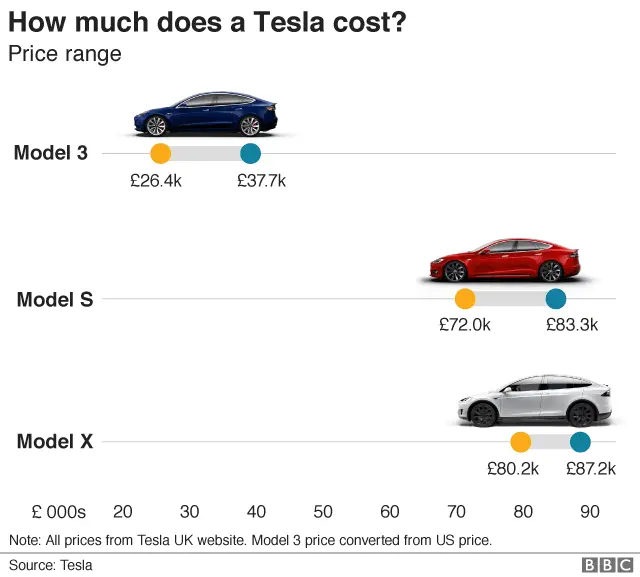
The entry point for a brand-new Tesla varies significantly depending on the model and the configuration chosen. Tesla’s pricing strategy is notoriously dynamic, often shifting several times a year to reflect supply chain costs or to stimulate demand. For a prospective buyer, the current landscape of base prices serves as the foundation for their financial planning.
The Model 3: Entry-Point Value
The Tesla Model 3 remains the most affordable entry point into the brand’s ecosystem. Positioned as a compact luxury sedan, the Model 3 typically starts in the range of $39,000 to $42,000 for the Rear-Wheel Drive (RWD) base trim. For those seeking more range and performance, the Long Range and Performance variants can push the price closer to $55,000. From a personal finance perspective, the Model 3 represents the most accessible “per-mile” cost, making it a favorite for commuters looking to offset high gasoline prices with a predictable monthly car payment.
The Model Y: The SUV Market Leader
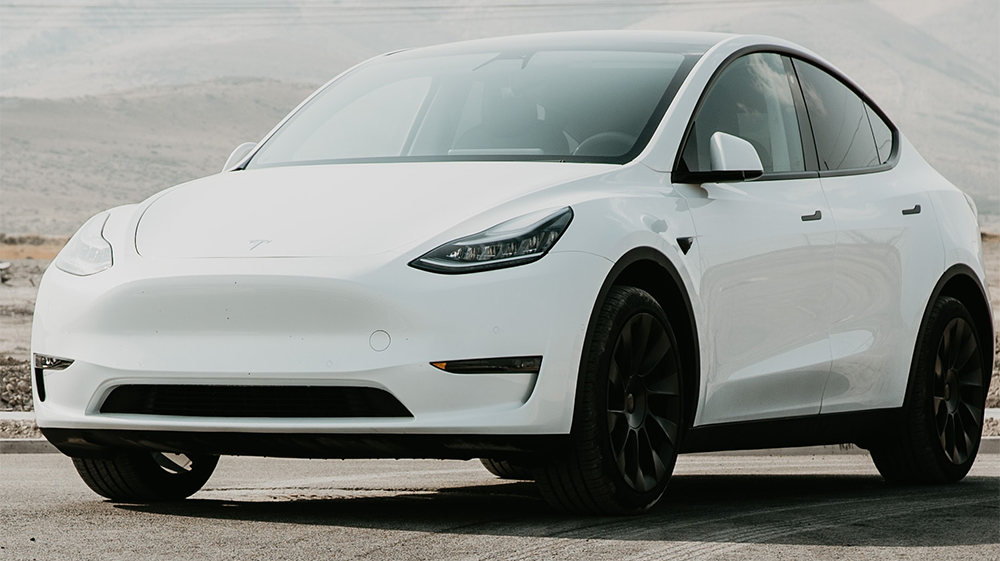
The Model Y, a compact crossover, has recently become one of the best-selling vehicles globally. Its pricing generally starts around $45,000 for the Long Range AWD version, though a base RWD version is occasionally offered at a lower price point. The Performance trim usually sits near $52,000 to $54,000. Because the Model Y falls into the SUV category for federal tax purposes, it often qualifies for more generous incentives, which can drastically alter its “effective cost” compared to the Model 3.
Premium Performance: The Model S and Model X
For high-net-worth individuals or those seeking flagship performance, the Model S and Model X represent the luxury tier. The Model S sedan starts at approximately $75,000, while the Model X SUV begins around $80,000. These prices can soar above $100,000 for the “Plaid” versions, which offer supercar-level acceleration. From an investment and business finance standpoint, these vehicles are often treated differently, especially when used for corporate travel or under specific tax codes like Section 179.
Beyond the Sticker Price: Hidden Costs and Financial Incentives
The “out-the-door” price of a Tesla is rarely the number you see on the website’s landing page. There are several financial layers—both positive and negative—that determine the final impact on your bank account.
Federal and State Tax Incentives
Perhaps the most critical factor in a Tesla’s cost is the federal EV tax credit. Under the Inflation Reduction Act, many Tesla models qualify for a credit of up to $7,500. However, this is subject to strict income caps ($150,000 for individuals, $300,000 for joint filers) and vehicle price caps ($55,000 for sedans, $80,000 for SUVs). Additionally, many states offer their own rebates, ranging from $500 to $5,000. When these incentives are applied at the point of sale, they can lower the effective purchase price of a Model Y to a level comparable to a mid-range gasoline SUV.
Software Upgrades and “Full Self-Driving” Fees
Tesla utilizes a unique “software-as-a-product” model. While basic Autopilot is included, the “Full Self-Driving” (FSD) capability is a significant additional cost. Buyers can choose to pay a lump sum—often around $8,000 to $12,000—or opt for a monthly subscription fee, usually around $99. From a financial planning perspective, buyers must decide if the upfront cost of FSD will add to the vehicle’s resale value or if a monthly subscription is a better way to manage cash flow.
Destination Fees and Order Documentation
Every new Tesla is subject to a non-negotiable destination fee and a documentation fee, which typically totals around $1,390 to $1,650. Unlike traditional dealerships, Tesla does not have “dealer markups,” but these fixed fees are mandatory and should be factored into the initial down payment calculations.
The Total Cost of Ownership (TCO) vs. Internal Combustion Engines

To truly understand how much a Tesla costs, one must look at the Total Cost of Ownership (TCO). This is where the financial benefits of an EV often outweigh the higher initial purchase price compared to a gasoline-powered car.
Fuel Savings and Energy Efficiency
The most immediate financial relief comes from the elimination of gasoline expenses. On average, charging a Tesla at home costs about one-third to one-fourth of what an equivalent gasoline car costs to fuel. For a driver covering 15,000 miles per year, this can result in annual savings of $1,000 to $2,500 depending on local electricity rates. Over a five-year ownership period, these savings can effectively “discount” the price of the car by nearly $10,000.
Maintenance Costs Over Five Years
Tesla vehicles have significantly fewer moving parts than internal combustion engine (ICE) vehicles. There are no oil changes, spark plugs, or timing belts to replace. While tires tend to wear out faster due to the vehicle’s weight and torque, the overall maintenance schedule is minimal. Regenerative braking also extends the life of brake pads significantly. Financial advisors often suggest that Tesla owners budget roughly 40% less for routine maintenance compared to owners of BMW or Mercedes-Benz equivalents.
Insurance and Registration Premiums
Conversely, insurance for a Tesla can be higher than for a standard vehicle. This is due to the high cost of repairs and the specialized parts required for the aluminum body and battery systems. Furthermore, many states have implemented an “EV Road Use Fee” during registration to make up for lost gas tax revenue. These recurring costs can range from $200 to $500 annually, which slightly offsets the fuel savings.
Depreciation and Resale Value: An Investment Perspective
For many car buyers, the most significant “cost” isn’t what they pay today, but what they lose when they sell. Depreciation is a major factor in the financial health of any vehicle purchase.
How Tesla Retains Its Value
Historically, Teslas have held their value better than most luxury vehicles. This was largely due to high demand and the “tech-first” nature of the cars, which receive over-the-air updates that keep older models feeling fresh. However, as the market has become more saturated, depreciation curves have begun to normalize. A Model 3 or Model Y typically retains about 50% to 60% of its value after three years, which is competitive but no longer revolutionary.
The Impact of Price Volatility on Asset Worth
Tesla’s aggressive price cuts in recent years have created a unique financial challenge for existing owners. When Tesla drops the price of a brand-new Model Y by $5,000 overnight, the resale value of used Model Ys drops accordingly. This volatility makes it difficult to predict the “residual value” for those planning to trade in their vehicle within a few years. For the savvy investor, this suggests that the best way to purchase a Tesla is with a long-term horizon (5+ years) to weather the fluctuations in the secondary market.
Financing Your Tesla: Loans, Leases, and Business Deductions
The method used to pay for a Tesla can change its overall cost by thousands of dollars over the life of the loan.
Tesla’s In-House Financing vs. Credit Unions
Tesla offers in-house financing, often with competitive rates. However, savvy buyers can often find lower interest rates at local credit unions or through specialized “green auto loans.” Financing a $50,000 vehicle at 4% versus 7% results in a difference of nearly $4,000 in interest over a 60-month term.
Section 179 Deductions for Business Use
For business owners and entrepreneurs, the Model X presents a unique financial opportunity. Because its Gross Vehicle Weight Rating (GVWR) exceeds 6,000 pounds, it may qualify for the Section 179 tax deduction. This allows business owners to deduct a significant portion of the vehicle’s purchase price from their taxable income in the first year of ownership, provided the vehicle is used more than 50% for business purposes. For a high-earning business owner, this can result in an “effective discount” of 20% to 35% on the vehicle’s cost.
Leasing as a Strategic Hedge
Leasing has become increasingly popular for Teslas, especially since the federal tax credit can often be applied to lease payments even if the individual’s income exceeds the caps for a purchase. Leasing also serves as a hedge against technology obsolescence and price volatility. By leasing, the driver is not responsible for the vehicle’s resale value at the end of the term, placing the risk of depreciation back on Tesla Financial Services.
In summary, the cost of a brand-new Tesla is a multifaceted equation. While the sticker price might range from $39,000 to over $100,000, the true financial impact is determined by tax credits, fuel savings, maintenance reductions, and financing strategies. For those who plan their purchase around tax incentives and long-term ownership, a Tesla can be a remarkably cost-effective financial asset. For others, the high insurance premiums and depreciation volatility may make it a more expensive luxury. Regardless, approaching the purchase through the lens of personal finance is the only way to ensure the investment aligns with one’s broader wealth-building goals.
aViewFromTheCave is a participant in the Amazon Services LLC Associates Program, an affiliate advertising program designed to provide a means for sites to earn advertising fees by advertising and linking to Amazon.com. Amazon, the Amazon logo, AmazonSupply, and the AmazonSupply logo are trademarks of Amazon.com, Inc. or its affiliates. As an Amazon Associate we earn affiliate commissions from qualifying purchases.