
For the modern consumer, the decision to purchase a Tesla is rarely just a lifestyle choice; it is a complex financial calculation. As the automotive landscape shifts toward electrification, the question of “which Tesla is the cheapest” requires a nuanced look beyond the initial manufacturer’s suggested retail price (MSRP). To truly determine the most affordable path into the Tesla ecosystem, one must analyze the interplay between sticker price, federal tax incentives, operational expenses, and the volatile nature of electric vehicle (EV) depreciation.
In the current market, the entry point for the brand is the Tesla Model 3. However, “cheap” is a relative term that fluctuates based on geography, financing terms, and the buyer’s tax liability. Understanding the financial architecture of a Tesla purchase is essential for any investor or budget-conscious professional looking to optimize their personal balance sheet while transitioning away from internal combustion engines.
Analyzing the Sticker Price vs. The Total Cost of Ownership (TCO)
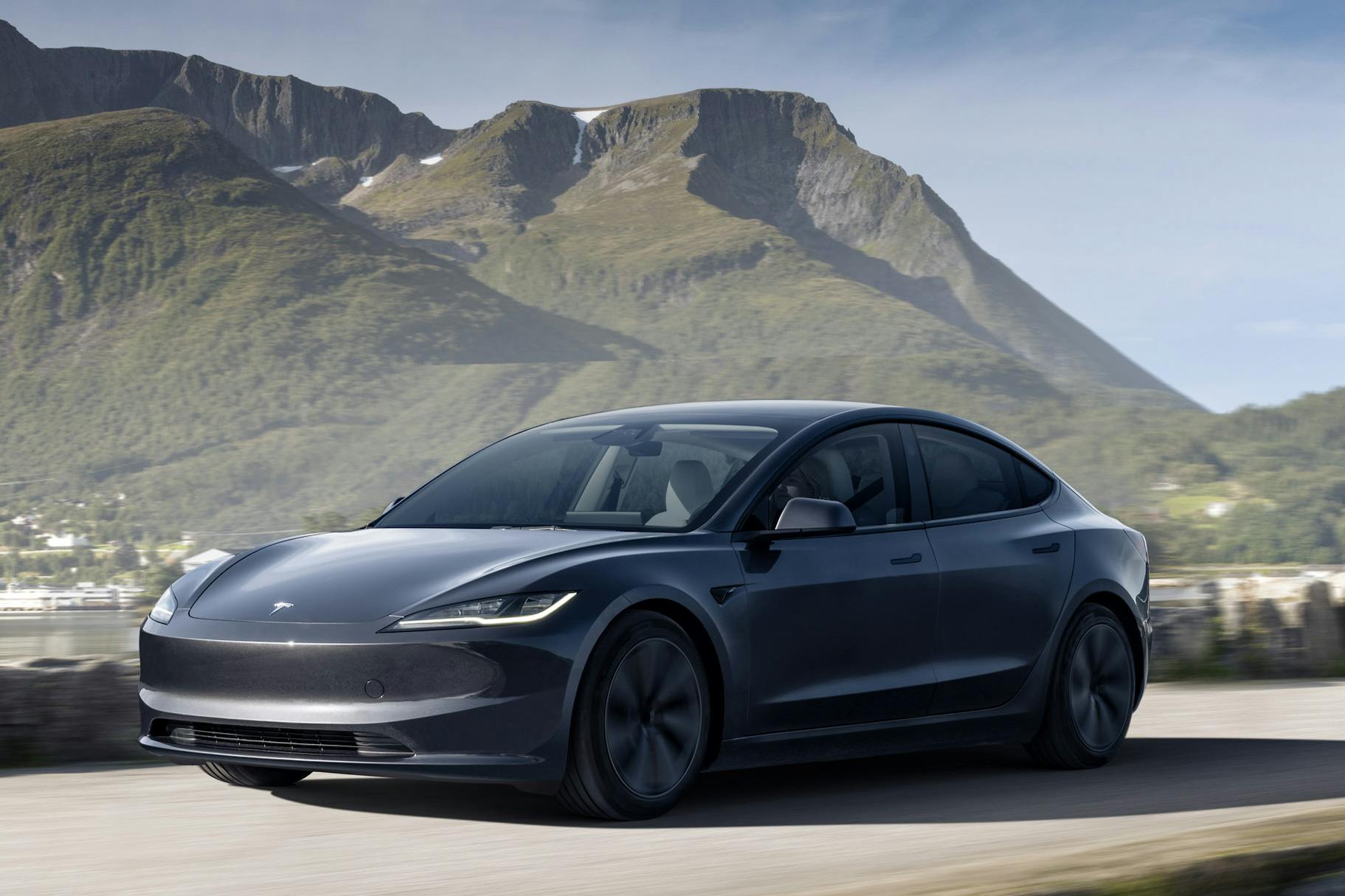
The most direct answer to which Tesla is the cheapest is the Tesla Model 3 Rear-Wheel Drive (RWD). As of the current fiscal quarter, this model serves as the baseline for the fleet. However, the savvy financial planner knows that the purchase price is merely the “capital expenditure” phase of a long-term asset lifecycle.
The Model 3 Rear-Wheel Drive: The Baseline for Entry
The Model 3 RWD represents the lowest barrier to entry. Priced significantly lower than its “Long Range” and “Performance” siblings, it offers a simplified battery chemistry (Lithium Iron Phosphate, or LFP) that is often touted for its longevity and ability to be charged to 100% regularly without significant degradation. From a financial perspective, the LFP battery is an interesting hedge against depreciation, as it potentially offers a longer functional life for the vehicle’s most expensive component.
Inventory Discounts and Year-End Incentives
One of the most effective ways to find the “cheapest” Tesla is to monitor the company’s “Existing Inventory” page rather than placing a custom order. Tesla frequently applies “adjustments” to vehicles that are already in transit or sitting at delivery centers, especially toward the end of a fiscal quarter. These discounts can range from $500 to over $4,000. For a buyer focused on the bottom line, an inventory Model 3 with a “demo” discount (often vehicles with fewer than 50 miles) can represent the absolute floor of new Tesla pricing.
Leveraging Federal Tax Credits and Local Rebates
In the United States, the true cost of a Tesla is heavily dictated by the Inflation Reduction Act (IRA). The federal government currently offers a clean vehicle credit of up to $7,500 for qualifying models and buyers. This single variable can make a more expensive model effectively cheaper than a base model that does not qualify.
Navigating the Inflation Reduction Act (IRA)
The financial complexity arises from the sourcing of battery components. Not every Tesla qualifies for the full credit. For instance, because the Model 3 RWD often utilizes battery cells sourced from outside North America, its eligibility for the $7,500 credit has fluctuated. Conversely, the Model Y—Tesla’s best-selling crossover—frequently qualifies for the full credit. If a buyer qualifies for the $7,500 credit on a $44,000 Model Y but not on a $39,000 Model 3, the “more expensive” car becomes the more financially prudent acquisition.
Point-of-Sale Credits vs. Tax Returns
A significant shift in the financial landscape of EV ownership occurred when the federal tax credit became transferable to the dealer at the point of sale. This allows buyers to apply the $7,500 directly to the down payment, reducing the amount financed and, consequently, the monthly interest expense. For a person managing cash flow, this immediate reduction in capital outlay is a vital component of the “cheapest” Tesla equation. However, it is imperative to note the income caps: $150,000 for single filers and $300,000 for joint filers. If your income exceeds these limits, the credit is not applicable, shifting the math back toward the base MSRP of the Model 3.
The Hidden Financial Variables: Insurance, Maintenance, and Charging

To determine the cheapest Tesla, one must look at the “hidden” outflows that impact the monthly budget. Owning an EV changes the composition of your transportation expenses, trading fuel and oil changes for higher insurance premiums and specialized tire maintenance.
The “Tesla Premium” in Insurance Premiums
Insurance is often the most overlooked cost in the Tesla ecosystem. Due to the high cost of repairs, specialized parts, and the sophisticated sensor suite (Tesla Vision), insurance companies often charge a premium for these vehicles. In some jurisdictions, the insurance cost for a Model 3 can be 30% to 50% higher than a similarly priced gasoline sedan. To mitigate this, Tesla offers its own insurance product in several states, using real-time driving behavior to calculate premiums. For a safe driver, this can significantly lower the total cost of ownership, making the car “cheaper” over a five-year horizon.
Maintenance Savings: Real-World Projections
The financial benefit of a Tesla lies in its lack of traditional maintenance. There are no oil changes, spark plugs, or timing belts to replace. However, the financial model must account for “tire equity.” Teslas are heavy due to their battery packs and produce high torque, which leads to faster tire wear. A set of high-quality EV-specific tires can cost between $1,000 and $1,500, and they may need replacement every 25,000 to 30,000 miles. When calculating the cheapest Tesla, these recurring “wear-and-tear” costs must be amortized over the life of the vehicle.
Fuel Arbitrage: Electricity vs. Gasoline Costs
The “cheapness” of a Tesla is most visible in the fuel arbitrage. By charging at home during off-peak hours, owners can achieve a “per gallon equivalent” cost of less than $1.00 in many regions. However, if a buyer relies solely on the Tesla Supercharger network, the cost savings diminish, as Supercharging rates can sometimes approach the cost of gasoline in high-utility-rate areas like California or the Northeast. The cheapest Tesla experience is therefore reserved for those with the infrastructure to charge at home.
Resale Value and Depreciation: Is a Used Tesla the Smarter Investment?
Historically, Teslas held their value better than almost any other vehicle on the road. However, aggressive price cuts by the manufacturer in recent years have led to increased volatility in the used market. For the budget-focused buyer, this presents a unique opportunity.
The Volatility of the Used Tesla Market
A used Model 3 from 2021 or 2022 can often be found for under $25,000. From a “Money” perspective, this is a critical threshold. The federal government offers a “Used Clean Vehicle Credit” of up to $4,000 for EVs priced at $25,000 or less, provided the buyer meets specific income requirements. This can bring the effective cost of a used Tesla down to $21,000, making it the absolute cheapest way to enter the brand.
Hertz Liquidations and the Impact on Valuation
The decision by major rental agencies like Hertz to liquidate large portions of their Tesla fleets has flooded the market with used Model 3s and Model Ys. While these vehicles may have higher mileage, the influx of supply has suppressed used prices across the board. For a buyer who prioritizes the lowest possible capital outlay, a former rental vehicle—backed by a thorough inspection—may be the most cost-effective path, despite the potential for accelerated wear on the interior and battery cycle count.
Financing Strategies for the Budget-Conscious Buyer
The final piece of the “cheapest Tesla” puzzle is the cost of capital. In a high-interest-rate environment, the method of financing can add thousands of dollars to the total price paid over the life of the loan.
Tesla Lending vs. Third-Party Credit Unions
Tesla offers in-house financing, but it is rarely the most competitive option. To truly minimize costs, buyers should look toward local credit unions, many of which offer “Green Auto Loans” with interest rates 1% to 2% lower than standard rates. Over a 72-month term, a 1.5% difference in interest on a $40,000 loan results in over $2,000 in savings, directly impacting which vehicle is “cheaper” in the long run.

The Lease vs. Buy Dilemma
For those who are concerned about rapid technological obsolescence or further price cuts, leasing a Tesla can be a viable financial strategy. Tesla often offers competitive lease rates on the Model 3, sometimes as low as $329 per month with a modest down payment. However, Tesla leases are unique in that the company typically does not allow a “lease buyout” at the end of the term. This means the lessee cannot capture any equity if the car’s market value exceeds the residual value. From a wealth-building perspective, purchasing—especially when tax credits are involved—usually results in a better net-worth outcome than leasing, despite the higher monthly commitment.
In conclusion, the “cheapest” Tesla is not merely the one with the lowest price tag on the website. It is the result of a calculated strategy that involves selecting a model that qualifies for the maximal tax incentives, securing low-interest financing, and optimizing for low-cost home charging. While the Model 3 RWD holds the title for the lowest MSRP, the Model Y frequently wins the battle of “value for money” when incentives are applied. For the ultimate budget seeker, the secondary market—aided by the used EV tax credit—remains the most effective way to minimize the financial impact of moving into the high-tech world of Tesla ownership.
aViewFromTheCave is a participant in the Amazon Services LLC Associates Program, an affiliate advertising program designed to provide a means for sites to earn advertising fees by advertising and linking to Amazon.com. Amazon, the Amazon logo, AmazonSupply, and the AmazonSupply logo are trademarks of Amazon.com, Inc. or its affiliates. As an Amazon Associate we earn affiliate commissions from qualifying purchases.