
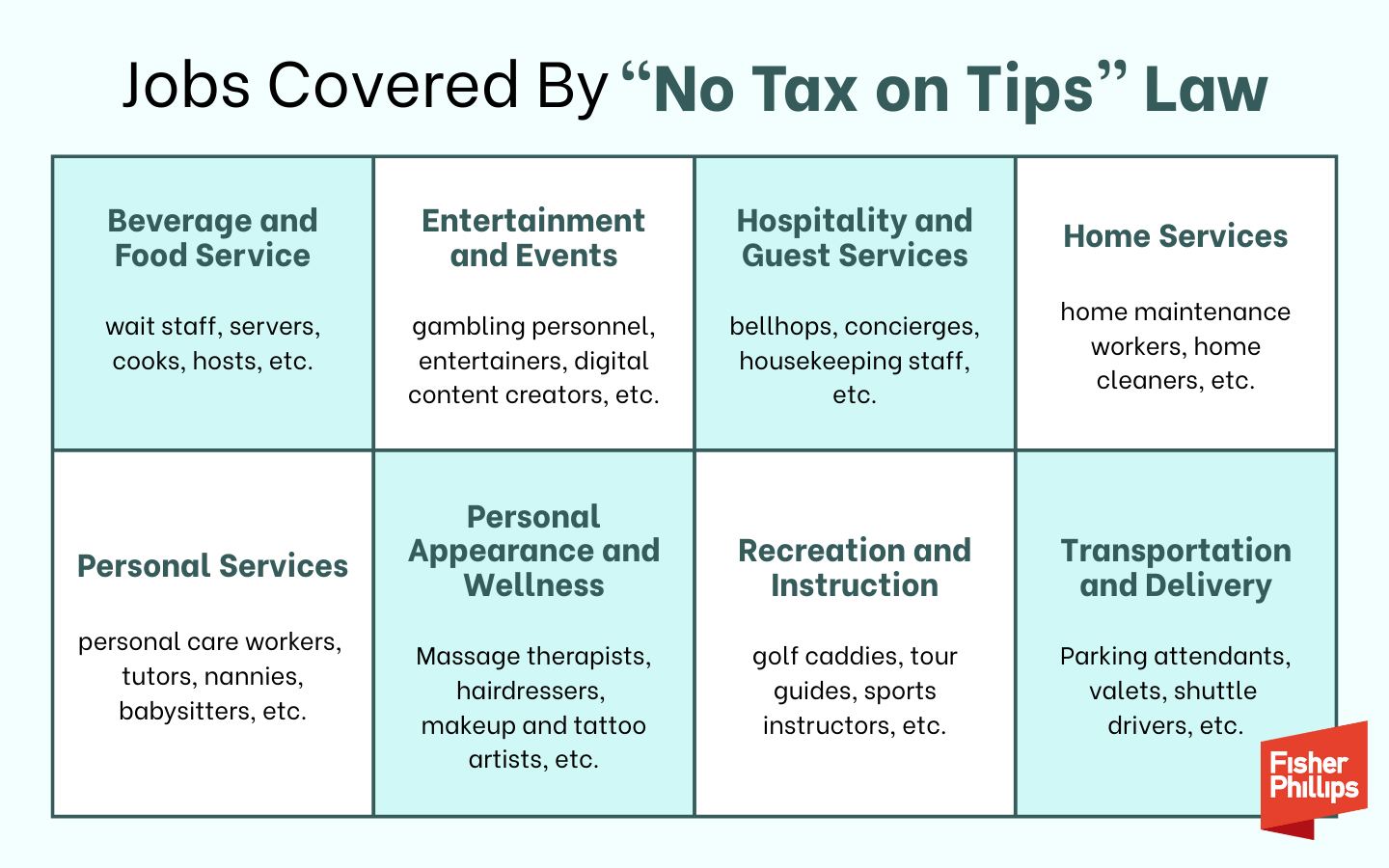
In the evolving landscape of American fiscal policy, the proposal to eliminate taxes on tips has emerged as a significant talking point for economists, service industry workers, and financial planners alike. While the concept sounds straightforward—allowing workers in hospitality, gaming, and personal services to keep 100% of their gratuities—the actual implementation involves a complex restructuring of payroll systems, tax codes, and financial reporting. For millions of Americans who rely on the “side hustle” economy or traditional service roles, understanding the mechanics of such a shift is essential for long-term financial health.
The Mechanics of Tax-Exempt Gratuities
Under current IRS regulations, tips are treated as ordinary income. Employees are required to report any tips over $20 per month to their employers, who then withhold federal income tax, Social Security, and Medicare taxes (FICA). A “no tax on tips” policy would fundamentally alter this workflow.
Redefining Income Classification
The first hurdle in implementing this policy is the legal definition of what constitutes a “tip.” Historically, the IRS distinguishes between a tip (a voluntary payment from a customer) and a service charge (a mandatory fee added by the establishment). For a tax-exempt system to work without massive loopholes, the Treasury Department would need to issue strict guidelines. Without these, there is a risk that high-earning professionals in other sectors might attempt to reclassify portions of their bonuses or commissions as “tips” to avoid taxation.
Payroll and FICA Considerations
A critical question remains: would the exemption apply only to federal income tax, or would it also cover payroll taxes (Social Security and Medicare)? If tips are exempt from federal income tax but still subject to FICA, the administrative burden on payroll software increases. Employers would need to track tips for the purpose of matching FICA contributions while ensuring no income tax is withheld. Conversely, if tips are exempt from FICA, workers might see a boost in immediate take-home pay but face a significant reduction in their future Social Security benefits, as those benefits are calculated based on lifetime taxed earnings.
Compliance and Reporting Standards
Currently, the IRS uses the Tip Rate Determination Agreement (TRDA) and the Tip Reporting Alternative Commitment (TRAC) to ensure compliance. If tips become tax-free, the incentive for the IRS to monitor these records might diminish, but the need for accurate reporting remains. Workers still need documented income to qualify for mortgages, car loans, and credit lines. Financial institutions rely on tax returns to verify earnings; if a large portion of a worker’s income is “off the books” or non-taxable, new standards for income verification would need to be established by the lending industry.
Economic Implications for the Service Workforce
For the individual worker, the shift to a tax-free tip model represents a direct increase in liquidity. However, the broader economic consequences for the service industry could lead to shifts in base pay and benefit structures.
The Impact on the “Tip Credit” System
In many states, employers are allowed to pay a “tipped minimum wage” that is significantly lower than the standard minimum wage, provided the employee’s tips make up the difference. This is known as a tip credit. If tips are no longer taxed, the financial equilibrium between the employer’s obligation and the employee’s earnings shifts. Business owners may face pressure to raise base wages if the government attempts to phase out the tip credit in tandem with tax exemptions. From a business finance perspective, this could lead to higher overhead costs for restaurants and hotels, potentially resulting in menu price inflation.
Recruitment and Labor Market Dynamics
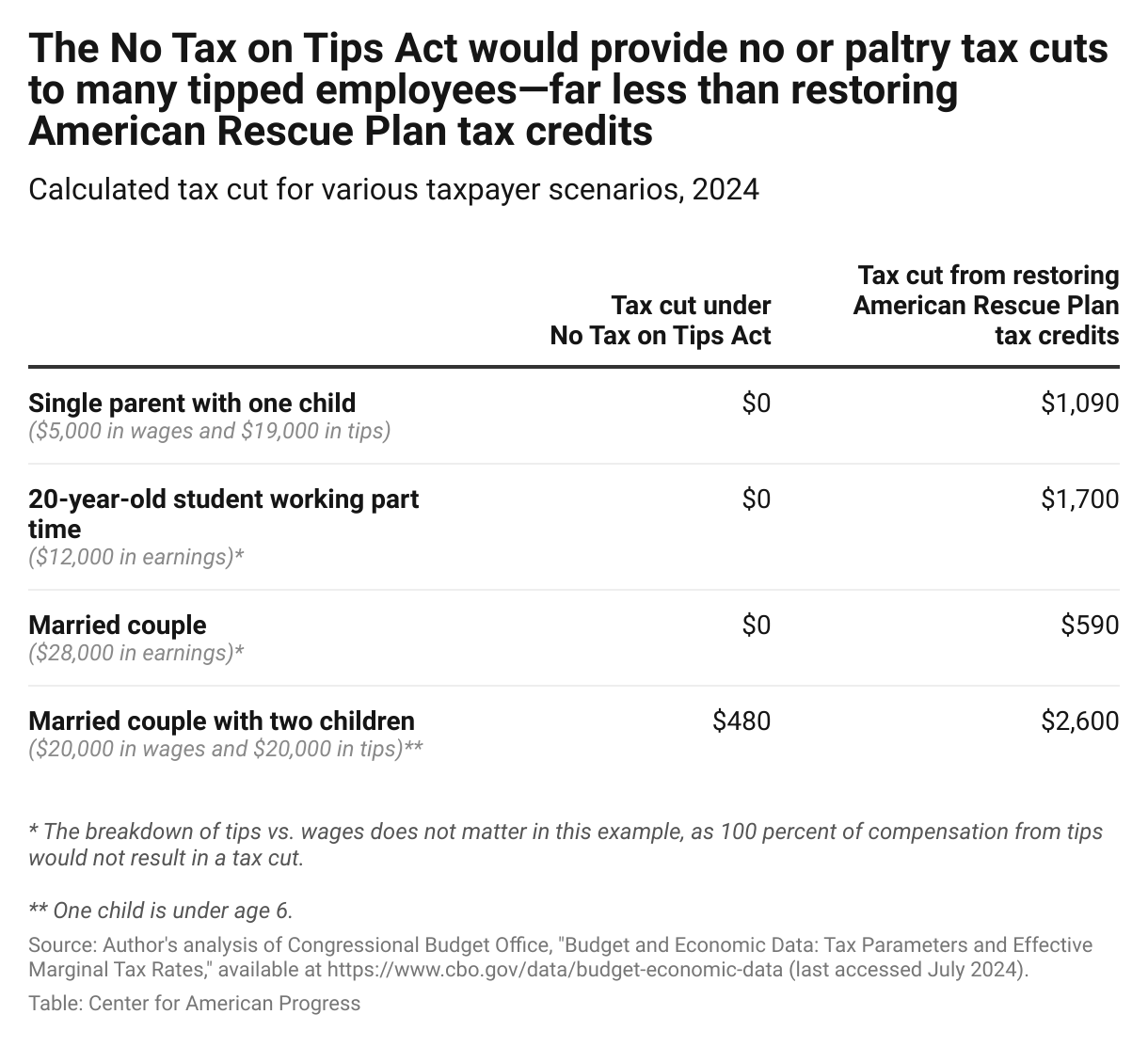
The service industry has struggled with high turnover and labor shortages in recent years. A tax-free tip policy could serve as a powerful recruitment tool, making service roles more competitive with entry-level corporate or trade positions. When a server or bartender can see a 15–25% increase in their net take-home pay without a corresponding raise from their employer, the hospitality sector becomes a much more attractive destination for career-seekers and side-hustlers.
Wealth Disparity Within the Industry
One often-overlooked aspect of this policy is the “back of house” vs. “front of house” divide. Chefs, line cooks, and dishwashers rarely receive tips and are instead paid a flat hourly wage or salary, which remains fully taxable. A tax-free tip policy could inadvertently widen the pay gap within a single business, leading to morale issues or a demand for higher wages for non-tipped staff. Business owners would need to navigate these internal financial tensions, perhaps by implementing tip-pooling arrangements that include back-of-house staff, though the legality of such pools varies by jurisdiction.
Strategic Financial Planning for Tipped Employees
While a tax-free status on tips provides more cash in hand, it requires a more disciplined approach to personal finance. The loss of automatic withholding means that individuals must take greater responsibility for their financial future.
Adjusting Withholdings and Estimated Payments
Most tipped employees also receive a small hourly wage. Currently, many find that their entire hourly paycheck is consumed by taxes on their total earnings (wages plus tips). If tips are exempt, these workers would suddenly see an actual balance on their hourly paychecks. However, if they have other sources of income—such as investment dividends, a secondary freelance business, or a spouse’s income—they must carefully calculate their remaining tax liability to avoid underpayment penalties at the end of the year.
Retirement Planning and the Social Security Gap
As mentioned previously, Social Security benefits are tied to taxed income. If a worker spends thirty years in the service industry and 70% of their income (the tips) was never taxed, their Social Security check upon retirement will be significantly lower than a peer who earned the same total amount in a salaried position. To counter this, tipped workers would need to be aggressive with private retirement vehicles.
-
Roth IRAs: These become even more attractive. Since the income (tips) wouldn’t be taxed on the way in, and Roth withdrawals are tax-free on the way out, a tipped worker could potentially achieve a near-zero lifetime tax rate on their retirement savings.
-
Solo 401(k)s: For those classified as independent contractors (like some delivery drivers or stylists), maximizing contributions to these accounts will be vital to offset the lack of traditional pension or robust Social Security support.
Proving Income for Major Purchases
One of the greatest challenges for tipped workers has always been proving their full income to lenders. A “no tax” policy could complicate this further. If tips do not appear on a W-2 as taxable wages, a mortgage lender might view a worker who earns $80,000 a year (with $60,000 in tips) as only earning $20,000. To navigate this, workers must maintain meticulous personal financial records, including daily tip logs and consistent bank deposits, to demonstrate “cash flow” even if that flow isn’t reflected in a “Taxable Income” line on a federal return.
The Broader Economic Ripple Effect
Beyond the individual and the business, the removal of taxes on tips has macro-economic consequences that could influence federal revenue and consumer behavior.
Federal Revenue and the Deficit
The non-partisan Committee for a Responsible Federal Budget has estimated that exempting tips from federal income and payroll taxes could reduce federal revenue by hundreds of billions of dollars over a decade. From a business finance perspective, this missing revenue must be accounted for elsewhere—either through spending cuts, increased taxes on other sectors, or increased federal borrowing. Investors and market analysts watch these shifts closely, as a growing deficit can influence interest rates and inflationary pressures.
Consumer Behavior and “Tip Fatigue”
There is a psychological component to tipping that affects the economy. In recent years, “tip fatigue” has set in as digital payment screens prompt for gratuities at every transaction, from coffee shops to self-service kiosks. If the public perceives that tipped workers are receiving a “special” tax status not afforded to other laborers, it could lead to a backlash in tipping culture. If customers reduce their tip percentages because they feel the worker is already “getting a break” from the government, the net financial gain for the worker could be neutralized.
The Shift Toward a Service-Dominant Compensation Model
If tips become a tax-advantaged form of income, we may see a systemic shift in how American workers are compensated. More industries might attempt to move toward a “gratuity-based” model to provide tax-efficient pay to employees. We could see “discretionary bonuses” in corporate settings rebranded as “professional tips.” Regulatory bodies would likely spend years in litigation defining the boundaries of these payments to prevent the erosion of the broader income tax base.
In conclusion, while “no tax on tips” offers an immediate and tangible boost to the take-home pay of millions, it is not a simple financial adjustment. It requires a reimagining of payroll compliance, a strategic shift in personal retirement planning, and a careful balancing act by business owners. For the savvy financial observer, the policy represents a significant experiment in targeted tax relief that could redefine the economics of the American service sector for generations to come.
aViewFromTheCave is a participant in the Amazon Services LLC Associates Program, an affiliate advertising program designed to provide a means for sites to earn advertising fees by advertising and linking to Amazon.com. Amazon, the Amazon logo, AmazonSupply, and the AmazonSupply logo are trademarks of Amazon.com, Inc. or its affiliates. As an Amazon Associate we earn affiliate commissions from qualifying purchases.