
For millions of Americans, the name MOHELA has become a staple of their financial lives, appearing on monthly bank statements, email notifications, and credit reports. Despite its ubiquity, many borrowers remain unclear about what the organization actually does, how it differs from the federal government, and why their loans were moved there in the first place. Understanding MOHELA—the Missouri Higher Education Loan Authority—is more than just a matter of trivia; it is a critical component of managing one’s personal finances and navigating the complex landscape of federal student debt.
Understanding MOHELA’s Role in the Financial Landscape
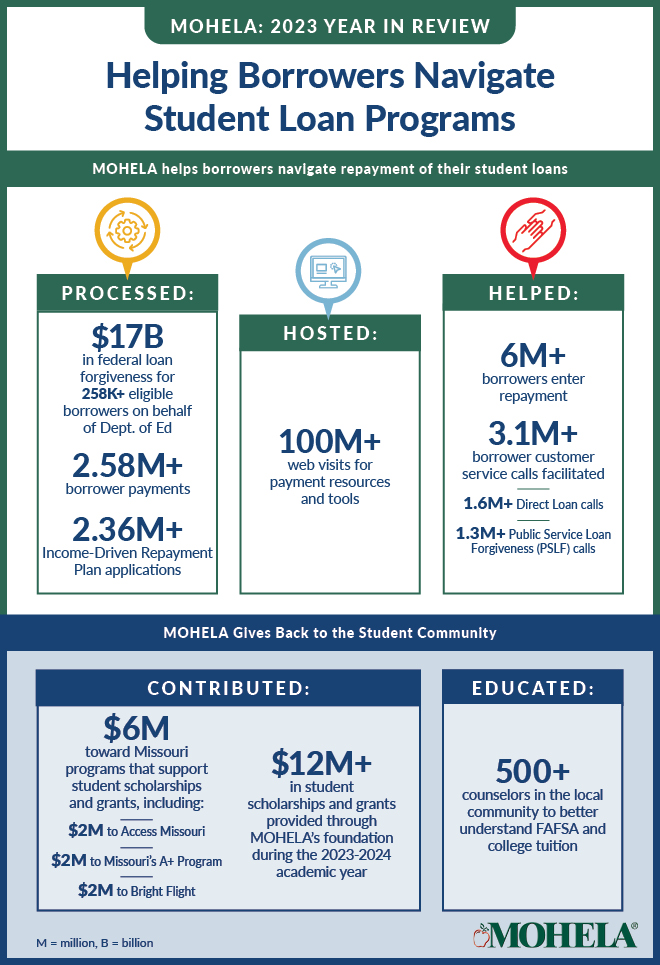
MOHELA is one of the largest holders and servicers of student loans in the United States. Established in 1981, it was created by the Missouri state legislature as a “body politic and corporate” to provide financial aid for higher education. While its roots are in Missouri, its reach is national. It operates as a quasi-governmental entity, meaning that while it was created by the state, it functions largely as an independent business entity that manages its own revenue and operations.
The Distinction Between Lender and Servicer
A common point of confusion for borrowers is the difference between who owns the debt and who manages it. For the vast majority of borrowers under MOHELA’s care, the lender is the U.S. Department of Education. MOHELA acts as the “middleman” or the loan servicer. Their role is to handle the administrative side of the loan: collecting payments, processing deferment and forbearance requests, maintaining records, and providing customer service.
When you make a payment to MOHELA, that money eventually flows back to the federal government, minus the servicing fees the government pays MOHELA to manage your account. Understanding this distinction is vital because it explains why your loan servicer might change even if the terms of your federal loan do not.
The Expansion of MOHELA’s Portfolio
Over the last decade, the landscape of federal student loan servicing has undergone significant consolidation. Large players like Navient and FedLoan Servicing exited the federal marketplace, leading to a massive redistribution of accounts. MOHELA was one of the primary beneficiaries of this shift. As other contracts expired or were terminated, the Department of Education transferred millions of accounts to MOHELA. This rapid growth transformed MOHELA from a regional player into a central pillar of the American student loan system, a position that brought both increased revenue and increased scrutiny.
The Specialized World of Public Service Loan Forgiveness (PSLF)
Perhaps the most significant chapter in MOHELA’s history began in 2022 when it became the sole servicer for the Public Service Loan Forgiveness (PSLF) program. PSLF is a federal program that forgives the remaining balance on Direct Loans after a borrower has made 120 qualifying monthly payments while working full-time for a qualifying employer (such as a non-profit or government agency).
Why PSLF Borrowers Landed at MOHELA
Before MOHELA took over, PSLF was managed by FedLoan Servicing (PHEAA). When FedLoan decided not to renew its contract with the federal government, the Department of Education needed a reliable partner to manage the highly complex requirements of forgiveness tracking. MOHELA was selected for this task due to its existing infrastructure and history with federal programs. For a significant period, if you submitted an Employment Certification Form (ECF) to prove you worked in public service, your entire loan portfolio would be transferred to MOHELA regardless of who your previous servicer was.
The Burden of Record-Keeping
Managing PSLF is a massive administrative undertaking. It requires tracking 120 separate payments over at least a decade, verifying employment across multiple organizations, and ensuring that the borrower remains on an Income-Driven Repayment (IDR) plan. For the borrower, MOHELA became the primary point of contact for these “qualifying payment counts.” This specialization made MOHELA a household name for teachers, nurses, social workers, and government employees across the country.
However, as of 2024, the Department of Education has begun moving the tracking of PSLF and IDR progress directly onto the StudentAid.gov portal. While MOHELA still manages the billing and payments, the federal government is taking a more direct role in the forgiveness “math,” a move intended to streamline the process and reduce errors.
Navigating the Financial Transition: Portals and Payments
In the world of personal finance, consistency is key. However, MOHELA borrowers have recently faced significant changes in how they interact with their debt. MOHELA has been in the process of migrating all borrower accounts to a new servicing platform. This transition is part of a broader federal initiative to modernize the student loan experience.
The Move to the New Servicing Platform
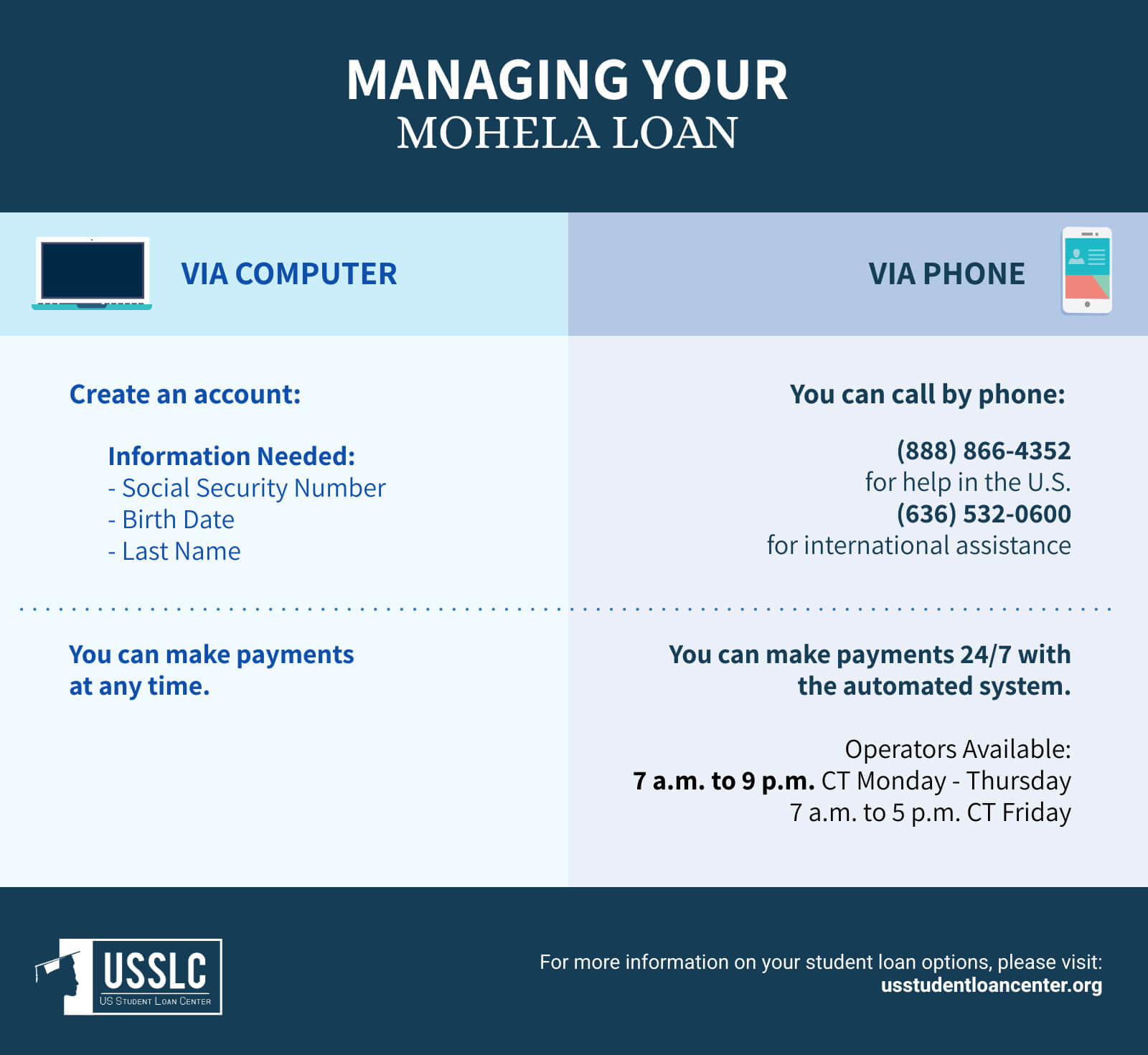
If you were previously logging into mohela.com, you likely received notifications about moving to mohela.studentaid.gov. This new portal is designed to integrate more closely with the Department of Education’s central systems. For the borrower, this means a new interface and a requirement to set up new login credentials and re-establish autopayments in some cases.
From a financial management perspective, these transitions are high-risk periods. Borrowers are encouraged to download their payment histories from the old portal before they lose access. Ensuring that every cent paid is correctly reflected in the new system is a vital step in protecting one’s financial health.
Managing Income-Driven Repayment (IDR) Plans
One of the most important financial tools MOHELA manages is the Income-Driven Repayment plan. Plans like SAVE (Saving on a Valuable Education), IBR (Income-Based Repayment), and PAYE (Pay As You Earn) are designed to make federal loans affordable by capping payments at a percentage of discretionary income.
MOHELA is responsible for processing the annual recertification of a borrower’s income. Failure to recertify on time can lead to a “payment shock,” where the monthly bill reverts to the Standard Repayment amount, which can be hundreds or even thousands of dollars higher. Proactive communication with MOHELA regarding your income changes is the best way to maintain financial stability.
Challenges and Criticism in Loan Servicing
No discussion of MOHELA would be complete without addressing the challenges that have plagued the organization and its customers. As MOHELA grew to manage millions of accounts, it faced significant backlash regarding customer service wait times, processing delays, and administrative errors.
The Backlog Crisis
Following the end of the COVID-19 pandemic payment pause in late 2023, MOHELA, along with other servicers, was overwhelmed by a surge of inquiries. Borrowers reported waiting hours on the phone and waiting months for their PSLF forms to be processed. These delays aren’t just an inconvenience; they can have real financial consequences, such as delayed forgiveness or incorrect interest accrual.
Regulatory Scrutiny
In late 2023, the Department of Education took the unprecedented step of withholding $7.2 million in payments to MOHELA after the servicer failed to send out billing statements on time to more than 2.5 million borrowers. This led to hundreds of thousands of borrowers falling into delinquency through no fault of their own. This incident highlighted the tension between the federal government and its private contractors, reinforcing the need for borrowers to be their own strongest advocates.
Strategic Financial Management for MOHELA Borrowers
If MOHELA is your servicer, your approach to your student loans should be one of “trust but verify.” Because student loans are often the largest debt a person carries outside of a mortgage, managing this relationship is a core component of your personal financial strategy.
The Importance of Documentation
Given the history of administrative errors in the student loan industry, maintaining a “paper trail” is essential. Borrowers should save every digital communication, keep records of every payment made, and take screenshots of their “qualifying payment counts” for forgiveness programs. If a dispute arises regarding whether a payment was made or whether a certain period of employment counts toward forgiveness, having your own records is the only way to ensure a swift resolution.
Leveraging the StudentAid.gov Integration
As the Department of Education moves toward a more centralized model, borrowers should spend as much time on StudentAid.gov as they do on the MOHELA portal. The federal site serves as the “source of truth” for your loan types, total balances, and forgiveness eligibility. By cross-referencing the information on both platforms, you can spot discrepancies early.

Staying Proactive with Interest and Capitalization
Understanding how interest works on your MOHELA-serviced loans is vital for long-term wealth building. For many federal loans, interest accrues daily. Under certain conditions, such as leaving a deferment or changing certain repayment plans, unpaid interest can “capitalize,” meaning it is added to the principal balance, causing interest to then be charged on interest. By understanding MOHELA’s rules for payment application, borrowers can strategically make extra payments toward high-interest loans to reduce the total cost of the debt over time.
In conclusion, MOHELA is a massive engine in the American financial machine. While it provides the essential service of managing federal debt, the relationship between the servicer and the borrower requires active management. By understanding who MOHELA is, why they hold your loans, and how to navigate their systems, you can turn a potentially overwhelming debt burden into a manageable part of your broader financial success.
aViewFromTheCave is a participant in the Amazon Services LLC Associates Program, an affiliate advertising program designed to provide a means for sites to earn advertising fees by advertising and linking to Amazon.com. Amazon, the Amazon logo, AmazonSupply, and the AmazonSupply logo are trademarks of Amazon.com, Inc. or its affiliates. As an Amazon Associate we earn affiliate commissions from qualifying purchases.