
In the modern era of professional sports, the question of which soccer league is the “best” has transcended the debate of tactical superiority or individual player skill. While fans argue over the quality of play on the pitch, economists, venture capitalists, and corporate strategists look at a different set of metrics: revenue generation, broadcasting rights, asset valuation, and global market penetration. From a purely financial and business perspective, determining the best league in soccer requires a deep dive into the fiscal engines that power these global entertainment giants.
To identify the premier league in the world, one must analyze the “Big Five” European leagues—the English Premier League, Spain’s La Liga, Germany’s Bundesliga, Italy’s Serie A, and France’s Ligue 1—alongside emerging financial disruptors like the Saudi Pro League and Major League Soccer (MLS). By evaluating these entities through the lens of business finance and investment potential, a clear hierarchy emerges based on economic dominance.
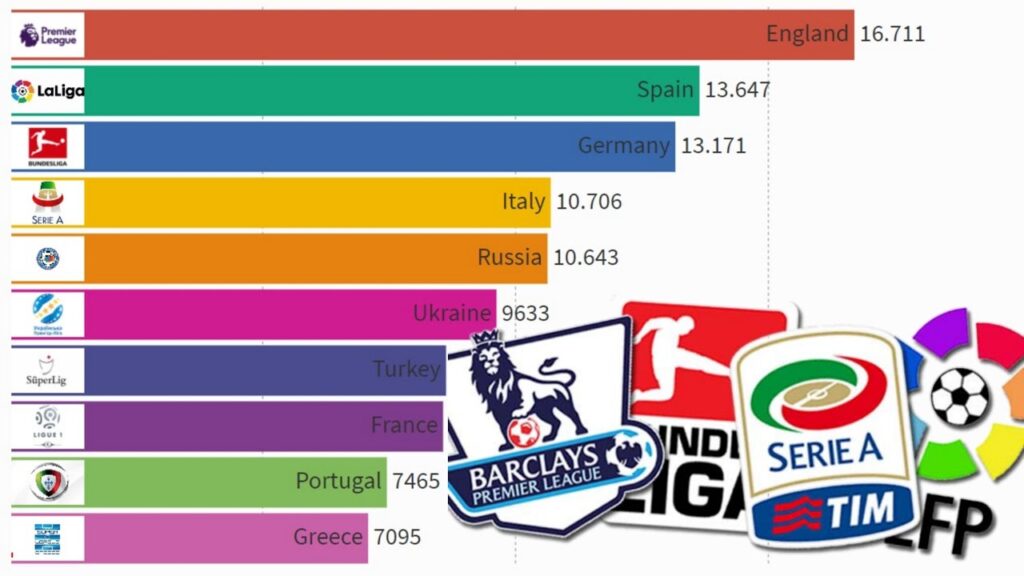
The Revenue Powerhouse: Why the English Premier League Dominates the Global Market
When measuring “the best” by financial scale, the English Premier League (EPL) stands in a category of its own. It is the gold standard of sports commercialization, effectively operating as a high-margin global media product rather than just a regional sports competition.
Broadcasting Rights and the Billion-Dollar TV Deal
The primary driver of the EPL’s dominance is its unrivaled ability to monetize its content through domestic and international broadcasting rights. In its most recent domestic rights cycle, the league secured deals worth approximately £6.7 billion over a four-year period. However, the true genius of the EPL’s business model lies in its international distribution. Unlike its competitors, the EPL has successfully marketed itself as a premium brand in the United States, Asia, and Africa, leading to international rights values that now rival or exceed domestic figures.
This massive influx of capital creates a “virtuous cycle” of investment. The high revenue allows even the bottom-ranked clubs to outspend the champions of other European leagues in the transfer market. This financial depth ensures that every match is a high-stakes, high-quality production, which in turn keeps global viewership numbers high and attracts even more lucrative sponsorship deals.
Commercial Revenue and Global Sponsorship Tiers
Beyond broadcasting, the EPL leads the world in commercial revenue. The league’s top “Big Six” clubs—Manchester City, Manchester United, Liverpool, Arsenal, Chelsea, and Tottenham—command sponsorship fees for jersey rights and stadium naming rights that are among the highest in all of professional sports. The league’s collective bargaining power and its central office’s ability to sell global partnerships have created a diversified income stream that protects the league from localized economic downturns. From a business finance perspective, the EPL is the most “recession-proof” league in soccer due to this globalized revenue base.
Evaluating Valuation: Market Cap and Squad Values Across Europe
In the world of investing, the value of an organization is often judged by its assets. In soccer, those assets are the players. The cumulative market value of the squads within a league serves as a proxy for the league’s “market cap.”
The “Big Five” Financial Disparity
Using data from financial analysts and valuation platforms like Transfermarkt, the disparity between the EPL and the rest of the world becomes stark. The total squad value of the Premier League often exceeds €11 billion, nearly double that of its nearest competitor, La Liga. For an investor, this represents liquidity. The high valuation of players in the EPL means that clubs can trade assets at a premium, creating a high-velocity internal economy.
La Liga and the Bundesliga maintain strong valuations, but they are often top-heavy. In Spain, the “Big Two” (Real Madrid and Barcelona) carry a disproportionate amount of the league’s total asset value. From a risk management perspective, this makes the league more vulnerable to the financial health of just a few entities. In contrast, the EPL’s more equitable distribution of wealth creates a more stable and robust “middle class” of clubs, making the league as a whole a more attractive prospect for private equity firms.
ROI for Private Equity and Sovereign Wealth Funds
The shifting landscape of club ownership has turned the “best” leagues into playgrounds for institutional investors. We have seen a surge in interest from US-based private equity firms (like Clearlake Capital’s acquisition of Chelsea) and sovereign wealth funds (like Saudi Arabia’s PIF acquisition of Newcastle United). These entities do not invest for the love of the game; they invest for the Return on Investment (ROI) and capital appreciation.
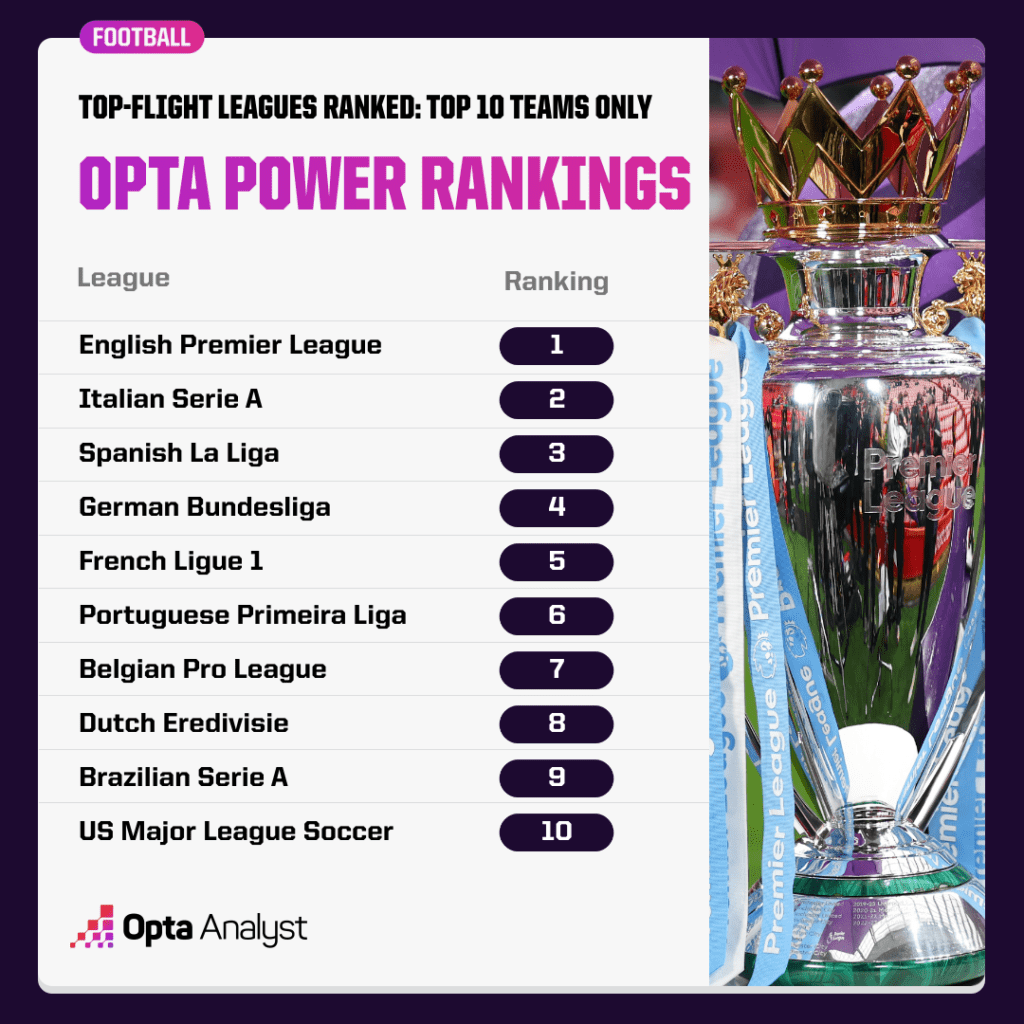
The Premier League is currently viewed as the most lucrative exit opportunity for investors. However, leagues like La Liga have taken a different financial approach by selling a percentage of their future broadcasting rights to private equity firms like CVC Capital Partners in exchange for immediate capital injections. This “selling of the future” to fund current operations is a high-risk business strategy that highlights the financial pressures facing leagues that are trying to close the gap with the EPL.
Sustainability and Financial Fair Play: The Business Model of the Bundesliga
While the EPL wins on raw revenue, the German Bundesliga often wins on operational efficiency and financial sustainability. For investors who prioritize long-term stability and low debt-to-equity ratios, the Bundesliga represents a different kind of “best.”
The 50+1 Rule and Investor Relations
The German league operates under the “50+1” rule, which mandates that club members must hold a majority of voting rights. This prevents the kind of aggressive leveraged buyouts seen in other leagues and ensures that clubs operate within their means. From a business finance standpoint, this creates a remarkably stable environment. German clubs rarely face the threat of insolvency, and their balance sheets are typically much cleaner than those of their counterparts in Italy or France.
Matchday Revenue and Operational Efficiency
The Bundesliga consistently leads the world in average attendance, which drives significant matchday revenue. By keeping ticket prices accessible, they ensure a packed “stadium product” that is highly attractive to broadcasters. Furthermore, German clubs have mastered the art of “organic growth,” focusing on youth academies and player development rather than high-interest debt to fund transfers. This model provides a blueprint for financial sustainability that many argue makes it the “best” league for long-term survival in an increasingly volatile global economy.
The Emerging Markets: Disrupting the Financial Status Quo
Any analysis of the best league in soccer would be incomplete without addressing the massive capital injections into the Saudi Pro League and the unique franchise model of Major League Soccer (MLS).
The Saudi Pro League and High-Capital Injection
The Saudi Pro League has recently executed one of the most aggressive market-disruption strategies in sports history. Backed by the Public Investment Fund (PIF), the league has spent billions on transfer fees and astronomical salaries to lure global icons. From a business strategy perspective, this is an attempt to “buy” market share and global relevance overnight. While the league does not yet have the broadcasting revenue to offset its spending, its goal is to create a new financial pole in the soccer world, challenging European dominance through sheer capital scale.
Major League Soccer (MLS) and the American Franchise Model
MLS operates on a completely different financial logic than European soccer. It uses a single-entity franchise model, similar to the NFL or NBA. This means there is no promotion or relegation, which eliminates the “existential financial risk” that haunts European clubs. For an investor, an MLS franchise is a much safer asset; the value of the team is guaranteed to grow as the league expands, regardless of on-field performance.
Moreover, MLS has pioneered innovative revenue-sharing deals, such as the 10-year global streaming partnership with Apple TV. This deal, which includes a share of subscription revenue for players like Lionel Messi, represents a new frontier in how soccer leagues can leverage technology and digital platforms to generate income. MLS may not be the “best” in terms of play quality today, but its business model is arguably the most sophisticated and stable for the modern digital age.
Conclusion: The Financial Verdict on Greatness
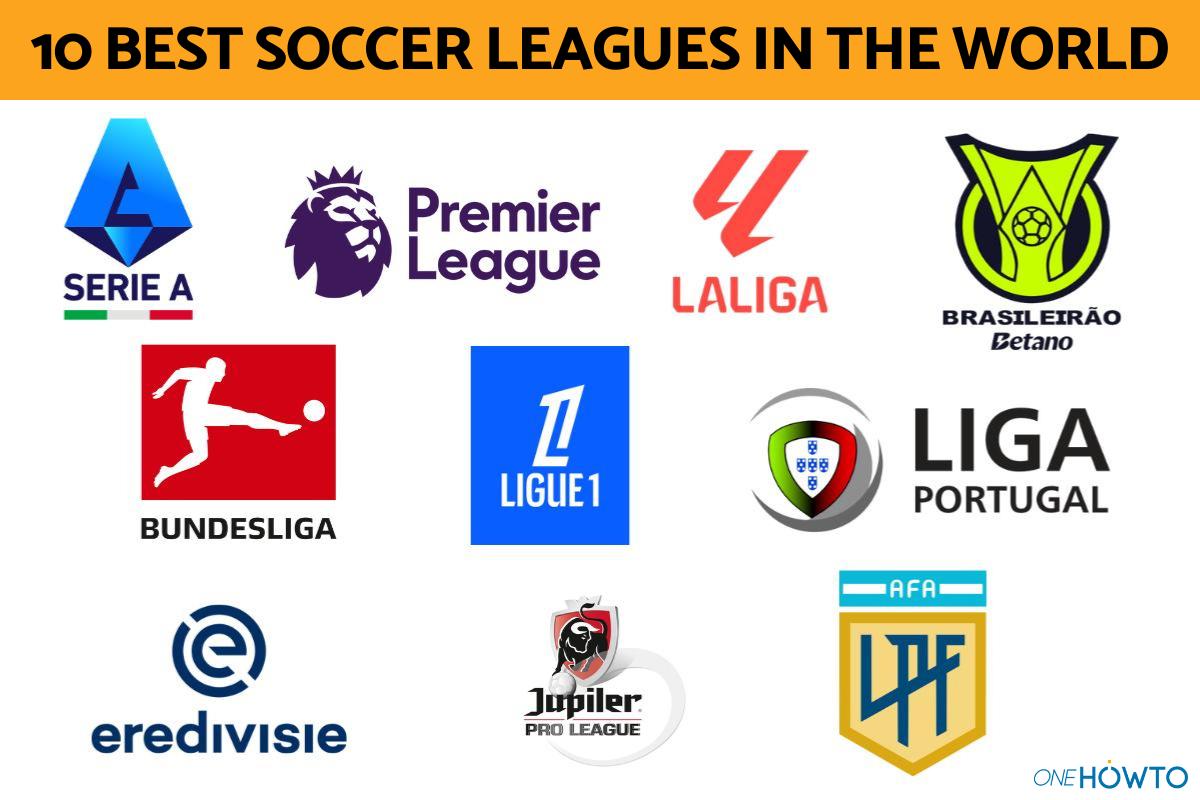
When we strip away the emotion of the sport and look strictly at the numbers, the English Premier League remains the best league in soccer. Its combination of massive broadcasting revenue, high asset valuation, and global brand equity makes it the undisputed leader of the industry. It is the most successful marriage of sport and commerce ever devised.
However, the definition of “best” is evolving. For those seeking financial sustainability and community-driven business models, the Bundesliga offers the premier template. For those looking for high-growth, low-risk franchise investments, MLS is the clear winner. As capital continues to flow into the sport from sovereign wealth funds and private equity, the battle for supremacy will no longer be fought just on the grass of London or Madrid, but in the boardrooms of New York, Riyadh, and Frankfurt. In the high-stakes world of global soccer, money is the ultimate scoreboard, and currently, the Premier League holds a lead that will be difficult for any competitor to close.
aViewFromTheCave is a participant in the Amazon Services LLC Associates Program, an affiliate advertising program designed to provide a means for sites to earn advertising fees by advertising and linking to Amazon.com. Amazon, the Amazon logo, AmazonSupply, and the AmazonSupply logo are trademarks of Amazon.com, Inc. or its affiliates. As an Amazon Associate we earn affiliate commissions from qualifying purchases.