
In the complex ecosystem of real estate finance, few acronyms carry as much weight as the MLS. For the uninitiated, the MLS stands for the Multiple Listing Service. While it is often discussed in the context of browsing for a new home, its true significance lies in its role as the primary engine for market transparency, property valuation, and capital liquidity. From a financial perspective, the MLS is not merely a database; it is a sophisticated marketplace utility that standardizes how billions of dollars in assets are traded annually.

Understanding the mechanics of the MLS is essential for anyone looking to navigate the financial landscape of property ownership, whether you are a first-time homebuyer protecting your primary investment or a seasoned real estate investor seeking to optimize a portfolio.
The Financial Foundation of Real Estate: Understanding the Multiple Listing Service (MLS)
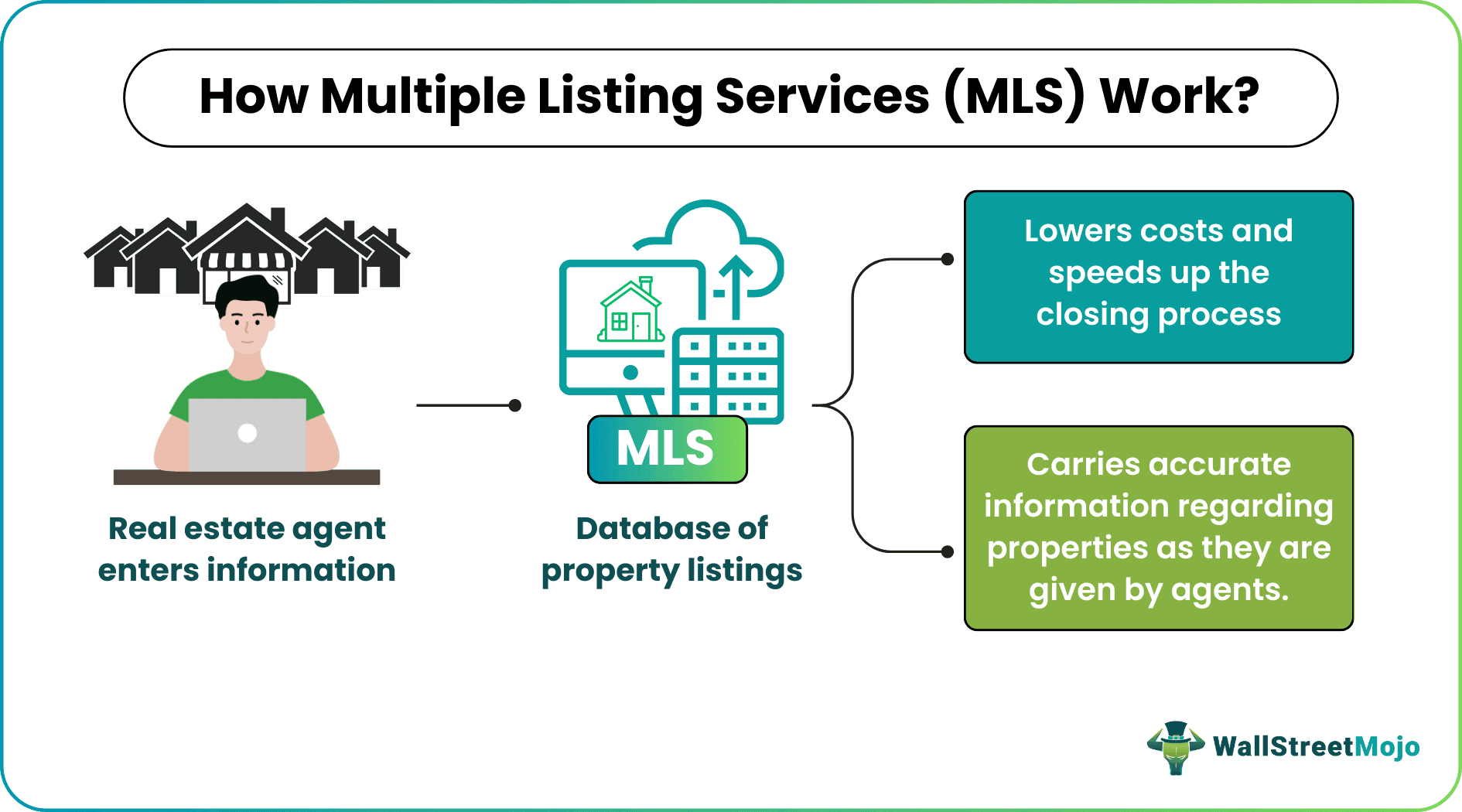
At its core, the MLS is a private offer of cooperation and compensation by real estate brokers to other real estate brokers. It is a suite of approximately 600 regional databases across the United States that allows participating brokers to share information about properties for sale. This collaborative model ensures that information is centralized rather than fragmented, which is a critical component of a healthy financial market.
Defining the MLS as a Market Mechanism
In finance, a “perfect market” is one where all participants have access to the same information simultaneously. While real estate is traditionally considered an inefficient asset class due to the unique nature of every property, the MLS serves to bridge that gap. By consolidating data on listing prices, property features, historical sales, and pending contracts, it creates a level of transparency that protects the capital of both buyers and sellers.
For a seller, the MLS provides maximum exposure. In the world of investing, exposure equals demand, and demand drives price. By listing a property on the MLS, an owner ensures that their asset is visible to the widest possible pool of qualified buyers, thereby ensuring the property fetches its true market value rather than a discounted price resulting from a lack of competition.
Why the MLS is the Backbone of Residential Investment
Real estate is often the largest single line item on a personal balance sheet. The MLS provides the data integrity necessary to treat residential property as a predictable financial instrument. Because the data within the MLS is curated and verified by licensed professionals, it carries a higher degree of trust than “for sale by owner” platforms or third-party aggregators that may scrape outdated or inaccurate information. For the investor, this data integrity is the difference between an accurate ROI projection and a costly miscalculation.
How the MLS Drives Property Valuation and Market Liquidity
The most critical financial application of the MLS is its role in property valuation. Every professional appraisal, every comparative market analysis (CMA), and every high-stakes negotiation relies on the data housed within these systems.
Real-Time Data and the “Comps” Advantage
In personal finance and investing, “comps” or comparable sales are the gold standard for determining value. To value a stock, you look at the ticker; to value a property, you look at the MLS. The system allows users to filter recently sold properties by specific criteria: square footage, location, age, and condition.
This data allows investors to identify “price per square foot” trends within specific micro-markets. Without the MLS, this information would be siloed within individual brokerage offices, making it nearly impossible for an outsider to determine if a property is priced fairly. The ability to see what someone else paid for a similar asset just weeks ago is the most powerful tool a buyer has to prevent over-leveraging.
Liquidity and the Speed of Capital Turnover
Liquidity refers to how quickly an asset can be converted into cash without affecting its price. Real estate is inherently illiquid, but the MLS improves liquidity by streamlining the discovery process. When a property is “cleared” through the MLS, it enters a high-velocity stream of data that feeds into thousands of consumer-facing websites and agent portals.
For an investor, the “Days on Market” (DOM) metric—tracked meticulously by the MLS—is a vital indicator of market heat. A low average DOM across a zip code suggests high liquidity, meaning an investor can exit their position quickly if capital needs to be redeployed. Conversely, a rising DOM signal warns of a cooling market, prompting a shift in investment strategy toward defensive positioning or rental yield over quick flips.
The Economic Impact of the MLS on Transaction Costs and Commissions

The financial structure of the MLS also dictates how transaction costs are distributed. Historically, the MLS has been the venue where “cooperative compensation” is established. This has profound implications for the net proceeds of a sale and the total cost of acquisition.
Transparency and Fee Structures
When a seller lists a property on the MLS, they traditionally agree to a commission structure that pays both their listing agent and the buyer’s agent. This setup has been the subject of significant legal and economic debate, but its primary financial function has been to ensure that buyers—who are already deploying significant capital for down payments and closing costs—have professional representation without needing additional out-of-pocket cash to pay their advisors.
From a business finance perspective, these commissions are transactional frictions. The MLS makes these frictions transparent. By knowing the standard commission rates in a given market, investors can build these costs into their “exit math” from day one. Understanding these costs is essential for calculating the “break-even” point of a property investment, accounting for the 5% to 6% typically lost to transaction fees upon resale.
The Cost of Accessibility for Private Investors
Access to the MLS is generally restricted to licensed real estate professionals who pay dues to local associations. For the private investor, this creates a cost-benefit analysis. Is it worth the time and licensing fees to gain direct access to the “raw” data, or is it more cost-effective to work with a broker who can interpret the data?
Most successful wealth-builders choose the latter, viewing a skilled agent as a specialized financial consultant. The agent’s ability to pull “hot sheets” (daily updates on new listings, price reductions, and back-on-market statuses) from the MLS provides a competitive edge that public-facing apps, which often lag by hours or days, cannot match.
Leveraging MLS Insights for Wealth Building and Portfolio Management
Beyond simple buying and selling, the MLS is a strategic tool for long-term wealth management. It offers a macro view of economic shifts before they are reflected in broader financial news.
Identifying Off-Market Opportunities vs. Public Listings
Ironically, one of the best ways to use the MLS is to identify what isn’t there. Professional investors often use MLS data to find “expired listings”—properties that were on the market but failed to sell. These represent motivated sellers who may be open to creative financing, seller-carryback options, or deeper discounts.
By analyzing why a property failed to move on the MLS (was it overpriced? poor photos? bad timing?), an investor can find value where the general market saw a failure. This is a classic “value investing” strategy applied to real estate: buying an unloved asset and correcting the issues that the MLS data highlighted.
Predicting Market Trends Through Inventory Absorption Rates
The MLS allows for the calculation of the “absorption rate,” which is the number of months it would take to sell all current inventory at the present rate of sales. In financial terms, this is a supply-and-demand ratio.
-
A 1–4 month supply indicates a “Seller’s Market,” where prices are likely to appreciate.
-
A 5–6 month supply indicates a “Balanced Market.”
-
A 7+ month supply indicates a “Buyer’s Market,” where capital can be deployed at a discount.
For an individual managing their own retirement through real estate, tracking the absorption rate via MLS reports is the most accurate way to time a market exit or entry.
The Future of Real Estate Finance: Will the MLS Model Hold?
As technology disrupts traditional finance, the MLS model is also evolving. We are seeing the rise of “Brokerage-only” listings and a push for more nationalized data standards. However, the fundamental value of the MLS as a centralized repository of financial data remains unchallenged.
The integration of AI and predictive analytics with MLS data is the next frontier. Imagine a scenario where the MLS doesn’t just tell you what a house sold for, but uses historical data to predict exactly how much a kitchen remodel will add to the appraised value in a specific neighborhood. For the money-conscious property owner, this turns the home from a “money pit” into a calculated financial growth engine.
In conclusion, the MLS is far more than a “for sale” list. It is a critical financial infrastructure that provides the transparency, valuation data, and market liquidity necessary for real estate to function as a viable investment asset. Whether you are tracking your net worth or hunting for your next cash-flowing rental, the data provided by the Multiple Listing Service is the most valuable currency in the real estate market. Understanding how to interpret this data is not just a skill for agents—it is a prerequisite for financial literacy in the world of property.
aViewFromTheCave is a participant in the Amazon Services LLC Associates Program, an affiliate advertising program designed to provide a means for sites to earn advertising fees by advertising and linking to Amazon.com. Amazon, the Amazon logo, AmazonSupply, and the AmazonSupply logo are trademarks of Amazon.com, Inc. or its affiliates. As an Amazon Associate we earn affiliate commissions from qualifying purchases.