
In the realm of personal finance and wealth building, real estate remains one of the most reliable vehicles for long-term capital appreciation and passive income. At the heart of this industry lies a powerful tool that functions as the central nervous system of property transactions: the Multiple Listing Service (MLS). For investors, first-time homebuyers, and financial planners, understanding how to look up MLS listings is not merely a technical skill; it is a fundamental component of market analysis and strategic asset acquisition. By gaining access to this verified data, an individual moves from the position of a casual observer to an informed participant in the global economy.

The MLS is a private database created, maintained, and paid for by real estate professionals to help their clients buy and sell property. Unlike public-facing search engines that may aggregate data from various sources, the MLS provides the most accurate, real-time information regarding property status, pricing history, and specific disclosures. Mastering the search for these listings allows you to bypass information asymmetry, ensuring that your financial decisions are based on the same high-quality data used by institutional investors.
The Financial Significance of the Multiple Listing Service (MLS)
Before diving into the mechanics of a search, it is crucial to understand why the MLS is the gold standard for financial data in real estate. In any market, the quality of your output is only as good as the quality of your input. When evaluating a potential investment, relying on outdated or inaccurate information can lead to overleveraging or missed opportunities. The MLS serves as a comprehensive ecosystem that stabilizes the market by ensuring transparency and cooperation among brokers.
For the savvy investor, looking up MLS listings is the first step in a “Price Discovery” phase. Price discovery is the process of determining the spot price of an asset through interactions between buyers and sellers. Because the MLS records the actual closing prices—not just the asking prices—it provides a historical record of what the market is actually willing to pay. This data is essential for calculating the Internal Rate of Return (IRR) and the potential Cash-on-Cash Return for a rental property.
Furthermore, the MLS facilitates market liquidity. In financial terms, liquidity refers to how quickly an asset can be converted into cash without affecting its market price. By centralizing listings, the MLS ensures that a property reaches the widest possible audience of qualified buyers, thereby reducing the “Days on Market” (DOM) and allowing sellers to exit their positions more efficiently. For those looking to look up listings, understanding this back-end utility helps in interpreting the data points found within each entry.
Strategic Methods to Access MLS Listings for Market Analysis
While the MLS is a private tool reserved for licensed professionals, there are several strategic ways for the general public and private investors to access this data for financial planning. Each method offers a different level of detail and utility depending on your specific goals.
Working with a Licensed Professional
The most direct and comprehensive way to look up MLS listings is through a licensed real estate agent or broker. From a wealth management perspective, a broker is more than a salesperson; they are a data gatekeeper. When you work with a professional, they can set up a “Client Portal” for you. This is a personalized digital dashboard that feeds directly from the local MLS.
The advantage of this method is the inclusion of “Agent-Only” remarks. These notes often contain critical financial information, such as whether a seller is offering financing concessions, if there are pending special assessments on a condo, or if the property is a distressed sale that requires a cash-only transaction. For a serious investor, these details are the difference between a profitable flip and a financial burden.
Leveraging IDX-Powered Public Portals
If you prefer to conduct independent research before engaging a professional, you will likely use public-facing websites that utilize Internet Data Exchange (IDX). IDX is the software standard that allows real estate agents to display MLS listings on their own websites.
When you look up listings on a high-quality IDX site, you are seeing a mirrored version of the MLS. However, be aware that not all public sites are created equal. Some third-party aggregators may experience lag times, showing a property as “Active” when it has already moved to “Pending” or “Under Contract.” From a financial standpoint, time is money. Using a localized site run by a reputable brokerage often provides more timely data than a national conglomerate, allowing you to react faster to new opportunities in a competitive market.
Utilizing Professional-Grade Subscription Tools
For those involved in high-volume investing or commercial real estate, there are paid subscription services that aggregate MLS data alongside public records, tax history, and foreclosure data. Tools such as PropStream or Reonomy allow users to look up listings while simultaneously analyzing the debt-to-equity ratio of the current owner. This level of insight is invaluable for “off-market” strategies, where an investor identifies a property with high equity and low mortgage balance, signaling a potential for a negotiated private sale.
Analyzing MLS Data for Investment Decisions
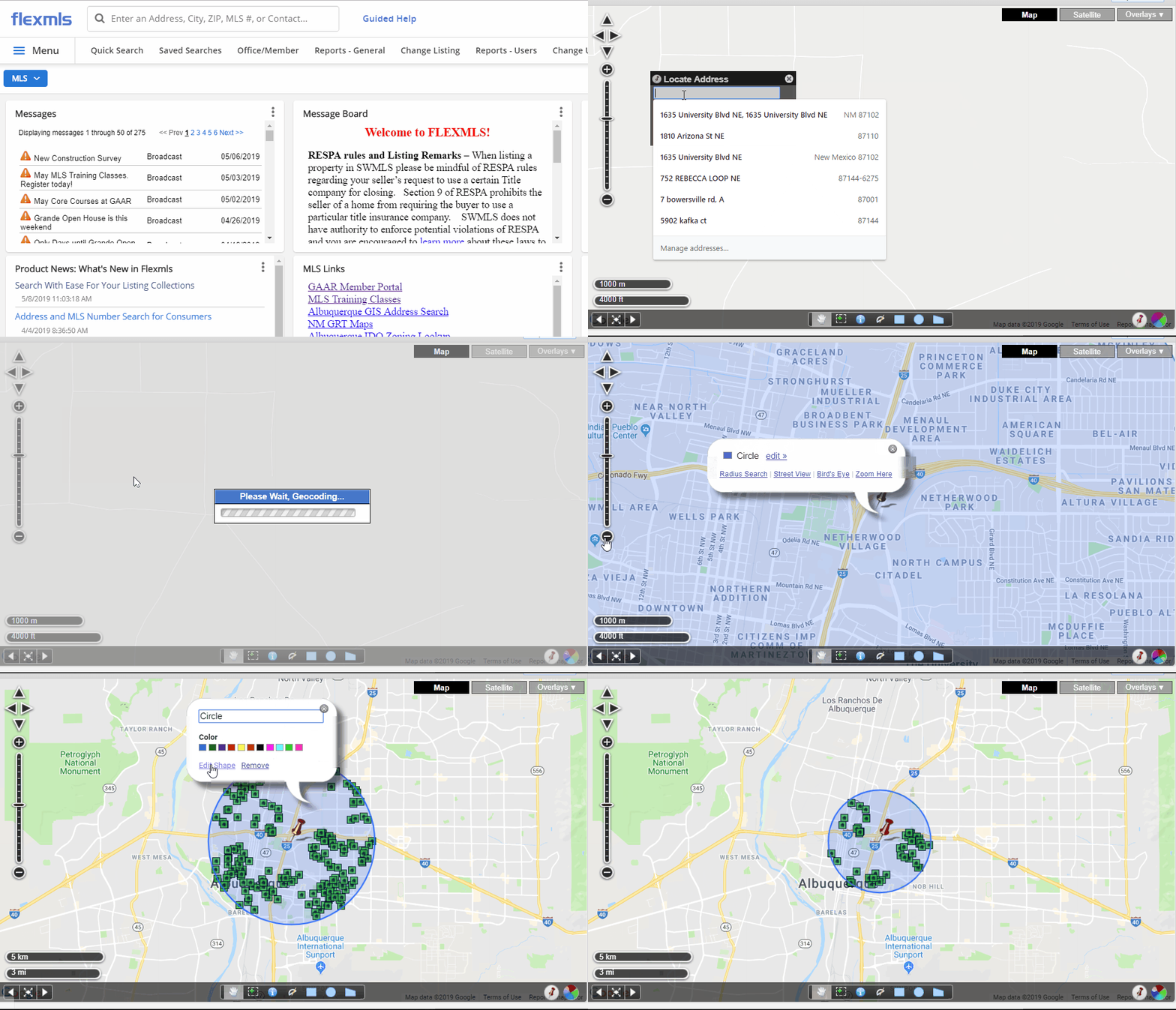
Once you have successfully accessed the listings, the next step is to interpret the data through a financial lens. Looking up a listing involves more than just viewing photos; it requires a deep dive into the numbers that define the asset’s value.
Comparative Market Analysis (CMA)
The most powerful tool in the MLS arsenal is the ability to generate a Comparative Market Analysis. By looking up “Solds” (properties that have closed within the last 3-6 months) within a specific radius of your target property, you can establish a baseline valuation. In finance, this is known as the “Comps” method. You are looking for properties with similar square footage, bedroom counts, and condition to determine the current Fair Market Value (FMV). This ensures you do not overpay, protecting your initial capital investment.
Days on Market (DOM) as a Risk Indicator
Every MLS listing tracks “Days on Market.” This is a vital metric for assessing risk and leverage. If a property has been sitting on the market for an unusually long period compared to the neighborhood average, it may indicate a fundamental flaw in the property or, more likely, an unrealistic asking price. For an investor, a high DOM count represents a point of leverage for negotiation. You can often secure a “below-market” price on such properties, immediately baking equity into the deal upon purchase.
Price History and Appreciation Trends
Most MLS-fed platforms show the price history of a listing, including previous sales and any price drops during the current listing period. Analyzing these trends helps you understand the volatility of a specific micro-market. For long-term wealth building, you want to identify areas with steady, incremental price growth rather than erratic spikes, which might indicate a speculative bubble.
Navigating the Financial Tools Within MLS Listings
Modern MLS listings are often integrated with secondary financial tools that streamline the “due diligence” process. When you look up a listing, you should pay close attention to the following integrated data points:
Property Tax and Assessment Data
The MLS usually pulls information from the county tax assessor. This allows you to verify the annual tax burden, which is a fixed carrying cost that affects your monthly cash flow. Furthermore, comparing the tax assessment to the asking price can reveal if the property is over-valued or if there is a risk of a significant tax hike following a reassessment after the sale.
Zoning and Land Use
For those looking to increase a property’s value through development or the addition of an Accessory Dwelling Unit (ADU), the zoning information provided in the MLS is critical. Understanding the legal use of the land prevents you from investing in a property that cannot fulfill your financial objectives, such as a short-term rental in a zone where they are prohibited.
Estimated Mortgage and Carrying Costs
Many MLS portals include integrated mortgage calculators that pull current interest rates. While these are estimates, they provide an immediate look at the debt-service coverage ratio (DSCR). For an investment property, you want to ensure that the projected rental income comfortably exceeds the mortgage payment, property taxes, insurance, and maintenance reserves.
Advanced Search Tactics for Maximizing ROI
To truly excel at looking up MLS listings for financial gain, you must move beyond basic searches and employ advanced tactics that filter for high-alpha opportunities.
Filtering for Distressed and “As-Is” Properties
In a competitive market, the highest returns often come from properties that require sweat equity. By using keywords like “TLC,” “Handyman Special,” “As-Is,” or “Motivated Seller” in your search filters, you can find properties priced below market value. These listings are the primary targets for fix-and-flip investors or those looking to build a rental portfolio through the BRRRR (Buy, Rehab, Rent, Refinance, Repeat) method.
Monitoring “Back on Market” Status
One of the most lucrative ways to look up listings is to set up alerts for properties that go “Back on Market” (BOM). Often, a property falls out of escrow due to a buyer’s financing failing or a change in their personal circumstances. When a property returns to the market, the seller is often anxious and more willing to accept a lower offer or provide favorable terms to ensure a quick close.
Geographic Diversification
The ability to look up MLS listings across different regions allows for geographic diversification of your investment portfolio. By comparing the “Cap Rates” (Capitalization Rates) of different cities, you can move your capital from low-yield, high-priced markets to emerging markets with higher growth potential. The MLS provides the data necessary to make these macro-economic shifts in your personal investment strategy.
Ultimately, the ability to look up and interpret MLS listings is a gateway to financial literacy in the real estate sector. By treating the MLS as a sophisticated financial database rather than a simple search tool, you position yourself to make data-driven decisions that safeguard your capital and accelerate your journey toward financial independence. Whether you are seeking a primary residence that will serve as a cornerstone of your net worth or a commercial asset to generate monthly cash flow, the MLS remains your most vital resource for navigating the complexities of the modern real estate market.
aViewFromTheCave is a participant in the Amazon Services LLC Associates Program, an affiliate advertising program designed to provide a means for sites to earn advertising fees by advertising and linking to Amazon.com. Amazon, the Amazon logo, AmazonSupply, and the AmazonSupply logo are trademarks of Amazon.com, Inc. or its affiliates. As an Amazon Associate we earn affiliate commissions from qualifying purchases.