
The simple search query “when does Kohl’s open today” represents more than a consumer’s immediate need for a pair of jeans or a kitchen appliance. In the landscape of modern brand strategy, this phrase is a data point at the intersection of operational excellence and corporate identity. For a retailer like Kohl’s, which operates over 1,100 stores across the United States, the answer to that question is the first handshake in a complex relationship between a legacy brand and a digitally-native consumer.
In an era where e-commerce giants offer twenty-four-hour shopping windows, the physical opening hours of a brick-and-mortar retailer serve as a definitive statement of presence. For Kohl’s, maintaining this presence is not merely about utility; it is about reinforcing a brand promise of accessibility, reliability, and community-centric retail. To understand the gravity of this query, one must look deeper into how Kohl’s has positioned its brand to survive—and thrive—in a volatile market by turning routine operations into a strategic advantage.
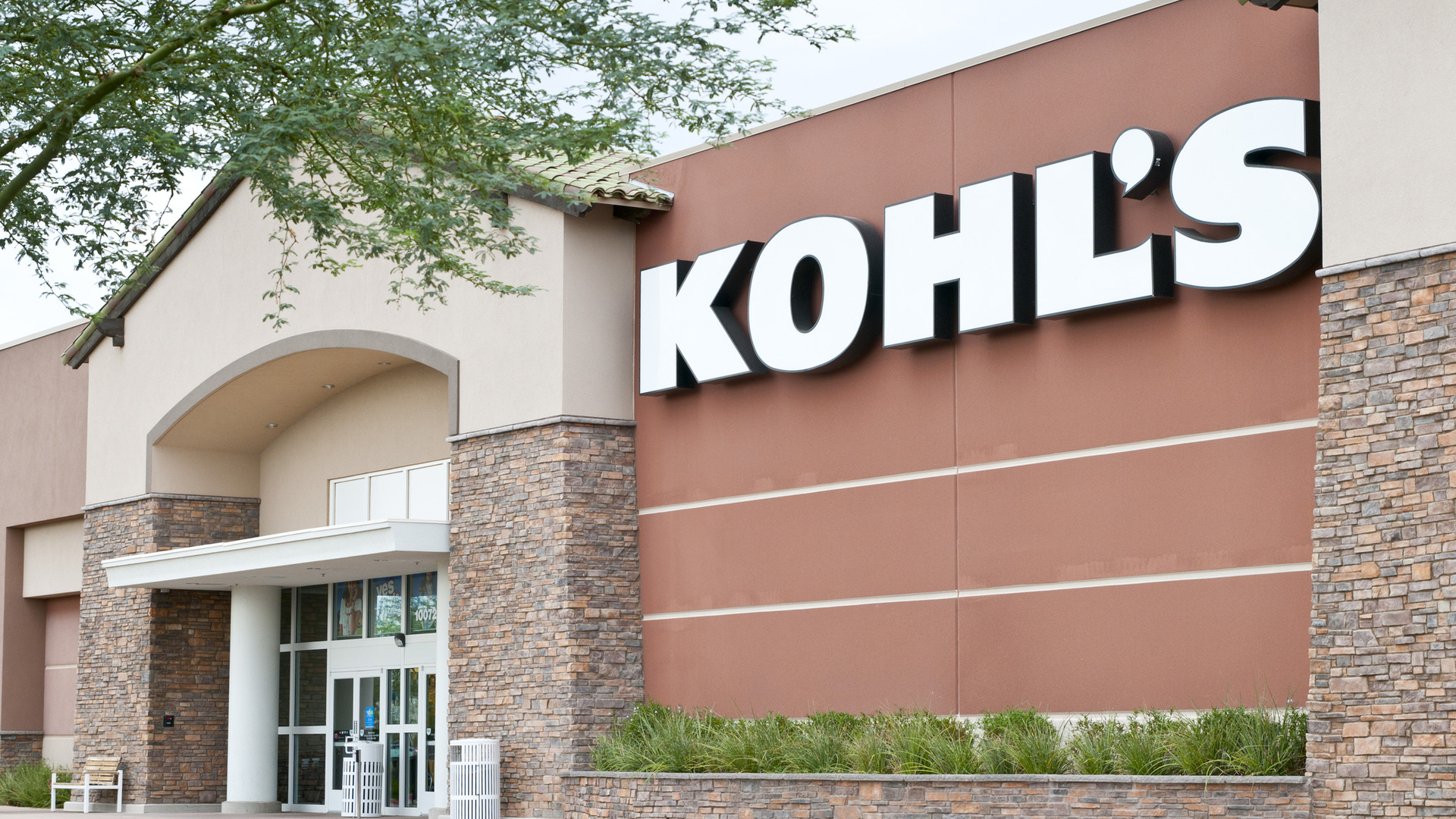
The Psychology of Presence: Physical Stores in the Digital Age
The brand identity of Kohl’s is fundamentally rooted in the suburban landscape. Unlike high-end department stores that anchor luxury malls or discount giants that dominate rural stretches, Kohl’s has historically occupied the “middle ground”—a position that requires a unique brand of psychological trust. When a customer searches for opening hours, they are seeking a physical destination that offers a sensory experience the internet cannot replicate.
The Anchor Effect of Brick-and-Mortar
For the Kohl’s brand, the physical store serves as a giant billboard. The consistency of its operating hours contributes to what branding experts call “perceived reliability.” If a customer knows that their local store opens at 10:00 AM daily, that predictability becomes part of their mental map. In branding, predictability is a precursor to loyalty. By ensuring that “when does Kohl’s open” yields a consistent and accurate result across all digital platforms, the company reinforces its image as a dependable pillar of the local economy.
Predictability as a Brand Value
In the current retail climate, uncertainty is a brand killer. Supply chain disruptions and labor shortages have led many retailers to fluctuate their hours unexpectedly. Kohl’s has made a concerted effort to maintain standardized operations, signaling to its customer base that it is a “safe” bet for their time. Time is the ultimate currency of the modern consumer; by respecting that time through clear communication of store hours, Kohl’s builds brand equity before the customer even walks through the sliding glass doors.
Kohl’s Brand Identity: Navigating the Middle Market
The Kohl’s brand is a case study in strategic adaptation. The company has successfully navigated the “death of the department store” narrative by pivoting its identity from a generalist retailer to a curated lifestyle destination. This transition is essential to understanding why the brand remains a destination worth visiting in person.
Curated Value and the “Kohl’s Cash” Phenomenon
One cannot discuss the Kohl’s brand without mentioning “Kohl’s Cash.” This loyalty mechanism is a masterclass in behavioral marketing. It transforms a transaction into a cycle, incentivizing return visits. The brand identity is thus built on a “high-low” strategy: offering recognized national brands at accessible prices, coupled with a proprietary currency that makes the consumer feel like a savvy insider. When a customer asks when the store opens, they are often motivated by the expiration date of their Kohl’s Cash, demonstrating how a financial tool can drive physical brand engagement.
Strategic Partnerships: The Sephora and Amazon Effect
Perhaps the most significant shift in Kohl’s brand strategy in the last decade has been its willingness to invite other powerful brands into its ecosystem. The partnership with Sephora has effectively rebranded Kohl’s as a prestige beauty destination, attracting a younger, more trend-conscious demographic that might have previously overlooked the retailer.
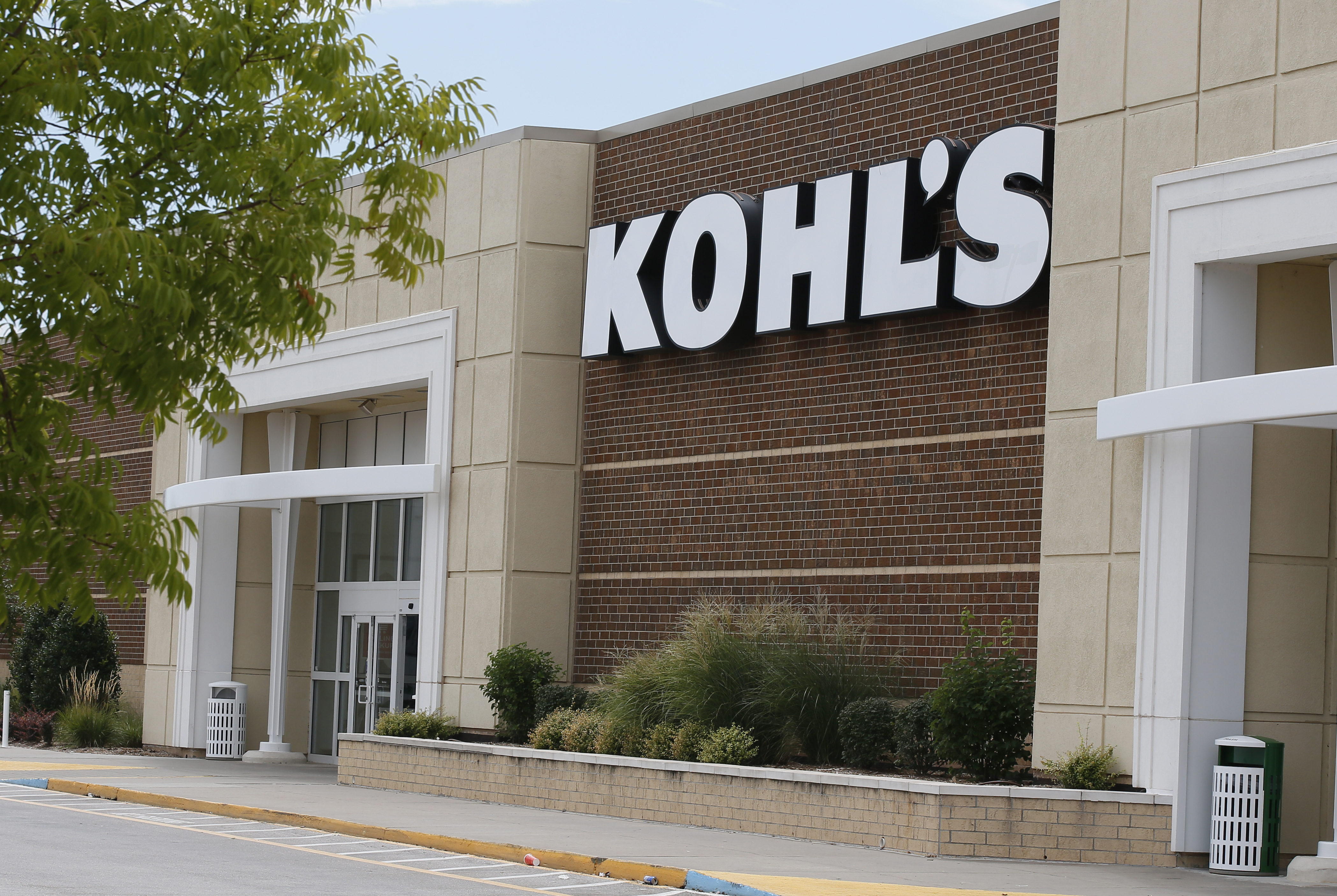
Similarly, the Amazon returns partnership is a brilliant stroke of brand strategy. By allowing customers to return Amazon packages at Kohl’s locations, the company has solved a major consumer pain point. This move does two things for the brand: it positions Kohl’s as a helpful, service-oriented neighbor, and it creates foot traffic from a demographic that is already in a “transactional” mindset. The search for Kohl’s opening hours is frequently driven by someone needing to drop off an Amazon return, providing Kohl’s with a golden opportunity to convert a service visitor into a retail shopper through strategic floor layouts and brand exposure.
Operational Excellence as Marketing Strategy
In the world of modern branding, marketing isn’t just about commercials; it’s about the frictionlessness of the customer journey. Operational details, such as the accuracy of store hours on Google Maps or the Kohl’s app, are critical touchpoints in the brand experience.
Store Hours and the Logistics of Customer Satisfaction
When a customer searches “when does Kohl’s open today,” they expect a localized, real-time answer. If a brand fails at this basic level of communication—if a customer arrives to find a “closed” sign despite a digital “open” status—the brand damage is severe. Kohl’s has invested heavily in omnichannel synchronization, ensuring that their operational data is reflected accurately across the web. This digital-to-physical handoff is where brand trust is either solidified or shattered.
The Omnichannel Experience: Merging Local Search with In-Store Reality
Kohl’s has embraced the “Buy Online, Pick Up In Store” (BOPIS) model, which relies heavily on the store being open and ready for the customer. This model turns the physical store into a fulfillment center, further integrating the brand into the customer’s digital shopping routine. The brand identity shifts from being a place where you “browse” to a place that “facilitates” your life. This efficiency is a core component of the Kohl’s value proposition: it is the department store for the person who doesn’t have time for a traditional department store.
Branding Through Accessibility: The Local Connection
Unlike many of its competitors who have retreated to online-only models or shuttered hundreds of locations, Kohl’s continues to double down on the importance of the local store. This is a deliberate brand choice to remain “the neighborhood’s store.”
Localized Marketing and Community Trust
Kohl’s locations are often found in power centers and strip malls rather than traditional enclosed malls. This makes them more accessible and less intimidating. The brand identity is built on this “drive-up” convenience. The question of “when does Kohl’s open” is often asked from a car or a kitchen table, emphasizing the store’s role as a local utility. By maintaining a strong presence in these communities, Kohl’s positions itself as a stable, local employer and a reliable contributor to the community’s tax base, which adds a layer of corporate social responsibility to its brand image.
Future-Proofing the Retail Brand
To remain relevant, Kohl’s is constantly refining its “store of the future” concept. This includes smaller-format stores and localized assortments. The brand is shifting away from a “one size fits all” approach to a more data-driven, localized strategy. This means that opening hours might eventually vary by location based on local traffic patterns and consumer behavior, further emphasizing the need for robust, real-time digital communication. The brand’s ability to communicate these nuances through search engines and apps will be the bridge to its future success.

The Evolution of Brand Trust
Ultimately, the query “when does Kohl’s open today” is a testament to the brand’s enduring relevance. In a world where consumers are overwhelmed with choices, they continue to seek out the familiar. Kohl’s has spent decades building a brand that stands for value, convenience, and a pleasant shopping environment.
By mastering the basics—like being open when they say they are and offering a seamless return process—they earn the right to engage the customer with their higher-level brand initiatives, like the Sephora partnership or their private-label fashion lines. The brand’s strategy is a reminder that in the high-tech world of modern retail, the most powerful brand asset is still a simple, fulfilled promise. Whether it’s a search for hours or a search for a new wardrobe, Kohl’s has positioned itself as the answer, proving that a well-executed brand strategy is one that meets the customer exactly where they are: at the intersection of a digital search and a physical front door.
aViewFromTheCave is a participant in the Amazon Services LLC Associates Program, an affiliate advertising program designed to provide a means for sites to earn advertising fees by advertising and linking to Amazon.com. Amazon, the Amazon logo, AmazonSupply, and the AmazonSupply logo are trademarks of Amazon.com, Inc. or its affiliates. As an Amazon Associate we earn affiliate commissions from qualifying purchases.