
In the fast-paced world of modern retail, the question “What time does Kohl’s open?” is more than just a logistical query for a shopper looking for a new pair of shoes or a kitchen appliance. For branding experts and corporate strategists, the answer represents a critical touchpoint in a sophisticated operational framework. Kohl’s, a titan of the American department store landscape, has mastered the art of “the opening”—not just in terms of hours on a clock, but as a gateway to a multi-layered brand experience that balances accessibility, prestige, and digital integration.
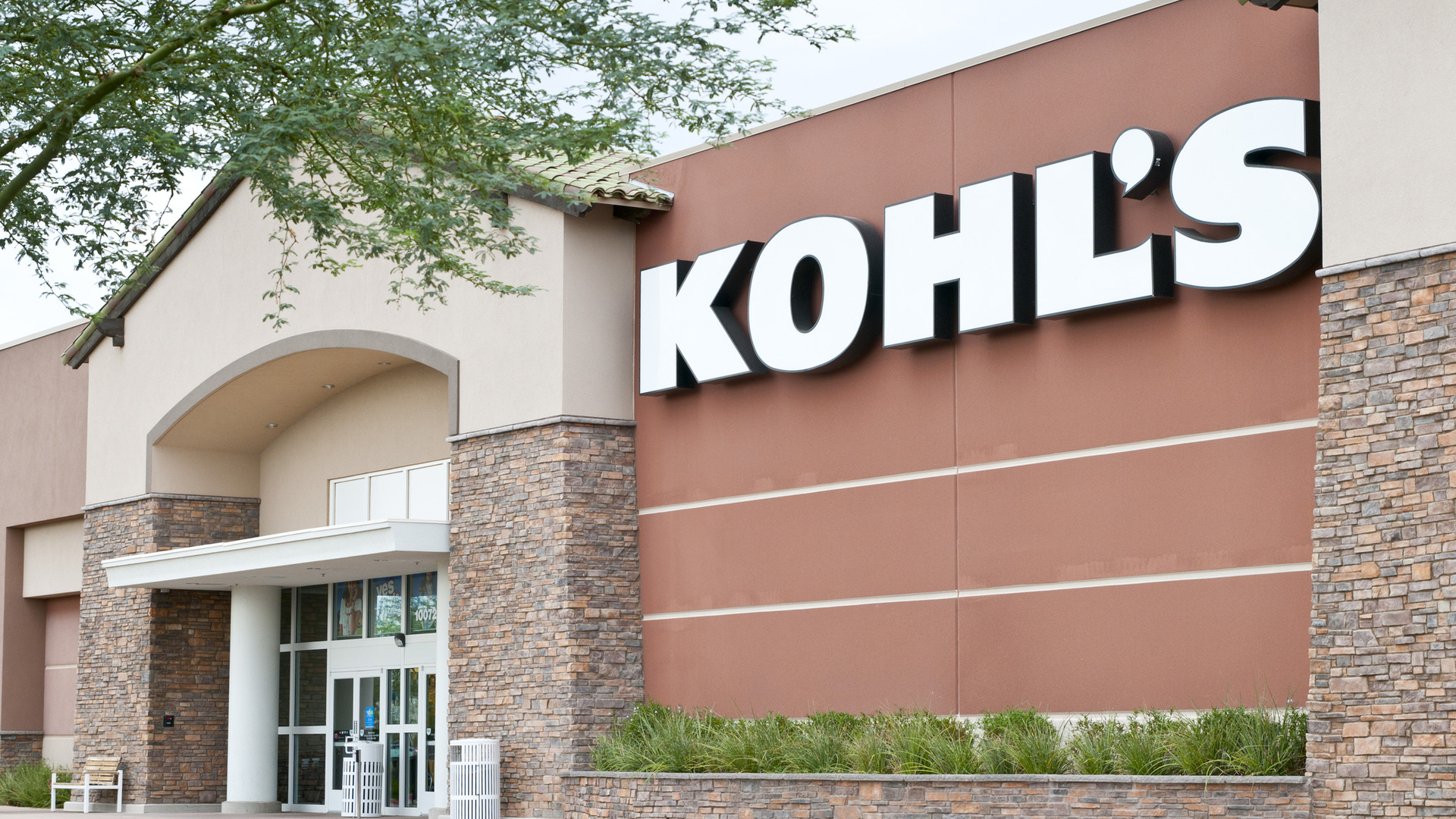
Typically, Kohl’s locations across the United States open their doors at 9:00 AM or 10:00 AM, depending on the day of the week and local market demands. However, these hours are not arbitrary. They are a calculated component of a brand strategy designed to capture specific consumer segments, foster loyalty through convenience, and maintain a competitive edge in a landscape increasingly dominated by e-commerce giants.
The Psychology of Retail Hours: Accessibility as a Core Brand Value
At its heart, the Kohl’s brand identity is built on the concept of being “the accessible middle.” Unlike high-end luxury retailers that may open later to maintain an air of exclusivity, or discount warehouses that open at dawn for bulk buyers, Kohl’s positions itself as the reliable partner for the suburban family.
The Morning Power Hour
By opening at 9:00 AM or 10:00 AM, Kohl’s targets a specific demographic: the “efficiency shopper.” This includes parents who have just finished school drop-offs and retirees who prefer to shop before the midday rush. By aligning its brand presence with the daily rhythms of its core audience, Kohl’s reinforces its identity as a convenient, neighborhood-centric destination. This reliability builds brand equity; customers know exactly when and how they can interact with the brand, creating a sense of psychological comfort and trust.
Seasonal Flexibility and Brand Agility
A key aspect of Kohl’s brand strategy is its agility during peak shopping seasons. During the holidays, the brand famously extends its hours, sometimes staying open for 24 hours straight leading up to Christmas. This operational shift communicates a powerful brand message: “We are here for you when you need us most.” It transforms the brand from a static store into a dynamic service provider, cementing its reputation for customer-centricity during high-stress periods.
The Power of Integration: How Amazon and Sephora Redefined the Kohl’s Identity
While hours of operation provide the “when,” Kohl’s strategic partnerships provide the “why.” In recent years, the Kohl’s brand has undergone a massive transformation by inviting external entities into its physical space. This is a bold move in brand management—allowing a competitor or a distinct prestige brand to occupy your real estate.
The Amazon Returns Halo Effect
One of the most innovative branding moves in retail history was Kohl’s decision to accept Amazon returns. Strategically, this means that even if a customer didn’t intend to shop at Kohl’s, they are compelled to walk through the doors during those opening hours.
From a brand perspective, this serves two purposes. First, it positions Kohl’s as a solution-oriented brand that values the customer’s time and convenience across the entire retail ecosystem, not just within its own aisles. Second, it drives significant foot traffic, introducing the Kohl’s brand to younger, digitally-native demographics who might otherwise shop exclusively online. This “Halo Effect” has successfully modernized the brand’s image, pivoting it from a traditional department store to a modern logistical hub.
Sephora at Kohl’s: Elevating the Prestige Quotient
The partnership with Sephora represents a masterclass in brand repositioning. By integrating Sephora “shop-in-shops,” Kohl’s has successfully elevated its prestige. The brand is no longer just a destination for value-priced basics; it is now a destination for high-end beauty and self-care.
This move allows Kohl’s to leverage Sephora’s brand equity to attract a more affluent and beauty-conscious consumer. The opening hours of Kohl’s now coincide with the availability of prestige beauty consultations, effectively narrowing the gap between the “middle-market” Kohl’s brand and the “premium” Sephora brand. This synergy creates a “store-within-a-store” experience that justifies the physical trip to the mall in an era of digital dominance.
Engineering Loyalty: The Kohl’s Cash Phenomenon and Brand Retention
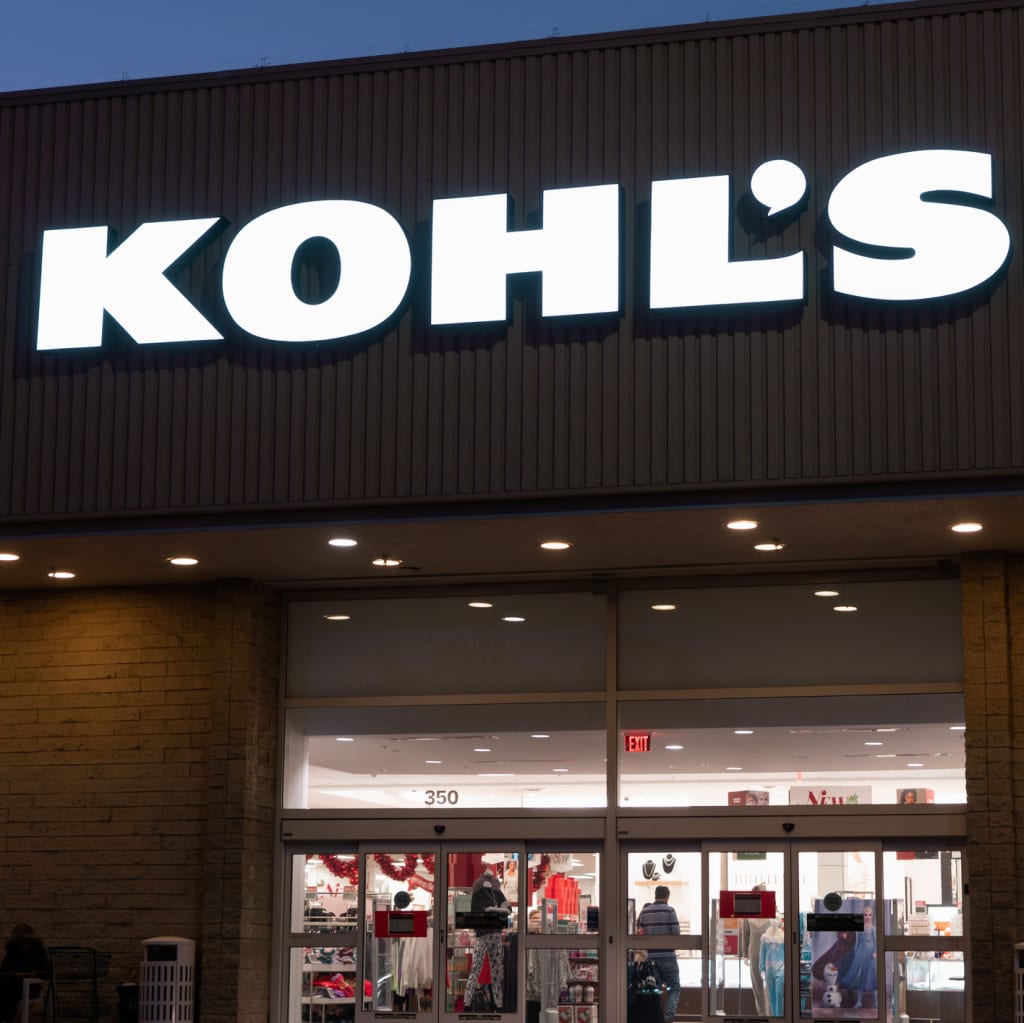
Any discussion of the Kohl’s brand must include its most potent marketing tool: Kohl’s Cash. This proprietary currency is more than just a discount program; it is a sophisticated engine for brand retention and cyclical consumer behavior.
The Gamification of Value
Kohl’s Cash turns the act of shopping into a game where the reward is future engagement. This strategy creates a self-sustaining loop of brand interaction. A customer visits during opening hours to spend their earned credit, often spending more than the value of the coupon, which in turn earns them more Kohl’s Cash for a future visit.
This cycle builds a deep, habitual connection between the consumer and the brand. It shifts the brand perception from a place where you “spend money” to a place where you “earn value.” In the competitive landscape of retail branding, this perceived value is a powerful differentiator that keeps Kohl’s at the top of the consumer’s mind.
Building a Community-Centric Corporate Identity
Beyond the transaction, Kohl’s invests heavily in its brand’s social responsibility. Through initiatives like “Kohl’s Cares,” the brand aligns itself with local community health and wellness programs. This corporate identity as a “good neighbor” is reinforced every time the doors open. By focusing on philanthropy and community support, Kohl’s builds an emotional bridge with its customers, ensuring that the brand is viewed as a positive force in the community rather than just a faceless corporation.
From Brick-and-Mortar to Digital Powerhouse: The Omnichannel Rebrand
As the retail world shifted toward e-commerce, many legacy brands faltered. Kohl’s, however, leaned into an omnichannel strategy that blends the physical and digital worlds. The question of “when the store opens” is now intertwined with “how the app functions.”
Bridging the Physical and Digital Divide
The Kohl’s brand experience is now seamless across platforms. Features like “Buy Online, Pick Up In-Store” (BOPIS) utilize the physical store locations as fulfillment centers. When a customer arrives at 10:00 AM to pick up an order placed at midnight, the brand has successfully bridged the digital-physical divide.
The Kohl’s app acts as a digital concierge, holding the user’s Kohl’s Cash, loyalty points, and payment methods in one place. This technological integration ensures that the brand remains relevant to a tech-savvy audience while maintaining the tactile benefits of a physical retail presence. The store’s opening hours are essentially the “active hours” for a much larger, 24/7 digital ecosystem.
Data-Driven Branding and Customer Insights
Behind the scenes, Kohl’s uses the data gathered from its digital and physical touchpoints to refine its brand strategy. By analyzing when customers shop—both online and in-person—the brand can optimize its inventory, staffing, and even its opening hours to better serve local markets. This data-driven approach allows the brand to remain agile, responding to shifts in consumer behavior in real-time rather than relying on outdated retail tropes.
Sustaining Relevance: The Future of the Kohl’s Brand
The retail landscape is in a constant state of flux, yet Kohl’s continues to maintain its position as a household name. This is not by accident, but by a relentless commitment to brand evolution. The brand has successfully navigated the challenges of the “retail apocalypse” by diversifying its offerings and focusing on the core needs of its customers.
The Shift Toward Active and Wellness
Recognizing the cultural shift toward health and wellness, Kohl’s has aggressively branded itself as a destination for activewear. By expanding its partnerships with brands like Nike, Under Armour, and Adidas, Kohl’s has captured a significant portion of the “athleisure” market. This strategic pivot ensures that when the doors open each morning, the brand is offering the products that are most relevant to the modern lifestyle.
The Importance of Brand Consistency
Throughout its evolution, Kohl’s has maintained a remarkable level of brand consistency. Whether you are shopping in a physical store in a small town or browsing the website from a major city, the brand voice remains the same: welcoming, value-oriented, and reliable. This consistency is the bedrock of brand trust.
In conclusion, “What time does Kohl’s open?” is a question that leads us into the heart of a robust and resilient brand strategy. By focusing on accessibility, strategic partnerships, innovative loyalty programs, and a seamless omnichannel experience, Kohl’s has redefined what it means to be a modern department store. The brand doesn’t just open its doors to sell products; it opens them to provide a curated, value-driven experience that meets the customer exactly where they are—on the clock and in their lives. As Kohl’s continues to adapt to the digital age, its ability to remain a physical and emotional fixture in the lives of American consumers will remain its greatest brand achievement.
aViewFromTheCave is a participant in the Amazon Services LLC Associates Program, an affiliate advertising program designed to provide a means for sites to earn advertising fees by advertising and linking to Amazon.com. Amazon, the Amazon logo, AmazonSupply, and the AmazonSupply logo are trademarks of Amazon.com, Inc. or its affiliates. As an Amazon Associate we earn affiliate commissions from qualifying purchases.