
In the evolving landscape of digital finance, the “Buy Now, Pay Later” (BNPL) model has fundamentally transformed how consumers approach liquidity and short-term debt. At the forefront of this revolution is Klarna, a Swedish fintech giant that has redefined the shopping experience by offering flexible payment solutions. One of the most critical, yet frequently misunderstood, concepts within this ecosystem is “Purchasing Power.”
Purchasing power on Klarna is not a static credit limit in the way a traditional Visa or Mastercard functions. Instead, it is a dynamic, real-time estimate of how much a user can spend using Klarna’s various payment methods at any given moment. Understanding the mechanics of this figure is essential for anyone looking to integrate BNPL tools into their broader personal finance strategy without compromising their long-term financial health.
Decoding the Concept of Purchasing Power
To understand purchasing power, one must first distinguish it from the traditional banking models of the 20th century. When you apply for a credit card, the issuer performs a “hard” credit pull and assigns you a fixed credit limit based on your credit score, income, and debt-to-income ratio. This limit remains constant until you request an increase or the bank decides to adjust it based on periodic reviews.
Klarna operates on a significantly more fluid architecture. Purchasing power is an estimated amount—a “soft” ceiling—that fluctuates based on an algorithmic assessment of your current financial standing and your history with the platform.
Purchasing Power vs. Traditional Credit Limits
The primary distinction between Klarna’s purchasing power and a traditional credit limit lies in its volatility and specificity. While a credit card allows you to spend up to your limit at any merchant that accepts the card, Klarna’s purchasing power is an “estimate” that can change from day to day. It is not a guarantee of approval for a specific transaction. Each time you attempt to make a purchase, Klarna’s automated underwriting system performs a real-time check to decide whether to approve that specific order.
This means that even if your app indicates a purchasing power of $1,000, a specific $900 purchase could still be declined if the algorithm determines the risk is too high at that exact moment. This nuance is vital for financial planning; users should view purchasing power as a gauge of their “spending health” within the Klarna ecosystem rather than a rigid bank balance.
The Role of Soft Credit Inquiries
One of the reasons purchasing power is so attractive to modern consumers is the way it interacts with credit bureaus. For most of its standard products, such as “Pay in 4” or “Pay in 30 Days,” Klarna performs a soft credit check. Unlike a hard inquiry, a soft check does not lower your credit score.
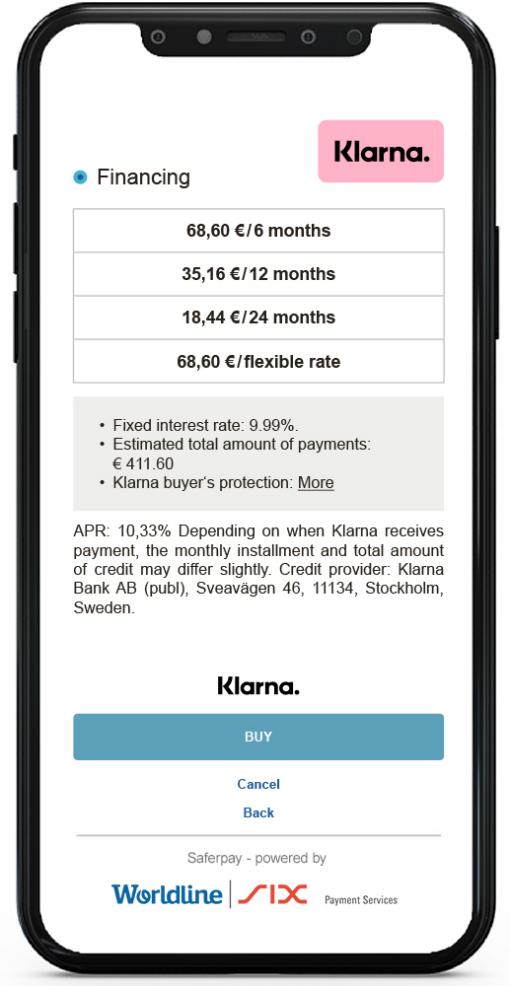
This allow Klarna to establish an initial purchasing power for new users without the penalty associated with opening new lines of traditional credit. However, it is important to note that for longer-term financing options—often used for high-ticket items—Klarna may perform a hard credit check, which will impact your credit report. Understanding which product you are using is a cornerstone of responsible financial management.
Determinants of Your Klarna Spending Limit
Klarna’s algorithm is a “black box,” but the company is transparent about the general factors that influence how much purchasing power a user is granted. This multi-layered approach to risk assessment is designed to protect both the lender and the consumer from over-extension.
Internal Payment History: The Weight of Reliability
The single most influential factor in your purchasing power is your history with Klarna itself. The platform rewards “good behavior”—defined as paying off installments on time and in full. For a new user, purchasing power is typically low, acting as a probationary period. As the user successfully completes several “Pay in 4” cycles, the algorithm gains confidence in the user’s repayment capacity, and the estimated purchasing power naturally expands.
Conversely, a single missed payment or a history of late settlements can cause a drastic and immediate reduction in purchasing power. In the world of BNPL, internal data often carries more weight than external credit scores.
External Financial Health and Outstanding Balances
While internal history is paramount, Klarna does not operate in a vacuum. The algorithm considers external factors, such as your current level of outstanding debt and your history with other financial institutions. If a soft credit check reveals that a user has recently taken on multiple new lines of credit or has a high utilization rate on their credit cards, Klarna may preemptively lower their purchasing power to mitigate risk.

Furthermore, the number of active “Pay in 4” orders you currently have open on Klarna directly impacts your remaining purchasing power. If you have a total estimated power of $1,200 and you have $800 in active, unpaid installments, your available power for a new purchase will be significantly restricted.
Merchant-Specific Variables
Interestingly, purchasing power can also be influenced by where you are shopping. Klarna’s risk assessment includes the type of goods being purchased and the merchant’s history. For example, the algorithm might be more lenient with a $500 purchase of essential household goods at a major retailer than it would be for a $500 purchase of high-resale luxury items at a niche boutique. This “contextual underwriting” is a unique feature of the BNPL industry that traditional credit cards rarely employ.
How to Strategically Optimize Your Purchasing Power
For consumers who use Klarna as a tool for cash flow management, maintaining a healthy level of purchasing power is beneficial. However, increasing this limit should always be done with an eye toward overall financial stability.
Establishing a Positive Track Record
The most effective way to increase your purchasing power is through consistent, on-time payments. It is often recommended that new users start with smaller, manageable purchases and pay them off early or exactly on time. This builds a “reputation” within the Klarna ecosystem. Think of it as a micro-version of building a credit score; the more reliable you appear to the algorithm, the more trust (and spending capacity) you are granted.
Managing Your Debt-to-Income Ratio
Even though Klarna does not always report to credit bureaus, maintaining a healthy debt-to-income (DTI) ratio is essential. If you are using Klarna because your traditional credit lines are maxed out, you are engaging in a high-risk financial behavior. To keep your purchasing power high and your financial health intact, ensure that your total monthly debt obligations (including Klarna installments) do not exceed a reasonable percentage of your take-home pay—typically 30% to 35%.
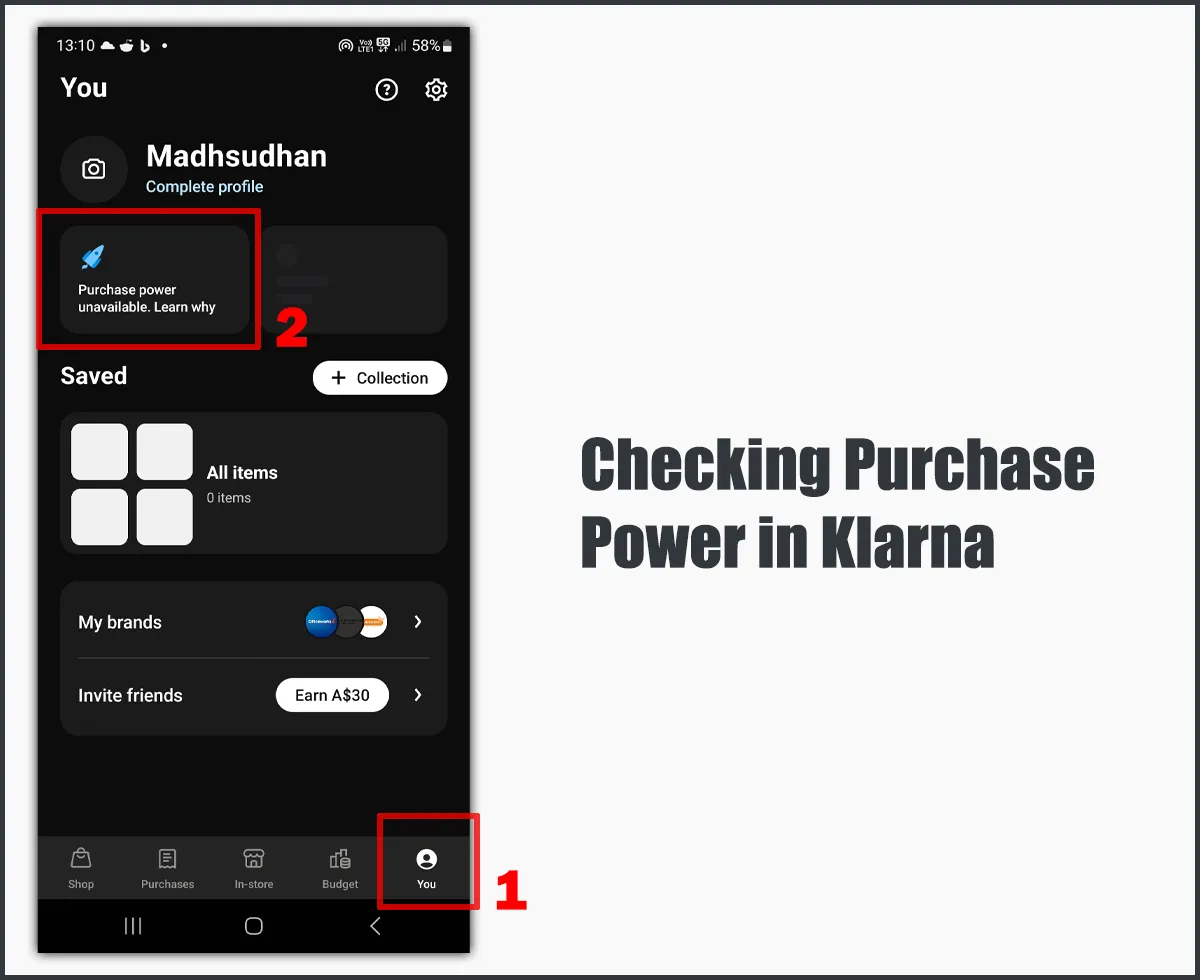
Utilizing the Klarna App for Transparency
The Klarna app provides a “Purchasing Power” tool that allows users to see their current estimate. A savvy user will check this before attempting a large purchase. The app also allows for the linking of bank accounts via Open Banking protocols. By providing Klarna with a direct view of your income and spending patterns, you may be able to secure a more accurate—and often higher—purchasing power estimate, as the algorithm no longer has to rely solely on third-party credit snapshots.
Financial Risks and Best Practices for BNPL Tools
While purchasing power offers flexibility, it also carries the risk of “lifestyle creep” and fragmented debt. Because BNPL installments are often small, it is easy to lose track of the total amount owed across multiple orders.
Avoiding the “Debt Spiral”
The psychological ease of “Pay in 4” can lead to over-consumption. When a user sees a high purchasing power, they may feel empowered to make purchases they cannot actually afford. The risk is not necessarily a single large debt, but “death by a thousand cuts”—multiple $30 or $50 payments that, when combined, exceed the user’s monthly discretionary income. To avoid this, users should treat every Klarna purchase as a line item in their primary budget, ensuring the funds for all future installments are already accounted for.
Understanding the Impact on Credit Reporting
It is a common misconception that BNPL debt is “invisible.” While soft checks don’t hurt your score, many BNPL providers, including Klarna, have begun reporting delinquent accounts to credit bureaus. A failure to pay can result in a significant drop in your FICO score, affecting your ability to get a mortgage or auto loan in the future. Additionally, as the financial industry matures, lenders are increasingly looking at BNPL usage patterns when assessing a borrower’s creditworthiness.
The Role of Klarna in a Modern Financial Strategy
When managed correctly, purchasing power on Klarna is a sophisticated tool for financial leverage. It allows consumers to keep their cash in interest-bearing accounts longer while spreading out the cost of necessary purchases. It provides an alternative to high-interest credit card debt, provided the installments are paid within the interest-free window.
Ultimately, purchasing power is a reflection of financial discipline. It is a dynamic metric that rewards consistency and penalizes volatility. By understanding that this “power” is an algorithmic estimate of trust, consumers can better navigate the digital economy, utilizing the benefits of BNPL while maintaining the foundations of personal financial security. In the modern era, the goal is not just to have high purchasing power, but to have the financial wisdom to use it sparingly and strategically.
aViewFromTheCave is a participant in the Amazon Services LLC Associates Program, an affiliate advertising program designed to provide a means for sites to earn advertising fees by advertising and linking to Amazon.com. Amazon, the Amazon logo, AmazonSupply, and the AmazonSupply logo are trademarks of Amazon.com, Inc. or its affiliates. As an Amazon Associate we earn affiliate commissions from qualifying purchases.