
In an unpredictable world, financial stability often feels like a distant dream rather than an achievable reality. The concept of “living on a budget” might conjure images of deprivation or stringent restrictions, yet at its core, it is the most powerful tool for achieving financial clarity, control, and ultimately, freedom. Budgeting is not about limiting your life; it’s about giving purpose to every dollar you earn, enabling you to make informed decisions that align with your deepest aspirations. It’s a roadmap for your money, guiding you through spending, saving, and investing, ensuring you are always moving towards a more secure and prosperous future. This comprehensive guide will demystify the budgeting process, offering practical strategies and insights to transform your financial life.
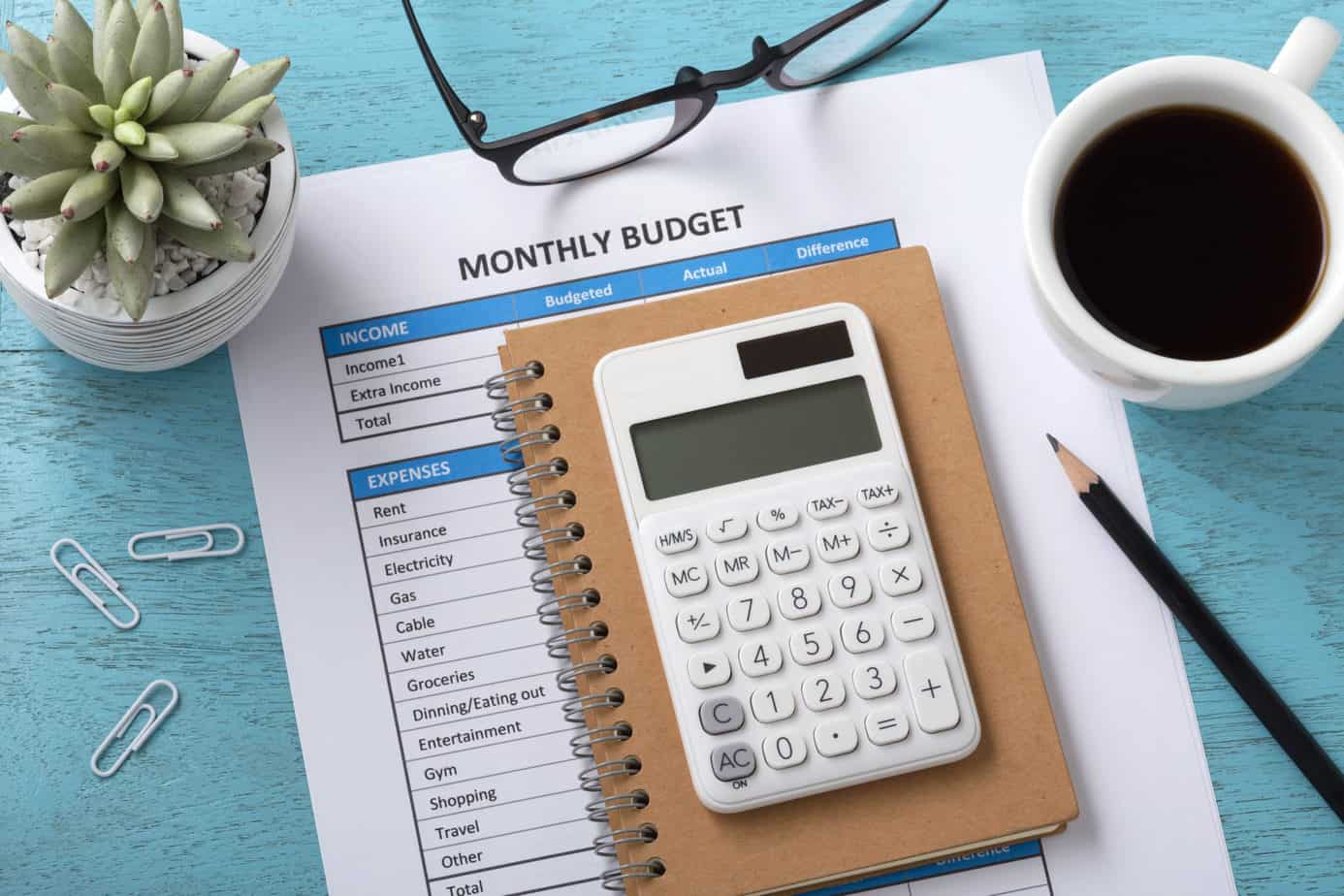
The Imperative of Budgeting: Why It Matters
Budgeting is more than just tracking expenses; it’s a foundational practice for anyone serious about taking control of their financial destiny. It empowers individuals to understand their financial landscape, make conscious choices, and proactively work towards their goals. Without a budget, money can feel like sand slipping through your fingers, leaving you wondering where it all went.
Gaining Financial Clarity
The first step to financial mastery is awareness. A budget forces you to confront your income and expenditure patterns head-on. Many people are surprised to discover where their money truly goes once they start tracking it diligently. This clarity reveals hidden spending habits, identifies potential leaks, and highlights areas where adjustments can be made. It’s like turning on a powerful flashlight in a dark room, illuminating every corner of your financial life. This understanding is invaluable, as it forms the basis for all future financial decisions.
Achieving Financial Goals
Whether your goal is to save for a down payment on a house, pay off student loans, build an emergency fund, or retire comfortably, a budget is the strategic blueprint that makes these aspirations tangible. By allocating specific amounts of money towards your goals each month, you transform vague wishes into actionable steps. A budget ensures that your financial resources are channeled intentionally, bringing you closer to your objectives with every passing period. It’s the difference between merely wishing for financial success and actively planning for it.
Reducing Financial Stress
One of the most significant benefits of budgeting is the profound reduction in financial stress. Uncertainty about money is a leading cause of anxiety for many. When you know exactly how much you have, how much you can spend, and where your money is going, that uncertainty dissipates. You gain a sense of control, which inherently lowers stress levels. Unexpected expenses become less daunting when you have an emergency fund, and major purchases feel less overwhelming when you’ve planned and saved for them. A well-managed budget provides peace of mind, allowing you to focus on other aspects of your life without constant financial worry.
Building Financial Resilience
Life is full of unexpected twists and turns – job loss, medical emergencies, unforeseen repairs. A robust budget, particularly one that prioritizes savings and debt reduction, builds a strong financial safety net. It allows you to weather economic storms without falling into deeper debt or compromising your long-term security. This resilience is not just about having money; it’s about having the systems in place to navigate adversity gracefully, protecting your assets and maintaining your financial well-being even when circumstances are challenging.
Building Your Budget: A Step-by-Step Guide
Creating a budget might seem daunting at first, but by breaking it down into manageable steps, you can construct a personalized financial framework that works for you. This process is not about perfection, but about progress and consistency.
Calculate Your Income
The absolute starting point for any budget is to know exactly how much money you have coming in. Gather all sources of income – your salary, freelance earnings, passive income, government benefits, etc. It’s often best to use your net income (what you receive after taxes, deductions, and contributions) as this is the actual amount available for spending and saving. If your income varies from month to month, consider using the lowest monthly income you expect to receive to create a conservative budget, or average your income over several months to get a more realistic figure.
Track and Categorize Your Expenses
This is arguably the most crucial and often most eye-opening step. For at least one month, meticulously track every single dollar you spend. Use a spreadsheet, a notebook, or a budgeting app. Categorize these expenses into logical groups such as housing, utilities, groceries, transportation, dining out, entertainment, debt payments, insurance, and personal care. Don’t leave anything out, no matter how small. This tracking period will reveal your true spending habits, allowing you to identify areas where your money is going and where adjustments might be necessary.
Choose a Budgeting Method
There isn’t a one-size-fits-all budgeting solution. Different methods suit different personalities and financial situations. Explore a few popular options to find what resonates with you:
-
The 50/30/20 Rule: This popular method suggests allocating 50% of your net income to Needs (housing, utilities, groceries, transportation), 30% to Wants (dining out, entertainment, hobbies, shopping), and 20% to Savings & Debt Repayment (emergency fund, retirement, credit card debt). It’s simple, flexible, and a great starting point.
-
Zero-Based Budgeting: With this method, you assign every dollar of your income a “job” (spending, saving, debt repayment) until your income minus your expenses equals zero. This doesn’t mean your bank account reaches zero; it means all your money is accounted for. This method offers maximum control and helps prevent accidental overspending.
-
The Envelope System: A classic method, particularly effective for cash spenders. You allocate specific amounts of cash to physical envelopes for various spending categories (e.g., “Groceries,” “Entertainment”). Once an envelope is empty, you stop spending in that category until the next budgeting period. This provides a tangible limit to your spending.
-
Pay Yourself First: This approach prioritizes saving. As soon as you get paid, you automatically transfer a predetermined amount to your savings or investment accounts before any other spending occurs. This ensures your financial goals are met first.
Allocate Funds and Set Limits

Once you’ve chosen a method and analyzed your income and expenses, it’s time to assign specific dollar amounts to each category. Be realistic and honest with yourself. If you consistently spend $500 on dining out, don’t initially budget $100 unless you have a firm plan to drastically cut back. Start with what’s realistic, then look for areas to optimize. Set clear spending limits for your “wants” categories to ensure you stay within your budget. Remember to include allocations for your savings goals and debt repayment right alongside your essential expenses.
Mastering Your Spending: Strategies for Budget Adherence
Creating a budget is only half the battle; the real challenge lies in sticking to it. Mastering your spending requires discipline, awareness, and the implementation of smart strategies that help you make conscious choices with your money.
Differentiating Needs from Wants
One of the most fundamental shifts in a successful budgeting mindset is the ability to clearly distinguish between needs and wants. Needs are essential for survival and basic living (shelter, food, utilities, basic transportation, essential healthcare). Wants are everything else – the conveniences, luxuries, and discretionary spending that enhance your quality of life but are not strictly necessary (dining out, subscriptions, new clothes, vacations, entertainment). Regularly evaluating purchases through this lens can dramatically curb impulsive spending and free up funds for savings and debt reduction.
Identifying and Cutting Unnecessary Expenses
Once you’ve categorized your spending, you’ll likely uncover “budgetbusters” – recurring expenses that offer little value or are simply forgotten. This might include unused gym memberships, multiple streaming subscriptions you don’t watch, excessive coffee shop visits, or premium services you no longer utilize. Conduct a thorough audit of your monthly outgoings. Can you negotiate lower insurance rates? Cancel that rarely used app? Cook at home more often? Even small cuts across several categories can free up significant funds over time, allowing you to redirect that money towards your financial goals.
Smart Shopping and Negotiation Tactics
Being a savvy consumer is a powerful budgeting skill. This involves more than just looking for sales; it means planning meals and grocery lists to avoid impulse buys, buying in bulk when appropriate, comparing prices across different retailers, and utilizing loyalty programs. For larger purchases, take the time to research and negotiate. Whether it’s a car, an appliance, or even a service, don’t be afraid to ask for a better deal. Review your bills – internet, cable, phone – and call your providers to see if you can get a lower rate or a better package. Every dollar saved through smart shopping is a dollar earned.
Automating Savings and Bill Payments
Technology can be your greatest ally in budget adherence. Set up automatic transfers from your checking account to your savings or investment accounts on payday. This “pay yourself first” approach ensures that your financial goals are prioritized before you even have a chance to spend the money. Similarly, automate your bill payments for rent, utilities, loans, and credit cards. This prevents late fees, maintains your credit score, and ensures your essential obligations are always met on time, creating a reliable financial rhythm.
Beyond Basic Budgeting: Towards Financial Freedom
A budget is not a static document; it’s a living, breathing tool that evolves with your life. Moving beyond the basics involves integrating your budget into a broader financial strategy that aims for long-term security and ultimate financial freedom.
Debt Management and Reduction
For many, consumer debt (credit cards, personal loans) is a significant obstacle to financial progress. Your budget should explicitly include a debt repayment strategy. Popular methods include the “debt snowball” (paying off smallest debts first for motivational wins) or the “debt avalanche” (paying off highest interest debts first to save money). Whichever method you choose, consistently allocating more than the minimum payment in your budget can dramatically accelerate your journey to becoming debt-free, freeing up substantial funds for future savings and investments.
Building an Emergency Fund
One of the cornerstones of financial stability is an emergency fund. This dedicated savings account, typically holding 3-6 months’ worth of living expenses, acts as a crucial buffer against unforeseen circumstances like job loss, medical emergencies, or major home/car repairs. By integrating regular contributions to your emergency fund into your budget, you build a safety net that protects you from derailing your financial progress when life inevitably throws a curveball. Prioritizing this fund provides immense peace of mind.
Setting and Achieving Long-Term Financial Goals
Beyond immediate savings, your budget should be a vehicle for achieving your grander financial ambitions. This could include saving for a down payment on a house, funding your children’s education, starting a business, or planning for a comfortable retirement. Break these large goals into smaller, manageable monthly contributions that you can incorporate into your budget. Regularly review your progress and adjust your budget as needed to stay on track. This proactive approach transforms abstract dreams into concrete financial realities.

Reviewing and Adjusting Your Budget Regularly
Life changes, and so should your budget. Your income might increase or decrease, expenses might shift, or your financial goals might evolve. Make it a habit to review your budget at least monthly, but ideally more frequently, perhaps weekly for a quick check-in. Compare your actual spending to your budgeted amounts. Are you overspending in certain areas? Are there new expenses to account for? Adjust your categories, limits, and allocations as necessary to reflect your current reality and future aspirations. A flexible budget is a sustainable budget.
Living on a budget is not a restriction; it’s an empowerment. It’s the conscious choice to take charge of your money, align your spending with your values, and systematically build the financial future you envision. By embracing the principles of budgeting—understanding your money, planning its allocation, adhering to your plan with smart strategies, and consistently adapting—you unlock the door to financial clarity, reduced stress, and ultimately, the freedom to live life on your own terms. Start today, and watch your financial destiny transform.
aViewFromTheCave is a participant in the Amazon Services LLC Associates Program, an affiliate advertising program designed to provide a means for sites to earn advertising fees by advertising and linking to Amazon.com. Amazon, the Amazon logo, AmazonSupply, and the AmazonSupply logo are trademarks of Amazon.com, Inc. or its affiliates. As an Amazon Associate we earn affiliate commissions from qualifying purchases.