
Google, or more accurately its parent company Alphabet Inc. (GOOGL, GOOG), stands as one of the undisputed titans of the modern economy. Its services touch billions of lives daily, from search queries and email communications to mobile operating systems and video streaming. This ubiquitous presence naturally sparks a profound curiosity about its financial scale: just how much money does this behemoth generate? The question “how much does Google make” isn’t merely about a number; it’s an inquiry into the engine room of a global financial powerhouse, dissecting its intricate revenue streams, monumental profitability, and strategic financial maneuvers that sustain its dominance.
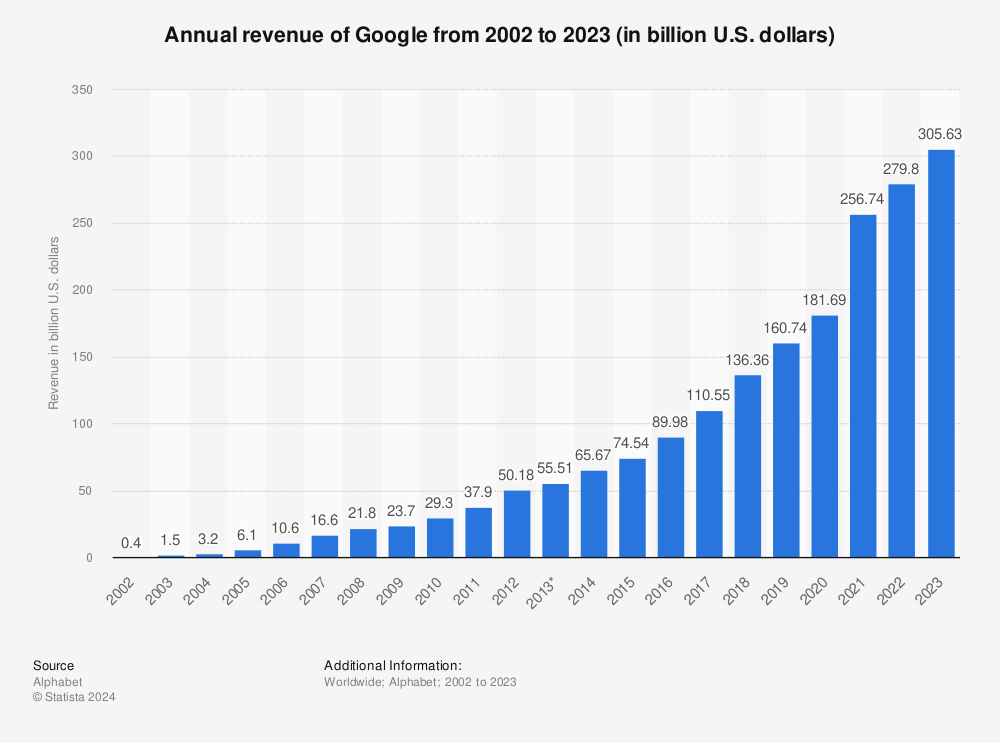
Understanding Alphabet’s financial performance requires looking beyond just “Google” the search engine, to encompass its vast portfolio of companies and innovations. From the enduring strength of its advertising empire to the rapidly expanding cloud services and speculative “Other Bets,” Alphabet’s financial health is a complex tapestry woven from diverse, yet interconnected, ventures. This article will delve into the financial heart of Alphabet, providing an insightful, professional, and engaging exploration of its revenue generation, profitability drivers, and broader economic impact, strictly through the lens of business finance.
Alphabet’s Astounding Revenue Streams: A Multi-Billion Dollar Ecosystem
At its core, Alphabet’s financial success is built upon a diversified yet deeply integrated ecosystem of products and services, each contributing significantly to its multi-billion dollar revenue impressive coffers. While its origins lie in search advertising, the company has masterfully expanded its financial footprint across various high-growth sectors.
Advertising: The Enduring Golden Goose
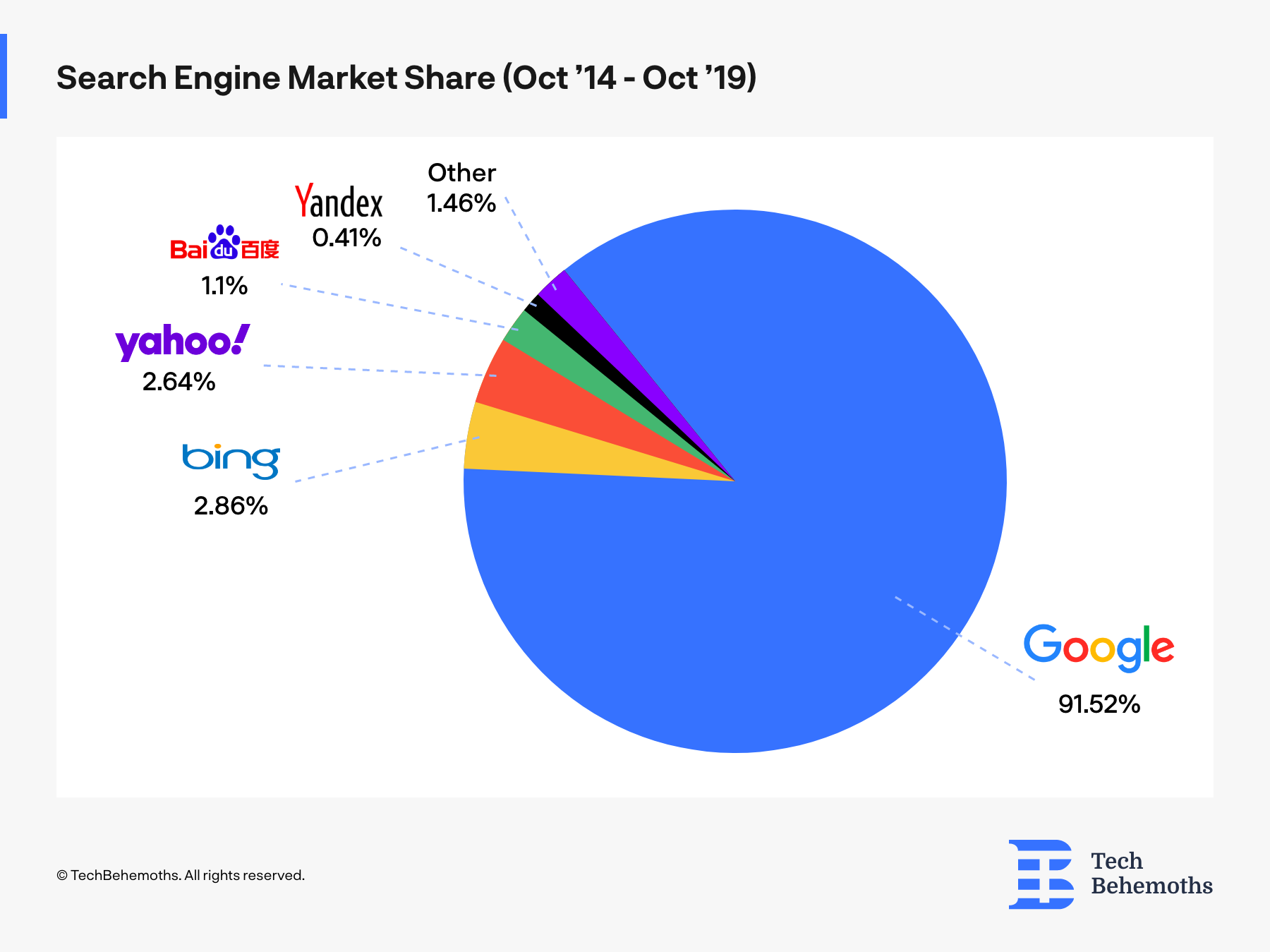
The bedrock of Alphabet’s financial might remains its advertising business, a sophisticated machine that leverages its unparalleled reach and data insights to connect advertisers with users. This segment consistently accounts for the lion’s share of the company’s total revenue, demonstrating remarkable resilience and growth potential even amidst evolving digital landscapes.
The primary components of this colossal advertising engine include:
-
Google Search & Other Properties: This category encapsulates the revenue generated from ads displayed on Google Search results, Maps, Google Shopping, Gmail, and most significantly, YouTube ads. YouTube, in particular, has emerged as a formidable revenue generator, capitalizing on the explosion of video content consumption globally. Advertisers bid for prime placements, and Google’s sophisticated algorithms ensure highly targeted delivery, driving impressive conversion rates and, consequently, premium ad prices. The Pay-Per-Click (PPC) model, where advertisers pay only when a user clicks on their ad, alongside impression-based models, forms the backbone of this operation.
-
Google Network Members’ Properties (AdSense): Beyond its own platforms, Google extends its advertising reach across a vast network of third-party websites and apps. Through programs like AdSense, Google provides tools for publishers to monetize their content by displaying Google ads. Google takes a share of the revenue generated from these ads, creating a mutually beneficial ecosystem that further expands its advertising footprint and data collection capabilities. The scale of this network is immense, providing Google with an unparalleled ability to serve ads across virtually the entire internet.
This advertising dominance is not accidental. It’s the result of continuous innovation in ad formats, targeting capabilities, and measurement tools, all powered by advanced machine learning and artificial intelligence. The sheer volume of daily queries and interactions across Google’s platforms provides an invaluable data set, enabling increasingly precise ad delivery and maintaining its competitive edge.
Google Cloud: The Enterprise Powerhouse
While advertising remains supreme, Google Cloud has rapidly ascended to become a critical pillar of Alphabet’s financial strategy and a significant growth driver. Competing with established players like Amazon Web Services (AWS) and Microsoft Azure, Google Cloud offers a comprehensive suite of cloud computing services to businesses worldwide.
Google Cloud’s revenue streams primarily derive from:
-
Infrastructure-as-a-Service (IaaS): Providing virtualized computing resources such as virtual machines, storage, and networking. Businesses leverage this to host their applications and data without needing to invest in physical infrastructure.
-
Platform-as-a-Service (PaaS): Offering a development and deployment environment for applications, including operating systems, programming language execution environments, databases, and web servers. This allows developers to focus on coding without managing the underlying infrastructure.
-
Software-as-a-Service (SaaS): Delivering ready-to-use applications over the internet, such as Google Workspace (Gmail, Docs, Drive, Meet for businesses). This subscription-based model provides a predictable and recurring revenue stream.
Google Cloud is characterized by its significant investments in AI and data analytics capabilities, which are increasingly attractive to enterprise customers looking to leverage advanced technologies. While it has historically run at a loss due to massive infrastructure investments and sales expansion, it is increasingly moving towards profitability, demonstrating its strategic importance for Alphabet’s future growth and diversification away from an over-reliance on advertising.
Google Other Bets & Hardware: Diversification and Future Growth
Beyond the core Google services, Alphabet’s financial strategy includes a diverse portfolio of ventures under the “Other Bets” segment, alongside its growing hardware division. These segments, while contributing less to immediate revenue, represent significant investments in future technologies and market diversification.
-
Hardware: Google has steadily built a strong presence in the consumer electronics market with products like Pixel smartphones, Google Nest smart home devices, Fitbit wearables, and Chromecast streaming devices. Revenue from hardware sales and related services (like device protection plans) adds another valuable stream. This segment is crucial for ensuring Google’s ecosystem extends directly into the physical lives of consumers, often complementing its software services.
-
Google Play & Non-Advertising YouTube Revenue: The Google Play Store generates substantial revenue through commissions on app sales, in-app purchases, and subscription services (e.g., YouTube Premium, YouTube TV). This service forms a vital link in the mobile ecosystem, monetizing the Android platform.
-
Other Bets: This category encompasses Alphabet’s more experimental and long-term ventures, such as Waymo (autonomous driving technology), Verily and Calico (life sciences and health tech), DeepMind (artificial intelligence research), and others. While many of these are still in the research and development phase and often operate at a significant loss, they represent Alphabet’s commitment to innovation and potential future multi-billion dollar industries. They are strategic investments designed to secure future growth vectors and maintain Alphabet’s position at the forefront of technological advancement.
Decoding Profitability: Gross Margins, Operating Income, and Net Income
Understanding how much Google makes isn’t just about revenue; it’s crucially about profitability. A company can have massive revenue but still struggle if its costs are too high. Alphabet’s profitability is a testament to its operational efficiency and the high-margin nature of its core advertising business, even as it invests heavily in future growth.
Understanding Alphabet’s Cost Structure
Alphabet’s path from raw revenue to net income involves navigating a complex web of costs and expenses. Key cost categories include:
-
Traffic Acquisition Costs (TAC): This is a critical expense, particularly for the advertising business. TAC represents the payments Google makes to distribution partners (like browser developers and mobile carriers) for placing Google Search as the default search engine, and to network members for displaying ads on their properties. Managing TAC efficiently is vital for maintaining healthy margins in the advertising segment.
-
Cost of Revenues: Beyond TAC, this includes expenses directly related to generating revenue. For Google Cloud, this means the significant costs associated with building and maintaining its vast network of data centers (servers, energy, networking equipment). For hardware, it includes manufacturing costs. It also encompasses content acquisition costs for YouTube and payment processing fees for Google Play.
-
Operating Expenses: These are the costs incurred to run the business, not directly tied to revenue generation, but essential for operations.
-
Research & Development (R&D): Alphabet invests staggering amounts in R&D, fueling its innovation engine in areas like AI, quantum computing, new product development, and its “Other Bets.” This is a strategic expenditure for long-term competitiveness.
-
Sales & Marketing: Promoting products, services, and attracting new advertisers and cloud customers requires substantial investment in sales teams, advertising campaigns, and public relations.
-
General & Administrative (G&A): This category covers corporate overheads such as executive salaries, legal expenses, finance, HR, and other administrative functions.
-
The Bottom Line: Net Income and Shareholder Value
After accounting for all costs and taxes, what remains is Alphabet’s net income – the true measure of its profit. This figure is closely watched by investors and analysts as an indicator of the company’s financial health and efficiency.
-
Quarterly vs. Annual Figures: Alphabet, like all publicly traded companies, reports its financial results quarterly and annually. These reports provide a detailed breakdown of revenue, expenses, and profitability. While revenue consistently climbs, net income can fluctuate due to various factors, including one-time charges, investment gains or losses, and shifts in tax rates.
-
Impact of Investments and Acquisitions: Alphabet frequently makes strategic acquisitions to expand its capabilities or market share. These acquisitions, along with large-scale internal investments (e.g., in data centers for Google Cloud), can impact short-term profitability but are aimed at securing long-term growth and competitive advantage.
-
EPS (Earnings Per Share) and Market Capitalization: Net income is often translated into Earnings Per Share (EPS), which indicates how much profit the company made for each outstanding share of stock. This is a crucial metric for investors. Alphabet’s consistent profitability and robust growth prospects translate into a high market capitalization, reflecting its immense value as perceived by the stock market. The company’s ability to generate significant free cash flow allows for activities like share buybacks, which can boost EPS and signal financial strength to shareholders.
Beyond the Numbers: Financial Health and Strategic Investments
Alphabet’s financial narrative extends beyond mere income statements and balance sheets. Its strategic allocation of capital, aggressive R&D, and navigation of regulatory landscapes paint a comprehensive picture of its robust financial health and future trajectory.
Cash Reserves and Capital Allocation
One of Alphabet’s most striking financial characteristics is its enormous cash reserves. Holding tens of billions of dollars in cash and marketable securities provides unparalleled financial flexibility and resilience.
-
Stability and Resilience: These reserves act as a significant buffer against economic downturns, allowing the company to continue investing and operating without external financial pressure.
-
Strategic Investments: The vast cash pile enables Alphabet to make substantial strategic investments, whether through organic R&D, major capital expenditures (like new data centers), or large-scale acquisitions. This capital allocation strategy is key to maintaining its competitive edge and exploring new growth frontiers.
-
Shareholder Returns: While Alphabet historically preferred reinvesting profits into the business, it has increasingly engaged in significant share buyback programs, returning capital to shareholders and reducing the number of outstanding shares, which can boost EPS. Unlike many mature tech companies, Alphabet has not historically paid a regular dividend, preferring to allocate capital for growth.
R&D and Future Growth Drivers
Alphabet’s commitment to Research & Development is unparalleled. It consistently ranks among the top companies globally for R&D spending, pouring billions annually into exploring the next generation of technology.
-
AI and Machine Learning: These are central to Google’s R&D efforts, impacting everything from search result quality and ad targeting to autonomous vehicles and cloud services. Investments here are expected to drive efficiency, create new product categories, and enhance existing ones.
-
Quantum Computing: A long-term, high-risk, high-reward bet, quantum computing research aims to solve problems currently intractable for classical computers, potentially opening up entirely new markets and applications.
-
Health Tech: Through Verily and Calico, Alphabet is investing in extending human life and understanding health, representing a massive potential market in the future.
These heavy R&D expenditures are a testament to Alphabet’s long-term vision, often prioritizing future potential over immediate quarterly profits. It’s a strategic financial choice that underscores its commitment to remaining a leader in technological innovation.
Regulatory Scrutiny and Market Dynamics
Despite its formidable financial position, Alphabet operates within an increasingly complex and challenging external environment. Regulatory scrutiny, particularly concerning antitrust and privacy, poses significant financial and operational risks.
-
Antitrust Concerns: Governments globally are investigating Google’s market dominance in search, advertising, and Android. Potential remedies could include fines, restrictions on business practices, or even forced divestitures, all of which could impact future revenue streams and profitability.
-
Privacy Regulations: Evolving data privacy laws (like GDPR and CCPA) necessitate significant investments in compliance and changes to data handling practices, which can affect advertising effectiveness and increase operational costs.
-
Competition: While dominant, Alphabet faces fierce competition across all its segments: Microsoft and Amazon in cloud, Meta and TikTok in advertising, Apple in mobile OS and hardware. These competitive dynamics require continuous innovation and strategic pricing, influencing financial performance.
Navigating these challenges requires sophisticated legal, public policy, and financial strategies to mitigate risks and ensure continued growth.
The Financial Impact of Google: A Global Economic Force
Alphabet’s financial success isn’t confined to its own balance sheet; it ripples outwards, creating a profound economic impact on a global scale. Its operations and ecosystem contribute significantly to global GDP, foster employment, and act as a powerful catalyst for innovation and investment.
Contribution to Global GDP and Employment
The sheer scale of Alphabet’s operations supports a vast economic ecosystem:
-
Developer and Creator Economy: Millions of developers build apps for Android and Google Play. Content creators earn income from YouTube ads. Businesses of all sizes leverage Google Ads and Google My Business to reach customers. This ecosystem generates billions in economic activity and supports countless livelihoods.
-
Direct and Indirect Job Creation: Beyond its own hundreds of thousands of employees globally, Google’s demand for data centers, hardware manufacturing, and advertising services creates an extensive network of indirect employment. Its platforms enable millions of small and medium-sized businesses to operate and thrive online, contributing to global employment figures.
-
Digital Transformation: Google’s tools and services enable businesses across industries to digitize their operations, enhance productivity, and expand their market reach, collectively boosting economic output.
Investment and Innovation Catalyst
Alphabet’s financial prowess also positions it as a major catalyst for investment and innovation:
-
Venture Capital and Startup Ecosystem: Google Ventures, Alphabet’s venture capital arm, invests in numerous startups, fueling innovation and fostering the next generation of tech companies. This capital infusion supports research, development, and job creation in emerging sectors.
-
Setting Industry Standards: Google’s massive R&D investments and leadership in areas like AI, cloud computing, and cybersecurity often set industry benchmarks, pushing other companies to innovate and invest more heavily in technology.
-
Infrastructure Development: The continuous construction of data centers and network infrastructure represents significant capital expenditure, stimulating economic activity in the regions where these facilities are built.

Conclusion
Asking “how much does Google make” unveils a fascinating narrative of unparalleled financial scale and strategic complexity. As Alphabet Inc., the company consistently reports revenues in the hundreds of billions of dollars annually, driven primarily by its colossal advertising empire on Search and YouTube, augmented by the rapidly growing Google Cloud, and diversified by its hardware segment and visionary “Other Bets.” Its profitability is immense, characterized by high-margin core businesses and meticulous cost management, even amidst aggressive reinvestment in R&D for future growth.
Beyond the raw figures, Alphabet’s financial health is robust, supported by vast cash reserves, strategic capital allocation, and a relentless pursuit of innovation. While facing increasing regulatory scrutiny and intense competition, its financial might positions it not just as a technology leader, but as a global economic powerhouse that shapes industries, fosters widespread employment, and continuously pushes the boundaries of what’s technologically possible. The financial story of Google is, therefore, not just about earning money, but about an ongoing journey of profound economic influence and relentless evolution.
aViewFromTheCave is a participant in the Amazon Services LLC Associates Program, an affiliate advertising program designed to provide a means for sites to earn advertising fees by advertising and linking to Amazon.com. Amazon, the Amazon logo, AmazonSupply, and the AmazonSupply logo are trademarks of Amazon.com, Inc. or its affiliates. As an Amazon Associate we earn affiliate commissions from qualifying purchases.