
The quest for affordable airfare is a perennial challenge for travelers worldwide. One moment, a flight might appear tantalizingly cheap; the next, its price has soared, leaving prospective passengers bewildered and frustrated. This constant flux isn’t arbitrary; it’s the result of sophisticated algorithms, market forces, and human behavior interacting in a complex dance. For anyone looking to travel smarter and manage their personal finances effectively, understanding when and why airfare prices change is not just an advantage—it’s an essential skill. By demystifying the dynamics behind flight pricing, we can equip ourselves with the knowledge and strategies to secure better deals, optimize our travel budgets, and ultimately make our travel aspirations more achievable. This deep dive will explore the multifaceted factors that drive airfare volatility, offering insights into how savvy consumers can leverage this understanding to their financial benefit.
The Invisible Hand: Unpacking Airfare Pricing Algorithms
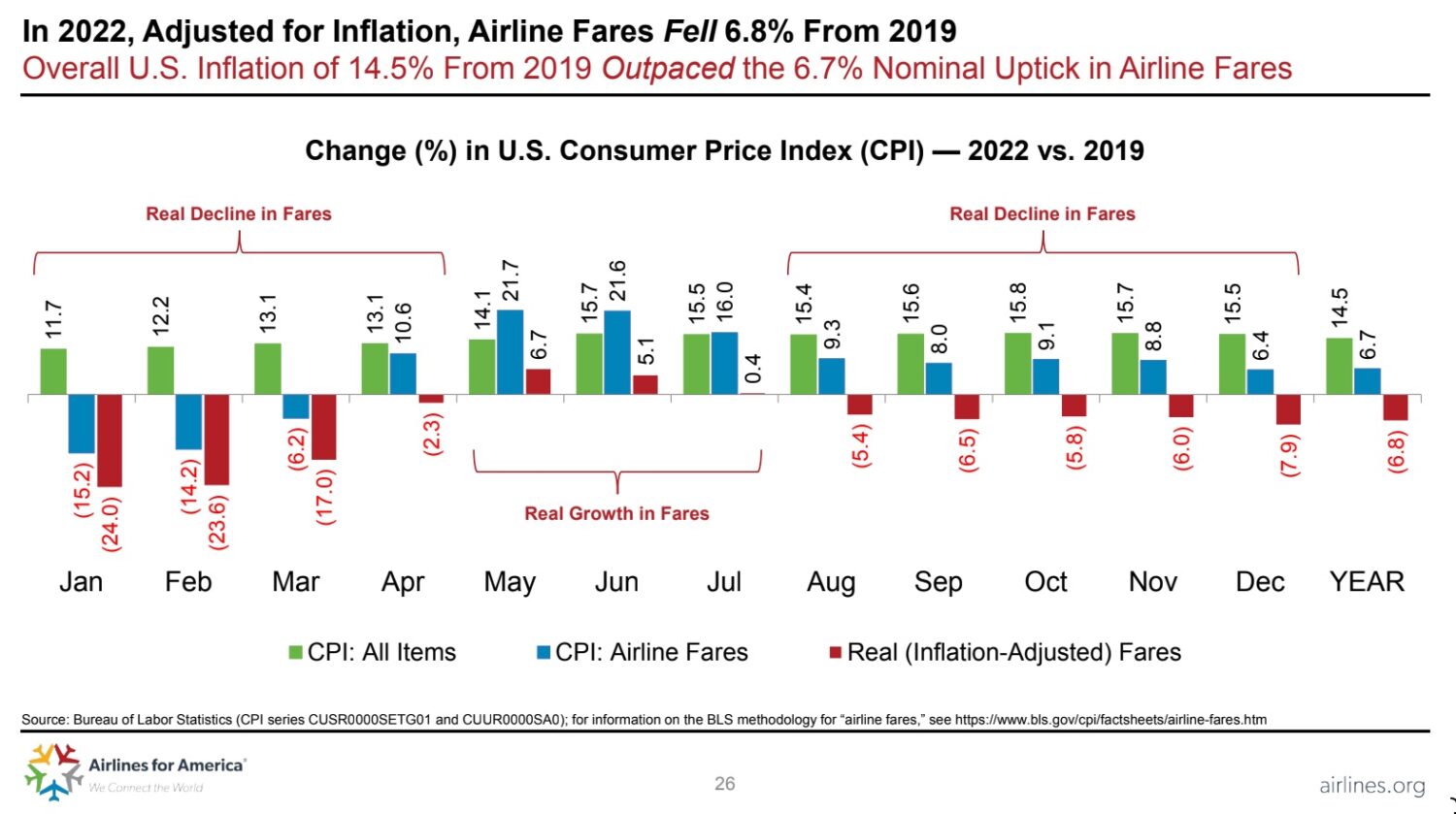
At the heart of airfare fluctuations lies a sophisticated ecosystem of dynamic pricing algorithms. Airlines don’t set a static price for a seat and stick to it; instead, they employ complex mathematical models that continuously adjust fares in real-time. This isn’t just about maximizing profit; it’s about optimizing revenue across thousands of routes, millions of seats, and varying demand patterns. Understanding these underlying mechanisms is the first step toward predicting and reacting to price changes.
Demand and Supply Economics in Aviation
The fundamental principles of economics—supply and demand—are the bedrock of airfare pricing. When demand for a particular route and date is high, and the supply of available seats is limited, prices naturally escalate. Conversely, if a flight is undersold, airlines may drop prices to fill seats, as an empty seat generates zero revenue. This dynamic is constantly monitored and updated by algorithms that analyze booking trends, search queries, competitor pricing, historical data, and even external factors like weather forecasts or major local events. The goal is to find the optimal price point that maximizes both occupancy and yield, ensuring the airline captures as much revenue as possible from each flight.
Dynamic Pricing Models: Beyond Fixed Costs
Modern airline pricing goes far beyond merely covering operational costs. Airlines utilize advanced revenue management systems that incorporate predictive analytics, machine learning, and artificial intelligence. These systems consider various fare classes within a single flight, each with different restrictions and price points. As seats in lower fare classes sell out or demand for a flight increases, the system automatically closes those lower classes and opens up more expensive ones. This creates the illusion of prices changing rapidly, when in fact, different “buckets” of seats are simply becoming available or unavailable. These models also account for customer segments, differentiating between business travelers who book last-minute and are less price-sensitive, and leisure travelers who often book further in advance and prioritize cost.
Competitor Analysis and Route Optimization
Airlines operate in a fiercely competitive environment. Their pricing algorithms constantly scan competitors’ fares on similar routes, adjusting their own prices to remain competitive while still achieving profitability. If a competitor drops their price, others may follow suit, leading to widespread fare reductions. Conversely, if a major airline pulls capacity from a route or experiences operational issues, remaining carriers might seize the opportunity to raise prices. Route optimization also plays a critical role. Airlines strategically price tickets based on the overall profitability of a route, considering connecting flights, potential layovers, and the total value a passenger brings, not just the segment they are flying. This intricate network of factors means prices are in a perpetual state of recalculation.
The Art of Timing: When to Strike for the Best Deals
While algorithms dictate how prices change, understanding when to book is paramount for saving money. There’s a widely held belief about a “best time” to buy flights, and while it’s not an exact science, historical data and industry trends offer valuable guidance for financially astute travelers.
The “Golden Window” for Booking
Industry experts and data aggregators often point to a “golden window” for booking domestic flights, typically between 1 to 3 months (30-90 days) in advance. For international travel, this window tends to be longer, extending from 2 to 8 months (60-240 days) out. Within these periods, airlines are usually optimizing for bookings, having released most of their inventory but not yet facing the pressure of last-minute sales or capacity crunches. Prices are generally stable or subject to minor fluctuations, offering a good balance between availability and cost. Booking too early (e.g., 9-12 months out) might mean paying higher prices as airlines haven’t fully assessed demand, while booking too late (within a few weeks) almost always results in a premium due to scarcity and the targeting of less price-sensitive travelers.
Day of the Week: Myth vs. Reality
The long-standing advice to book on a Tuesday or Wednesday for the best deals often contains a grain of truth, but it’s more nuanced in today’s algorithmic world. Historically, airlines would release new sales mid-week, and competitors would match them. While this still happens, the effect is less pronounced due to continuous price monitoring. However, there’s still a tendency for prices to be slightly lower mid-week (Tuesday-Thursday) compared to weekends, as demand from leisure travelers searching for flights tends to peak on Saturdays and Sundays. More significantly, the day you fly makes a substantial difference. Tuesdays, Wednesdays, and Saturdays are generally the cheapest days to fly, while Fridays and Sundays are usually the most expensive due to business travel and weekend leisure trips.
Seasonal Swings and Holiday Hikes
Seasonality is a massive driver of airfare costs. Prices invariably surge during peak travel seasons, major holidays (Christmas, New Year’s, Thanksgiving, Easter), school breaks, and popular event dates. Flying during the “shoulder season” (just before or after peak season) or “off-season” can lead to significant savings. For example, traveling to Europe in late spring or early autumn often yields better prices than mid-summer. Similarly, a flight on Christmas Day itself might be cheaper than the days leading up to it, as fewer people prefer to travel on the holiday. Careful planning around these cyclical patterns is crucial for budget-conscious individuals.
Last-Minute vs. Early Bird: A Strategic Approach
For most travelers, especially leisure ones, booking early is almost always the financially smarter move. While rare last-minute deals can exist, they are often for specific, less popular routes or involve undesirable timings and are highly unpredictable. Airlines primarily aim to fill seats in advance, penalizing late bookings. The “early bird” strategy allows you to lock in a reasonable fare, especially for popular destinations and dates, and provides peace of mind. Waiting until the last minute is a high-risk gamble that rarely pays off unless you have extreme flexibility, are traveling to a destination with very low demand, or are specifically targeting distressed inventory that an airline is desperate to sell.
Beyond the Calendar: External Factors Influencing Fares
While booking windows and seasonality are critical, a host of broader external factors also play a significant role in airfare dynamics, often impacting prices across the entire industry or specific regions. These elements highlight the interconnectedness of global economics with personal travel expenses.
Fuel Costs and Operational Expenses
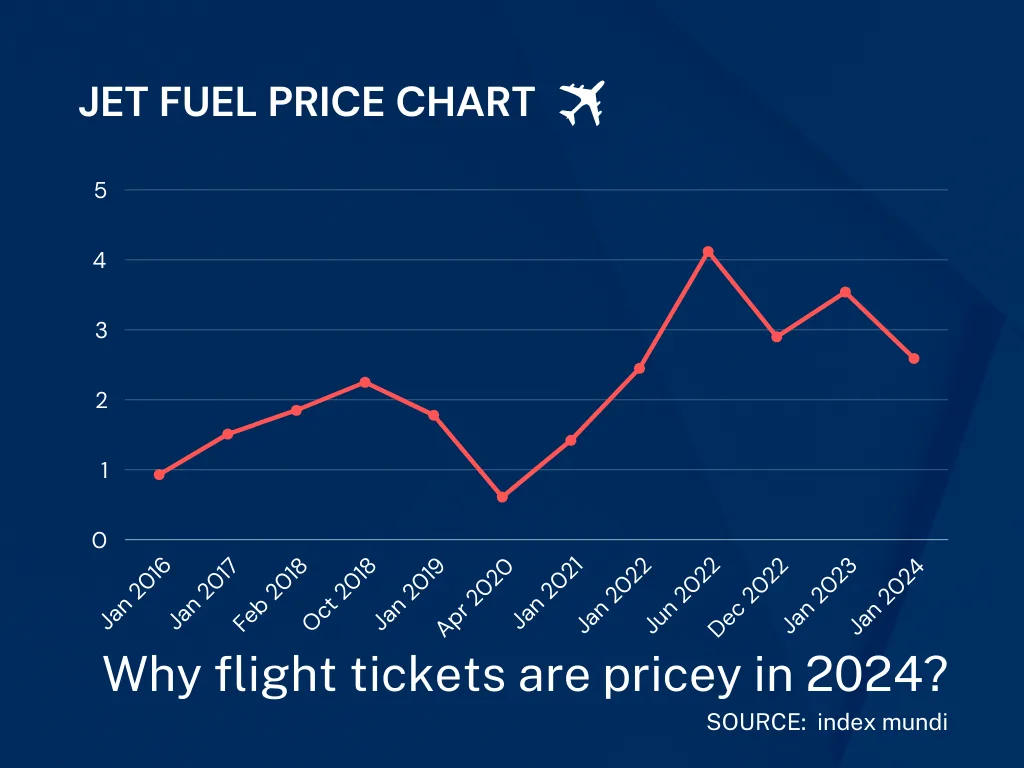
Jet fuel is one of the largest operating expenses for airlines. Fluctuations in global oil prices directly impact an airline’s bottom line and are inevitably passed on to consumers. When fuel prices rise, airlines may implement surcharges or simply adjust base fares upwards. Beyond fuel, other operational costs such as airport fees, air traffic control charges, labor costs, and maintenance expenses also contribute to the final ticket price. Airlines constantly juggle these variables to maintain profitability, meaning any significant shift in these underlying costs can trigger widespread fare adjustments.
Geopolitical Events and Economic Climate
Global events, from political instability and natural disasters to public health crises (as seen with the COVID-19 pandemic), can have immediate and profound effects on air travel demand and, consequently, prices. A sudden travel advisory or a perceived risk in a region can cause demand to plummet, leading to price drops as airlines try to stimulate bookings. Conversely, a period of strong economic growth can increase discretionary income, boosting travel demand and potentially pushing prices up. Exchange rates also play a role for international travelers; a strong local currency makes foreign travel effectively cheaper, increasing demand, and vice-versa.
Airline Strategy and Capacity Management
Airlines continually adjust their strategies based on market conditions and competitive landscapes. This includes decisions about adding new routes, increasing or decreasing flight frequencies, or even retiring older, less fuel-efficient aircraft. When an airline increases capacity on a popular route, it can lead to lower prices due to increased supply. Conversely, if an airline reduces capacity or exits a route, prices on that route will likely rise for the remaining carriers. Mergers and acquisitions can also consolidate market power, potentially leading to higher fares if competition is reduced. These strategic decisions are long-term plays that trickle down to individual ticket prices.
Major Events and Local Demand Surges
Beyond holiday seasons, specific major events can cause localized price spikes. Think of the Olympics, a major international conference, a significant sporting event like the Super Bowl, or a renowned music festival. These events draw massive numbers of visitors to a specific location during a limited timeframe, creating an artificial surge in demand for flights to that destination. Airlines are quick to capitalize on these predictable spikes, often raising prices dramatically for travel dates coinciding with the event. Savvy travelers often plan to arrive before or depart after the peak event dates to avoid these exorbitant fares, or choose alternative airports.
Empowering Your Wallet: Tools and Tactics for Price Savvy Travelers
Armed with an understanding of when and why airfare prices change, the next step is to employ practical strategies and leverage available tools to translate that knowledge into actual savings. This involves a proactive approach to searching, comparing, and booking.
Leveraging Price Alerts and Tracking Tools
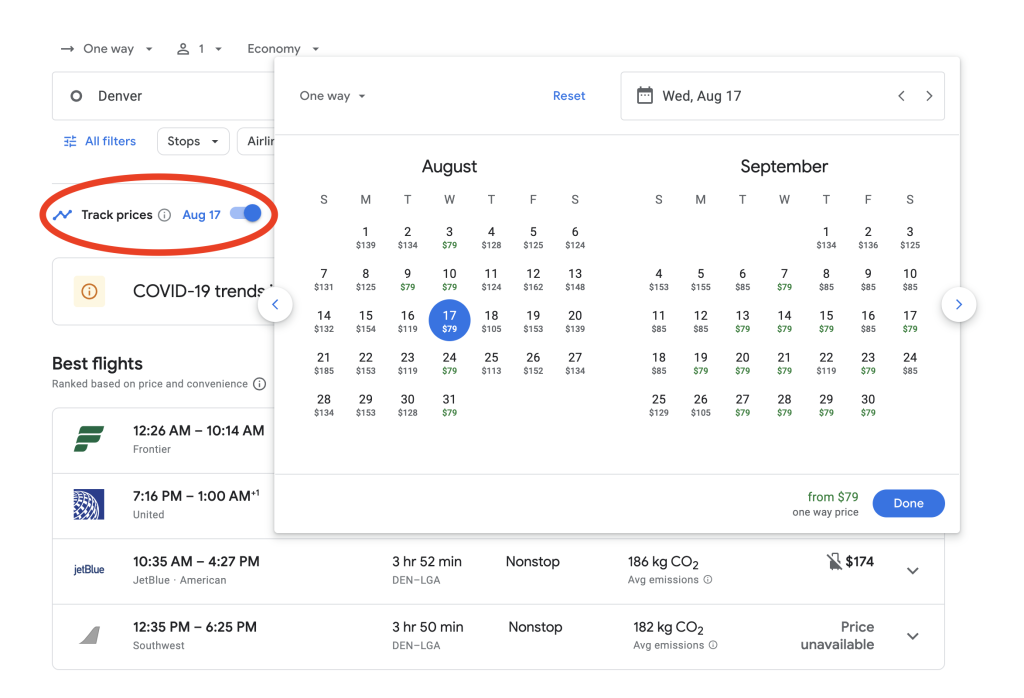
One of the most effective strategies is to use price tracking websites and apps. Services like Google Flights, Skyscanner, Kayak, Hopper, and Expedia offer price alert features. You can set up alerts for specific routes and dates, and the tool will notify you via email or push notification when the price changes. This eliminates the need for constant manual checking and allows the algorithm to work for you, signaling when prices drop into a desirable range. Many of these tools also offer historical price data and predictions, giving you a better sense of whether a current price is a good deal or likely to fall further.
The Power of Flexibility: Dates, Times, and Airports
Flexibility is a traveler’s best friend when it comes to saving money. Being flexible with your travel dates, even by a day or two, can yield significant savings, as we’ve discussed with cheaper mid-week flights. Similarly, being open to flying at less convenient times (e.g., early morning departures, red-eye flights) can often result in lower fares. Furthermore, consider alternative airports. Major metropolitan areas often have several airports, and flying into or out of a smaller, less popular one might be considerably cheaper, even factoring in the cost of ground transportation. Using the “nearby airports” or “flexible dates” search functions on flight comparison sites can unlock these hidden gems.
Incognito Mode and Cookie Clearing
While the direct impact is debatable and less significant than other factors, some travelers believe that clearing browser cookies or using incognito/private browsing mode can prevent airlines and travel sites from tracking your searches and potentially displaying higher prices on repeat visits. The theory is that if a site detects you’ve searched a route multiple times, it might infer high interest and subtly raise the price. While modern algorithms are more complex than this simple interaction, it costs nothing to try and ensures you’re starting each search with a “clean slate,” potentially avoiding any perceived bias.
Loyalty Programs and Credit Card Perks
For frequent flyers, loyalty programs offer a powerful way to mitigate airfare costs over time. Earning miles or points through flying, airline credit cards, or partner programs can lead to free flights, upgrades, or significant discounts. Many travel-focused credit cards also offer sign-up bonuses of tens of thousands of points, travel insurance, baggage fee waivers, and other valuable perks that reduce the overall cost of travel. Strategically using these financial tools can turn regular spending into future travel savings, a core principle of astute personal finance.
The Future of Flight Fares: Predictions and Proactive Planning
The aviation industry is constantly evolving, and so too are its pricing strategies. Looking ahead, new technologies and business models will continue to shape when and how airfare prices change, requiring travelers to adapt their strategies for financial optimization.
AI and Predictive Analytics in Pricing
The role of artificial intelligence and machine learning in dynamic pricing is only set to grow. Airlines will become even more adept at predicting demand, personalizing offers, and responding to micro-market fluctuations in real-time. This could mean more tailored pricing based on individual browsing history, loyalty status, or even current location. While this might make “beating the system” harder, it also presents opportunities for travelers to use more sophisticated aggregators that employ similar AI to find the true lowest fares or predict price drops with greater accuracy.
Subscription Models and Bundled Services
We may see a rise in subscription-based models for air travel, particularly for frequent commuters or those with specific travel patterns. This could involve paying a monthly fee for unlimited flights on certain routes or within a region, similar to how many entertainment streaming services operate. Bundled services, where flight, accommodation, and perhaps even ground transport are offered as a single, flexible package, might also become more prevalent, complicating individual flight price comparisons but potentially offering overall value for certain traveler segments. Understanding these bundled financial products will be key.
Embracing Flexibility in an Unpredictable Market
The fundamental truth for budget-conscious travelers will remain: flexibility is king. As the market becomes more unpredictable due to external factors like climate change impacts, supply chain disruptions, or new global health concerns, the ability to adapt travel plans, dates, and even destinations will become an even greater financial asset. Those who can adjust quickly will be best positioned to capitalize on momentary price dips and avoid inflated fares. Proactive planning, leveraging data, and maintaining a flexible mindset will be the hallmarks of savvy travel finance in the years to come.
In conclusion, the question “when do airfare prices change?” doesn’t have a single, simple answer, but rather a complex interplay of algorithms, market forces, and human behavior. By understanding these dynamics—from the internal workings of airline pricing to the external influences of the global economy and the strategic choices available to consumers—travelers can move beyond mere hope and embrace a more informed, proactive approach to booking. This knowledge not only leads to better deals but also empowers individuals to take greater control of their travel finances, making their journeys more affordable and accessible.
aViewFromTheCave is a participant in the Amazon Services LLC Associates Program, an affiliate advertising program designed to provide a means for sites to earn advertising fees by advertising and linking to Amazon.com. Amazon, the Amazon logo, AmazonSupply, and the AmazonSupply logo are trademarks of Amazon.com, Inc. or its affiliates. As an Amazon Associate we earn affiliate commissions from qualifying purchases.