
In the intricate world of air travel, flexibility often proves to be as valuable as punctuality. Plans shift, meetings are rescheduled, and personal circumstances evolve, necessitating a change to an already booked flight. For passengers flying with United Airlines, understanding the brand’s approach to flight modifications isn’t merely about following steps; it’s about engaging with United’s corporate identity, its customer service philosophy, and the practical manifestation of its brand promise. This guide delves into the nuances of changing a United flight, viewed through the lens of brand interaction, policy interpretation, and customer experience.
Understanding United’s Brand Promise: Flexibility and Fare Rules
At the heart of any airline’s operational model lies its brand promise, often conveyed through its service offerings and, critically, its fare rules. United Airlines, like other major carriers, crafts a spectrum of fare types, each embedded with varying degrees of flexibility that directly impact a passenger’s ability to modify their itinerary. Deciphering these rules is the first step in a successful flight change, reflecting United’s tiered brand strategy designed to cater to diverse customer segments.
Decoding United’s Fare Classes and Their Flexibility
United’s brand strategy is evident in its array of fare classes, ranging from the highly restrictive to the eminently flexible. Basic Economy fares, for instance, represent United’s lowest price point, designed to attract budget-conscious travelers. However, this cost-saving comes with significant limitations: typically, Basic Economy tickets are non-changeable and non-refundable, reflecting a clear brand message of “you get what you pay for” in terms of flexibility. Any changes are often outright disallowed or come with prohibitive fees that make them impractical, sometimes effectively requiring a new ticket purchase.
Conversely, Standard Economy (and higher classes like Premium Economy, Business, and First Class) generally offers more leeway. Historically, these fares incurred change fees, but in a significant brand-enhancing move, United eliminated most change fees for domestic, Puerto Rico, and U.S. Virgin Islands flights for Standard Economy and higher fares originating in the U.S. This policy shift, largely in response to the COVID-19 pandemic and competitive pressures, repositioned United’s brand as more customer-centric and adaptable. International flights and Basic Economy fares, however, often still adhere to the older, more restrictive change fee structure, highlighting the careful segmentation of United’s brand offerings.
The Evolving Landscape of Change Fees and Waivers
The elimination of change fees for many United flights was a pivotal moment, signaling a deliberate effort to enhance customer satisfaction and loyalty. This change allows passengers to alter their itineraries without incurring the punitive financial penalties that once characterized the industry. However, passengers are still responsible for any difference in fare if the new flight is more expensive. This nuance is crucial: while the fee to process the change is gone, the cost of the new flight might still increase.
Beyond standard policy, United occasionally offers travel waivers for specific events such as severe weather, natural disasters, or significant operational disruptions. These waivers are a critical demonstration of United’s brand responsiveness in challenging circumstances, allowing passengers to rebook flights without fees or fare differences within specified parameters. Monitoring these waivers, typically announced via United’s website and app, showcases how the brand proactively manages crises and supports its customers during unforeseen events.
Interpreting the Contract of Carriage: Your Brand Agreement
Every ticket purchased from United Airlines is subject to its Contract of Carriage, a legally binding agreement that outlines the rights and responsibilities of both the airline and the passenger. This comprehensive document is the ultimate arbiter in disputes and clarifies the fine print on fare rules, baggage policies, and, crucially, flight changes. While rarely read in its entirety, understanding that this contract is the bedrock of your interaction with the United brand is vital. It articulates the brand’s commitments and limitations, serving as a foundational text for resolving any ambiguity regarding flight modifications.
The Digital Touchpoints: United’s Online & App Experience
In the modern travel landscape, an airline’s digital presence is often the primary interface through which customers interact with its brand. United Airlines has invested significantly in its website, United.com, and its mobile application, aiming to provide intuitive and efficient self-service options, including flight changes. These digital platforms are not just tools; they are extensions of United’s brand, designed to streamline customer interactions and reinforce an image of convenience and technological prowess.
Streamlining Changes on United.com: A Brand Interface
United.com serves as the central hub for managing your flight. The process to change a flight online is generally straightforward for eligible tickets:
-
Access Your Reservation: Navigate to the “My Trips” section on United.com and enter your confirmation number and last name.
-
Select “Change Flight”: Once your itinerary is displayed, look for the “Change Flight” or “Modify Flight” option.
-
Search for New Flights: The system will prompt you to search for new dates, times, or destinations. It will automatically apply any applicable waivers or calculate fare differences.
-
Review and Confirm: Before finalizing, you’ll see a summary of the new itinerary and any associated costs (fare difference). A final click confirms the change.
This seamless digital workflow is a core aspect of United’s brand experience, offering control and immediacy. It’s designed to empower passengers, reflecting a brand that values efficiency and self-service.
Mobile Mastery: Adjusting Flights with the United App
The United mobile app provides an even more convenient platform for on-the-go flight management. With features like real-time updates, mobile boarding passes, and seat selection, the app extends United’s brand presence directly into the passenger’s pocket. Changing a flight via the app mirrors the website process but with the added benefit of push notifications and quicker access. The app’s design emphasizes user-friendliness and accessibility, reinforcing United’s brand commitment to modern, connected travel. For frequent flyers, especially, the app becomes a constant companion, strengthening their digital bond with the United brand.
Anticipating Challenges: Common Digital Roadblocks and Brand Solutions
While United’s digital channels are robust, certain scenarios might prevent an online or app-based flight change:
-
Complex Itineraries: Flights involving multiple airlines, partner airlines, or unique routing might not be changeable online.
-
Group Bookings: Special conditions for group reservations often necessitate direct contact.
-
Specific Waiver Application: Sometimes, a general waiver might apply, but the system struggles to automatically process it, requiring manual intervention.
-
Technical Glitches: Infrequent but possible, system errors can momentarily halt the process.
In such instances, United’s digital platforms typically guide users towards alternative solutions, often prompting them to call customer service. This integrated approach, where the digital interface smoothly transitions to human assistance when needed, is crucial for maintaining a positive brand perception even when self-service isn’t possible. It shows that the brand anticipates potential hurdles and offers clear pathways to resolution.
Human Connection: Engaging United’s Customer Service
While digital tools offer convenience, there are times when human interaction becomes indispensable. Engaging United’s customer service team—whether by phone, chat, or in person—is another critical touchpoint in the brand experience. These interactions can significantly shape a passenger’s perception of United, as they move from an automated system to a direct conversation with a brand representative.

When to Call: Complex Changes Requiring Direct Brand Interaction
Certain situations inherently demand human intervention, often signaling a more nuanced or exceptional interaction with the United brand:
-
Last-Minute Changes: Very close to departure, online options might be limited, and a call can often expedite solutions.
-
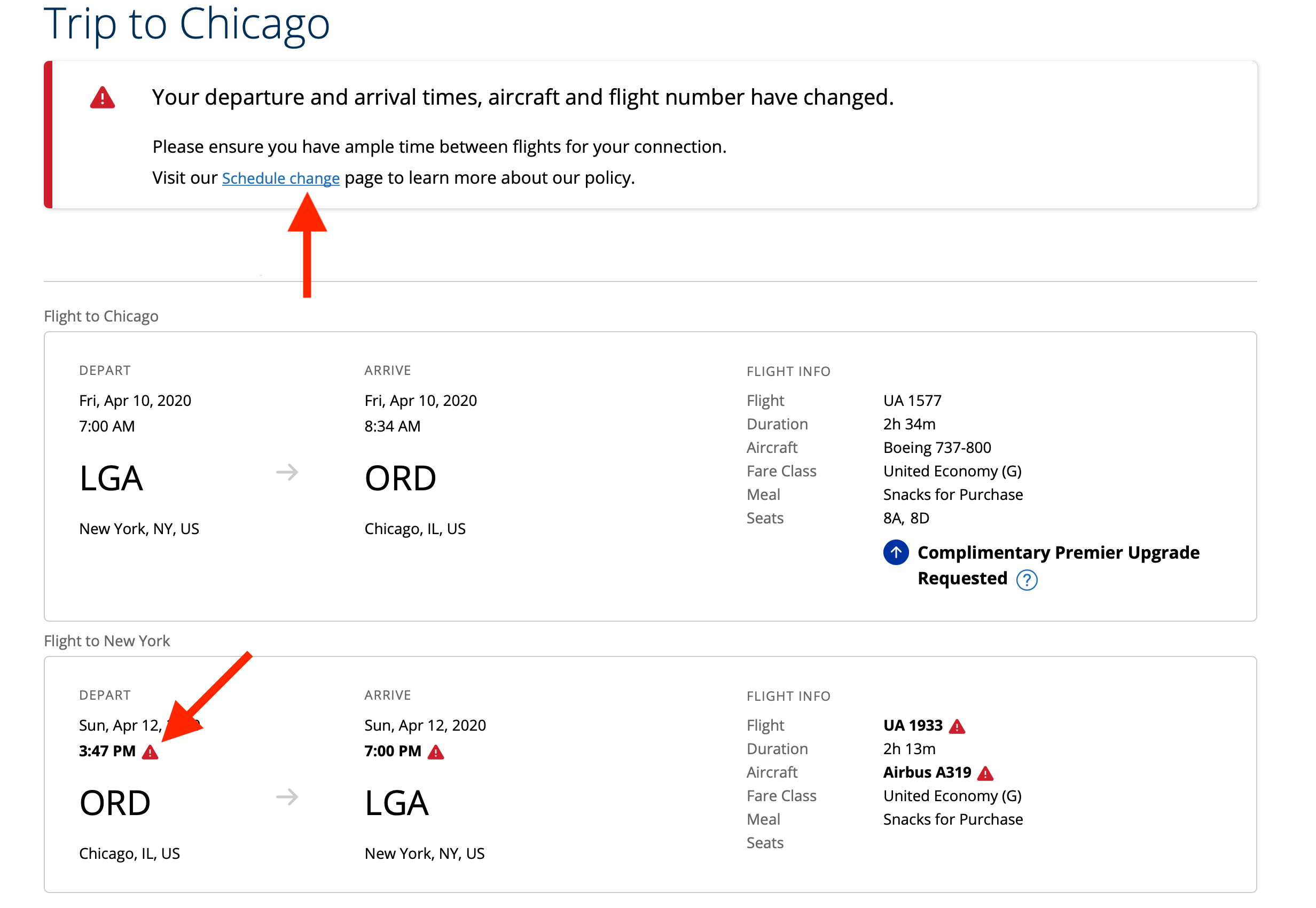
Involuntary Changes: If United itself cancels or significantly delays a flight, passengers are generally entitled to a refund or rebooking at no cost. Navigating these options, especially if you desire a specific alternative, often benefits from direct conversation.
-
Unique Circumstances: Medical emergencies, bereavement, or other unforeseen life events might require compassionate consideration beyond standard policy, which a customer service agent can address.
-
Tickets Booked Through Third Parties: While some travel agencies allow direct changes, many require you to contact the agency first, or if direct interaction with United is needed, it can be more complex.
In these instances, the customer service agent acts as a direct ambassador for the United brand, with their empathy, efficiency, and problem-solving skills directly impacting the customer’s loyalty and satisfaction.
Preparing for the Conversation: Optimizing Your Interaction with the Brand
To ensure a smooth interaction with United’s customer service:
-
Have Your Details Ready: Confirmation number, flight numbers, passenger names, and preferred alternative flights.
-
Understand the Policies: Be aware of the general fare rules and any applicable waivers. This shows you’re an informed customer.
-
Be Clear and Concise: Articulate your request clearly and calmly.
-
Document Everything: Note down the agent’s name, the time of the call, and any new confirmation numbers or agreements.
A prepared customer often facilitates a more efficient resolution, leading to a more positive brand experience. The agent, in turn, can better demonstrate the brand’s commitment to service when they have all the necessary information readily available.
Alternative Channels: Social Media and Airport Agents as Brand Ambassadors
Beyond the primary phone lines, United maintains a presence on social media platforms like Twitter and Facebook. These channels can be surprisingly effective for simpler issues or for public-facing feedback, as airlines are often keen to address concerns publicly. Airport agents, while primarily focused on immediate operational needs, are also critical brand representatives. For same-day changes, especially close to departure, speaking to an agent at the check-in counter or gate can sometimes yield faster results, offering a personalized, albeit often hurried, brand interaction. Each channel offers a distinct flavor of United’s customer engagement strategy, collectively contributing to the brand’s overall service perception.
Beyond the Change: Building Brand Loyalty Through Service
The process of changing a flight is more than a transactional step; it’s a critical moment of truth for an airline brand. How United handles these modifications directly influences customer satisfaction, trust, and ultimately, long-term loyalty. A smooth, transparent, and empathetic process can significantly enhance brand affinity, while a difficult or opaque one can erode it.
The Ripple Effect: How Flight Changes Impact Brand Perception
Consider two scenarios: A passenger effortlessly changes their flight online with no fees, paying only a reasonable fare difference, and receives instant confirmation. In the second, a passenger faces confusing online errors, long hold times with customer service, and unexpected fees. The first experience reinforces United’s brand as reliable and customer-friendly. The second, however, breeds frustration and mistrust, potentially leading the passenger to consider competitor airlines for future travel. This “ripple effect” underscores how operational efficiency and transparent policy implementation during flight changes are directly tied to overall brand perception.
Loyalty Programs (MileagePlus) and Brand Retention
United’s MileagePlus program is a cornerstone of its brand retention strategy. For elite status members, the brand offers enhanced flexibility, such as waived same-day flight change fees, preferred access to customer service lines, and more lenient rebooking options. For all MileagePlus members, changing a flight booked with miles often involves specific rules regarding redeposit fees or fare differences, which are generally more favorable for higher-tier members. The integration of loyalty benefits into the flight change process reinforces the value proposition of the MileagePlus brand, encouraging continued engagement with United.
Proactive Communication: United’s Role in Informing Customers
Effective communication during unforeseen changes (e.g., weather delays, cancellations) is paramount to maintaining trust in the United brand. Proactive notifications via email, text, and app alerts, coupled with clear instructions on rebooking options, can mitigate anxiety and demonstrate the brand’s commitment to keeping passengers informed and in control. When United anticipates and clearly communicates potential issues, it strengthens customer confidence, even in challenging situations. This transparency is a key differentiator in building a trustworthy brand image.
Navigating the Nuances: Proactive Strategies for United Flight Modifications
Successfully changing a United flight often involves a blend of understanding brand policies and employing smart strategies. Being proactive, informed, and prepared can turn a potentially stressful situation into a manageable one, ensuring a more positive overall experience with the United brand.
Timing is Everything: Strategic Planning for Flight Adjustments
The timing of your flight change can significantly impact the outcome. Generally, making changes well in advance of your departure date offers the most flexibility and the lowest chance of substantial fare differences. Closer to the departure, available seats may be fewer, and prices typically higher. For same-day changes, United offers a “Same-Day Change” option, often for a fee (waived for elite status members), allowing passengers to switch to an earlier or later flight on the same day if seats are available. This specific brand offering caters to travelers needing last-minute flexibility.
Leveraging Technology and Alerts for Informed Decisions
Beyond United’s official channels, various third-party apps and websites specialize in flight tracking and price alerts. While these don’t directly facilitate changes, they can provide valuable insights into flight loads, historical pricing, and potential delays, helping passengers make informed decisions about when to initiate a change. Setting price alerts for your desired new flight can help you identify opportune moments to switch, potentially reducing the fare difference you might have to pay. Staying digitally informed empowers passengers to interact more strategically with United’s pricing and availability systems.

Understanding Your Rights: Advocating for Your Experience with the Brand
It’s crucial for passengers to understand their rights, especially in situations where United initiates a change (e.g., cancellation or significant delay). Under these circumstances, passengers are typically entitled to a refund if they choose not to travel, or rebooking on another United flight (or even a partner airline) at no additional cost. Knowing these rights empowers you to advocate effectively for your preferred solution, rather than simply accepting the airline’s first offer. This informed self-advocacy transforms the customer from a passive recipient of service into an active participant in their brand experience, ensuring that United lives up to its service commitments as outlined in its Contract of Carriage.
Changing a United flight, while sometimes complex, is a multifaceted interaction with a powerful global brand. By understanding United’s fare rules, leveraging its digital interfaces, knowing when to engage with human customer service, and appreciating how these processes impact brand loyalty, passengers can navigate the landscape of flight modifications with greater confidence and success. It’s about more than just altering a reservation; it’s about engaging effectively with the United brand and its commitment to its passengers.
aViewFromTheCave is a participant in the Amazon Services LLC Associates Program, an affiliate advertising program designed to provide a means for sites to earn advertising fees by advertising and linking to Amazon.com. Amazon, the Amazon logo, AmazonSupply, and the AmazonSupply logo are trademarks of Amazon.com, Inc. or its affiliates. As an Amazon Associate we earn affiliate commissions from qualifying purchases.