
Paris, the City of Light, romance, and unparalleled culture, stands as a perennial dream destination for travelers worldwide. Yet, for many, the initial hurdle isn’t deciding if to go, but rather “how much will it cost to fly there?” This seemingly simple question unlocks a complex web of financial considerations, extending far beyond the mere price of an airline ticket. Understanding the nuances of travel finance is crucial for transforming that dream into a tangible itinerary without breaking the bank.
Flying to Paris involves a dynamic interplay of factors that influence costs, from the airline you choose to the time of year you travel, and even the flexibility you possess. Beyond the flight itself, a prudent financial plan for a Parisian adventure must encompass accommodation, local transportation, dining, activities, and a buffer for the unexpected. This guide delves into the financial intricacies of a trip to Paris, offering insights and strategies to help you budget wisely and maximize your experience.

Deconstructing the Core Cost: Airfare Factors and Fluctuations
The price of an airline ticket to Paris is rarely static; it’s a volatile figure shaped by numerous variables. Grasping these influences is the first step toward securing the best possible deal.
The Dynamic Duo: Seasonality and Demand
The single most significant determinant of airfare to Paris is the timing of your visit. Peak travel seasons, such as summer (June-August), major holidays (Christmas, New Year’s, Easter), and popular event periods (Fashion Week, Roland Garros), invariably drive prices sky-high due to surging demand. During these times, airlines can command premium prices, and discounts are rare.
Conversely, the shoulder seasons—spring (April-May, excluding Easter) and fall (September-October)—often present a sweet spot. The weather is generally pleasant, crowds are thinner than in summer, and airfares begin to drop. The true off-season, typically January to March (excluding Valentine’s Day), offers the lowest prices, though you’ll contend with colder weather and shorter daylight hours. A shrewd traveler can save hundreds of dollars simply by adjusting their travel dates by a few weeks to avoid peak demand.
Booking Smart: Advance Purchase vs. Last-Minute Deals
While the romantic notion of a spontaneous, last-minute trip to Paris can be alluring, it’s rarely financially prudent for international flights. Airlines typically open their booking windows 10-11 months in advance, and prices tend to be highest at either extreme: too early or too late. The widely accepted “sweet spot” for booking international flights, including to Paris, is generally 2 to 6 months out. During this window, airlines are calibrating demand and competition, often releasing promotional fares to fill seats.
Booking too far in advance can mean missing out on later sales, while waiting until the last few weeks usually results in inflated fares as airlines cater to business travelers or those with urgent travel needs who are less price-sensitive. Exceptions do exist, particularly for last-minute package deals or airline error fares, but these are too unreliable to base a financial strategy upon.
Airline Type and Class of Service
The choice of airline and your preferred class of service profoundly impacts the ticket price.
-
Budget Carriers: While less common for transatlantic routes directly into Paris from North America, budget airlines like Norwegian (though its long-haul operations have ceased) or Level (part of IAG, like British Airways) might offer more affordable no-frills options from specific hubs or within Europe. These typically charge extra for everything from checked baggage to seat selection and in-flight meals.
-
Full-Service Airlines: Major carriers like Air France, Delta, United, American, Lufthansa, and British Airways offer a more comprehensive experience, often including checked baggage, meals, and entertainment in the base fare. Their prices generally sit in the mid-range.
-
Premium Economy, Business, and First Class: For those prioritizing comfort over cost, these classes offer significantly more space, enhanced services, and superior dining. Prices can be several multiples of an economy ticket, sometimes ranging from a few thousand to over ten thousand dollars for a round trip.
Understanding your priorities—whether it’s the absolute lowest price or a more comfortable journey—will guide your airline and class selection.
The Departure City Effect
The city from which you depart significantly affects your flight cost. Major international hubs with high competition among airlines (e.g., New York, Los Angeles, London, Toronto) often yield lower fares to Paris compared to smaller regional airports. More airlines flying the same route translates to more competition, which can drive prices down.
Sometimes, it can be financially advantageous to book a separate, cheaper domestic flight to a major hub and then catch your international flight to Paris from there, especially if you live in a smaller city. However, this strategy requires careful planning, allowing ample layover time to account for potential delays and ensuring you understand baggage transfer policies.
The Hidden Costs: Baggage, Seat Selection, and More
The advertised price of a flight can be deceiving. Many airlines, especially budget carriers but increasingly full-service ones too, have unbundled their fares, charging extra for what used to be standard inclusions.
-
Baggage Fees: Checked bags are a primary source of additional revenue. Be aware of the number of bags allowed, weight limits, and associated fees, which can vary wildly. Carry-on limits also differ.
-
Seat Selection: If you want to guarantee a window seat or sit with your travel companions, you might pay an extra fee.
-
In-Flight Meals and Entertainment: While most long-haul flights include these, some economy fares on certain airlines might offer “basic economy” tickets where even these are stripped down or optional.
-
Credit Card Fees/Booking Fees: Some online travel agencies or airlines might add a small processing fee for certain payment methods.
Always read the fine print of your chosen fare to avoid unpleasant surprises at the airport. These “ancillary fees” can easily add another $100-$200 (or more) per person to your total flight cost.
Beyond the Ticket Price: Accounting for Total Travel Expenses
While airfare is a substantial part of the budget, it’s merely the entry fee to your Parisian adventure. A comprehensive financial plan requires meticulous consideration of all on-the-ground expenses.
Accommodation: Where You Rest Your Head Matters
Paris offers a spectrum of lodging options, each with its own price point and experience.
-
Hostels: For budget travelers, hostels provide dormitory-style accommodations for as little as €30-€60 per night.
-
Budget Hotels: Basic, clean hotel rooms can range from €80-€150 per night, often outside the hyper-central districts.
-
Mid-Range Hotels: Expect to pay €150-€300 per night for comfortable, well-located hotels with more amenities.
-
Boutique/Luxury Hotels: Prices can easily exceed €300-€500 per night, with top-tier establishments reaching into the thousands.
-
Apartment Rentals (Airbnb, Vrbo): Offers more space and kitchen facilities, potentially saving on dining costs. Prices vary widely based on size, location, and season, but a decent apartment for two might range from €100-€250 per night.
The neighborhood you choose also impacts cost, with districts like Saint-Germain-des-Prés or Le Marais generally pricier than those further out, though often offering better proximity to attractions.
Ground Transportation in Paris
Paris boasts an excellent, efficient, and relatively affordable public transportation system.
-
Metro and RER: The Métro (subway) is the quickest way to get around. A single “t+” ticket costs €2.15, but a “carnet” of 10 tickets for €17.35 (as of early 2024) offers savings. For longer stays, a Navigo Découverte pass (weekly or monthly) can be highly cost-effective, especially if arriving early in the week.
-
Buses and Trams: Also covered by t+ tickets, offering scenic routes above ground.
-
Taxis and Ride-Sharing: More expensive, used primarily for convenience or late-night travel. Expect €10-€30+ for most within-city trips.
-
Airport Transfers: From Charles de Gaulle (CDG) or Orly (ORY), RER trains are the most economical option (around €11-€12). Taxis have fixed rates to different areas of Paris (e.g., €55-€62 to the Right Bank/Left Bank from CDG).
Food and Dining: Savoring Parisian Cuisine on a Budget
Eating in Paris can range from incredibly affordable to exquisitely expensive.
-
Budget: Croissants, pain au chocolat, baguettes from a boulangerie (€1-€3), crêpes (€4-€8), picnic lunches from a market or supermarket (€5-€10 per person).
-
Mid-Range: A casual bistro meal (plat du jour) for lunch can be €15-€25. Dinner might run €25-€50 per person for a main course and a drink.
-
Fine Dining: Michelin-starred restaurants or upscale establishments can easily cost €100-€500+ per person.
Self-catering by staying in an apartment with a kitchen and shopping at local markets is an excellent way to save money and experience local life. Also, remember that tap water is safe to drink, so ask for a “carafe d’eau” (pitcher of water) to avoid paying for bottled water.

Activities and Attractions: Prioritizing Your Parisian Wishlist
Paris is brimming with iconic sights, and entrance fees can add up.
-
Major Attractions: The Eiffel Tower, Louvre Museum, Musée d’Orsay, Palace of Versailles, Notre Dame Cathedral (exterior view, interior access still limited post-fire). Individual tickets typically range from €15-€25 per attraction.
-
Museum Passes: The Paris Museum Pass (2, 4, or 6 days) can offer savings if you plan to visit many museums, allowing skip-the-line access. Evaluate if it aligns with your itinerary.
-
Free Activities: Many churches (like Sacré-Cœur Basilica), parks (Luxembourg Gardens, Tuileries Garden), and strolling along the Seine are free. Many museums offer free entry on the first Sunday of the month (though this can mean huge crowds).
-
Day Trips: Trips to Versailles, Mont Saint-Michel, or the Loire Valley will incur additional train/bus costs and entry fees.
Travel Insurance: A Non-Negotiable Financial Safeguard
Often overlooked, travel insurance is a crucial financial protection. For a trip costing thousands, a policy for a few hundred dollars can cover:
-
Trip Cancellation/Interruption: Reimburses non-refundable expenses if you have to cancel or cut short your trip due to covered reasons (illness, family emergency).
-
Medical Emergencies: Covers emergency medical treatment, hospitalization, and even evacuation, which can be astronomically expensive overseas.
-
Baggage Loss/Delay: Provides funds for essential items if your luggage is delayed or lost.
-
Flight Delays: Compensation for expenses incurred due to significant flight delays.
Consider it an essential investment in peace of mind, protecting your overall financial outlay.
Strategic Saving: Smart Financial Moves for Cheaper Flights
Reducing the cost of your flight to Paris doesn’t require luck; it demands strategy and flexibility.
Leveraging Flight Comparison Engines and Price Alerts
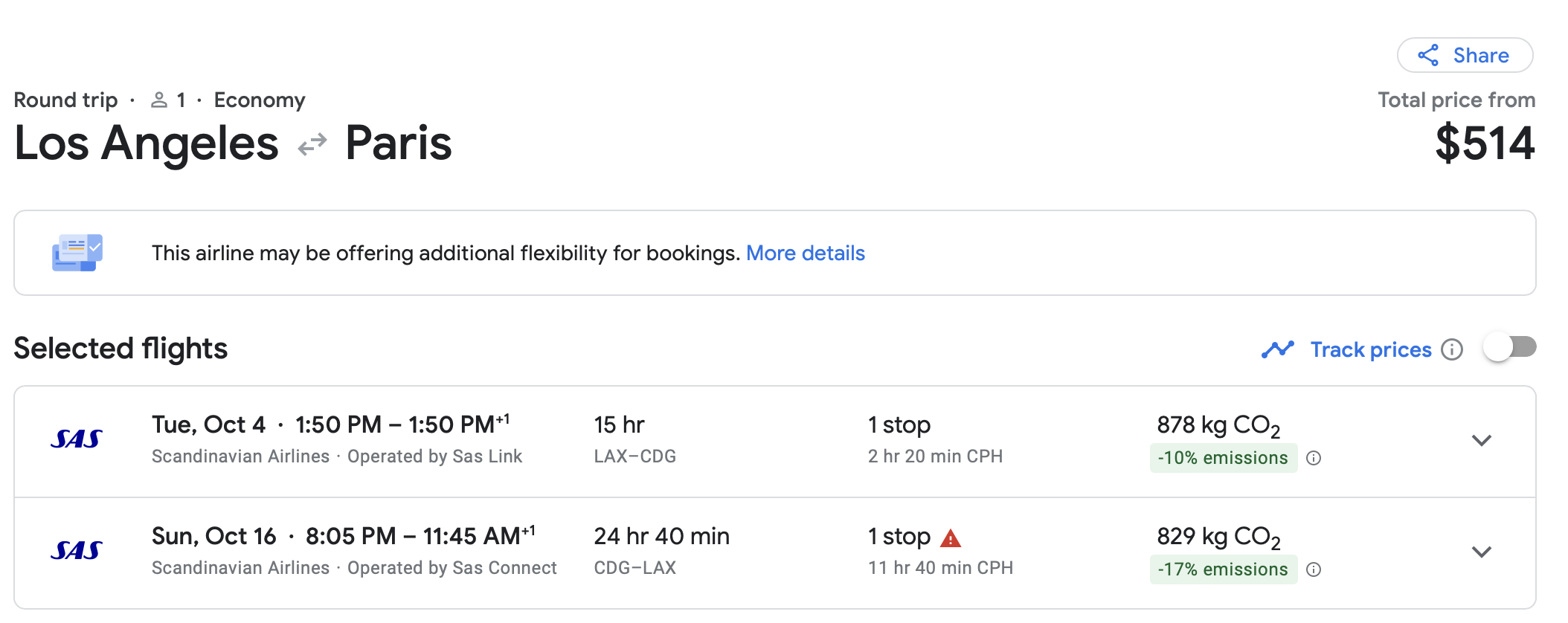
Utilize powerful search tools like Google Flights, Skyscanner, Kayak, and Momondo. These platforms scour thousands of airlines and online travel agencies to present a wide range of options. Crucially, set up price alerts for your desired dates and destination. You’ll receive email notifications when fares drop, allowing you to snatch up a good deal.
The Power of Flexible Dates and Airports
If your schedule allows, playing with your travel dates can yield significant savings. Sometimes, shifting your departure or return by just a day or two can dramatically reduce the price. Most flight search engines have “flexible date” options that show you the cheapest days to fly within a given month or range. Similarly, consider flying into a nearby airport (e.g., Beauvais for Paris, though it’s much further out) or departing from a slightly different, larger airport if the savings are substantial enough to justify the additional ground travel.
Loyalty Programs and Credit Card Rewards
For frequent flyers, accumulating airline miles or credit card points can unlock “free” or heavily discounted flights.
-
Airline Loyalty Programs: Join programs for airlines you fly often. Even if you don’t fly one specific airline frequently, most major airlines are part of global alliances (Star Alliance, SkyTeam, Oneworld), allowing you to earn and redeem miles across partner airlines.
-
Travel Credit Cards: Many credit cards offer generous sign-up bonuses (enough for a round-trip international flight) and ongoing rewards for travel-related spending. Look for cards with no foreign transaction fees, travel insurance benefits, and lounge access. Carefully evaluate annual fees against the value of the perks.
The Art of the Layover: Direct vs. Connecting Flights
Direct flights are undeniably convenient, but they often come with a premium price tag. Connecting flights, especially those with longer layovers or less direct routes, can be considerably cheaper. Evaluate the trade-off: is saving a few hundred dollars worth an extra 4-6 hours (or more) of travel time and the potential for missed connections? For some, the savings are worth the inconvenience, while for others, time is paramount.
Group Travel vs. Solo Exploration: Shared Costs and Synergies
Traveling in a group or with a partner can sometimes lead to per-person savings, especially on accommodation (splitting hotel room or apartment costs) and local transportation (sharing taxi fares). Some group tour packages might also offer economies of scale, bundling flights, hotels, and activities at a lower collective price. However, solo travel offers unparalleled freedom and flexibility, and while some costs might be higher, others (like individual meal choices) can be lower.
Budgeting for Paris: Creating Your Financial Blueprint
A successful Parisian adventure isn’t just about finding cheap flights; it’s about a holistic financial plan that covers every aspect of your journey.
Setting a Realistic Overall Budget
Before you even search for flights, determine your total budget for the entire trip. How much are you willing and able to spend? Break this down into categories: flights, accommodation, food, activities, transportation, shopping, and a contingency fund. Be honest with yourself about your spending habits and preferences. Do you prefer luxury, or are you happy with hostels and picnics? Your budget should reflect your travel style.
Tracking Expenses: Tools and Techniques
Once your budget is set, tracking your spending in Paris is vital to stay on track.
-
Budgeting Apps: Apps like Mint, YNAB, or specific travel budgeting apps can help categorize and monitor expenses in real-time.
-
Spreadsheets: A simple Excel or Google Sheets document can be highly effective for tracking your daily spend.
-
Mental Accounting: If you prefer a less rigid approach, designate a daily spending limit and keep a mental tally, adjusting as needed.
Emergency Fund Allocation
Always allocate a portion of your budget (10-15% of your total estimated costs) as an emergency fund. This buffer is for unforeseen circumstances: a missed flight, an unexpected medical expense, a lost wallet, or even just a splurge on something truly unique. Having this fund provides peace of mind and prevents minor mishaps from derailing your entire trip.
Currency Exchange and Payment Methods
-
Euros (EUR): Paris uses the Euro.
-
Credit Cards: Widely accepted, especially Visa and Mastercard. Use a credit card with no foreign transaction fees to avoid extra charges (typically 2-3% per transaction). Inform your bank of your travel plans to prevent fraud alerts.
-
Debit Cards: Useful for ATM withdrawals. Look for ATMs associated with major banks to avoid excessive fees. Again, check if your bank charges foreign transaction fees for debit card use or ATM withdrawals.
-
Cash: Always carry some euros for small purchases, market stalls, tips, or emergencies, but avoid carrying large sums.
-
Dynamic Currency Conversion (DCC): When paying by card, you might be asked if you want to pay in EUR or your home currency. Always choose EUR. DCC allows the merchant’s bank to convert the currency at their often unfavorable exchange rate, costing you more.
Final Considerations: Maximizing Value for Your Money
Your Parisian journey is an investment, both financial and experiential. Strategic thinking can maximize the return on both.
Off-Peak Travel Perks Beyond Just Price
While off-peak travel primarily saves money, it offers other significant advantages. Fewer crowds mean shorter lines at popular attractions, more authentic interactions with locals, and a generally more relaxed pace. The city takes on a different, often more intimate, charm outside the bustling peak season.
Package Deals: Are They Worth It?
Sometimes, tour operators offer flight-plus-hotel packages that can be cheaper than booking each component separately. This is particularly true for mid-range or budget travelers. However, always do the math: price out the flight and hotel individually to ensure the package genuinely offers a saving and that the chosen hotel meets your standards and location preferences. The convenience can be a major draw, but don’t sacrifice value or flexibility.
Long-Term Travel Planning: Saving Up Systematically
For many, a trip to Paris is a significant financial undertaking. Instead of a last-minute scramble, consider systematic saving. Set up a dedicated savings account for your “Paris fund,” and contribute regularly. Treat it like a bill, automatically transferring money each month. Seeing your fund grow can be a powerful motivator and ensures that when the time comes, you’re financially ready for your dream trip.
Flying to Paris is more than just purchasing a ticket; it’s an intricate financial dance requiring foresight, strategy, and adaptability. By understanding the factors that influence airfare, accounting for all on-the-ground expenses, and employing smart saving tactics, you can transform the daunting question of “how much” into a well-managed budget, paving the way for an unforgettable and financially responsible Parisian adventure. With careful planning, the City of Light awaits, ready to enchant without emptying your wallet entirely.
aViewFromTheCave is a participant in the Amazon Services LLC Associates Program, an affiliate advertising program designed to provide a means for sites to earn advertising fees by advertising and linking to Amazon.com. Amazon, the Amazon logo, AmazonSupply, and the AmazonSupply logo are trademarks of Amazon.com, Inc. or its affiliates. As an Amazon Associate we earn affiliate commissions from qualifying purchases.