
Securing affordable airfare is a cornerstone of smart travel planning, transforming ambitious journey aspirations into tangible realities. In an era of dynamic pricing and increasingly complex fare structures, mastering the art of finding the best deals is no longer a luxury but a crucial financial skill. For the financially savvy traveler, every dollar saved on a ticket translates directly into more budget for experiences, accommodation, or future adventures. This guide delves into the strategic financial approaches, tools, and mindsets required to navigate the volatile world of airline pricing, empowering you to consistently unearth the most cost-effective flights without compromising your travel dreams. From understanding the optimal booking windows to leveraging sophisticated search strategies and avoiding hidden costs, we’ll equip you with the knowledge to make financially intelligent decisions that significantly reduce your travel expenses.
I. Mastering the Art of Timing and Flexibility
The fundamental pillars of airfare savings often boil down to two intertwined concepts: timing and flexibility. Airlines operate on sophisticated algorithms that respond to demand, capacity, and a myriad of other factors, making the price of a seat a highly fluid commodity. Understanding how to play this system to your financial advantage is paramount.
A. The Golden Window: When to Book Your Flight
There isn’t a single, universally “best” time to book every flight, but historical data and industry trends reveal optimal booking windows that can lead to significant savings. For domestic flights, the sweet spot typically falls between 1 to 3 months before departure. Booking too far in advance often means paying higher initial prices, as airlines start with higher fares to capture early planners, while booking too late (within 2-3 weeks of departure) risks encountering drastically inflated last-minute fares designed for business travelers or those with urgent needs. For international flights, this window generally extends to 2 to 8 months out. Longer routes require more planning and often see their lowest prices further in advance. Understanding these windows allows you to strategically monitor prices and pounce when they align with your budget, avoiding both premature overspending and costly procrastination.
B. Embrace Flexibility: Dates, Times, and Airports
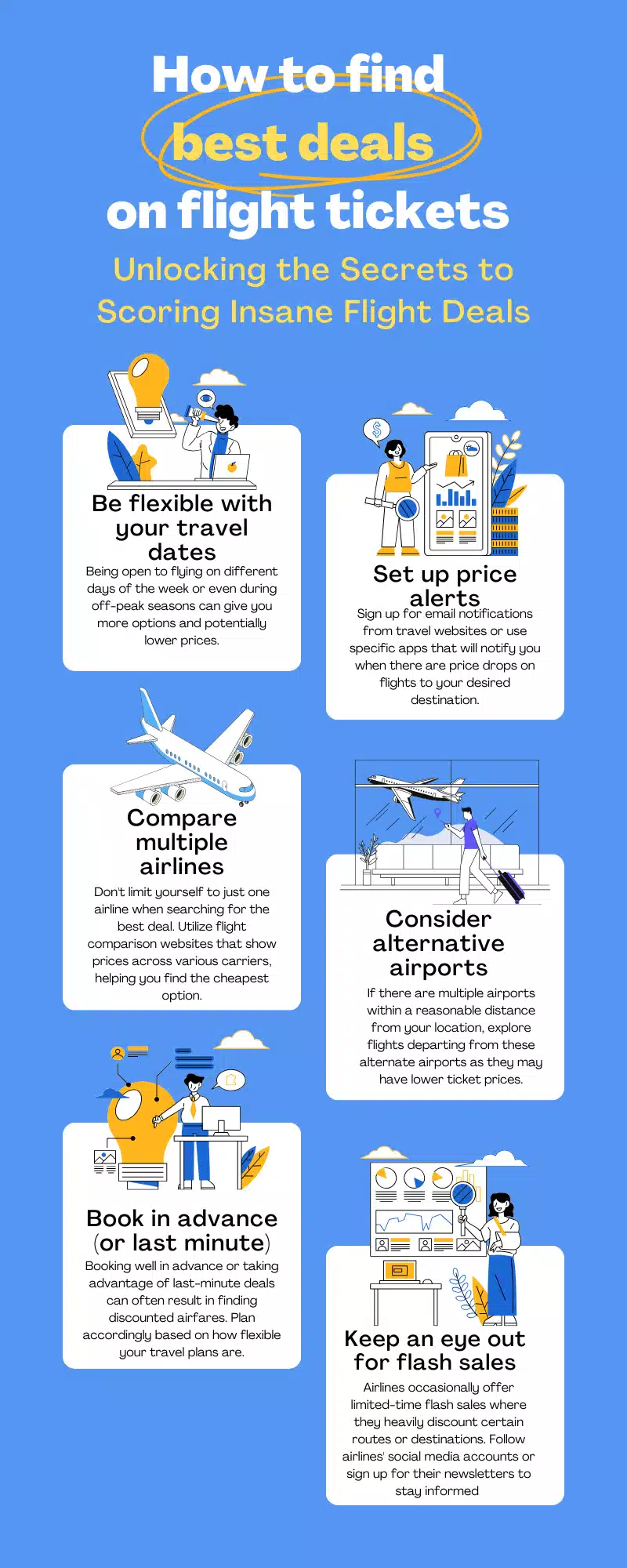
Rigidity is the enemy of airfare savings. The more flexible you can be with your travel parameters, the greater your financial leverage. Flying on weekdays, particularly Tuesday, Wednesday, and Saturday, is almost invariably cheaper than flying on high-demand Fridays and Sundays. Early morning flights or late-night departures (red-eyes) are often less expensive due to lower demand and less desirable travel times. Similarly, considering alternative airports in your departure or arrival region can unlock substantial savings. Major hubs often command premium prices, while smaller, regional airports just a short drive away might offer significantly cheaper fares, even after accounting for ground transportation costs. Many flight search engines offer “flexible date” search options (e.g., “whole month” view on Google Flights or Skyscanner) that visually display price variations across an entire month, making it incredibly easy to spot the cheapest days to fly, even if it means shifting your trip by a day or two. This small shift in timing can often translate into hundreds of dollars saved.
C. The Strategic Advantage of Seasonal and Event Travel
Beyond daily and weekly fluctuations, prices are heavily influenced by seasonal demand and major events. Avoiding peak travel seasons – summer in many regions, major holidays like Christmas, New Year’s, Easter, or Thanksgiving – is a fundamental financial strategy. During these times, demand far outstrips supply, leading airlines to maximize their revenue with exorbitant fares. Researching the “shoulder seasons” (the periods just before or after peak season) can offer a perfect balance of pleasant weather and significantly reduced prices. Furthermore, be aware of major local or international events at your destination, such as large festivals, conferences, or sporting events. These can cause a temporary spike in airfare and accommodation costs. Planning your travel outside of these high-demand periods, or even strategically routing around them by arriving a few days before or leaving a few days after, can yield substantial financial benefits.
II. Leveraging Financial Tools and Smart Search Strategies
In today’s digital age, a wealth of tools and strategies exist to help travelers dissect complex pricing data and uncover the most financially advantageous flights. Harnessing these resources effectively is crucial for any budget-conscious traveler.
A. The Savvy Traveler’s Toolkit: Comparison Sites and Price Alerts
The first step in any airfare search should involve flight comparison sites such as Google Flights, Skyscanner, Kayak, Momondo, and Expedia. These aggregators scour hundreds of airlines and online travel agencies (OTAs) to present you with a wide array of options and prices. Each site has its unique strengths; for instance, Google Flights is excellent for exploring flexible dates and destinations, while Skyscanner can sometimes find more obscure routes or budget carriers. Don’t limit yourself to just one; cross-referencing between a few can often reveal discrepancies or better deals. Crucially, leverage price alerts. Almost all major comparison sites allow you to set up email notifications for specific routes. This automates the process of monitoring price fluctuations, alerting you the moment a fare drops, ensuring you don’t miss out on a sudden deal. Understanding dynamic pricing is also key: airlines often adjust prices based on your browsing history. Clearing your browser cookies or using incognito/private browsing mode can sometimes prevent price hikes based on repeated searches, offering a truer snapshot of current market rates.
B. Maximizing Savings with Budget Airlines and Smart Connections
Budget airlines have revolutionized air travel by offering significantly cheaper base fares. Carriers like Ryanair, EasyJet, Southwest, Spirit, and Frontier can provide incredible value, but it’s essential to understand their financial model. Their low base fares often come with unbundled services, meaning you pay extra for everything from checked baggage and carry-on bags (beyond a small personal item) to seat selection, in-flight meals, and even printing your boarding pass at the airport. Always calculate the total cost, including all potential fees, before booking to ensure it genuinely represents a saving. Additionally, consider indirect routes and layovers. A direct flight is convenient, but a flight with one or two layovers can often be significantly cheaper, especially for international travel. Some sophisticated travelers even explore the “hidden city” trick (booking a flight to a final destination with a layover at their actual desired city, then disembarking at the layover). While this can offer significant savings, it carries risks (e.g., checked baggage may go to the final destination, airlines may cancel subsequent legs if you skip one), so it should be approached with extreme caution and only with carry-on luggage.
C. Harnessing Credit Card Rewards and Loyalty Programs
Smart use of travel-focused credit cards and airline loyalty programs can transform your approach to airfare, essentially turning your everyday spending into free or heavily discounted flights. Many travel credit cards offer lucrative sign-up bonuses in the form of miles or points, often enough for a free domestic or even international round trip. Look for cards that align with your preferred airlines or offer flexible points that can be transferred to various airline partners. However, always ensure you can meet the spending requirements responsibly and pay off your balance in full to avoid interest charges that would negate any travel benefits. Furthermore, airline loyalty programs reward frequent flyers with status tiers that come with financial perks like free checked bags, priority boarding, lounge access, and even upgrades. Consolidating your travel with one or a few partner airlines can accelerate your path to these benefits, providing tangible monetary value through waived fees and enhanced travel experiences. Redeeming points wisely, often by finding “sweet spots” in award charts or leveraging promotional offers, maximizes their financial impact.
III. Uncovering Advanced Strategies for Deeper Discounts
Beyond the common tips, a few more advanced strategies can occasionally yield truly exceptional deals, albeit requiring vigilance, quick action, and sometimes a bit of luck. These tactics require a more proactive and informed approach to airfare hunting.
A. Exploring Error Fares and Flash Sales

Error fares, sometimes called “mistake fares,” occur when an airline or online travel agency accidentally publishes a fare significantly lower than intended due. These can be due to currency conversion mistakes, fat-finger errors, or technical glitches. While rare and often short-lived (airlines usually correct them quickly), they represent an opportunity for incredible savings. Specialized websites and deal aggregators (like Scott’s Cheap Flights, Secret Flying, or The Flight Deal) actively hunt for these errors and notify subscribers. To capitalize on an error fare, you must be ready to book immediately, as they disappear as quickly as they appear. Similarly, flash sales are intentionally released by airlines for a very limited time, offering deep discounts on specific routes or travel periods to stimulate demand. Subscribing to airline newsletters and following deal alert sites is the best way to stay informed about these ephemeral opportunities.
B. The Financial Benefits of Open-Jaw and Multi-City Flights
An open-jaw flight is an itinerary where you fly into one city and depart from another, or arrive at one city and leave from the same city but on a different airline, or even fly from one city to another, then from a third city back to your origin. A common example is flying from New York to London, and then from Paris back to New York. This can often be cheaper than booking two separate round-trip tickets and provides greater flexibility for exploring a region without backtracking. Similarly, multi-city flights (booking several legs of a journey on one ticket) can sometimes offer better value than booking individual point-to-point flights, especially for complex itineraries. Many flight search engines have a “multi-city” search option that allows you to construct these more intricate routes. These strategies are particularly beneficial for extended trips or when exploring multiple destinations within a continent.
C. Group Travel and Package Deals: Are They Worth It?
For those traveling with a larger party, exploring group discounts can be financially advantageous. While airlines typically offer group rates for 10 or more passengers, the savings aren’t always substantial, and these tickets often come with less flexibility. However, it’s always worth inquiring, as specific promotions might be available. Another avenue is to consider flight + hotel package deals offered by online travel agencies (Expedia, Priceline, Booking.com, etc.) or even directly by airlines. While these packages bundle services, they can sometimes offer a significant discount compared to booking each component separately. The financial benefit comes from the wholesaler-like pricing that OTAs can secure for combining services. However, it’s crucial to always compare the package price against the cost of booking the flight and hotel individually to ensure it truly represents a saving and meets your specific needs and preferences. Don’t assume a package is cheaper; always do the math.
IV. Avoiding Hidden Costs and Maximizing Value
The advertised airfare is rarely the final cost. A significant part of getting the “best deal” is understanding and proactively mitigating the various hidden fees and additional expenses that can inflate your overall travel budget. A truly financially savvy traveler considers the total cost of their journey.
A. Deciphering Baggage Fees and Seat Selection Costs
One of the most common pitfalls for budget travelers is unexpected baggage fees. Low-cost carriers, and increasingly even full-service airlines, charge for checked bags, and often for larger carry-on bags as well. These fees can quickly add up, sometimes exceeding the cost of the base fare itself. Always research the airline’s baggage policy before booking, paying close attention to weight and size restrictions for both carry-on and checked luggage. Packing light is the most effective financial strategy here; learning to travel with just a personal item or a small, compliant carry-on can save you significant money over multiple flights. Similarly, seat selection costs have become common. While you can usually avoid these by letting the airline assign you a seat at check-in (though this might mean a middle seat), if a specific seat is crucial for your comfort (e.g., aisle, window, exit row), budget for this upfront.
B. Travel Insurance: A Financial Safeguard
While an additional upfront cost, travel insurance can be a critical financial safeguard, particularly for more expensive or complex trips. It protects against unforeseen circumstances such as trip cancellations, interruptions, lost luggage, medical emergencies abroad, and even some natural disasters. Weigh the cost of the premium against the potential financial losses if something goes wrong. For domestic trips with flexible cancellation policies, it might be less necessary. However, for international travel or non-refundable bookings, it offers invaluable peace of mind and protection for your investment. Compare policies carefully, understanding what is covered and what the exclusions are, to ensure it aligns with your specific financial risk tolerance and the nature of your trip. Many premium travel credit cards also offer some form of travel insurance coverage, so check your card benefits before purchasing a separate policy.
C. Budgeting for Your Trip Beyond the Airfare
Focusing solely on airfare can create a false sense of security regarding your travel budget. A truly comprehensive approach to getting the “best deal” extends to the entire trip. Always factor in ground transportation from the airport to your accommodation and around your destination, accommodation costs, daily food and drink expenses, activity admissions, and any visa requirements. A cheap flight to a city with notoriously expensive hotels or public transport might not be as financially advantageous as a slightly more expensive flight to a more budget-friendly destination. Create a realistic holistic budget for your entire journey, considering all potential expenditures. This allows you to evaluate the true financial cost of your travel plans and make informed decisions that maximize the overall value and enjoyment of your trip within your financial constraints.
V. The Mindset of a Deal-Savvy Flyer
Ultimately, consistently securing the best airfare deals is not just about knowing the tricks; it’s about cultivating a strategic and patient mindset. It’s an ongoing process of research, comparison, and informed decision-making.
A. Patience and Persistence: Your Best Allies
The airfare market is constantly in flux. Prices change not just daily, but sometimes hourly. This means that patience and persistence are perhaps your most valuable assets. Don’t feel pressured to book the first flight you see, unless it’s a confirmed error fare or a limited flash sale. Take your time, monitor prices over a few days or weeks, and allow price alerts to work for you. The ideal deal might not appear instantly. Continuously checking different search engines, adjusting your parameters slightly, and waiting for the market to shift can often yield better results. This iterative process of searching, comparing, and re-evaluating is key to finding genuinely great value.
B. Informed Decision-Making: Balancing Cost and Convenience
While finding the absolute cheapest fare is often the goal, the “best deal” isn’t always the lowest price. A flight that saves you $50 but involves a 15-hour layover, three connections, and an airport change might not be worth the added hassle and potential stress. Informed decision-making means weighing the financial savings against the practical realities of the journey. Consider your personal “value threshold” – at what point does the inconvenience outweigh the monetary gain? Sometimes, paying a little more for a direct flight, a more convenient departure time, or a shorter layover can significantly enhance your travel experience, making it a better overall deal for you. Financial savvy also involves understanding when to prioritize your time and comfort.

C. Staying Updated: The Evolving Landscape of Airfare Deals
The airline industry is dynamic, with new routes, pricing strategies, and budget carriers emerging regularly. To consistently get the best deals, it’s crucial to stay updated. Subscribe to newsletters from your favorite airlines and flight deal aggregators. Follow travel news blogs and forums that discuss airfare trends. Understanding seasonal demand shifts, new airline partnerships, or economic factors influencing fuel prices can give you an edge. The more informed you are about the evolving landscape of airfare, the better equipped you’ll be to spot opportunities, adapt your search strategies, and continue to make financially intelligent choices for all your future travel adventures. The journey to becoming a master of airfare deals is ongoing, but the financial rewards are well worth the effort.
aViewFromTheCave is a participant in the Amazon Services LLC Associates Program, an affiliate advertising program designed to provide a means for sites to earn advertising fees by advertising and linking to Amazon.com. Amazon, the Amazon logo, AmazonSupply, and the AmazonSupply logo are trademarks of Amazon.com, Inc. or its affiliates. As an Amazon Associate we earn affiliate commissions from qualifying purchases.