
In an era where global exploration is more accessible than ever, the cost of air travel remains a significant barrier for many aspiring adventurers. Yet, the dream of seeing the world doesn’t have to bankrupt your savings. Booking the cheapest flights isn’t merely about finding a good deal; it’s a strategic financial endeavor, a blend of market understanding, tactical searching, and disciplined planning. It requires a mindset geared towards maximizing value and minimizing unnecessary expenditure, firmly placing it within the domain of personal finance and intelligent money management.
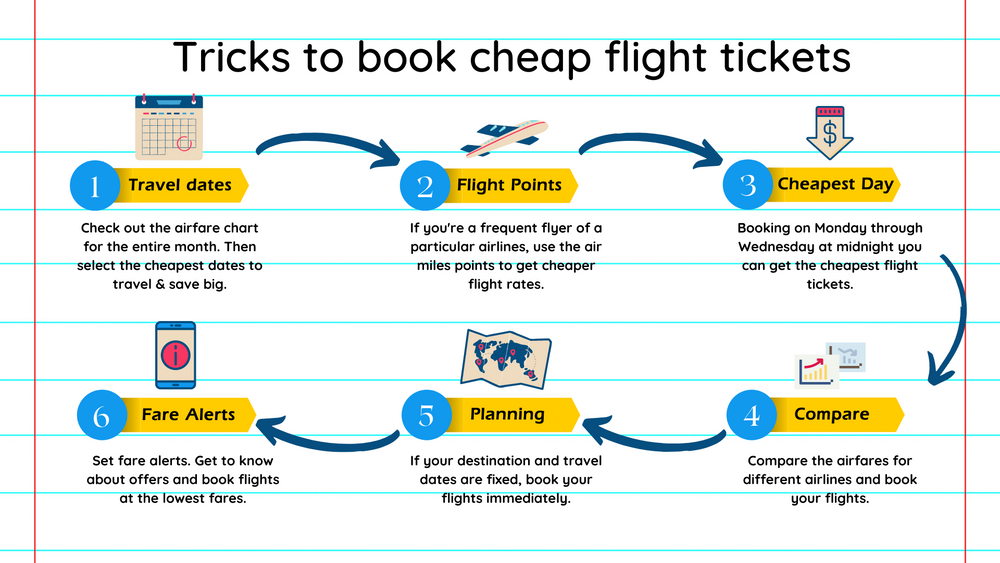
This guide will demystify the complex world of airfare pricing, equipping you with the knowledge and actionable strategies to consistently secure the best possible prices for your journeys. By approaching flight booking not as a mere transaction, but as a crucial component of your overall financial strategy, you can unlock incredible travel opportunities while safeguarding your wallet.
Understanding the Flight Pricing Landscape
Before diving into specific booking tactics, it’s crucial to grasp the inherent volatility and complexity of flight pricing. Airlines employ sophisticated algorithms and dynamic pricing models that make airfares fluctuate constantly, often several times a day. Understanding what drives these changes is the first step towards effectively navigating the market for savings.
The Volatility of Airfares: What Drives Price Changes?
Airfare prices are influenced by a myriad of factors, creating a perpetually shifting landscape. At its core, the principle of supply and demand dictates much of the pricing. High demand for a specific route or date will naturally drive prices up, while lower demand can lead to price drops.
Fuel costs represent a significant operational expense for airlines, and fluctuations in global oil prices can quickly translate into adjustments in ticket prices. Competition among airlines on a particular route also plays a critical role; routes served by multiple carriers often see more competitive pricing as airlines vie for market share. Conversely, routes with limited options might see higher, less flexible fares.
Furthermore, airline revenue management systems constantly analyze booking patterns, historical data, and even external factors like major events, holidays, and school breaks to adjust prices. This means the price you see today might be drastically different tomorrow, underscoring the need for both vigilance and strategic timing.
The Best Time to Book: Dispelling Common Myths
One of the most enduring myths in travel finance is that there’s a single “best day” or “best time” to book flights. While some anecdotal evidence might point to Tuesdays, the reality is far more nuanced. What truly matters is the booking window relative to your departure date.
Generally, a sweet spot exists for international flights between 2 to 8 months in advance, and for domestic flights, roughly 1 to 4 months out. Booking too far in advance can be expensive because airlines haven’t yet released their full range of discounted seats. Booking too late, typically within two weeks of departure, almost always results in higher prices as airlines target business travelers and last-minute emergency bookings, who are less price-sensitive.
However, these are guidelines, not rigid rules. The “best” time to book is when you find a price that aligns with your budget and perceived value. It often involves tracking prices over a period rather than fixating on a single moment.
Seasonality and Special Events: Timing Your Travel for Savings
Perhaps the most significant factor influencing flight prices is the timing of your travel. Peak travel seasons – summer holidays, Christmas, New Year, Easter, and major public holidays – invariably lead to inflated prices due to overwhelming demand. Avoiding these periods is one of the most straightforward ways to save money.
Consider traveling during the “shoulder seasons” (e.g., spring and autumn for many destinations) or the true off-peak seasons. Not only are flights often cheaper, but accommodation can be more affordable, and popular attractions less crowded. Similarly, be mindful of major local events, festivals, or sports tournaments at your destination, as these can drive up prices unexpectedly. Flexibility in your travel dates, even by a few days, can unlock substantial savings, making a significant difference to your travel budget.
Mastering Search Strategies for Optimal Value
Once you understand the underlying dynamics of flight pricing, the next step is to employ intelligent search strategies. This isn’t just about typing your destination into an airline’s website; it’s about a multi-pronged approach that leverages various tools and techniques to uncover the lowest fares.
Leveraging Flight Comparison Websites and Aggregators
Flight comparison websites and aggregators are indispensable tools for finding cheap flights. Platforms like Google Flights, Skyscanner, Kayak, and Momondo scour hundreds of airlines and online travel agencies (OTAs) to present you with a wide range of options.
How to use them effectively:
-
Flexibility is Key: Utilize their “flexible dates” or “anywhere” search options to explore alternative destinations or cheaper travel periods.
-
Calendar View: Many aggregators offer a calendar view displaying prices over an entire month, helping you pinpoint the cheapest days to fly.
-
“Explore” Feature: Google Flights’ “Explore” feature, for example, allows you to input your departure airport and budget, showing you where you can go for that price point.
-
Set Price Alerts: Almost all these sites allow you to set up price alerts for specific routes. You’ll receive email notifications when prices drop, allowing you to pounce on a good deal.
While these tools are powerful, remember they don’t always capture every airline, especially some budget carriers that prefer direct bookings. It’s often wise to double-check directly with an airline’s website once you’ve identified a promising route and date.
The Power of Incognito Mode and VPNs
A widely discussed tactic for booking cheaper flights involves using incognito or private browsing modes, or even a VPN to mask your location. The theory is that airlines and OTAs track your search history via cookies, dynamically increasing prices on routes you’ve repeatedly searched, exploiting your apparent interest.
While the evidence for this being a widespread, direct correlation is debated, using incognito mode certainly doesn’t hurt. It ensures a “clean slate” for each search, preventing any potential cookie-based price manipulation.
Using a VPN to search from a different country (e.g., if a flight originates or terminates in that country, or if its economy makes prices appear cheaper) can occasionally yield different results, but this is less common and often more complex to implement practically for significant savings. The primary benefit of incognito is privacy, which might indirectly help avoid perceived price hikes based on your past browsing.
Exploring Alternative Airports and Flexible Dates
One of the most impactful strategies for saving money is being flexible with your departure and arrival airports, as well as your travel dates.
-
Alternative Airports: Many major cities are served by multiple airports. Flying into or out of a smaller, less popular airport in the same region can often be significantly cheaper. For example, instead of flying into London Heathrow (LHR), consider London Gatwick (LGW), Stansted (STN), or Luton (LTN), even if it means a slightly longer transfer. The savings on the flight often outweigh the marginal increase in ground transportation costs.
-
Flexible Dates: As mentioned earlier, shifting your travel by just a day or two can dramatically alter prices. Mid-week flights (Tuesday, Wednesday, Thursday) are typically cheaper than weekend flights. Flying early morning or late at night can also reduce fares. When using comparison sites, always select the “flexible dates” option (+/- 3 days) to see a wider range of pricing.
Direct vs. Connecting Flights: The Cost-Benefit Analysis
Direct flights offer convenience but often come at a premium. Connecting flights, especially those with longer layovers or involving different airlines, are almost always cheaper. This requires a cost-benefit analysis: how much is your time and convenience worth versus the potential savings?
For budget-conscious travelers, opting for a layover can unlock substantial savings, particularly on long-haul international routes. Be mindful of the layover duration; extremely short connections carry a higher risk of missing your next flight, while very long ones might involve additional costs for food or even accommodation. Sometimes, a multi-day layover (a “stopover”) can be an intentional and cost-effective way to experience an additional city for little extra flight cost.
Advanced Maneuvers for Unearthing Deep Discounts
Beyond basic search strategies, there are more advanced tactics that savvy travelers employ to consistently find exceptional deals and maximize their financial return on travel.
The Art of Error Fares and Flash Sales
“Error fares” are exactly what they sound like: mistakes in airline pricing systems that result in unusually low fares. These can stem from currency conversion errors, typos, or software glitches. Flash sales are legitimate, but very short-lived, promotions by airlines to fill seats quickly. Both require vigilance and quick action.

To catch these, you need to be plugged into the right channels. Websites and newsletters like Scott’s Cheap Flights, The Flight Deal, or Secret Flying specialize in identifying and alerting subscribers to these fleeting opportunities. These deals often disappear within hours, so you need to be ready to book immediately if you find a route that suits you. This is where having a travel budget and an emergency travel fund can pay off handsomely, allowing you to seize opportunities as they arise.
Subscribing to Price Alerts and Newsletters
This strategy is fundamental for proactive budget travelers. Instead of constantly checking prices yourself, let technology do the work. Sign up for price alerts on Google Flights, Skyscanner, or your preferred flight aggregator for specific routes you’re interested in.
Additionally, subscribe to airline newsletters and reputable flight deal aggregators. Airlines often announce sales and promotions directly to their subscribers first. By consolidating these alerts, you ensure you’re always informed about potential savings without the constant manual effort. This passive monitoring is a cornerstone of smart financial planning for travel.
Using Airline Loyalty Programs and Credit Card Points
For frequent flyers, leveraging airline loyalty programs and travel-focused credit cards can significantly reduce or even eliminate flight costs.
-
Loyalty Programs: Sticking to one airline alliance can help you accrue miles faster. These miles can then be redeemed for free flights or upgrades, representing a direct monetary saving. Even if you don’t fly enough to earn elite status, basic points accumulation can be valuable.
-
Travel Credit Cards: Many credit cards offer substantial sign-up bonuses (often enough for a free round-trip domestic flight) and accrue points on everyday spending. These points can often be transferred to airline loyalty programs or redeemed directly for travel credits. Research cards with no foreign transaction fees and good travel insurance benefits to further enhance your financial preparedness for trips. It’s a strategic way to turn regular expenses into travel rewards.
Considering Budget Airlines: Understanding the Trade-offs
Budget airlines (e.g., Ryanair, Spirit, EasyJet, Frontier) are often the champions of low base fares. However, their business model relies on charging for almost every ancillary service.
-
Baggage Fees: This is often the biggest catch. Carry-on bags that fit under the seat are usually free, but anything larger, including overhead bin carry-ons, usually incurs a fee. Checked bags are almost always extra. These fees can sometimes make a budget flight more expensive than a full-service carrier’s fare once added.
-
Seat Selection: Expect to pay if you want to choose your seat. Otherwise, you’ll be assigned one at check-in.
-
Amenities: In-flight meals, drinks, and entertainment typically come at an additional cost.
When considering budget airlines, calculate the total cost, including all potential fees, before booking. If you can travel light and forgo non-essential amenities, they can offer exceptional value. For those prioritizing financial savings above all else, budget airlines are a powerful tool, but they require careful consideration of their unique pricing structures.
Mitigating Hidden Costs and Maximizing Your Investment
Booking a cheap flight is only one part of the equation. To truly book the “cheapest” flight in the sense of minimizing overall travel expenditure, you must also be adept at avoiding common pitfalls and hidden costs that can inflate your budget.
Decoding Baggage Policies: Carry-on vs. Checked Fees
Baggage fees are perhaps the most common hidden cost that can turn a seemingly cheap flight into an expensive one. Airlines, especially budget carriers, have increasingly strict baggage policies.
-
Carry-on Sizes and Weights: Familiarize yourself with the exact dimensions and weight limits for free personal items and paid carry-on bags for each airline you fly. These vary significantly. A small backpack that fits under the seat is usually free. A roll-aboard suitcase for the overhead bin is often a paid extra, even on full-service carriers for certain fare classes.
-
Checked Baggage: Checked bags are almost universally paid for on budget airlines and often for the lowest fare classes on full-service carriers. Fees increase significantly for overweight bags.
Money-saving tip: Pack light! Invest in lightweight, versatile clothing. Consider packing cubes to maximize space. If you must check a bag, pay for it online in advance; it’s almost always cheaper than paying at the airport counter. For long trips, consider shipping some items ahead or doing laundry at your destination.
Navigating Seat Selection and Ancillary Charges
Beyond baggage, airlines frequently charge for other “extras”:
-
Seat Selection: If you have a strong preference for an aisle, window, or specific location, you’ll likely pay for it. If you’re traveling solo and are indifferent, let the airline assign you a seat for free at check-in. For groups or families, you might have to weigh the cost of sitting together versus the savings of random assignment.
-
In-flight Meals and Drinks: On budget airlines, and sometimes even short-haul flights on full-service carriers, meals and drinks are extra. Pack your own snacks and an empty water bottle to fill after security.
-
Priority Boarding: This allows you to board earlier, ensuring overhead bin space. If you travel light, this isn’t usually necessary.
Each of these ancillary charges chip away at your savings. Be mindful of which extras are genuinely worth the money and which can be easily avoided.
The Perils of Dynamic Pricing and When to Book
Dynamic pricing is a double-edged sword. While it can sometimes lead to last-minute deals if an airline needs to fill seats, it more often results in price hikes, especially as departure approaches. The optimal booking window discussed earlier (2-8 months for international, 1-4 months for domestic) aims to avoid the highest peaks of dynamic pricing.
The “too early” trap can also be expensive, as airlines don’t release their full range of discounted fares until they have a clearer picture of demand. Continuous monitoring, setting price alerts, and booking within the recommended window are your best defenses against the capricious nature of dynamic pricing. Trusting your research and acting decisively when a good price appears is key.
Travel Insurance: An Essential Consideration (and where to find value)
While not a direct cost of the flight itself, travel insurance is a crucial financial consideration for any significant trip. It protects your investment against unforeseen circumstances like trip cancellations, medical emergencies, lost baggage, or flight delays. Skipping it to save a small amount upfront can lead to devastating financial losses if something goes wrong.
Finding Value in Travel Insurance:
-
Credit Card Benefits: Many premium travel credit cards offer built-in travel insurance benefits. Check your card’s terms and conditions carefully before purchasing a separate policy.
-
Annual Policies: If you travel frequently, an annual multi-trip policy can be more cost-effective than purchasing individual policies for each trip.
-
Comparison Sites: Use comparison websites to find policies that cover your specific needs (e.g., adventure sports, pre-existing conditions) at competitive prices.
View travel insurance not as an extra cost, but as a wise financial safeguard, ensuring that your pursuit of cheap flights doesn’t expose you to greater financial risks.
The Broader Financial Impact of Smart Flight Booking
Booking cheap flights isn’t an isolated act; it’s an integral part of a larger financial strategy that enables more frequent, enjoyable, and sustainable travel. By mastering the art of flight savings, you empower your overall financial goals.
Budgeting for Travel: Setting Realistic Expectations
A truly “cheap” flight only contributes to savings if it fits within a well-defined travel budget. Beyond the flight cost, remember to budget for accommodation, food, activities, local transportation, and incidental expenses. A cheap flight to an expensive city might still exceed your overall travel budget if other costs aren’t managed.
Set realistic expectations for your travel expenses. Use tools like spreadsheets or budgeting apps to track anticipated costs. Allocating specific funds for each category, including a contingency fund for unexpected expenses, ensures that your cheap flight is indeed a step towards an affordable and enjoyable trip, not just the lowest initial expenditure.
Long-Term Travel Planning for Consistent Savings
The most successful budget travelers are those who plan proactively and consistently save. This involves:
-
Dedicated Savings Account: Set up a separate savings account specifically for travel.
-
Automated Transfers: Schedule regular, small transfers from your checking account to your travel savings. This “pay yourself first” approach ensures a steady build-up of funds.
-
Prioritization: Make travel a financial priority by cutting back on less important discretionary spending.
By adopting a long-term financial planning approach, you won’t be scrambling for funds when a great flight deal appears. Instead, you’ll have the financial readiness to seize opportunities, making travel a regular and sustainable part of your lifestyle.

The ROI of Travel: Balancing Experiences and Expenses
Ultimately, the goal of booking cheap flights is to enable enriching travel experiences. The “Return on Investment” (ROI) in travel isn’t purely financial; it’s about the memories, personal growth, and new perspectives gained. While saving money is paramount, it should always be balanced with the quality of the experience.
Sometimes, paying a little more for a direct flight to save time, or for a better-located airport to save on transfers, offers a higher overall value proposition. The cheapest flight isn’t always the best value flight. By understanding your own priorities, your budget, and the strategies outlined above, you can make informed financial decisions that maximize both your travel experiences and your monetary savings. Embrace the journey of smart travel spending, and the world will truly open up to you, without breaking the bank.
aViewFromTheCave is a participant in the Amazon Services LLC Associates Program, an affiliate advertising program designed to provide a means for sites to earn advertising fees by advertising and linking to Amazon.com. Amazon, the Amazon logo, AmazonSupply, and the AmazonSupply logo are trademarks of Amazon.com, Inc. or its affiliates. As an Amazon Associate we earn affiliate commissions from qualifying purchases.