
The healthcare landscape has undergone a profound transformation, driven largely by advancements in technology. Among the most significant shifts is the widespread adoption of telemedicine, which has made obtaining medical advice and prescriptions more accessible and convenient than ever before. No longer confined solely to traditional brick-and-mortar clinics, healthcare services are increasingly available at our fingertips, facilitated by robust digital platforms and sophisticated software. Understanding “how to get an online prescription” is not merely about finding a doctor; it’s about navigating a complex, secure, and highly integrated technological ecosystem designed to deliver care efficiently and effectively. This guide delves into the tech-centric world of online prescriptions, demystifying the process and highlighting the digital tools that make it possible.
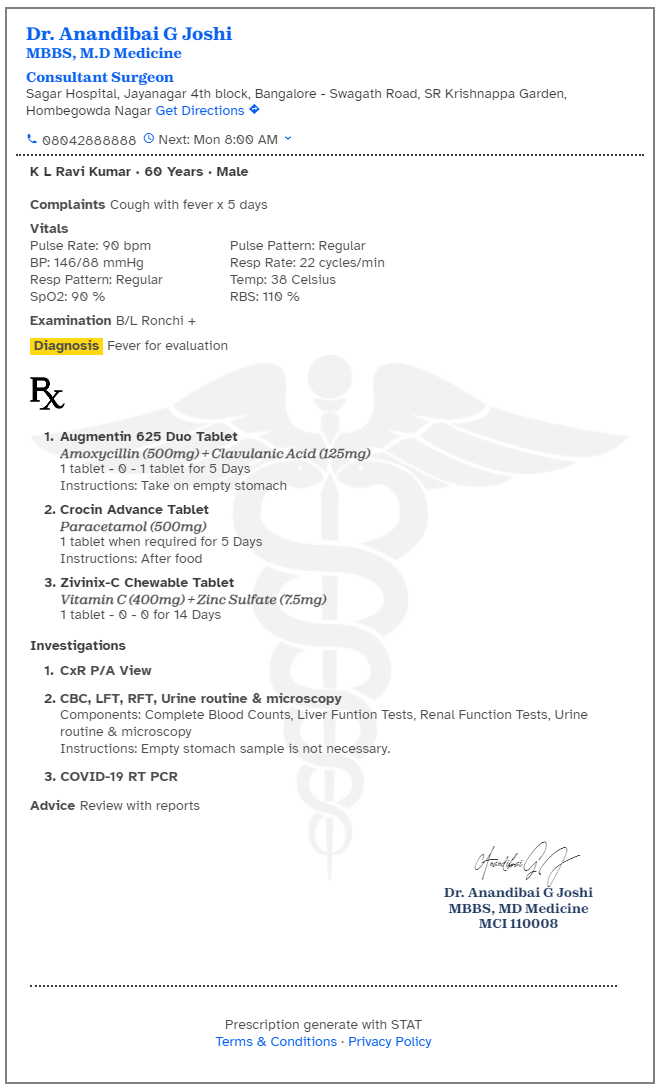
The Technological Backbone of Online Prescriptions
At its core, the ability to receive a prescription online is a testament to sophisticated technological infrastructure. From secure video conferencing to intricate data management systems, every step relies heavily on digital innovation to ensure safety, accuracy, and accessibility.
Telemedicine Platforms and Their Functionality
The gateway to online prescriptions is typically a telemedicine platform, an application or web-based service that acts as a virtual clinic. These platforms are engineered with a suite of functionalities to mimic and often enhance the in-person healthcare experience. They provide secure user dashboards where patients can manage appointments, view their health records, and communicate with healthcare providers. Key functionalities include:
-
Virtual Consultation Interfaces: This is perhaps the most critical component, enabling real-time audio and video interactions between patients and clinicians. These interfaces are built on secure streaming protocols, ensuring privacy and clear communication, often featuring screen-sharing capabilities for reviewing documents or images.
-
Secure Messaging Systems: Beyond live consultations, platforms offer asynchronous messaging, allowing patients to ask follow-up questions or share updates without needing a scheduled appointment. These systems are encrypted to protect sensitive health information.
-
Integrated Scheduling and Appointment Management: Digital calendars and booking systems allow patients to find available slots, schedule appointments, and receive automated reminders, streamlining the administrative burden on both sides.
-
Digital Intake Forms and Health Questionnaires: Prior to a consultation, patients often complete detailed digital forms covering their medical history, symptoms, and current medications. These intelligent forms often use conditional logic to adapt questions based on previous answers, making the process more efficient and ensuring all relevant information is captured digitally for the physician.
-
Prescription Management Modules: Once a diagnosis is made and a prescription is issued, these modules facilitate the digital transmission of the prescription to the patient’s chosen pharmacy, forming a crucial link in the overall digital workflow.
Digital Security and Data Privacy (HIPAA Compliance)
The handling of personal health information (PHI) online introduces significant challenges related to data security and privacy. For telemedicine platforms, adherence to stringent regulatory standards like the Health Insurance Portability and Accountability Act (HIPAA) in the United States, or GDPR in Europe, is paramount. The technology employed is designed specifically to meet these requirements:
-
End-to-End Encryption: All data transmitted, whether during a video call, through messages, or within stored records, is encrypted. This means that even if intercepted, the data is unreadable without the proper decryption keys, which are tightly controlled.
-
Secure Servers and Cloud Infrastructure: Patient data is stored on highly secure, compliant servers, often leveraging cloud infrastructure designed for healthcare applications. These environments feature robust firewalls, intrusion detection systems, and regular security audits.
-
Authentication and Authorization: Multi-factor authentication (MFA) is commonly used to verify user identities, preventing unauthorized access to patient portals. Role-based access controls ensure that only authorized personnel can view or modify specific types of information.
-
Audit Trails: Every interaction with patient data—from a doctor accessing a file to a patient updating their profile—is logged and timestamped. This creates an immutable audit trail, crucial for compliance and accountability.
-
De-identification Technologies: For research or analytical purposes, platforms may employ technologies to de-identify data, removing personal identifiers while retaining valuable health insights.
Integration with Electronic Health Records (EHRs)
A truly seamless online prescription experience is often underpinned by the platform’s integration with Electronic Health Records (EHR) systems. These integrations are vital for ensuring continuity of care and providing clinicians with a complete picture of a patient’s medical history. Through application programming interfaces (APIs) and standardized data exchange protocols (like HL7 or FHIR), telemedicine platforms can:
-
Access Patient History: Clinicians can quickly review past diagnoses, previous prescriptions, allergies, lab results, and immunization records, informing their current assessment.
-
Update Patient Records: Post-consultation, the details of the visit, diagnosis, and new prescriptions are automatically or semi-automatically logged back into the patient’s primary EHR, ensuring that all healthcare providers involved in the patient’s care have access to the most up-to-date information.
-
Reduce Medical Errors: By providing a comprehensive view of a patient’s health and flagging potential drug interactions based on existing medications, integration with EHRs significantly reduces the risk of prescribing errors.
-
Improve Coordination of Care: For patients seeing multiple specialists, integrated EHRs mean that each provider can contribute to and draw from a centralized, digital record, leading to more coordinated and efficient care.
Navigating the Online Prescription Process: A User’s Guide
For the end-user, the process of obtaining an online prescription is designed to be intuitive, yet it relies on several technical steps and considerations. Understanding these steps empowers patients to effectively utilize digital healthcare services.
Choosing the Right Telehealth Provider/Platform
The first technical decision involves selecting a suitable telehealth platform. This choice should be informed by several tech-centric criteria:
-
User Interface (UI) and User Experience (UX): A well-designed UI/UX is crucial. Look for platforms that are easy to navigate, with clear instructions, logical workflows, and minimal technical jargon. A clunky interface can lead to frustration and hinder access to care.
-
App Availability and Device Compatibility: Does the platform offer a dedicated mobile app (iOS, Android)? Is it accessible via a web browser on various devices (desktop, tablet)? Ensuring compatibility with your personal technology setup is essential.
-
Platform Features: Beyond basic consultations, consider features like integrated pharmacies, medication reminders, secure chat functions, access to lab results, and educational resources.
-
Technical Support: In case of connectivity issues, login problems, or difficulties navigating the platform, readily available and competent technical support is invaluable. Look for providers offering live chat, phone support, or comprehensive FAQs.
-
Security Features: While often backend, indicators of strong security (e.g., mention of HIPAA compliance, MFA options) should instill confidence.
Setting Up Your Digital Profile
Once a platform is chosen, the initial setup involves creating a secure digital profile:
-
Account Creation: This typically involves providing an email address, creating a strong password, and agreeing to terms of service and privacy policies. Many platforms now offer single sign-on options via Google or Apple IDs for convenience, though a dedicated account often offers more robust security features.
-
Verification Processes: To ensure patient identity and prevent fraud, platforms often employ digital verification methods. This can include entering a phone number for SMS verification, uploading a photo ID, or sometimes even a brief video selfie. These technologies help establish trust in the virtual environment.
-
Secure Health Questionnaire Completion: Patients are prompted to fill out a detailed medical history. This digital form collects information on current symptoms, existing conditions, medications, allergies, and lifestyle factors. The data entered here is encrypted and forms the basis for the virtual consultation. It’s crucial to be thorough, as this digital input substitutes the traditional intake forms and nurse interviews.
The Virtual Consultation Experience
The consultation itself is the heart of the online prescription process, leveraging various communication technologies:
-
Secure Video Conferencing: At the scheduled time, patients typically join a secure video call within the platform. These calls are optimized for clear audio and video, often adjusting quality based on internet speed to maintain connectivity. Features like virtual waiting rooms and the ability to share files digitally are common.
-
Chat and Document Sharing: During the consultation, doctors and patients may use integrated chat functions for quick messages or to share relevant documents, such as previous medical records or diagnostic images, securely within the platform.
-
Remote Diagnostic Tools (Emerging Tech): While still developing, some advanced telehealth platforms are beginning to integrate with peripheral devices for remote diagnostics. This could include smart stethoscopes, otoscopes, or blood pressure monitors that can transmit data directly to the clinician during the call, adding another layer of digital data to the assessment.
Understanding Prescription Fulfillment in the Digital Age

Once a consultation concludes and a prescription is deemed appropriate, the technological journey continues into the fulfillment stage, revolutionizing how prescriptions are sent, received, and managed.
Electronic Prescribing (e-Prescribing)
Electronic prescribing, or e-prescribing, is a cornerstone of modern digital healthcare. Instead of handwritten scripts, prescriptions are generated digitally by the clinician within the telemedicine platform or EHR system and then transmitted electronically to the patient’s pharmacy. The benefits from a technological standpoint are numerous:
-
Reduced Errors: Eliminates issues with illegible handwriting, transcription errors, and faxing problems, significantly enhancing patient safety.
-
Speed and Efficiency: Prescriptions reach the pharmacy almost instantaneously, reducing wait times for patients and allowing pharmacists to prepare medications sooner.
-
Automated Drug Interaction Checks: e-prescribing systems often include built-in intelligence that automatically cross-references the new prescription with the patient’s existing medication list and allergies, flagging potential harmful interactions before the prescription is sent.
-
Formulary Management: The system can suggest medications covered by the patient’s insurance formulary, helping to manage costs and reduce administrative back-and-forth.
Pharmacy Network Integration
Telemedicine platforms don’t operate in isolation; they are deeply integrated into a vast network of pharmacies. This integration ensures that the e-prescription can be sent to virtually any pharmacy, whether a local independent store, a large chain, or a mail-order pharmacy.
-
Direct Digital Links: Platforms establish secure digital connections with pharmacy systems, allowing for the direct and encrypted transmission of prescription data.
-
Choice and Convenience: Patients can typically select their preferred pharmacy from a digital directory, and the prescription is routed there electronically.
-
Mail-Order Pharmacies: For chronic conditions, many online platforms facilitate direct electronic prescriptions to mail-order pharmacies, offering the convenience of home delivery.
Digital Refills and Medication Management
The digital ecosystem also streamlines ongoing medication management and refills:
-
Online Refill Requests: Patients can often request prescription refills directly through their telehealth portal or app, eliminating the need for phone calls or additional in-person visits for routine renewals.
-
Automated Reminders: Many platforms offer features to set medication reminders, helping patients adhere to their prescribed regimens.
-
Prescription History Tracking: A digital record of all prescriptions issued, dosages, and refill dates is maintained within the patient’s profile, providing a comprehensive overview for both the patient and their healthcare providers. This digital trail is invaluable for tracking treatment effectiveness and ensuring continuity of care.
Advantages and Considerations of Online Prescriptions (from a Tech Perspective)
The technological paradigm shift introduced by online prescriptions offers undeniable advantages, yet it also presents unique considerations that are best understood through a technical lens.
Accessibility and Convenience Powered by Tech
The most apparent benefits stem directly from technology’s ability to transcend geographical and temporal barriers:
-
Geographic Reach: Patients in rural or underserved areas can access specialists and general practitioners who might otherwise be inaccessible due to distance.
-
Time Efficiency: Eliminates travel time, waiting room delays, and the need to take time off work, making healthcare more manageable within busy schedules.
-
24/7 Access (for some services): While live consultations are scheduled, some platforms offer asynchronous consultations where patients can submit queries and receive responses within a specific timeframe, often outside traditional office hours.
-
Reduced Physical Barriers: For individuals with mobility issues or chronic conditions, telemedicine makes accessing care significantly easier and less physically taxing.
Enhanced Patient Engagement Tools
Modern telehealth platforms go beyond simple consultations, incorporating features designed to empower patients:
-
Secure Messaging: Allows ongoing, private communication with providers, fostering a continuous care relationship.
-
Educational Resources: Platforms often integrate libraries of health information, articles, and videos pertinent to a patient’s condition or medication, delivered digitally.
-
Personalized Dashboards: Patients can view their appointment history, lab results, prescription details, and sometimes even track health metrics (e.g., blood pressure logs) within a personalized digital space.
-
Care Plan Tracking: Some advanced platforms allow doctors to create personalized digital care plans that patients can follow and track their progress.
Overcoming Technical Hurdles
While tech-driven, the system isn’t without its challenges, which primarily revolve around the digital divide:
-
Internet Connectivity: Reliable high-speed internet is fundamental. Patients in areas with poor connectivity may struggle to participate in video consultations.
-
Device Compatibility and Digital Literacy: Access to a suitable device (smartphone, tablet, computer) and a basic understanding of how to use apps or web platforms are necessary. Digital literacy programs can help bridge this gap.
-
Platform Usability for All: While UI/UX designers strive for simplicity, some users, particularly seniors or those less familiar with technology, may find certain platforms challenging to navigate. Ongoing efforts are needed to make interfaces universally intuitive.
-
Data Security Best Practices: While platforms employ strong security, patients also have a role to play by using strong passwords, enabling MFA, and being wary of phishing attempts.
The Evolving Landscape: AI and Future Innovations
The technological journey of online prescriptions is far from over. Artificial intelligence (AI) and machine learning are poised to further revolutionize the field:
-
AI-Powered Symptom Checkers: Intelligent chatbots can guide patients through initial symptom assessment, providing preliminary insights and helping to determine if a virtual consultation is appropriate.
-
Personalized Medicine: AI can analyze vast amounts of patient data (genomic, lifestyle, EHR) to suggest highly personalized treatment plans and medication choices.
-
Predictive Analytics: AI algorithms can identify patients at risk of developing certain conditions or those who might benefit from proactive interventions.
-
Enhanced Diagnostics: Integrating AI with remote diagnostic tools could lead to more accurate and quicker assessments in virtual settings.
-
Automated Prescription Management: AI could streamline refill requests, flag adherence issues, and optimize medication schedules.

Conclusion
Getting an online prescription is no longer a futuristic concept but a present-day reality, deeply embedded in the fabric of modern healthcare thanks to relentless technological innovation. From the secure telemedicine platforms that facilitate virtual consultations to the intricate e-prescribing systems that connect doctors and pharmacies, technology underpins every aspect of this convenient and increasingly vital service. As we continue to embrace the digital age, understanding the technical intricacies of online prescriptions empowers patients, streamlines care delivery, and paves the way for a more accessible, efficient, and technologically advanced healthcare future. The continuous evolution of digital security, platform integration, and emerging AI applications promises to further enhance the utility and reach of online prescriptions, cementing their role as an indispensable component of digital health.
aViewFromTheCave is a participant in the Amazon Services LLC Associates Program, an affiliate advertising program designed to provide a means for sites to earn advertising fees by advertising and linking to Amazon.com. Amazon, the Amazon logo, AmazonSupply, and the AmazonSupply logo are trademarks of Amazon.com, Inc. or its affiliates. As an Amazon Associate we earn affiliate commissions from qualifying purchases.