
In an era where healthcare costs are a significant concern for individuals and families, understanding the financial intricacies of obtaining prescription medications has never been more critical. The question, “How can I get a phentermine prescription?” might seem straightforward, but beneath its surface lies a complex web of financial considerations that demand careful navigation. While the decision to pursue any prescription medication, including phentermine, is fundamentally a medical one made in consultation with a healthcare professional, the subsequent steps to access and afford it are squarely within the realm of personal finance. This article delves exclusively into the financial landscape surrounding prescription access, offering an insightful and engaging guide for those looking to manage their health-related expenditures wisely. We will explore strategies to mitigate costs, leverage financial tools, and budget effectively for ongoing medication needs, all from a purely monetary perspective.
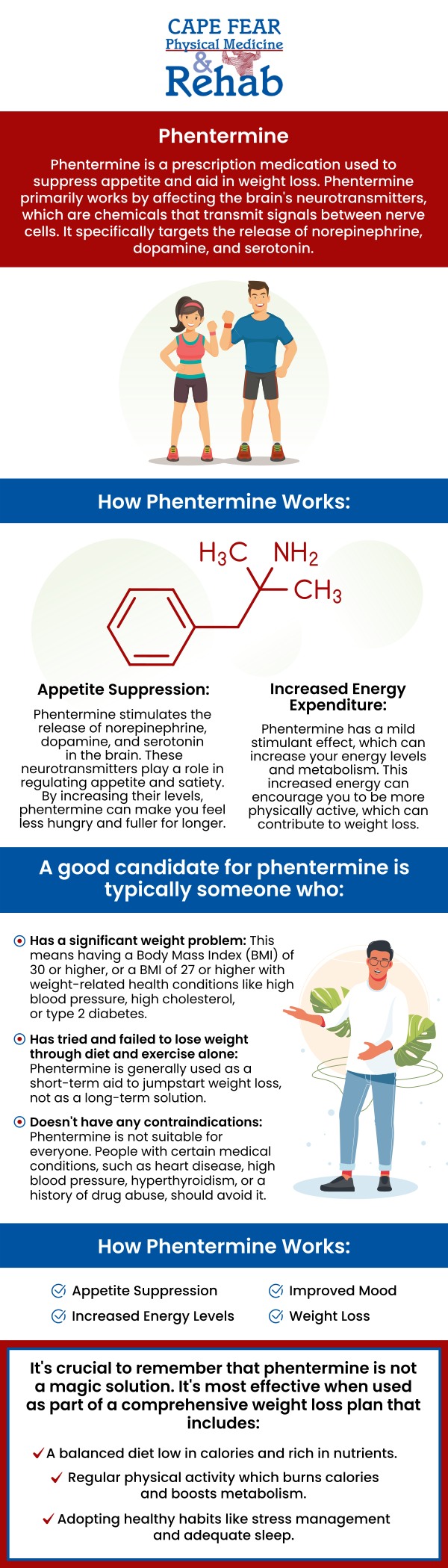
Decoding the True Cost of Prescription Medication Access
The journey to obtaining a prescription, and subsequently the medication itself, involves several financial touchpoints that extend far beyond the sticker price of the drug. Understanding these components is the first step towards a financially savvy approach to healthcare.
The Initial Consultation: More Than Just a Doctor’s Visit
Before a prescription can even be considered, an individual must consult with a licensed healthcare provider. This initial visit carries its own set of costs, which vary significantly based on insurance status, provider type, and location.
-
Co-pays and Deductibles: For those with health insurance, a co-payment is a fixed amount paid for a covered service, while a deductible is the amount you must pay out-of-pocket before your insurance plan begins to pay. If you haven’t met your deductible, the full cost of the visit could fall on you. Understanding your plan’s specifics – including whether your deductible applies to office visits or only to major medical events – is paramount. A $50 co-pay might seem minor, but if you’re navigating a $3,000 deductible, subsequent tests or specialist referrals could accumulate rapidly.
-
Uninsured Rates and Cash Prices: For individuals without health insurance, the cost of a doctor’s visit can be substantial, often ranging from $100 to $300 or more for a general consultation. Some clinics offer discounted cash prices for uninsured patients, and it’s always advisable to inquire about these before your appointment. Community health centers or urgent care facilities might also present more affordable initial consultation options compared to traditional private practices.
-
Telehealth Consultations: The rise of telemedicine has introduced a potentially cost-effective alternative. Many telehealth platforms offer virtual consultations at a lower price point than in-person visits, sometimes even with transparent, upfront pricing. While convenient, it’s crucial to confirm if the virtual provider can prescribe the medication in question and if your insurance covers telehealth services.
Navigating Health Insurance: The Cornerstone of Prescription Affordability
Your health insurance plan plays the most significant role in determining your out-of-pocket expenses for prescription medications. A thorough understanding of your policy is indispensable.
-
Formularies and Tiers: Every insurance plan has a formulary – a list of prescription drugs covered by the plan. Medications are typically categorized into tiers, with each tier corresponding to a different co-payment amount. Generic drugs are usually in lower tiers with the lowest co-pays, while preferred brand-name drugs and non-preferred brand-name drugs occupy higher tiers with progressively higher costs. Specialty drugs, often for chronic or complex conditions, are in the highest tiers and can incur substantial costs. You must verify if phentermine, typically available as a generic, is on your plan’s formulary and its corresponding tier.
-
Deductibles and Out-of-Pocket Maximums: Similar to doctor visits, your prescription drug costs count towards your annual deductible and out-of-pocket maximum. Once your deductible is met, your insurance typically covers a larger portion of the cost. The out-of-pocket maximum is the absolute most you will pay for covered services in a year, offering a ceiling to your financial exposure.
-
Prior Authorization and Step Therapy: Some medications, even if on the formulary, may require “prior authorization” from your insurance company, meaning your doctor needs to demonstrate medical necessity before the plan will cover it. “Step therapy” might require you to try a lower-cost, generic alternative first before your plan will cover a more expensive medication. While these are clinical hurdles, they have direct financial implications if coverage is denied, forcing you to pay full price or explore alternatives.
Strategic Cost-Saving Measures for Your Phentermine Prescription
Once a prescription for phentermine has been issued, the focus shifts to minimizing the ongoing financial burden of the medication itself. Several proactive strategies can help reduce your out-of-pocket expenses.
Comparison Shopping: The Pharmacy Landscape
Just like any other consumer product, the price of a prescription drug can vary significantly from one pharmacy to another.
-
Local Pharmacies vs. Chain Stores: Independent pharmacies may sometimes offer more competitive pricing or be willing to negotiate cash prices. Conversely, large chain pharmacies (e.g., CVS, Walgreens, Rite Aid) often have robust discount programs or loyalty schemes. It’s advisable to call several local pharmacies to inquire about their cash price for phentermine.
-
Big-Box Store Pharmacies: Pharmacies located within superstores like Walmart, Target, or Costco are often known for offering some of the lowest cash prices for generic medications. A Costco membership is not always required to use their pharmacy, but check store policies.
-
Online and Mail-Order Pharmacies: Reputable online pharmacies and your insurance provider’s designated mail-order pharmacy can offer significant savings, particularly for maintenance medications. They often provide larger supply quantities (e.g., 90-day supply) at a reduced overall cost. Always ensure any online pharmacy is fully accredited and licensed in the U.S. to guarantee safety and legitimacy. The National Association of Boards of Pharmacy (NABP) offers a tool to verify online pharmacies.
Leveraging Discount Programs and Coupons
A plethora of resources exist to help reduce the cost of prescription medications, often without the need for insurance.
-
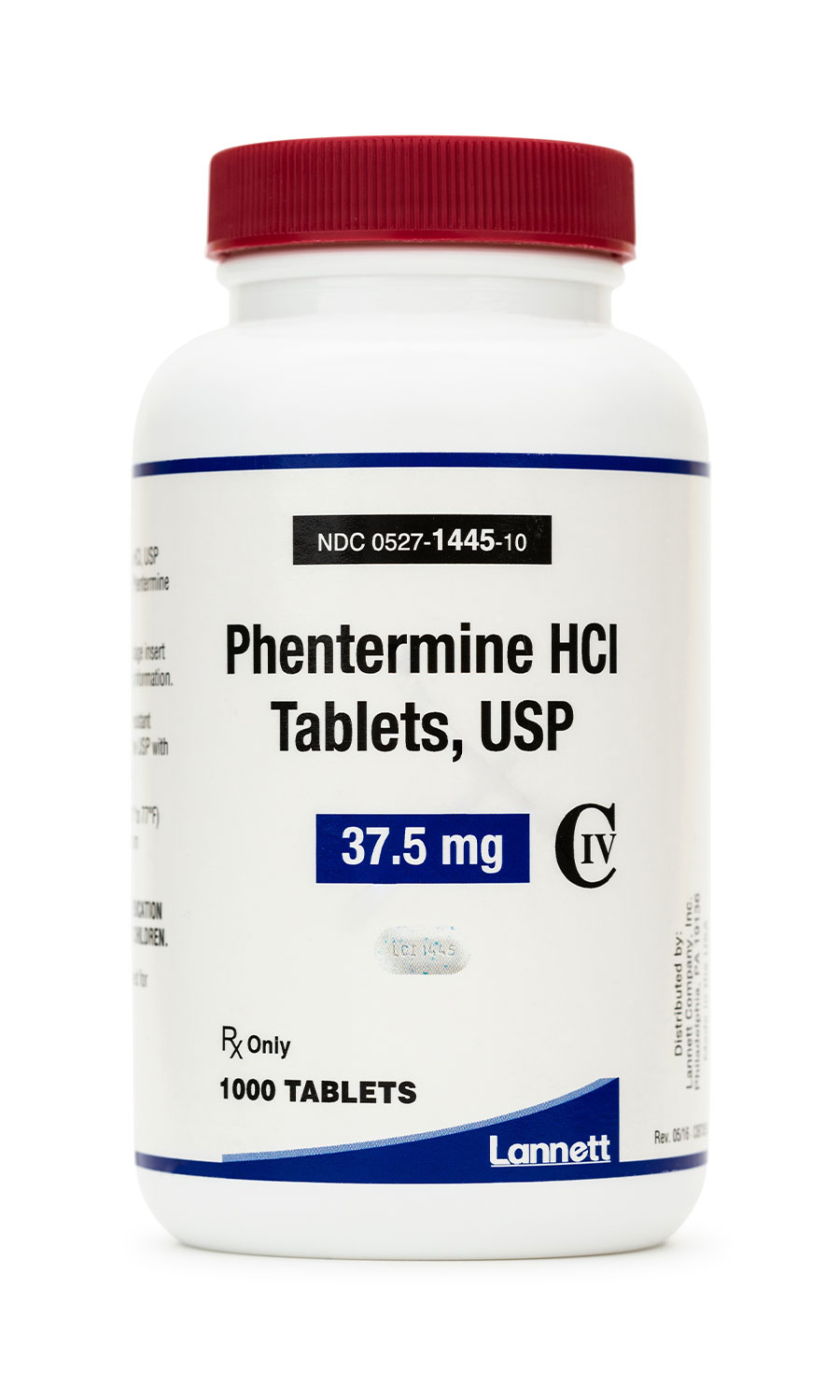
Prescription Discount Cards: Services like GoodRx, SingleCare, ScriptSave WellRx, and Optum Perks provide free discount cards that can reduce the cost of many generic and brand-name drugs, sometimes even more than your insurance co-pay. These cards are widely accepted at most pharmacies; simply present the card when filling your prescription. It’s always wise to check current prices with these services before heading to the pharmacy.
-
Manufacturer Coupons and Patient Assistance Programs (PAPs): While phentermine is available generically, for other medications, pharmaceutical manufacturers often offer coupons or patient assistance programs (PAPs) to help uninsured or underinsured patients afford their brand-name drugs. These programs might cover a portion of the cost or provide the medication for free. Although phentermine is generic, if you’re exploring other weight management drugs in the future, remember to investigate these options.
-
Prescription Savings Clubs: Some pharmacies or grocery store chains offer their own prescription savings clubs for an annual fee, providing discounts on a range of generic drugs.
Generic vs. Brand-Name: A Financial Imperative
Phentermine itself is available as a generic medication, which is almost always significantly cheaper than its brand-name counterparts (if they existed for phentermine specifically).
-
Cost Efficiency: Generic drugs contain the same active ingredients, dosage, safety, strength, quality, and intended use as their brand-name equivalents. The primary difference is the cost, making generics a financially prudent choice whenever available. Always confirm with your doctor that a generic substitution is medically appropriate and allowable.
-
Doctor-Patient Discussion: During your consultation, explicitly ask your healthcare provider to prescribe the generic version of phentermine. They can often specify “dispense as written” or indicate a preference for the generic on the prescription.
Budgeting for Long-Term Medication Management
Managing chronic conditions, or conditions requiring ongoing medication like phentermine for weight management, necessitates integrating these expenses into your broader personal financial plan. This proactive approach ensures sustainable access to necessary treatments without undue financial strain.
Integrating Medication Costs into Your Personal Financial Plan
Treat medication expenses as a non-negotiable line item in your monthly budget, similar to rent or utilities.
-
Fixed vs. Variable Costs: While your insurance co-pay for phentermine might be a relatively fixed monthly cost, be prepared for variable expenses such as doctor visits, lab tests, or potential changes in medication if your treatment plan evolves. Allocate a small buffer in your budget for these unforeseen health-related expenses.
-
Emergency Fund Allocation: For those with high-deductible health plans, having a robust emergency fund that can cover your annual deductible and out-of-pocket maximum is a critical financial safety net. This ensures you can access care and medication even before your insurance kicks in significantly.
-
Reviewing Your Budget Regularly: Healthcare costs, including prescription prices and insurance plan details, can change annually. Make it a point to review your budget and insurance coverage at least once a year, particularly during open enrollment periods, to ensure you’re getting the most value for your money.
Leveraging Health Savings Accounts (HSAs) and Flexible Spending Accounts (FSAs)
These tax-advantaged accounts are powerful tools for managing healthcare expenses, including prescription costs.
-
Health Savings Accounts (HSAs): Available to individuals enrolled in high-deductible health plans (HDHPs), HSAs offer a triple tax advantage: contributions are tax-deductible, funds grow tax-free, and withdrawals for qualified medical expenses are tax-free. Phentermine prescriptions and associated doctor visits are considered qualified medical expenses. HSAs are particularly beneficial because the funds roll over year to year and are portable, making them excellent long-term savings vehicles for healthcare.
-
Flexible Spending Accounts (FSAs): Offered through employers, FSAs allow you to set aside pre-tax money from your paycheck for qualified medical expenses. While FSA funds typically do not roll over year to year (use-it-or-lose-it rule, though some plans allow a grace period or limited carryover), they can still provide significant tax savings on your annual medical costs, including phentermine prescriptions. Carefully estimate your annual medical expenses to avoid forfeiting funds.
Financial Planning for Associated Lifestyle Changes
Weight management often involves more than just medication; it encompasses dietary changes, increased physical activity, and potentially other support systems. Each of these can have financial implications that should be considered alongside medication costs.
-
Nutrition and Groceries: Shifting to a healthier diet might involve changes in your grocery budget. While some healthy foods can be more expensive, smart shopping, meal planning, and cooking at home can offset these costs.
-
Fitness and Activity: Joining a gym, investing in home exercise equipment, or participating in fitness classes can incur costs. Look for discounted memberships, community programs, or free outdoor activities to stay active within your budget.
-
Support Systems: Whether it’s a paid weight management program, therapy, or nutritional counseling, these services, if pursued, will also have financial costs that need to be factored into your overall budget.
Conclusion: A Prudent Approach to Health and Wealth
The question of “how can I get a phentermine prescription” quickly evolves into a broader discussion about how to afford comprehensive healthcare. While a doctor determines medical necessity, the responsibility of navigating the financial currents of prescription access falls to the individual. By diligently understanding your insurance plan, actively seeking out cost-saving measures such as discount programs and generic options, and strategically budgeting for both immediate and long-term healthcare needs, you can empower yourself to make informed financial decisions. Leveraging tax-advantaged accounts like HSAs and FSAs further solidifies your financial resilience. Ultimately, a prudent approach to personal finance ensures that necessary health interventions, including prescriptions like phentermine, remain accessible and do not become an insurmountable financial burden, allowing you to focus on your well-being with peace of mind.
aViewFromTheCave is a participant in the Amazon Services LLC Associates Program, an affiliate advertising program designed to provide a means for sites to earn advertising fees by advertising and linking to Amazon.com. Amazon, the Amazon logo, AmazonSupply, and the AmazonSupply logo are trademarks of Amazon.com, Inc. or its affiliates. As an Amazon Associate we earn affiliate commissions from qualifying purchases.