
The name “Sam Worthington” might spark immediate recognition for many, conjuring images of rugged heroes battling aliens or commanding epic voyages. For years, the Australian actor was a prominent fixture in Hollywood blockbusters, his star power seemingly on an unstoppable trajectory. But as is often the case in the fast-paced and ever-evolving world of entertainment, public interest can ebb and flow. So, what did happen to Sam Worthington? While the answer isn’t a dramatic vanishing act or a career implosion, it’s a fascinating story that reflects broader trends in the entertainment industry, the nature of celebrity, and the evolving ways we connect with public figures in our digitally saturated lives.
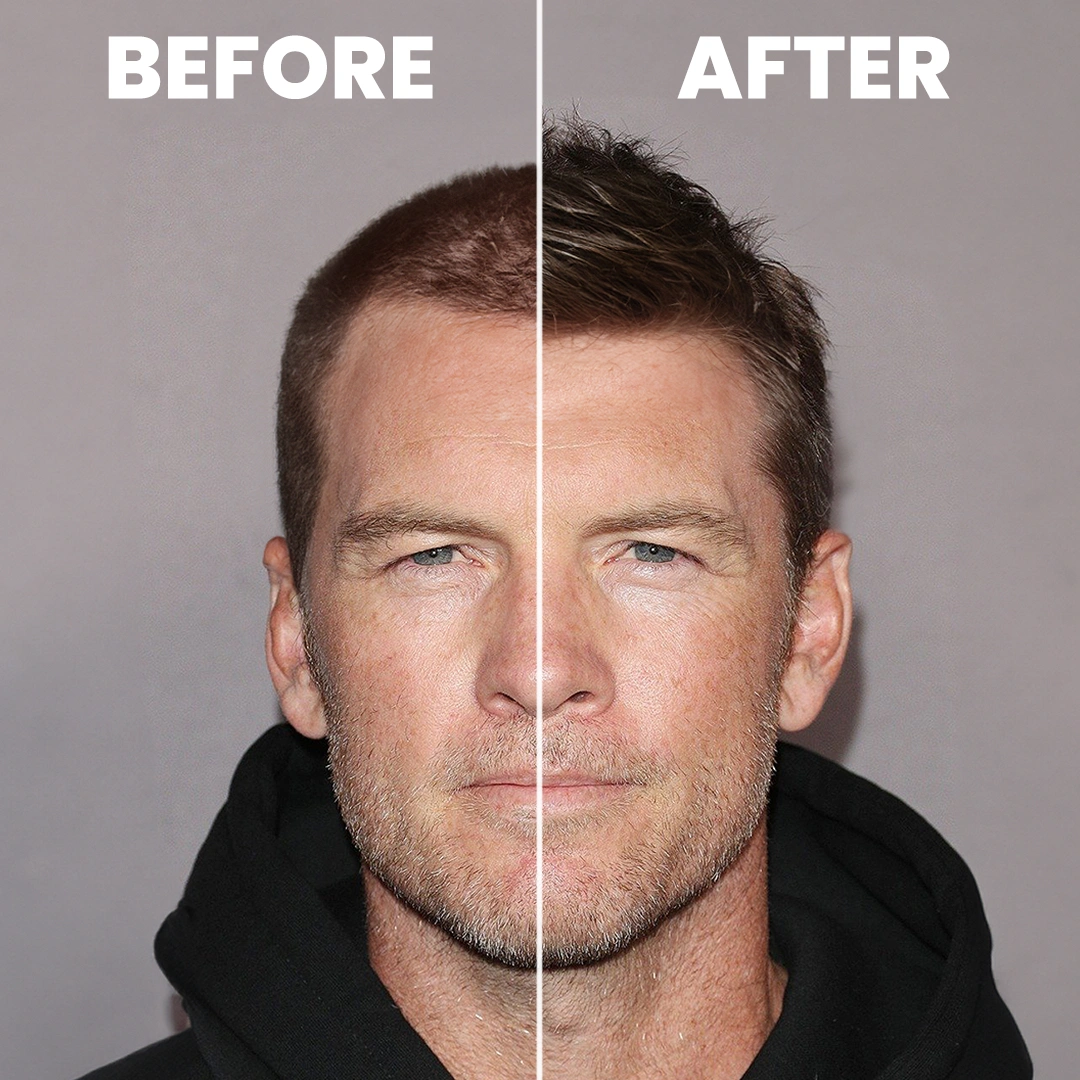
This exploration will delve into Worthington’s career trajectory, examining the factors that contributed to his initial rise and the subsequent shifts in his visibility. We’ll touch upon the strategic decisions that might have influenced his public profile, drawing parallels to how modern brands and individuals manage their presence. Furthermore, we’ll consider the financial realities of a Hollywood career and how actors navigate income streams and maintain relevance, even when not in the immediate spotlight.
The Rise of a Blockbuster Star: From Down Under to Global Recognition
Sam Worthington’s ascent to international fame was meteoric, largely fueled by a string of high-profile, commercially successful films in the late 2000s and early 2010s. His breakthrough roles in James Cameron’s groundbreaking science-fiction epic Avatar (2009) and the action-thriller Clash of the Titans (2010) positioned him as a leading man capable of carrying major studio productions.
The Avatar Phenomenon and the “Next Big Thing” Narrative
Avatar‘s unprecedented box office success and technological innovation catapulted Worthington into the global consciousness. Playing Jake Sully, the conflicted marine who finds a new life and love on the alien world of Pandora, Worthington became the face of one of the biggest cinematic events of all time. This role immediately labeled him as the “next big thing” in Hollywood, a sought-after talent with immense potential. The sheer scale and impact of Avatar meant that Worthington was no longer just an Australian actor; he was a global commodity.
His subsequent casting in Clash of the Titans, a remake of the 1981 fantasy film, further solidified his action-hero image. While critically divisive, the film was a commercial success, demonstrating his ability to attract audiences to large-scale spectacles. This period was marked by a constant presence in major franchise films, a clear indication of studios betting on his star power for future installments.
Strategic Casting and the Building of a Brand
From a brand perspective, Worthington’s early career was characterized by strategic casting in roles that capitalized on his rugged charm, imposing physique, and perceived everyman quality. These were characters who, despite their extraordinary circumstances, often grappled with relatable internal conflicts. This allowed audiences to connect with him on a deeper level, moving beyond just a handsome face on screen.
The films he chose were designed to reach a broad, international audience, a crucial element in building a global brand. The marketing campaigns for these movies heavily featured Worthington, ensuring his image became synonymous with epic adventure and popcorn entertainment. This was a deliberate and effective way to establish his personal brand within the highly competitive entertainment industry. His image was carefully curated, projecting an aura of strength and accessibility.
Shifting Sands: The Evolution of a Hollywood Career
As the initial wave of blockbuster success began to subside, the landscape of Worthington’s career, like many actors’, saw a natural evolution. The “next big thing” narrative, while powerful, can also create immense pressure and expectations that are difficult to sustain.
Beyond the Blockbuster: Diversifying Roles and Projects
While Avatar and Clash of the Titans defined his early career, Worthington has since diversified his acting portfolio. He has explored more dramatic and character-driven roles in independent films and television projects. This shift often signifies an actor seeking creative fulfillment and a desire to stretch their acting muscles beyond the confines of established blockbuster archetypes.
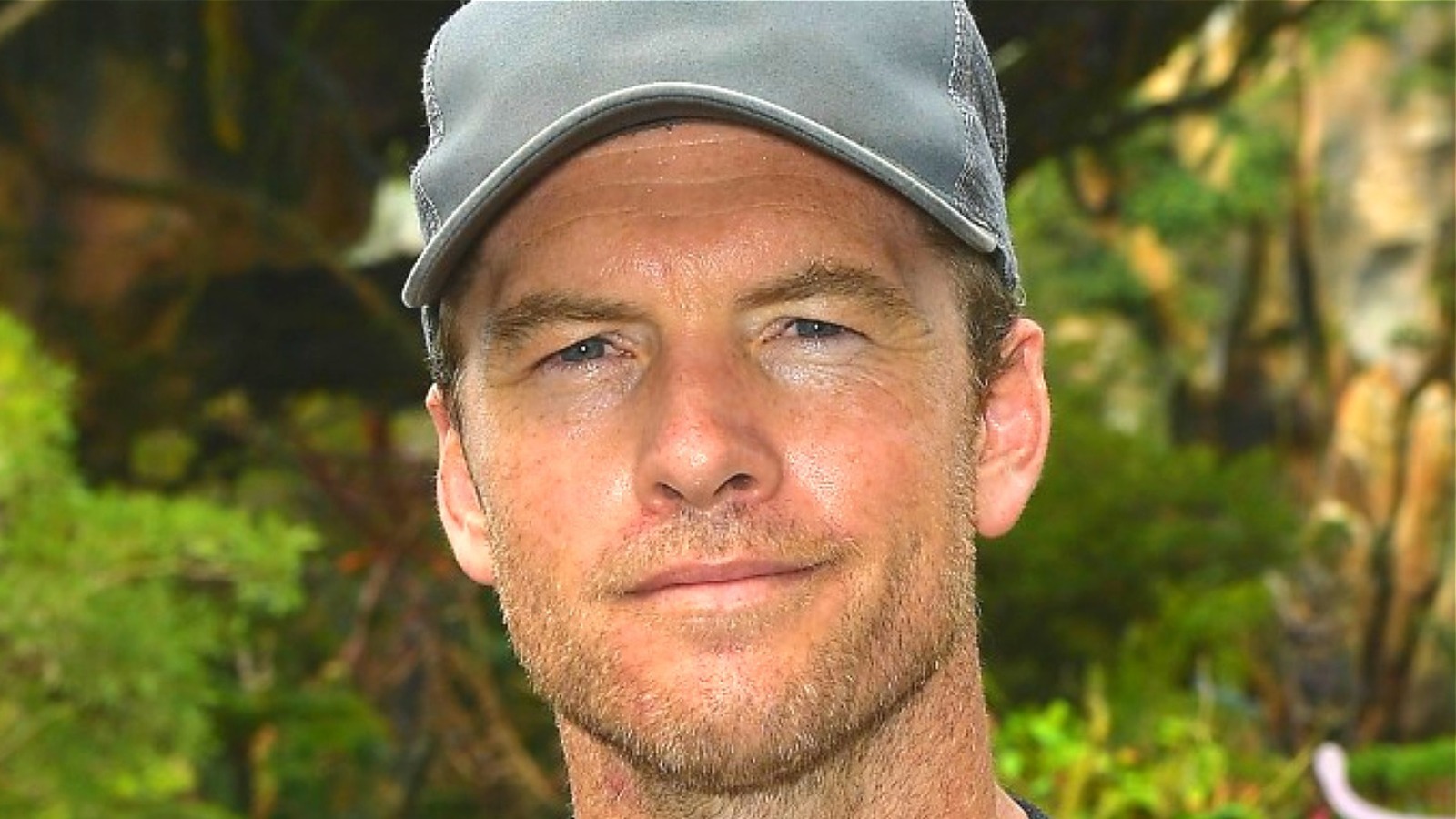
His involvement in projects like the critically acclaimed Australian crime drama The=” (2013) and the Netflix thriller Fractured (2019) showcases a willingness to engage with different genres and storytelling approaches. These roles might not generate the same level of global headlines as his earlier work, but they demonstrate a commitment to his craft and a desire to explore a broader range of characters.
The Influence of Technology and Streaming on Visibility
The rise of streaming platforms and the changing consumption habits of audiences have also played a significant role in how actors maintain visibility. While traditional theatrical releases still hold immense power, content is now consumed across a multitude of platforms. This means that an actor’s presence can be felt through a variety of channels, not solely through a single major film release.
For actors like Worthington, the streaming world offers opportunities for consistent work and the chance to reach new audiences. His participation in television series or direct-to-streaming films can keep his name in circulation and his face in front of viewers, even if these projects don’t dominate the cultural conversation in the same way a major blockbuster might. This also ties into how technology influences audience engagement, with social media and online platforms becoming crucial for maintaining a connection with fans.
The Business of Being Sam Worthington: Brand, Money, and Long-Term Strategy
The career of a successful actor is not just about artistic expression; it’s also a complex business venture. Understanding “what happened to Sam Worthington” also requires looking at the financial and strategic aspects of maintaining a long-term career in Hollywood.
Personal Branding in the Digital Age: Managing Perception
In today’s digital age, an actor’s personal brand extends far beyond their on-screen performances. Social media, interviews, and public appearances all contribute to how they are perceived by the public, studios, and potential collaborators. For Worthington, the shift in his career trajectory might reflect a conscious decision to manage his public image. Instead of constantly chasing the spotlight of massive blockbusters, he may be prioritizing projects that align with his personal values or creative interests.
This can be seen as a sophisticated brand strategy. By not overexposing himself in a limited range of roles, he preserves the impact of his appearances in major projects. This is similar to how established brands might strategically limit their advertising or product releases to maintain an aura of exclusivity and anticipation. The goal is to avoid becoming oversaturated in the market, ensuring that each appearance carries weight and renewed interest.
Financial Realities and Diversification of Income
The financial landscape for actors is often characterized by periods of intense work followed by downtime. While blockbuster roles can bring immense financial rewards, maintaining a consistent income stream requires careful planning. This can involve a combination of acting salaries, endorsement deals, investments, and potentially other business ventures.
While specific details of Worthington’s personal finances are private, it’s reasonable to assume that, like many established actors, he has benefited from his earlier successes and continues to earn from residuals, ongoing projects, and potentially other income streams. The concept of online income and side hustles, common themes on websites dedicated to personal finance and business, are indirectly relevant here. Actors often need to think beyond a single source of income and build a diversified financial portfolio to ensure long-term security and flexibility. This might involve investing in other businesses, real estate, or even developing their own production companies.

The Enduring Power of Avatar: A Long-Term Investment
It’s crucial to acknowledge that Sam Worthington’s story is far from over, especially with the continued success and upcoming installments of the Avatar franchise. James Cameron’s ambitious saga is a long-term project, and Worthington’s reprisal of Jake Sully in Avatar: The Way of Water (2022) and future sequels ensures his continued relevance on the global stage.
These films represent a significant, multi-year investment for both the actor and the studios. The immense financial stakes and the intricate technological development involved in these productions mean that Worthington’s involvement is a key component of a major, ongoing brand. The success of Avatar has provided him with a unique platform and a consistent anchor in the blockbuster world, even as he explores other avenues. This long-term commitment demonstrates the enduring power of a successful franchise and its ability to shape an actor’s career over decades.
In conclusion, “what happened to Sam Worthington” isn’t a question with a single, dramatic answer. Instead, it’s a narrative of evolution. He transitioned from being the “next big thing” in a series of globally recognized blockbusters to a more diversified career that embraces various genres and platforms. This journey reflects the dynamic nature of the entertainment industry, the strategic management of personal brands, and the underlying financial considerations that underpin a successful and enduring Hollywood career. As the Avatar saga continues, Sam Worthington remains a significant figure, demonstrating that even in the ever-shifting landscape of fame, strategic choices and enduring talent can lead to a lasting presence.
aViewFromTheCave is a participant in the Amazon Services LLC Associates Program, an affiliate advertising program designed to provide a means for sites to earn advertising fees by advertising and linking to Amazon.com. Amazon, the Amazon logo, AmazonSupply, and the AmazonSupply logo are trademarks of Amazon.com, Inc. or its affiliates. As an Amazon Associate we earn affiliate commissions from qualifying purchases.