
J.P. Morgan Chase & Co. stands as an undisputed titan in the global financial landscape. Its name evokes images of immense wealth, intricate financial instruments, and a legacy stretching back over two centuries. But beyond the balance sheets and market capitalization, the enduring question “Why J.P. Morgan Chase?” prompts a fascinating exploration into the anatomy of a truly powerful and resilient corporate brand. This is not merely about its financial products or its quarterly earnings; it’s about the strategic choices, the cultivated identity, the relentless pursuit of relevance, and the profound impact it has on the world stage – all facets of its formidable brand equity.

To understand “why J.P. Morgan Chase,” we must peel back the layers of its complex history, its deliberate brand architecture, its adaptability, and its unwavering commitment to a certain market position. It is a story of strategic mergers, robust reputation management, and an uncanny ability to navigate economic tempests, emerging not just intact, but often stronger.
The Genesis of a Global Financial Colossus: Forging an Identity
The brand J.P. Morgan Chase is not a monolithic entity born overnight but a carefully constructed edifice built upon the foundations of numerous financial powerhouses. Its identity is a tapestry woven from the threads of influential institutions, each contributing a unique hue to its corporate persona.
A Legacy Forged in Mergers and Acquisitions
The origin story of J.P. Morgan Chase is intrinsically linked to a strategy of strategic consolidation that began in the 19th century. The “J.P. Morgan” lineage traces back to Junius S. Morgan and his son J. Pierpont Morgan, whose firm, J.P. Morgan & Co., became synonymous with monumental financial deals, underwriting railroads, steel, and even rescuing the U.S. Treasury. This foundation established a brand identity rooted in grand ambition, stability, and an almost governmental level of influence.
The “Chase” component came from Chase Manhattan Bank, itself a product of the merger between Chase National Bank and the Bank of the Manhattan Company. Each of these institutions brought distinct brand attributes: Chase National, known for its extensive branch network and retail focus, and Bank of the Manhattan Company, with its deep historical roots in New York and its connection to Aaron Burr.
The defining moment for the modern entity was the merger of J.P. Morgan & Co. and Chase Manhattan Corporation in 2000. This union was not merely a financial transaction; it was a deliberate brand synthesis. It combined the prestigious, institutional “white-shoe” legacy of J.P. Morgan with the broader, more accessible, yet still powerful, commercial and retail banking strength of Chase. The resulting brand, J.P. Morgan Chase, sought to leverage the best of both worlds: the global reach and investment banking prowess of J.P. Morgan, alongside the consumer familiarity and commercial banking depth of Chase. This strategic branding move created a conglomerate that could serve ultra-high-net-worth individuals, multinational corporations, and everyday consumers alike, all under a single, albeit bifurcated, corporate umbrella. This amalgamation cemented its identity as a full-service financial powerhouse, a brand capable of operating at every level of the financial ecosystem.
Adapting to Economic Tides: Resilience as a Brand Trait
A critical aspect of the J.P. Morgan Chase brand’s enduring power is its demonstrated resilience through various economic cycles and crises. From the Panic of 1907, where J.P. Morgan famously intervened to stabilize the financial system, to the dot-com bubble burst, the 2008 financial crisis, and the more recent COVID-19 pandemic, the institution has consistently proven its ability to weather storms. This resilience isn’t accidental; it’s a direct result of disciplined risk management, diversified business lines, and a steadfast leadership.
Each crisis overcome reinforces a core brand message: J.P. Morgan Chase is a safe, stable, and reliable partner, even in turbulent times. This perception of stability is paramount in finance, where trust is the ultimate currency. The brand has, over generations, successfully cultivated an image of being “too big to fail” not just in terms of size, but in terms of systemic importance and inherent strength. This psychological anchoring of stability contributes significantly to its corporate identity and competitive advantage. It communicates to clients, investors, and the public that choosing J.P. Morgan Chase means aligning with an institution capable of navigating complexities and emerging strong.
Crafting and Sustaining a Premier Corporate Identity
The sheer scale and historical depth of J.P. Morgan Chase necessitate a sophisticated approach to brand management. Its corporate identity is not static; it’s a dynamic entity constantly being shaped by its actions, its communications, and its interactions with myriad stakeholders.
Trust and Reputation: The Cornerstones of Financial Branding
In the financial sector, trust is the bedrock upon which all successful brands are built. For J.P. Morgan Chase, cultivating and protecting its reputation is an existential endeavor. This involves consistent ethical conduct, transparent communication, and robust governance. The J.P. Morgan brand, in particular, has long been associated with discretion, expertise, and a certain gravitas, especially in its dealings with institutional and ultra-high-net-worth clients. The Chase brand, while more consumer-focused, similarly emphasizes reliability and security.
Maintaining this trust is a perpetual challenge, particularly given the public scrutiny faced by large financial institutions. Every regulatory settlement, every data breach, every controversial news story has the potential to erode decades of carefully built reputation. J.P. Morgan Chase’s brand strategy, therefore, includes proactive measures to address challenges, to communicate clearly about its values, and to demonstrate accountability. This often involves significant investments in compliance, cybersecurity, and public relations, all aimed at safeguarding the perception of integrity and dependability that underpins its entire operation. Their longevity is a testament to their ability to mostly maintain this trust, despite periodic challenges.
Global Reach and Local Relevance: A Dual Brand Strategy
One of the most complex, yet effective, aspects of J.P. Morgan Chase’s brand strategy is its ability to project a global presence while simultaneously demonstrating local relevance. The “J.P. Morgan” brand is deployed internationally, symbolizing sophisticated investment banking, asset management, and private banking services for institutions and wealthy individuals across continents. It speaks a universal language of global finance, expertise, and elite service.
Conversely, the “Chase” brand primarily operates within the United States, focused on consumer banking, small business services, and commercial banking. Here, Chase builds brand equity through extensive branch networks, popular credit card programs, and digital banking platforms tailored to the American consumer. It invests in local communities, sponsors regional events, and strives to be seen as an accessible, helpful financial partner for everyday Americans. This dual-brand approach allows the company to tailor its messaging and service offerings to specific target demographics without diluting the core identity of either segment. It’s a masterful exercise in market segmentation through distinct brand personalities, each contributing to the overall strength and market dominance of the parent company.
Navigating Crises: Brand Management Under Pressure
No brand, especially one as large and complex as J.P. Morgan Chase, is immune to crises. Whether it’s the “London Whale” trading loss in 2012 or various regulatory fines related to historical conduct, these events test the mettle of its brand management capabilities. In such moments, the “why” of J.P. Morgan Chase becomes starkly evident. It’s about how the organization responds: its transparency (or lack thereof), its willingness to accept responsibility, and its actions to remediate and prevent recurrence.
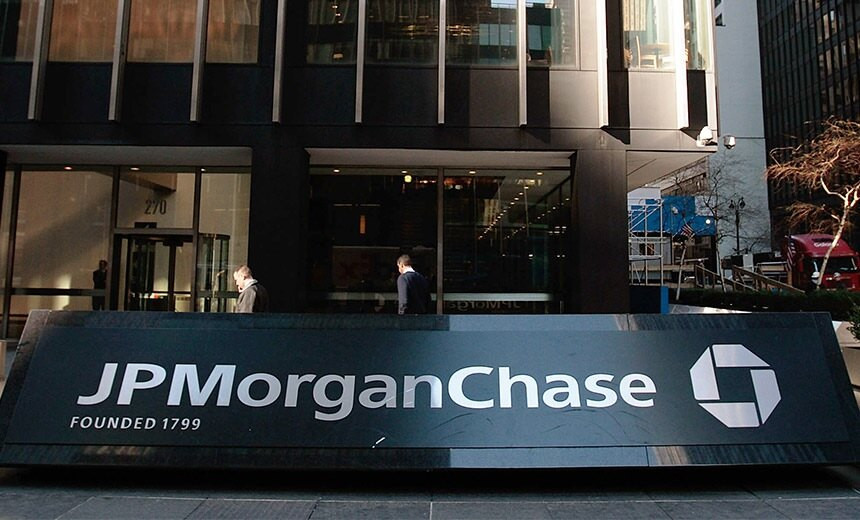
Effective crisis communication, demonstrated leadership (epitomized by figures like Jamie Dimon), and a clear commitment to learning from mistakes are crucial. The brand’s ability to absorb significant financial penalties without collapsing, to overhaul internal controls, and to communicate its commitment to ethical conduct helps mitigate long-term damage. These instances, while painful, ultimately contribute to the brand narrative of a powerful institution that, despite its immense scale, is capable of self-correction and continued evolution. It reinforces the idea that while it may stumble, it will ultimately recover, maintaining its foundational strength and enduring position.
Innovation, Technology, and the Modern Brand Narrative
While rooted in tradition, J.P. Morgan Chase is acutely aware that a powerful brand in the 21st century must also be a forward-looking one. Its brand narrative increasingly incorporates themes of innovation and technological leadership.
Embracing Digital Transformation: Beyond Traditional Banking
For a brand built on brick-and-mortar branches and face-to-face relationships, the digital revolution presented both a threat and an opportunity. J.P. Morgan Chase has aggressively embraced digital transformation, investing billions in technology to enhance customer experience, improve operational efficiency, and develop new financial products. This includes everything from advanced mobile banking apps and AI-driven customer service to sophisticated blockchain initiatives and fintech partnerships.
By positioning itself as a leader in financial technology, J.P. Morgan Chase aims to attract and retain a new generation of customers who expect seamless digital interactions. This technological pivot is not just about functionality; it’s a deliberate brand statement. It communicates that while the institution respects its heritage, it is not beholden to outdated practices. It is a modern, agile, and technologically adept financial partner, capable of competing with pure-play fintechs while offering the security and comprehensive services of a global bank. This blend of established trust with cutting-edge innovation strengthens its brand appeal across diverse demographics.
Talent and Culture: The Internal Brand Ambassadors
The “why” of J.P. Morgan Chase is also deeply intertwined with its people and its organizational culture. A powerful brand isn’t just about external perception; it’s about the internal alignment and commitment of its employees. J.P. Morgan Chase invests heavily in attracting top talent, offering competitive compensation, and fostering a culture of excellence, collaboration, and continuous learning.
Its brand as an employer is critical. By positioning itself as a premier employer in finance, it ensures a pipeline of skilled professionals who will uphold its standards and embody its values. Employees act as brand ambassadors, and their dedication, expertise, and professionalism directly contribute to how clients and the public perceive the institution. Programs for diversity, equity, and inclusion, along with initiatives for employee development and well-being, all feed into an internal brand narrative that promises opportunity and impact, further reinforcing its external image as a leading, responsible corporate entity.
Societal Impact and Brand Stewardship
In an era where consumers and investors increasingly demand that corporations play a positive role in society, J.P. Morgan Chase’s brand strategy extends beyond pure financial metrics to encompass broader societal impact.
Corporate Social Responsibility: Building a Purpose-Driven Brand
J.P. Morgan Chase dedicates significant resources to corporate social responsibility (CSR) initiatives. This includes philanthropic endeavors, community development investments, and sustainability efforts. From funding affordable housing projects to investing in small businesses in underserved communities, and setting ambitious climate action targets, these actions are not just altruistic; they are strategic brand investments.
By demonstrating a commitment to addressing pressing societal challenges, J.P. Morgan Chase aims to build a more purpose-driven brand. This resonates with socially conscious stakeholders, enhances its reputation as a responsible corporate citizen, and helps to counterbalance any negative perceptions associated with large financial institutions. It’s about creating a holistic brand image that transcends pure profit, aligning its values with those of a broader society. This approach helps answer “why” by showing that the brand stands for more than just money – it stands for progress and positive change, even if its primary business remains finance.
Regulatory Scrutiny and Ethical Branding
Operating on a global scale, J.P. Morgan Chase is subject to intense regulatory scrutiny. Adherence to complex legal and ethical frameworks is not just a compliance issue; it’s a fundamental aspect of ethical branding. The brand’s ability to navigate this intricate web of regulations, to uphold standards of integrity, and to avoid major ethical lapses (or to swiftly address them when they occur) is crucial for maintaining its license to operate and, more importantly, its reputation.
Ethical branding means more than just avoiding fines; it means fostering a culture of integrity from the top down. It means transparently communicating its efforts to combat financial crime, protect customer data, and adhere to global best practices. This commitment to ethical conduct reinforces the brand’s position as a trustworthy and responsible financial steward, a critical differentiator in a crowded and often scrutinized industry.
The Enduring “Why”: A Synthesis of Strategy, Trust, and Vision
Ultimately, the answer to “Why J.P. Morgan Chase?” lies in a masterful synthesis of historical legacy, strategic ambition, and unwavering dedication to brand excellence. It is a brand that has proven its ability to evolve, adapt, and lead through every significant financial epoch.
Its brand power stems from:
-
Strategic Aggregation: The deliberate fusion of powerful individual brands into a comprehensive global entity.
-
Unshakeable Trust: A cultivated and fiercely protected reputation for stability, reliability, and ethical conduct.
-
Dynamic Adaptation: The capacity to embrace technological innovation and societal shifts while retaining its core identity.
-
Holistic Stewardship: A commitment to both financial performance and broader societal impact, managed through a dual-brand approach that caters to diverse segments.

The Future of a Financial Institution Brand
Looking ahead, the “why” of J.P. Morgan Chase will continue to be shaped by its response to emerging challenges: climate change, digital currencies, geopolitical shifts, and the evolving expectations of customers and employees. Its brand will remain a beacon of financial power, but its continued relevance will depend on its ability to project not just strength and tradition, but also agility, purpose, and a forward-thinking vision.
The story of J.P. Morgan Chase is a compelling case study in brand endurance. It is a testament to the fact that a truly powerful brand is not just a logo or a slogan; it is a living entity, constantly evolving, relentlessly managed, and deeply embedded in the economic and social fabric of the world. It is a brand that, through its history and its ongoing actions, consistently answers the question of “why” with a resounding declaration of its indispensable role in global finance.
aViewFromTheCave is a participant in the Amazon Services LLC Associates Program, an affiliate advertising program designed to provide a means for sites to earn advertising fees by advertising and linking to Amazon.com. Amazon, the Amazon logo, AmazonSupply, and the AmazonSupply logo are trademarks of Amazon.com, Inc. or its affiliates. As an Amazon Associate we earn affiliate commissions from qualifying purchases.