
In an increasingly digital world, the humble paper check might seem like a relic, yet it remains a fundamental tool in both personal and business finance. From paying rent to receiving payments, understanding the components of a check is not just about historical curiosity—it’s about financial literacy and security. At the heart of every check lies a crucial piece of information: your bank account number. This unique identifier is the key to managing your funds, facilitating transactions, and connecting you to the broader financial system.
This guide delves into the anatomy of a check, pinpointing the exact location of your account number, explaining its significance, and outlining best practices for safeguarding this vital piece of financial data. Whether you’re a seasoned professional handling business accounts or an individual navigating personal finances, a clear understanding of your bank account number on a check is an indispensable asset for secure and effective money management.
Decoding the Anatomy of a Check: The MICR Line
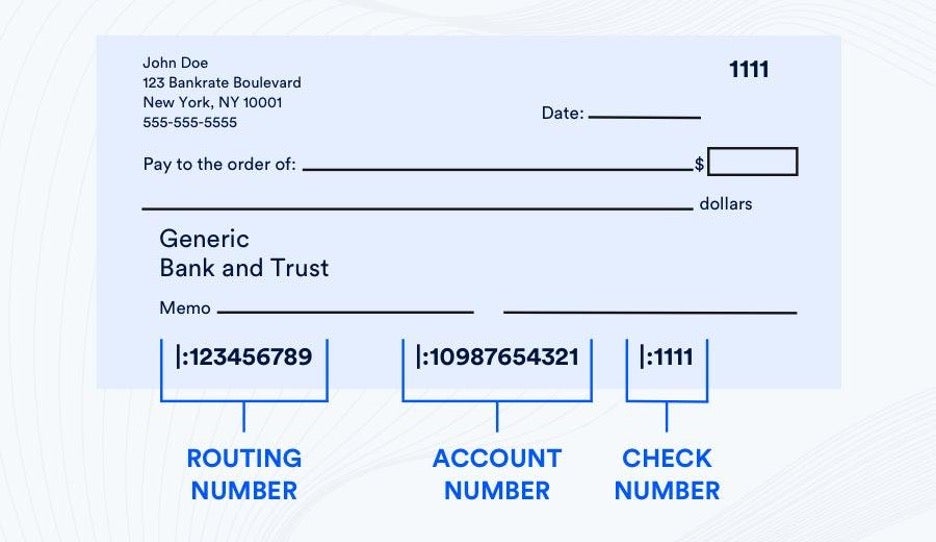
Every check, regardless of its design or the bank that issued it, contains standard elements that make it a universally recognized financial instrument. The most critical information is concentrated in a special series of numbers along the bottom of the check, printed in a distinctive font. This is known as the Magnetic Ink Character Recognition (MICR) line.
The Magnetic Ink Character Recognition (MICR) Line Explained
The MICR line is not just a random string of numbers; it’s a precisely engineered system designed for rapid and accurate processing by automated machines. The characters are printed with magnetic ink, allowing them to be read even if obscured by stamps or handwriting, making check processing remarkably efficient. This line contains three primary pieces of information, presented in a specific order: the routing number, the account number, and the check number.
The Routing Number: Your Bank’s Digital Address
The first set of numbers on the left of the MICR line is typically the routing number (also known as the ABA routing transit number). This 9-digit code acts as a digital address for your financial institution. It tells banks and other financial entities exactly which bank holds the account. When you make a direct deposit, set up an automatic bill payment, or initiate a wire transfer, the routing number ensures that the transaction reaches the correct bank. Each bank has a unique routing number, and sometimes different branches or types of accounts within the same bank might have slightly different ones. It’s a foundational element for interbank communication and transaction processing.
The Account Number: Your Unique Identifier
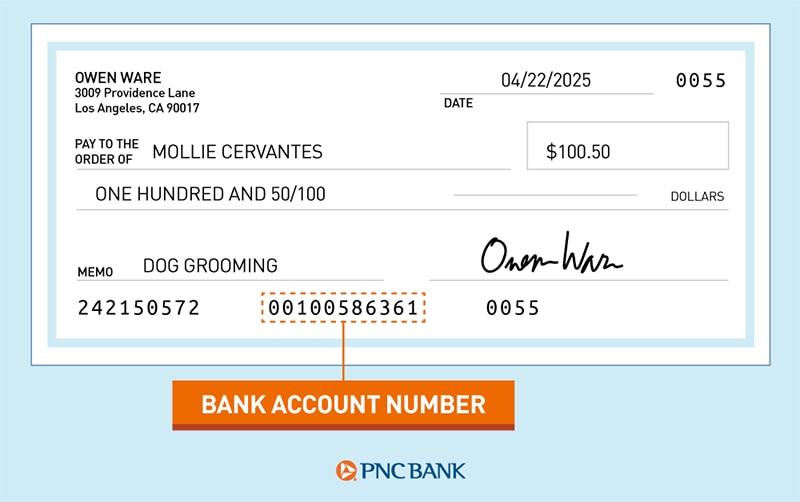
Immediately following the routing number, and often separated by a special symbol, is your bank account number. This is the core identifier for your specific account within your bank. It’s what differentiates your checking account from every other checking or savings account held by your financial institution. The length of an account number can vary significantly from bank to bank, typically ranging from 10 to 12 digits, but sometimes fewer or more.
For instance, on a standard check, you might see the routing number, then your account number, followed by the check number. It’s crucial to correctly identify this segment, as entering the wrong account number can lead to failed transactions, delays, or, in worst-case scenarios, funds being misdirected. When providing your account number for direct deposit, electronic payments, or linking financial accounts, this is the sequence you’ll need. Always double-check to ensure accuracy.
The Check Number: For Your Records
The last set of numbers on the right side of the MICR line is the check number. This number typically matches the larger, sequential number printed in the upper right-hand corner of the check. It serves primarily as a tracking mechanism for both you and your bank. By keeping a record of the checks you’ve written by their check number, you can easily reconcile your bank statements, track expenditures, and identify any discrepancies. While less critical for transaction routing than the routing or account number, it’s essential for personal financial organization and fraud detection.
Why Your Account Number Matters Beyond the Check
While physically locating your account number on a check is the starting point, its utility extends far beyond traditional paper transactions. In today’s interconnected financial ecosystem, your bank account number is a critical piece of information required for a myriad of essential financial activities, making it a cornerstone of both personal and business finance.
Facilitating Direct Deposits and Payments
One of the most common and convenient uses for your bank account number is setting up direct deposits. Whether it’s your salary, government benefits, tax refunds, or vendor payments, providing your account and routing numbers enables funds to be transferred directly into your account, eliminating the need for physical checks and speeding up access to your money. Similarly, many businesses and individuals use account numbers to initiate direct payments to vendors, employees, or service providers, streamlining the payment process and reducing administrative overhead. This system, often powered by the Automated Clearing House (ACH) network, forms the backbone of modern electronic funds transfer.
Setting Up Automatic Transfers and Bill Pay
Your account number is indispensable for establishing recurring financial arrangements. Want to automatically transfer funds from your checking to your savings account each month? You’ll need your account number. Setting up automatic bill payments for utilities, loan installments, or subscriptions often requires providing your account and routing numbers to the service provider, ensuring timely payments and avoiding late fees. This automation not only saves time but also helps in consistent budgeting and financial planning, allowing you to manage your cash flow more effectively without constant manual intervention.

Interfacing with Financial Apps and Services
The proliferation of financial technology (FinTech) has made your bank account number more relevant than ever. Linking your bank account to budgeting apps, investment platforms, peer-to-peer (P2P) payment services, or online marketplaces typically involves providing your account and routing numbers. These connections enable seamless transfers, investment funding, and payment processing, integrating your bank account into a broader digital financial experience. While many apps now use more secure tokenization methods after the initial link, the account number remains the foundational piece of information for establishing that initial connection and validating your identity with your financial institution.
Safeguarding Your Account Number: Best Practices for Financial Security
The critical role your bank account number plays in your financial life underscores the immense importance of protecting it. Like any sensitive personal information, its exposure can lead to serious consequences, ranging from minor inconveniences to significant financial fraud. Practicing diligent security measures is paramount.
The Risks of Exposure
When your bank account number falls into the wrong hands, you become vulnerable to various forms of financial crime. Identity theft is a major concern, as fraudsters can combine your account number with other stolen personal details to impersonate you and open new accounts or apply for credit. More directly, an exposed account number can be used to initiate unauthorized withdrawals or electronic fund transfers from your account. Scammers can create counterfeit checks, set up fraudulent direct debits, or even attempt to enroll you in unwanted services by pretending to be you. The financial and emotional toll of dealing with fraud can be substantial, making prevention a top priority.
Secure Handling of Physical Checks
Even in the digital age, physical checks require careful handling.
-
Storage: Keep blank checks in a secure, locked location, ideally a safe or a locked drawer, to prevent theft. Avoid leaving them exposed in your car or unsecured in your home.
-
Writing Checks: Use a pen with permanent ink to prevent alteration. Fill in all fields, including the amount in both numbers and words, and the payee’s name, leaving no blank spaces for fraudsters to add information.
-
Mailing Checks: Be cautious when mailing checks, especially for significant amounts. Use secure mailboxes or deliver them directly to the recipient if possible. Avoid leaving outgoing mail in unsecured home mailboxes, where it can be easily stolen.
-
Disposing of Checks: Never simply toss old or voided checks in the trash. Shred them thoroughly, ensuring that the account number, routing number, and signature are completely illegible. This applies to deposit slips and any other documents containing your account information.
Digital Security Measures
Protecting your account number extends to the digital realm, where many transactions now occur.
-
Secure Websites: Only enter your account number on websites that are secure (look for “https://” in the URL and a padlock icon). Be wary of phishing emails or suspicious links that ask for your banking details.
-
Strong Passwords and Two-Factor Authentication (2FA): Use unique, complex passwords for all your online banking and financial accounts. Enable 2FA whenever possible, as it adds an extra layer of security by requiring a second verification method, such as a code sent to your phone.
-
Public Wi-Fi: Avoid accessing your banking accounts or entering sensitive financial information when connected to unsecured public Wi-Fi networks. These networks can be vulnerable to snooping.
-
Software Updates: Keep your operating system, web browser, and antivirus software up to date. These updates often include critical security patches that protect against new vulnerabilities.
-
Regular Monitoring: Regularly review your bank statements and transaction history for any unauthorized activity. Set up account alerts for large transactions or unusual account access.
What to Do if Compromised
If you suspect your bank account number has been compromised, act immediately:
-
Contact Your Bank: Notify your bank or credit union as soon as possible. They can monitor your account for fraudulent activity, place holds, or even close the compromised account and open a new one.
-
Change Passwords: Update passwords for your online banking and other linked financial accounts.
-
Review Transactions: Scrutinize your bank statements for any unfamiliar transactions and report them to your bank.
-
File a Police Report: For significant fraud, consider filing a report with local law enforcement.
-
Monitor Your Credit: Place a fraud alert on your credit report with the three major credit bureaus (Equifax, Experian, and TransUnion) to prevent identity thieves from opening new accounts in your name.
Alternatives to Checks and the Evolving Financial Landscape
While the bank account number remains a crucial identifier, the methods of transferring funds and making payments are continually evolving. Understanding these alternatives provides context for the persistent relevance of your account number while highlighting new avenues for financial management.
Digital Payment Methods
The shift towards digital payments has introduced numerous alternatives that often reduce the direct handling of account numbers once initial setup is complete:
-
ACH Transfers: The Automated Clearing House network facilitates electronic transfers between banks, including direct deposits, direct debits, and online bill payments. While still requiring account and routing numbers for setup, the transactions themselves are digital.
-
Wire Transfers: For larger, time-sensitive, or international transactions, wire transfers move money directly from one bank to another, typically requiring the recipient’s bank account number and routing/SWIFT code.
-
Online Bill Pay: Most banks offer online bill pay services that allow you to schedule and send payments directly from your checking account to various payees, often without needing to share your account number directly with each biller.
-
Peer-to-Peer (P2P) Apps: Services like Venmo, PayPal, and Zelle allow instant money transfers using email addresses or phone numbers, abstracting the need to directly exchange bank account numbers for casual transfers.
-
Credit and Debit Cards: These ubiquitous payment methods use card numbers, expiration dates, and security codes rather than bank account numbers for point-of-sale and online transactions.
The Future of Account Number Verification
As technology advances, the way we verify and secure financial information is also changing. The underlying bank account number, however, remains the ultimate destination for funds. Future trends include:
-
Tokenization: Instead of transmitting raw account numbers, many systems now use “tokens”—unique, randomly generated numbers that act as a substitute for sensitive data. If a token is compromised, it cannot be reverse-engineered to reveal the actual account number.
-
Biometrics: Fingerprint scans, facial recognition, and iris scans are increasingly being used to authenticate users accessing financial accounts, adding an extra layer of security that relies on unique biological traits rather than easily stolen numbers.
-
Enhanced Digital Security Protocols: Continuous development in encryption, secure coding practices, and fraud detection algorithms aims to make online financial transactions even safer, protecting account numbers and other sensitive data during transmission and storage.
Conclusion
The bank account number, prominently displayed on the MICR line of your checks, is more than just a sequence of digits; it is the unique identifier that anchors your financial existence to your bank. Understanding its location, its function in conjunction with the routing number, and its vital role in everything from direct deposits to modern digital payments is a fundamental aspect of financial literacy.
As the financial landscape evolves, with new technologies and payment methods emerging, the core principle of protecting this essential piece of information remains constant. By adopting secure practices—whether handling physical checks or navigating online financial platforms—you empower yourself to manage your money effectively, mitigate risks, and safeguard your financial well-being. The knowledge of “where bank account number on check” is, therefore, not just a detail, but a foundational pillar of financial independence and security in both traditional and digital economies.
aViewFromTheCave is a participant in the Amazon Services LLC Associates Program, an affiliate advertising program designed to provide a means for sites to earn advertising fees by advertising and linking to Amazon.com. Amazon, the Amazon logo, AmazonSupply, and the AmazonSupply logo are trademarks of Amazon.com, Inc. or its affiliates. As an Amazon Associate we earn affiliate commissions from qualifying purchases.