
In the intricate world of personal finance, certain numbers serve as the bedrock for the seamless movement of money. Among these, the checking routing number stands out as a fundamental identifier, a silent workhorse facilitating everything from direct deposits to bill payments. For anyone navigating the complexities of their financial life, understanding what a routing number is, where to find it, and its multifaceted applications is not merely helpful—it’s essential for smart money management and financial security. This article delves deep into the checking routing number, demystifying its role and empowering you with the knowledge to manage your finances with confidence.

Understanding the Foundation of Financial Transactions
At its core, a checking routing number is a nine-digit code that identifies the financial institution holding your account. It’s akin to a bank’s address on the vast financial superhighway, ensuring that funds sent to or from your account arrive at the correct destination. Without this unique identifier, the modern banking system, reliant on speed and accuracy, would grind to a halt.
Definition and Purpose
A routing number, officially known as an ABA (American Bankers Association) routing transit number (RTN), was first established in 1910 by the American Bankers Association. Its primary purpose is to identify the specific financial institution participating in a transaction. When you initiate a payment, receive a direct deposit, or transfer funds, the routing number acts as a crucial directional signal, telling the Automated Clearing House (ACH) network or the Federal Reserve where the money needs to go. It ensures that funds are debited from the correct bank and credited to the correct bank, even before your individual account number comes into play to pinpoint your specific account.
How Routing Numbers Facilitate Money Movement
Imagine millions of financial transactions occurring every second. Without a standardized system to route these transactions, chaos would ensue. Routing numbers are the backbone of this system, enabling the efficient processing of:
-
Electronic Funds Transfers (EFTs): This encompasses a wide range of digital transactions, from online bill payments to peer-to-peer transfers.
-
Direct Deposits: Your paycheck, tax refund, or government benefits rely on your routing number to ensure they land directly in your bank account.
-
Automated Clearing House (ACH) Transactions: The ACH network processes a massive volume of electronic transactions, including direct deposits, direct debits (like recurring bill payments), and electronic checks. The routing number is central to every single one.
-
Wire Transfers: While often requiring additional information, domestic wire transfers also utilize routing numbers to identify the sending and receiving banks.
The routing number acts as the first filter, directing the transaction to the correct bank. Once the transaction reaches the identified bank, your individual account number then directs it to your specific checking or savings account.
The Anatomy of a Routing Number (ABA Transit Number)
Every nine-digit routing number is structured to convey specific information. While the exact meaning of each digit isn’t always publicly dissected, the structure broadly includes:
-
First four digits: Identify the Federal Reserve processing center region.
-
Next four digits: Identify the specific financial institution.
-
Last digit: A checksum digit used to validate the routing number, preventing errors and ensuring accuracy.
This methodical structure minimizes the chances of misdirected funds, providing a layer of security and efficiency in financial operations. It’s important to note that a single bank can have multiple routing numbers, especially larger institutions with different branches, geographic regions, or for specific types of transactions (e.g., one for ACH, another for wire transfers). Therefore, always verify you are using the correct routing number for the specific transaction and account.
Where to Find Your Routing Number
Knowing what a routing number is is one thing; knowing where to find your routing number is another. Fortunately, financial institutions make this information readily accessible through several convenient channels. Always double-check the routing number, especially if you have multiple accounts or if your bank has merged or changed its name, as routing numbers can occasionally change.
On Your Checks
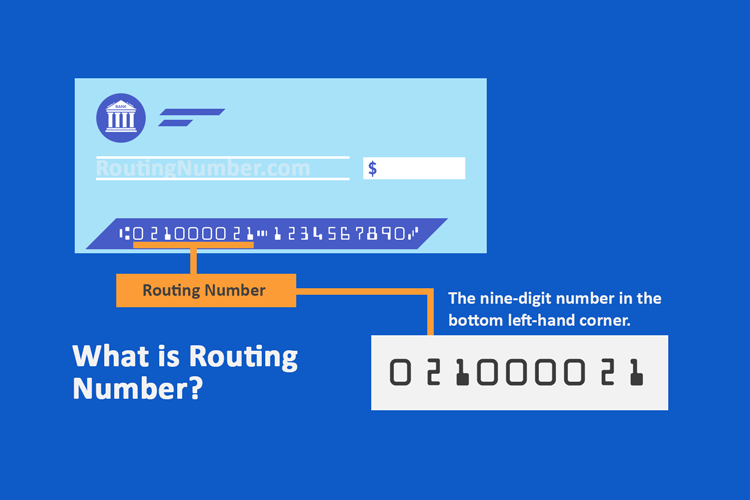
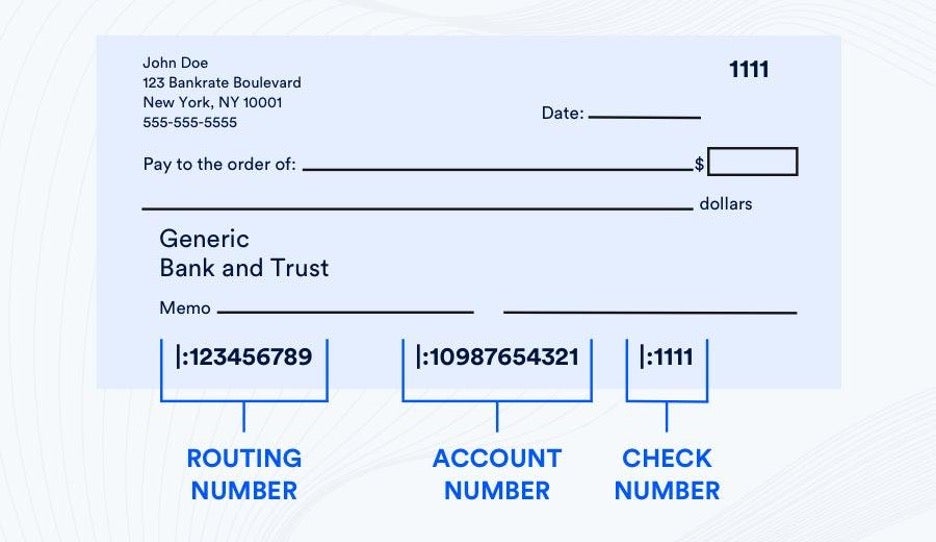
The most traditional and perhaps most common place to find your checking routing number is directly on your paper checks. Look at the bottom left-hand corner of your check. You’ll typically see three sets of numbers, printed in magnetic ink characters (MICR):
-
Routing Number: This is the first set of nine digits on the far left.
-
Account Number: The middle set of numbers, which identifies your specific account at the bank.
-
Check Number: The last set of numbers, identifying that specific check.
Ensure you’re distinguishing between the routing number and your account number. Mistaking one for the other can lead to failed transactions or, worse, funds being sent to the wrong place.
Through Online Banking
In today’s digital age, online banking portals and mobile apps are invaluable resources for managing your finances, and finding your routing number is no exception. Most banks prominently display this information within your account details.
-
Log In: Access your online banking account or mobile app.
-
Navigate to Account Details: Look for sections like “Account Summary,” “Account Information,” “Direct Deposit Information,” or “Statements.”
-
Specific Account Selection: If you have multiple accounts (checking, savings, money market), select the specific checking account for which you need the routing number.
-
Routing Number Display: The routing number for that account will usually be listed alongside your account number. Some banks might have a dedicated “Direct Deposit Form” or “Wire Transfer Instructions” section where this information is provided.
This method is quick, secure, and ensures you’re getting the most up-to-date information directly from your bank.
Contacting Your Bank Directly
If you prefer a more personal touch or can’t find the information online, contacting your bank directly is always an option.
-
Call Customer Service: Most banks have a dedicated customer service line. Be prepared to verify your identity with personal information (e.g., account number, date of birth, mother’s maiden name) to ensure security.
-
Visit a Local Branch: If you have a branch nearby, a teller or customer service representative can provide you with the correct routing number for your account. This is particularly useful for complex transactions like international wire transfers, where specific routing instructions might vary.
When contacting your bank, clearly state that you need the routing number for your checking account and specify the purpose (e.g., for direct deposit, for an ACH transfer) if you know it, as some banks have different routing numbers for different types of transactions or geographic locations.
Using Bank Websites/Apps
Even without logging into your personal account, many bank websites offer a public-facing way to find their routing numbers. This is especially useful if you’re looking for a routing number for a bank you don’t personally bank with (e.g., if someone needs to send you money and they’re asking for your bank’s general routing info, though typically they’d ask for your specific one).
-
General Information Pages: Look for sections like “Contact Us,” “FAQs,” “Help,” or “About Us.”
-
Search Function: Use the website’s search bar to look for “routing number,” “direct deposit,” or “wire transfer.”
However, exercise caution. While public-facing routing numbers are generally accurate, always double-check with one of the other methods or directly with your bank if you’re unsure, especially for critical transactions.
Key Uses and Importance of Your Routing Number
The routing number is not just a mere identification code; it’s a critical component in almost every electronic financial transaction you undertake. Its importance cannot be overstated in ensuring the smooth and secure flow of your money.
Direct Deposit and Automated Clearing House (ACH) Transactions
This is arguably the most common and vital use of a routing number. Whether it’s your employer sending your bi-weekly paycheck, the government issuing a tax refund, or receiving benefits, direct deposit relies entirely on your routing number to accurately route the funds to your bank. Similarly, most recurring payments you set up, like utilities, loan payments, or subscriptions, are processed via the ACH network, where your routing number is essential for the originating company to debit funds from your account. Without the correct routing number, these critical regular payments and incoming funds would simply not be possible.
Bill Payments and Recurring Transfers
Many individuals opt for automated bill payments directly from their bank accounts rather than using debit/credit cards. This often involves providing your bank’s routing number and your account number to the biller. This method leverages the ACH network, ensuring that your mortgage, car loan, insurance premiums, or utility bills are paid on time, directly from your checking account. Setting up recurring transfers between your own accounts at different banks, or to another person’s account at a different bank, also utilizes routing numbers to identify the sending and receiving institutions.
Wire Transfers (Domestic vs. International)
For faster, often larger-value transfers, wire transfers are used.
-
Domestic Wire Transfers: For transfers within the United States, your bank’s routing number is a mandatory piece of information. Banks use this to identify the recipient bank quickly and securely.
-
International Wire Transfers: While some U.S. banks may use their standard routing number for certain international transfers, more often, international wires require a SWIFT/BIC (Society for Worldwide Interbank Financial Telecommunication / Bank Identifier Code) code instead of or in addition to a routing number. SWIFT codes are global identifiers, whereas routing numbers are specific to the U.S. banking system. It’s crucial to confirm with your bank the specific codes required for any international transfer to avoid delays or complications.
Tax Refunds and Government Payments
When you file your taxes and opt for a direct deposit of your refund, the IRS requires your checking routing number along with your account number. The same applies to various government benefit programs, such as Social Security or unemployment benefits. Providing accurate banking details ensures that these crucial funds are deposited promptly and correctly into your account, avoiding paper checks that can be delayed or lost.
Setting Up Payment Apps and Digital Wallets
Many modern financial tools and apps, such as Venmo, PayPal, Cash App, and various digital wallets, allow you to link your bank account directly for funding or withdrawing money. When you set these up, you will often be prompted to enter your bank’s routing number and your account number. This connection enables seamless transfers between your bank and these digital platforms, expanding your ability to manage and move your money in the digital economy.
Distinguishing Routing Numbers from Other Financial Identifiers
In the realm of personal finance, several numbers are crucial, and it’s easy to confuse them. Understanding the distinct role of each ensures accuracy and security in your financial transactions.
Routing Number vs. Account Number
This is perhaps the most common point of confusion.
-
Routing Number (9 digits): Identifies your bank or financial institution. It tells where the money should go institution-wise.
-
Account Number (variable digits, typically 10-12): Identifies your specific account at that bank. It tells where the money should go within that institution.
Think of it like an address: the routing number is the street address (the bank), and the account number is the apartment number within that building (your specific account). Both are absolutely necessary for an electronic transaction to be completed successfully. Providing only one or the wrong one will result in a failed transaction.
Routing Number vs. SWIFT/BIC Code (International Context)
As touched upon earlier, these two identifiers serve similar purposes but operate on different scales.
-
Routing Number: Primarily used for domestic transactions within the United States.
-
SWIFT/BIC Code: Used for international wire transfers to identify banks globally.
If you are sending or receiving money internationally, you will almost certainly need a SWIFT/BIC code, which is typically 8 or 11 characters long and alphanumeric. Do not use your U.S. routing number for international wire transfers unless specifically instructed by your bank, as it will likely result in a failed transaction and potential fees.
Routing Number vs. Debit Card Number
A debit card number is another identifier that is frequently used but for a very different purpose.
-
Debit Card Number (16 digits): Identifies your debit card and is used for point-of-sale purchases, online transactions, and ATM withdrawals. It is linked to your bank account but is a distinct identifier.
-
Routing Number: Identifies your bank for electronic transfers directly to or from your bank account, bypassing the card network.
Never provide your debit card number when a routing number is requested, and vice-versa. They are designed for different types of transactions and carry different security implications. A debit card number, along with its expiration date and CVV, can be used for immediate purchases, whereas a routing number and account number facilitate direct bank-to-bank transfers.
Protecting Your Financial Information: Security Best Practices
While your routing number is generally considered less sensitive than your full debit card details or online banking login credentials, it’s still a piece of your financial puzzle. Understanding when and how to share it, and recognizing potential threats, is crucial for safeguarding your money.
When it’s Safe to Share Your Routing Number
It is generally safe to share your routing number and account number with entities you trust for specific purposes, such as:
-
Your Employer: For direct deposit of your paycheck.
-
Government Agencies: For tax refunds or benefits.
-
Reputable Billers: For setting up recurring bill payments (e.g., utility companies, loan servicers).
-
Trusted Payment Apps/Services: To link your bank account for transfers (e.g., PayPal, Venmo, financial aggregators).
-
Family/Friends: If they need to send money directly to your account.
In these legitimate contexts, the routing number is a functional necessity for the transaction to occur. Always ensure you are on a secure website or speaking with an authorized representative when providing this information.
Recognizing Potential Scams
While less common than scams targeting credit card numbers, schemes involving routing and account numbers do exist. Be wary of:
-
Unsolicited Requests: Never provide your routing number, account number, or other sensitive financial information to unknown individuals or organizations who contact you unexpectedly via email, phone, or text, claiming to be your bank, a government agency, or offering prize money.
-
Phishing Attempts: Look out for emails or messages that appear to be from your bank but ask for account details or direct you to suspicious links. Always verify the sender’s authenticity.
-
Promises of “Too Good to Be True” Deals: Scammers might ask for your banking details to deposit “winnings” or “advances” that never materialize, only to then use your information for fraudulent transactions.
-
Check Scams: Be cautious of individuals who overpay you with a check and ask you to wire back the difference, especially if the check clears quickly but later bounces. This could expose your banking details to a fraudster.
Always err on the side of caution. If something feels off, it likely is.
Steps to Take if Compromised
If you suspect your routing number and account number have been compromised or used fraudulently:
-
Contact Your Bank Immediately: Report the suspicious activity or unauthorized transactions to your bank’s fraud department. They can guide you through the next steps, which may include closing the compromised account and opening a new one.
-
Monitor Your Accounts: Regularly review your bank statements and online banking activity for any unauthorized debits or credits.
-
Change Passwords: If you suspect your online banking credentials might also be compromised, change your passwords for all financial accounts.
-
File a Police Report: For significant fraud, consider filing a report with local law enforcement.
-
Report to Authorities: You can also report financial fraud to relevant authorities like the Federal Trade Commission (FTC).
While a routing number alone cannot completely empty your bank account, combined with your account number, it can facilitate unauthorized ACH debits. Prompt action is key to minimizing potential financial losses.
Conclusion
The checking routing number is a silent but powerful force in modern personal finance. It’s the essential navigation tool that ensures your money goes where it’s supposed to, whether it’s your paycheck arriving on time, your bills being paid automatically, or funds moving between your various financial tools. By understanding what it is, knowing exactly where to find it, appreciating its diverse applications, and recognizing the importance of protecting it, you empower yourself with a fundamental piece of financial literacy. In an increasingly digital and interconnected financial world, this knowledge isn’t just convenient—it’s foundational to secure and efficient money management.
aViewFromTheCave is a participant in the Amazon Services LLC Associates Program, an affiliate advertising program designed to provide a means for sites to earn advertising fees by advertising and linking to Amazon.com. Amazon, the Amazon logo, AmazonSupply, and the AmazonSupply logo are trademarks of Amazon.com, Inc. or its affiliates. As an Amazon Associate we earn affiliate commissions from qualifying purchases.