
Embarking on a new financial journey often begins with selecting the right banking partner. For many, Chase Bank, a subsidiary of JPMorgan Chase & Co., stands out as a prominent and trusted institution offering a comprehensive suite of financial products and services. With a vast network of branches, ATMs, and a robust digital platform, Chase provides accessibility and convenience for millions of customers across the United States. Opening a bank account is a fundamental step in managing personal finances, facilitating transactions, saving for the future, and accessing various financial tools. This guide will walk you through the essential requirements, processes, and considerations involved in opening a Chase bank account, ensuring you are well-prepared to make this pivotal financial decision.

Understanding Chase Bank Accounts: Why Choose Chase?
Before diving into the specifics of opening an account, it’s beneficial to understand what makes Chase a compelling choice for your banking needs. Chase’s extensive presence and diverse offerings cater to a wide spectrum of financial requirements, from basic checking and savings to more complex investment and credit solutions.
A Legacy of Trust and Innovation
JPMorgan Chase & Co. boasts a history spanning over two centuries, evolving into one of the world’s leading financial services firms. This long-standing legacy instills confidence, as customers can rely on the institution’s stability, security, and proven track record. In the digital age, Chase has also been at the forefront of banking innovation, continually enhancing its online and mobile banking platforms to provide seamless and secure financial management tools. This blend of traditional reliability and modern convenience makes Chase an attractive option for contemporary banking.
Diverse Account Offerings
Chase offers a variety of bank accounts designed to meet different financial goals and lifestyles. Their primary offerings include:
-
Checking Accounts: These are transactional accounts designed for daily spending, bill payments, and easy access to funds. Popular options include Chase Total Checking, Chase Premier Plus Checking, and Chase Sapphire Banking, each with varying features, benefits, and fee structures.
-
Savings Accounts: Designed for accumulating funds and earning interest, Chase savings accounts often come with features like automatic transfers and tools to help you save more effectively. The Chase Savings account and higher-yield options cater to different savings objectives.
-
CDs (Certificates of Deposit): For those looking to save money for a fixed period at a guaranteed interest rate, Chase offers various CD terms.
-
Credit Cards: While not a bank account in the traditional sense, Chase is a major issuer of credit cards, which often integrate seamlessly with their banking ecosystem, offering rewards and benefits that complement your financial activities.
Understanding the specific features, minimum balance requirements, and potential fees associated with each account type is crucial for selecting the one that best aligns with your financial habits and goals.
Benefits of Banking with Chase
Beyond the account types, Chase provides several advantages:
-
Extensive Network: Access to thousands of branches and ATMs nationwide, offering convenient access to your funds and in-person assistance.
-
Robust Digital Tools: A highly-rated mobile app and online banking portal for managing accounts, paying bills, transferring money, and depositing checks remotely.
-
Customer Service: Multiple channels for support, including phone, in-branch, and online chat, ensuring help is available when needed.
-
Rewards and Perks: Many Chase products, especially their checking and credit card accounts, offer sign-up bonuses, cash back, travel rewards, and other perks that can add significant value.
Essential Requirements for Opening Your Account
Opening a bank account is a regulated process designed to protect consumers and prevent financial crime. Consequently, specific documentation and information are required by law (e.g., the USA PATRIOT Act) to verify your identity. Being prepared with these items will ensure a smooth and efficient account opening process.
Proof of Identity: Valid Government-Issued ID
The most critical requirement is a primary form of identification that verifies who you are. This must be an official document issued by a government authority and typically includes:
-
U.S. State-Issued Driver’s License or State ID Card: This is the most common and widely accepted form of identification.
-
U.S. Passport or Passport Card: Federally issued identification is universally accepted.
-
U.S. Military ID Card: For active service members or veterans.
-
Permanent Resident Card (Green Card): For non-U.S. citizens residing permanently in the U.S.
The ID must be current (not expired) and contain your photo, full name, date of birth, and signature. Chase may sometimes request a secondary form of identification, especially if there are discrepancies or if the primary ID is less common. Examples of secondary IDs could include a major credit card (with your signature), a utility bill (to confirm address), or an employee ID.
Proof of Address: Establishing Residency
To confirm your current residential address, banks typically require a document that shows your name and address. This helps in complying with financial regulations and ensures that important bank communications reach you. Acceptable documents often include:
-
Utility Bill: Such as an electricity, gas, water, or internet bill, dated within the last 60-90 days.
-
Lease Agreement or Mortgage Statement: A current lease or recent mortgage statement.
-
Bank Statement from Another Institution: A recent statement from a different bank or credit union.
-
Credit Card Statement: A recent statement from a major credit card.
-
Valid Driver’s License or State ID: If it also contains your current address and was not used as your primary ID.
Ensure the address on your chosen document matches the address you intend to register with Chase. P.O. boxes are generally not acceptable as primary residential addresses, though they can sometimes be used for mailing purposes in addition to a physical address.
Social Security Number (SSN) or Individual Taxpayer Identification Number (ITIN)
For U.S. citizens and residents, a Social Security Number (SSN) is mandatory for opening a bank account. This 9-digit number is used for tax reporting purposes and to verify your identity through credit bureaus, helping to prevent fraud.
-
For U.S. Citizens and Legal Residents: A valid SSN card is required.
-
For Non-Resident Aliens or Foreign Nationals (who do not have an SSN but have tax obligations): An Individual Taxpayer Identification Number (ITIN) can sometimes be used. However, eligibility for an ITIN to open a bank account can vary, and it’s best to confirm directly with Chase, as additional documentation may be required.
It’s crucial to provide accurate information, as this number is central to your financial identity and how the bank reports interest earnings to the IRS.
Initial Deposit Requirements
Most bank accounts, including those at Chase, require an initial deposit to activate the account. This amount can vary significantly based on the type of account you choose.
-
Checking Accounts: Minimum initial deposits for Chase checking accounts can range from $0 to $100 or more, depending on the specific product and any promotional offers.
-
Savings Accounts: Similar to checking, savings accounts may also have minimum initial deposit requirements.
-
CDs: These typically require a larger minimum deposit, often several hundred or a thousand dollars, as they are designed for longer-term savings.
You can typically make your initial deposit using cash, a check, a debit card, or by transferring funds from another bank account. Be sure to clarify the exact minimum deposit required for your chosen account to avoid delays in activation.
The Step-by-Step Process to Open an Account
Chase offers multiple convenient ways to open an account, catering to different preferences and levels of comfort with digital banking. Whether you prefer the speed of an online application or the personalized touch of an in-branch visit, the process is designed to be straightforward.
Online Application: Convenience at Your Fingertips
Opening a Chase bank account online is often the quickest and most convenient method for eligible individuals.
-
Visit the Chase Website: Navigate to Chase.com and explore their checking, savings, and other account options.
-
Select Your Account: Choose the account type that best suits your needs. Pay attention to features, fees, and any promotional offers.
-
Click “Open an Account”: You’ll be directed to an online application form.
-
Provide Personal Information: Fill in your full name, date of birth, SSN/ITIN, contact information (phone and email), and current residential address.
-
Upload/Verify Documents: In some cases, you might be asked to upload photos or scans of your ID and proof of address. Chase may also use electronic verification methods.
-
Fund Your Account: Link an external bank account, use a debit card, or initiate a wire transfer for your initial deposit.
-
Review and Submit: Carefully review all the information provided before submitting your application.
-
Confirmation: You’ll typically receive an instant confirmation or an email acknowledging your application. In some cases, further verification might be needed, which Chase will communicate.
This method is ideal for those who are comfortable with digital processes and have all their documents readily available in a digital format.

In-Branch Application: Personalized Assistance
For those who prefer face-to-face interaction, have questions, or require assistance with the application process, visiting a Chase branch is an excellent option.
-
Gather Your Documents: Bring all your required identification, proof of address, SSN card, and your initial deposit funds (cash or check).
-
Locate a Branch: Use the Chase website or app to find the nearest branch location.
-
Speak with a Banker: A Chase representative will guide you through the available account options, answer your questions, and help you complete the application form.
-
Verification: The banker will verify your identity documents and input your information into their system.
-
Sign Agreements: You will review and sign the necessary account agreements and disclosures.
-
Make Initial Deposit: You can make your initial deposit directly with the banker.
-
Account Activation: Your account may be activated immediately, and you might receive a temporary debit card on the spot. Your permanent debit card and checkbook will typically be mailed to you within a few business days.
This method offers the advantage of immediate clarification of doubts and personalized recommendations based on your financial profile.
What to Expect After Application Submission
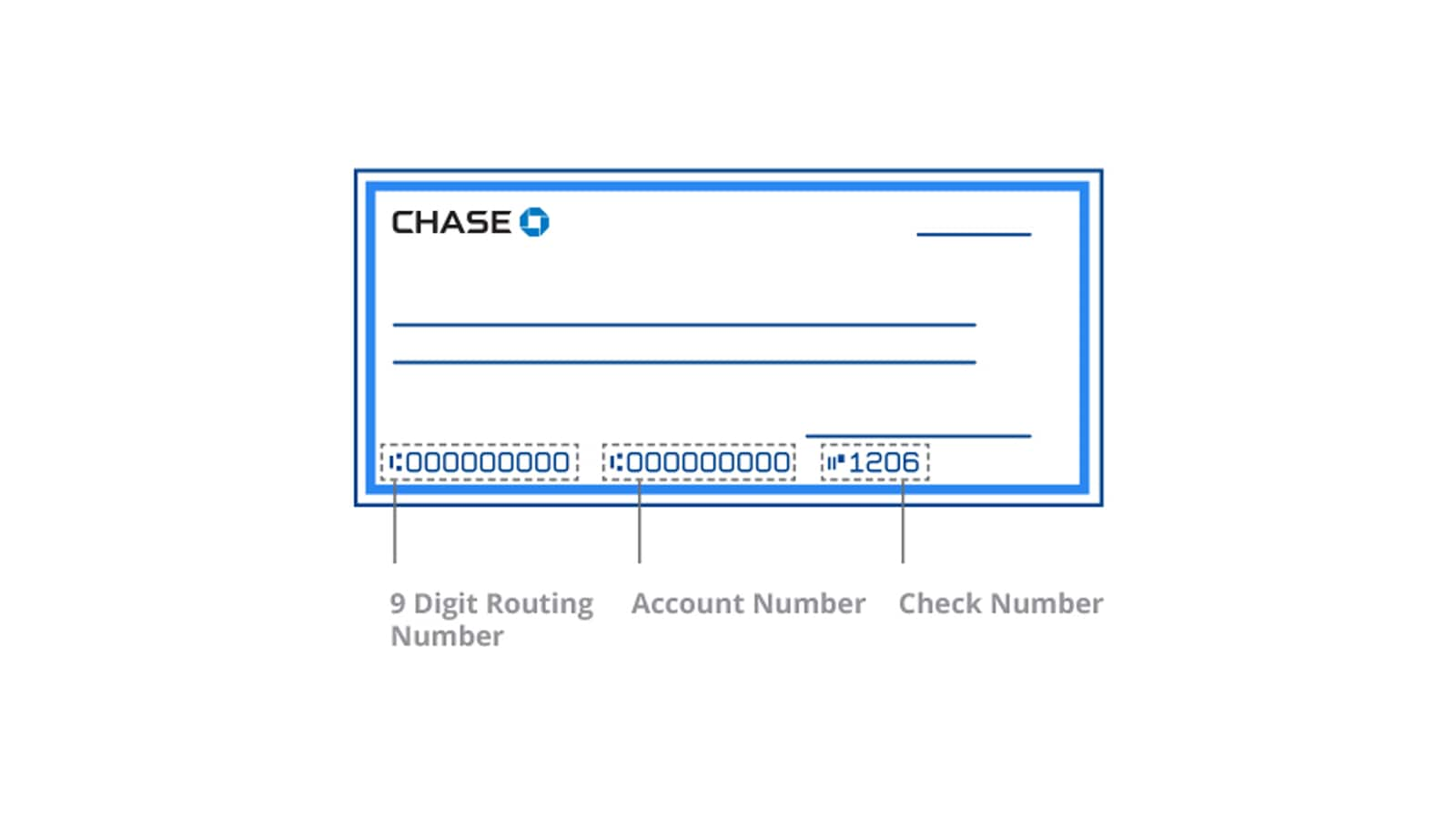
Once your application is submitted, whether online or in-branch, Chase will typically perform a soft credit inquiry (which doesn’t impact your credit score) to verify your identity and review your banking history through ChexSystems, a consumer reporting agency for deposit accounts. This helps banks assess potential risks associated with new account openings. If everything is in order, your account will be opened, and you’ll receive a welcome kit with your account number, routing number, and information on how to set up online banking. Your debit card usually arrives via mail within 5-7 business days.
Navigating Specific Scenarios and Additional Considerations
While the general requirements apply to most applicants, certain situations might require additional steps or documentation.
Opening an Account for Minors
For individuals under 18, an adult (typically a parent or legal guardian) usually needs to be a joint owner on the account.
-
Custodial Accounts: Accounts opened for minors are often set up as custodial accounts (e.g., UTMA or UGMA accounts) or joint accounts where the adult manages the funds until the minor reaches the age of majority.
-
Required Documents: Both the minor’s SSN, birth certificate, and the adult’s identification, SSN, and proof of address will be required.
Chase offers specific checking and savings options tailored for students and young adults, which can be an excellent way to teach financial responsibility early on.
Joint Accounts: Sharing Financial Responsibilities
If you plan to open an account with another individual (e.g., a spouse, partner, or family member), it will be a joint account.
-
Documentation for Both Parties: Both individuals will need to provide their full set of identification, SSN, and proof of address.
-
Shared Access and Responsibility: All account holders have equal access to funds and are jointly responsible for any overdrafts or fees.
-
Convenience: Joint accounts offer convenience for shared household expenses and financial planning.
Accounts for Non-US Citizens/Residents
Opening a Chase account as a non-U.S. citizen or non-permanent resident is possible but might involve more stringent documentation.
-
Valid Passport and Visa: A current, unexpired passport and a valid U.S. visa (if applicable, depending on residency status) are typically required.
-
Proof of U.S. Address: Establishing a physical U.S. residential address is essential.
-
ITIN or SSN: If you have an Individual Taxpayer Identification Number (ITIN) or are eligible for a Social Security Number, it will be needed.
-
Additional Documents: Depending on your visa type and length of stay, Chase may request additional documents such as an I-20 form (for students), an employment authorization document (EAD), or proof of an established U.S. presence.
It is highly recommended for non-U.S. citizens/residents to visit a Chase branch in person, as the process can be more complex and branch personnel can provide specific guidance.
Understanding Account Fees and Minimum Balances
While many Chase accounts offer ways to waive monthly service fees, it’s crucial to understand the conditions. Common waiver requirements include:
-
Maintaining a Minimum Daily Balance: Keeping a certain amount of money in the account.
-
Setting Up Direct Deposit: Regular direct deposits from your employer or government benefits.
-
Linking Other Chase Accounts: Having multiple eligible Chase products (e.g., a checking and savings account, or a Chase credit card).
-
Age-Based Waivers: For students or seniors.
Additionally, be aware of other potential fees such as ATM fees (for out-of-network ATMs), overdraft fees, wire transfer fees, and foreign transaction fees if you travel internationally. Always review the account disclosures thoroughly before opening.
Maximizing Your Chase Banking Experience
Once your Chase bank account is open, leveraging the bank’s resources and tools can significantly enhance your financial management.
Utilizing Digital Banking Tools
Chase’s mobile app and online banking portal are powerful tools for managing your money.
-
Mobile Deposits: Deposit checks simply by taking a photo with your smartphone.
-
Bill Pay: Schedule and pay bills directly from your account.
-
Transfers: Easily transfer money between your Chase accounts or to external accounts.
-
Budgeting Tools: Many online platforms offer insights into your spending habits and help with budgeting.
-
Security Features: Set up alerts for transactions, monitor your account activity, and manage your debit card settings.
Embrace these digital functionalities to stay on top of your finances efficiently and securely.
Linking Other Financial Products
Chase makes it easy to integrate your bank accounts with other financial products they offer.
-
Credit Cards: Seamlessly link your Chase credit cards to your banking profile for unified management and statement viewing.
-
Investments: If you utilize Chase’s investment services, you can often view and manage those accounts alongside your banking accounts.
-
Home and Auto Loans: Keep all your Chase financial products under one digital roof for a comprehensive financial overview.
Consolidating your financial relationships with one institution can simplify management and sometimes unlock additional benefits or preferred rates.
Customer Support and Resources
Should you encounter any issues or have questions, Chase offers multiple avenues for support.
-
In-Branch Assistance: Visit any Chase branch for personalized help.
-
Phone Support: Contact their customer service line, available extensive hours.
-
Online Chat: Use the chat feature on their website or mobile app for quick queries.
-
FAQ and Help Center: Their website hosts a comprehensive knowledge base to answer common questions.
Don’t hesitate to reach out if you need clarification on account features, transaction inquiries, or assistance with any banking task.
Conclusion
Opening a Chase bank account is a strategic financial move that can offer a wealth of benefits, from convenient daily banking to robust digital tools and a trusted brand reputation. By understanding the essential requirements – a valid government-issued ID, proof of address, your SSN or ITIN, and the necessary initial deposit – you can navigate the application process smoothly. Whether you choose the efficiency of an online application or the personalized service of an in-branch visit, preparing in advance will ensure a seamless experience. Once your account is active, take full advantage of Chase’s diverse offerings and digital capabilities to manage your money effectively and achieve your personal financial goals. With a clear understanding of the process, you’re well-equipped to embark on a secure and efficient banking relationship with Chase.
aViewFromTheCave is a participant in the Amazon Services LLC Associates Program, an affiliate advertising program designed to provide a means for sites to earn advertising fees by advertising and linking to Amazon.com. Amazon, the Amazon logo, AmazonSupply, and the AmazonSupply logo are trademarks of Amazon.com, Inc. or its affiliates. As an Amazon Associate we earn affiliate commissions from qualifying purchases.