
In the intricate world of personal finance and banking, certain fundamental pieces of information act as the bedrock upon which all transactions are built. Among these, the routing number and account number stand out as critical identifiers, enabling the seamless flow of funds across accounts and institutions. While often seen as mere strings of digits, understanding their individual roles and how they interact is essential for anyone navigating the modern financial landscape, from setting up direct deposits to paying bills online. These numbers are the invisible hands that direct your money precisely where it needs to go, ensuring accuracy, security, and efficiency in every financial movement.
The Bedrock of Financial Transactions: Understanding Routing Numbers
At the heart of the U.S. banking system lies a sophisticated network of financial institutions, each requiring a unique identifier to facilitate the transfer of funds. This is where the routing number comes into play, serving as a crucial signpost in the digital pathways of money.
What Exactly is a Routing Number?
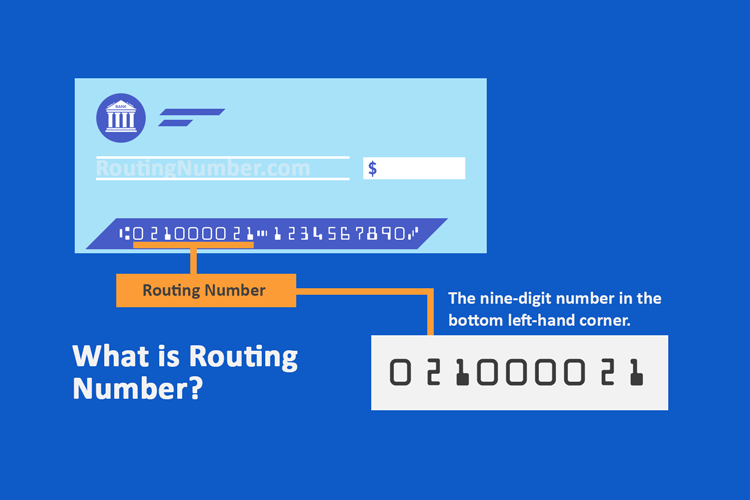
A routing number, also known as an ABA (American Bankers Association) routing transit number, is a nine-digit code that identifies the specific financial institution—be it a bank, credit union, or other financial services provider—that holds an account. Established in 1910 by the ABA to facilitate the sorting and delivery of paper checks, its purpose has evolved to become integral to electronic funds transfers (EFTs). Think of it as the postal code for your bank, directing transactions to the correct financial institution. The digits within a routing number are structured to convey specific information, though typically only the last two are commonly known to the public as identifying the particular bank.
Why Do You Need a Routing Number?
The routing number is indispensable for a vast array of financial activities, particularly those involving the electronic movement of money within the United States. Its primary function is to ensure that when money is sent, it arrives at the correct bank. Without it, transactions would be lost in a sea of institutions, unable to find their intended destination. Common scenarios where you’ll need your bank’s routing number include:
-
Direct Deposits: Whether it’s your paycheck, government benefits, or tax refunds, your employer or the paying entity needs your bank’s routing number to deposit funds directly into your account.
-
Automatic Bill Payments: Setting up recurring payments for utilities, loans, or subscriptions often requires providing your bank’s routing number to authorize withdrawals directly from your account.
-
Wire Transfers (Domestic): While wire transfers often have different routing numbers than standard ACH transfers, the principle remains the same: the routing number directs the funds to the correct receiving bank.
-
ACH Transfers: Automated Clearing House (ACH) transfers, which encompass direct deposits and debits, heavily rely on routing numbers for efficient processing.
-
Check Processing: Even in the digital age, when you write a physical check, the routing number printed at the bottom helps the bank identify where to draw the funds from.
Locating Your Routing Number
Finding your routing number is usually straightforward, as banks make this information readily accessible due to its frequent use. However, it’s crucial to note that some banks may have different routing numbers for different types of transactions (e.g., one for ACH transfers, another for wire transfers) or for different geographic regions. Always verify the correct routing number for your specific transaction type and location. Here are the most common places to find it:
-
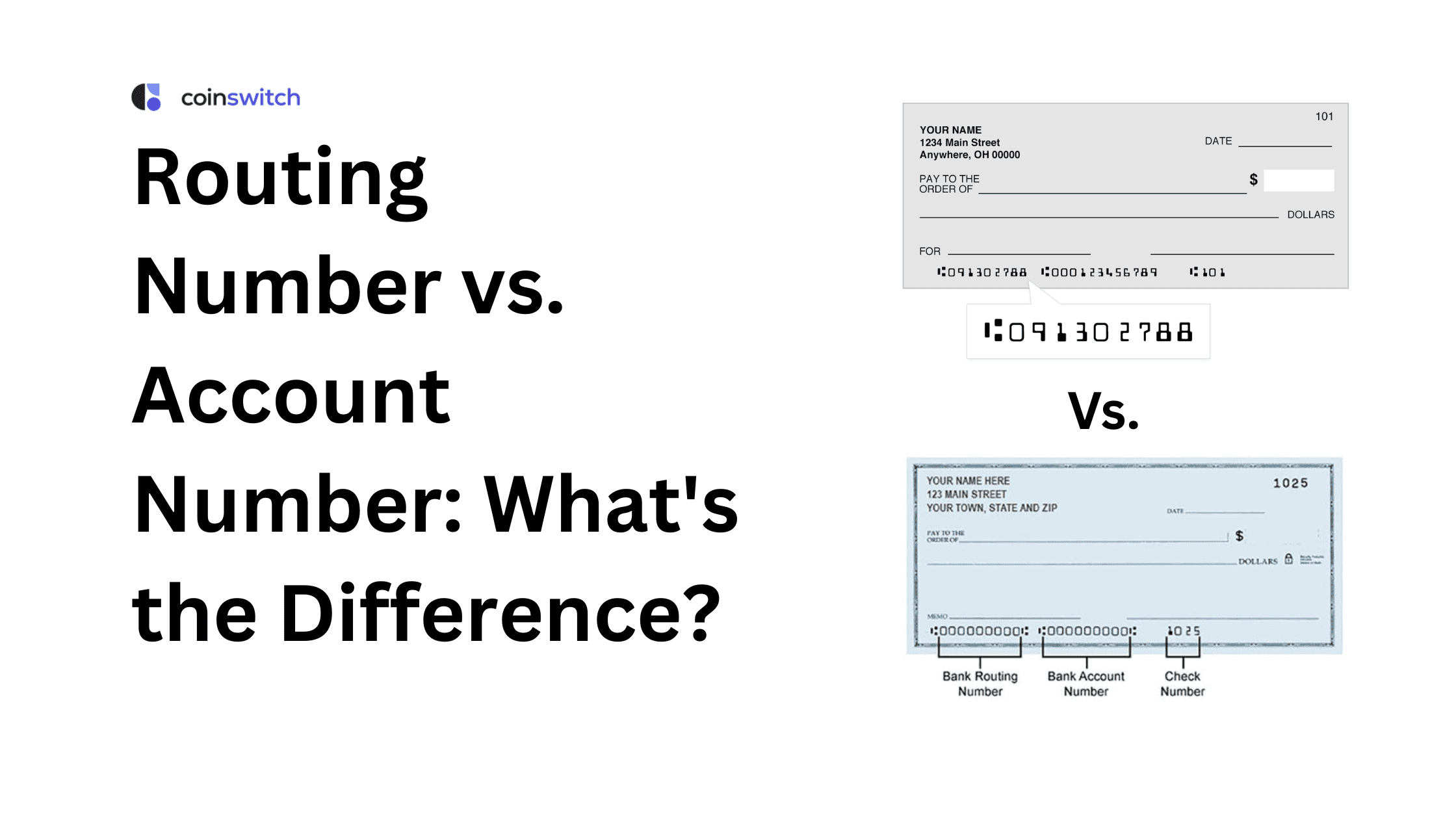
Physical Checks: On a standard check, the routing number is the first set of nine digits printed at the bottom left, typically enclosed in a special character.
-
Online Banking Portal/Mobile App: Most financial institutions display your routing number prominently within your account details section when you log into your online banking platform or mobile app.
-
Bank Statements: Your monthly or quarterly bank statements almost always include your routing number, usually near your account number and other bank information.
-
Bank’s Official Website: Banks usually have a dedicated section on their website where you can look up routing numbers, often through a search tool that allows you to specify your location or account type.
-
Contact Your Bank: If all else fails, a quick call to your bank’s customer service or a visit to a local branch will provide you with the necessary information.
Your Unique Financial Identifier: Decoding the Account Number
While the routing number points to the correct financial institution, it’s the account number that zeroes in on your specific financial holding within that institution. It acts as your personal identifier in the vast digital ledger of your bank, ensuring that funds reach your particular checking, savings, or investment account.
What is an Account Number?
An account number is a unique sequence of digits assigned by a financial institution to identify a specific customer’s account. Unlike the routing number, which identifies the bank, the account number identifies your individual account within that bank. Its length can vary significantly between institutions, typically ranging from 6 to 17 digits, though 10 to 12 digits are common for checking and savings accounts. This unique identifier ensures that every deposit, withdrawal, or transfer is correctly attributed to the intended recipient, preventing mix-ups and maintaining the integrity of financial records.
Where is Your Account Number Used?
The account number is the primary key for all personal and business financial transactions that directly involve your specific account. It’s the destination address for your money once it has arrived at the correct bank. You’ll frequently need your account number for:
-
Linking External Accounts: When connecting accounts between different financial institutions (e.g., linking your checking account to a brokerage account or a peer-to-peer payment service).
-
Setting Up Direct Debits/Credits: Similar to routing numbers for general bank identification, your account number is crucial for authorizing specific debits (like mortgage payments) or credits (like investment dividends) to your individual account.
-
Processing Refunds: If you’re expecting a refund from a merchant or a government agency, you may be asked for your account number to ensure the funds are returned to your specific account.
-
Making Payments to Specific Accounts: When transferring money to another person’s account at the same bank, or paying off a loan or credit card through a direct bank transfer, your account number is used as the source or destination identifier.
-
International Transfers: While international transfers often require additional identifiers like SWIFT/BIC codes and IBANs, your account number remains fundamental for identifying your specific receiving account.
How to Find Your Account Number
Safeguarding your account number is paramount, yet knowing where to locate it when needed is equally important. Like routing numbers, banks make account numbers accessible through several secure channels:
-
Physical Checks: On a standard check, your account number is typically the second set of numbers from the left at the bottom, positioned between the routing number and the check number.
-
Online Banking Portal/Mobile App: The most convenient way to find your account number is usually by logging into your bank’s online platform or mobile app. Navigate to the account details or summary page for the specific account you’re interested in. For security reasons, banks often mask part of the number, requiring an extra step to reveal it.
-
Bank Statements: Your account number is prominently displayed on your monthly or quarterly bank statements, often near your name and address or within the account summary section.
-
Directly from the Bank: If you cannot find your account number through other means, contacting your bank’s customer service or visiting a local branch will allow you to retrieve it after verifying your identity. Note that your debit card number is not your bank account number; it’s a separate identifier for card transactions.
The Symbiotic Relationship: How Routing and Account Numbers Work Together
Individually, routing numbers and account numbers serve distinct purposes. However, their true power in facilitating financial transactions emerges when they are used in conjunction. They form an inseparable pair, each essential for directing funds to the correct destination with precision and reliability.
The Dynamic Duo in Action
To understand their collaborative function, consider an analogy: the routing number is akin to a street address, guiding a letter to the correct building, while the account number is the specific apartment or suite number within that building. Without the street address, the letter would never reach the building; without the apartment number, it would be delivered to the wrong resident. Similarly, in banking, the routing number first directs the transaction to the correct financial institution, and then the account number ensures that the funds are credited to the precise individual account within that institution.
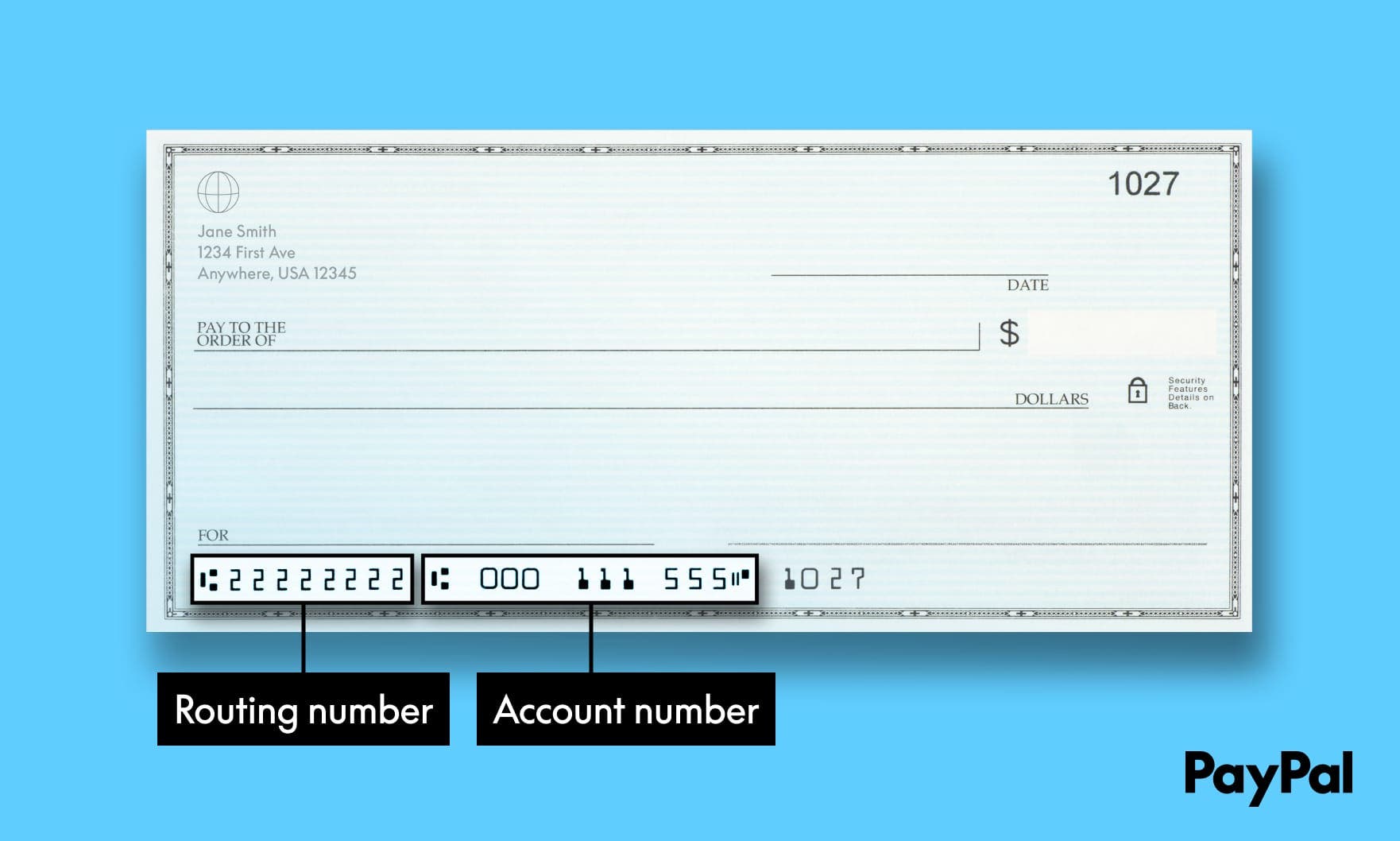
When you set up a direct deposit, for example, your employer provides your bank’s routing number and your account number. The routing number ensures that the paycheck is sent to the correct bank (e.g., “Bank of America”), and the account number specifies which account at Bank of America (e.g., “John Doe’s checking account”) should receive the funds. Both pieces of information must be accurate for the transaction to complete successfully. Any error in either number can lead to delays, rejection of the transaction, or even funds being misdirected, causing significant inconvenience.
Common Scenarios Requiring Both
The combined use of routing and account numbers is a daily occurrence in personal and business finance. They are the standard identifiers required for almost any electronic transfer of funds between different entities or financial institutions.
-
Setting Up Payroll Direct Deposit: This is perhaps the most common application, where your employer needs both numbers to send your salary directly to your bank account.
-
Automatic Utility Bill Payments: When you authorize a utility company to automatically debit your account for monthly bills, you provide both your bank’s routing number and your specific account number.
-
Person-to-Person (P2P) Transfers (Traditional): While modern P2P apps often abstract these details, some traditional methods or certain platform transfers may still require routing and account numbers.
-
Funding Brokerage Accounts or Investment Platforms: To transfer money from your bank account to an investment account, you’ll typically need to link them using both numbers.
-
Loan Repayments: Setting up automatic payments for car loans, mortgages, or personal loans often involves providing both your routing and account numbers to the lender.
-
Receiving Wires or ACH Transfers: If someone needs to send you money via a bank transfer, they will ask for both your bank’s routing number and your account number.
Protecting Your Financial Information: Security and Best Practices
Given the critical role routing and account numbers play in enabling financial transactions, it’s natural to question the security implications of sharing them. While they are foundational to the banking system, understanding the potential risks and adopting best practices for their protection is essential for maintaining financial security.
The Risks of Misuse
On their own, a routing number and an account number generally pose a limited direct threat for high-level fraud, especially without other personally identifiable information (PII) or your explicit authorization. However, a malicious actor who possesses both numbers can potentially:
-
Initiate Unauthorized ACH Debits: This is the primary risk. Fraudsters might attempt to set up unauthorized recurring payments or one-time debits from your account. While banks have fraud detection systems and consumers have rights under the Electronic Fund Transfer Act (Reg E) to dispute unauthorized transactions, it can still cause significant hassle and temporary loss of funds.
-
Process Counterfeit Checks: With routing and account numbers, coupled with your name and address, fraudsters can create fake checks that could potentially be cashed, although banks have robust verification processes.
-
Phishing and Social Engineering: These numbers can be used as pieces of information to make phishing attempts more convincing, leading victims to reveal more sensitive data like passwords or Social Security numbers.
It’s important to differentiate between merely having these numbers and having the ability to completely take over an account or execute large-scale theft. Most banks require additional verification (like passwords, PINs, or security questions) for significant withdrawals or online access.
Safeguarding Your Numbers
While the risk associated with these numbers alone is manageable, it’s always prudent to practice good financial hygiene. Proactive measures can significantly reduce your exposure to potential fraud:
-
Be Cautious About Sharing: Only provide your routing and account numbers to trusted entities (e.g., your employer, reputable billers, government agencies). Be wary of unsolicited requests via email, text, or phone calls.
-
Use Secure Platforms: When entering these numbers online, ensure the website is secure (look for “https://” in the URL and a padlock icon).
-
Monitor Bank Statements Regularly: Promptly review your bank statements for any unauthorized or suspicious transactions. Catching fraud early can prevent larger losses and make dispute resolution easier.
-
Shred Old Checks and Statements: Do not simply throw away old checks, bank statements, or other documents containing your financial information. Shred them thoroughly.
-
Beware of Phishing Scams: Legitimate banks and reputable companies will rarely ask for your account numbers or other sensitive information via unsecured email or text messages. Always verify the sender if you receive such requests.
-
Utilize Account Alerts: Most banks offer text or email alerts for transactions, low balances, or suspicious activity. Enable these to stay informed about your account’s status.
Beyond the Basics: Global Context and Future Trends
While routing and account numbers are fundamental in the U.S. financial system, it’s worth noting that other countries employ similar systems, albeit with different terminologies and structures. Moreover, the payment landscape is continually evolving, hinting at how these foundational elements might adapt in the future.
International Equivalents
When conducting international transactions, the U.S. routing and account numbers are typically insufficient. Instead, other global standards come into play:
-
SWIFT/BIC Code: The Society for Worldwide Interbank Financial Telecommunication (SWIFT) code, also known as a Bank Identifier Code (BIC), is an international standard that identifies specific banks and financial institutions worldwide. It functions much like a routing number but on a global scale, ensuring funds are directed to the correct bank in the correct country.
-
IBAN (International Bank Account Number): The IBAN is an internationally agreed-upon system of identifying bank accounts across national borders. It uniquely identifies an individual’s bank account within a financial institution and country, much like the U.S. account number, but with additional checks for validity. Many countries in Europe, the Middle East, and parts of Asia use IBANs.
These international identifiers serve the same core purpose as their U.S. counterparts: to precisely route funds to the correct financial institution and then to the correct individual account, ensuring seamless cross-border transfers.
The Evolving Landscape of Payments
The financial industry is witnessing rapid innovation, with the rise of real-time payment systems and digital wallets. While these technologies aim to simplify and accelerate transactions, the underlying principles of identifying banks and accounts remain crucial.
-
Real-time Payment Systems: Initiatives like FedNow in the U.S., Faster Payments in the UK, and SEPA Instant Credit Transfer in Europe are transforming how quickly money moves. These systems process payments almost instantly, 24/7. Even with these advancements, routing and account numbers (or their international equivalents) continue to be the backbone, albeit often abstracted or processed behind the scenes by the payment service providers.
-
Digital Wallets and Peer-to-Peer Apps: Services like Venmo, PayPal, Apple Pay, and Google Pay allow users to send money or make purchases without directly inputting routing and account numbers for every transaction. Instead, these apps typically link to your bank account using these numbers during the initial setup, storing the information securely and using their own internal identifiers for subsequent transactions. This provides a layer of abstraction and convenience while still relying on the traditional banking infrastructure underneath.
Despite these technological leaps, the fundamental need for unique identifiers for financial institutions and individual accounts persists. Routing and account numbers, or their successors, will continue to be indispensable tools for managing and moving money in an increasingly digital and interconnected world.
Conclusion
The routing number and account number, though seemingly mundane strings of digits, are the essential building blocks of the modern financial system. The routing number efficiently directs funds to the correct financial institution, while the account number precisely identifies your unique account within that institution. Together, they form an indispensable duo, enabling everything from your monthly paycheck direct deposit to automatic bill payments and online transfers.
Understanding their purpose, knowing where to find them, and adopting robust security practices for their protection are not merely technicalities but fundamental aspects of responsible financial management. As the world of finance continues to evolve with new technologies and global payment solutions, these core identifiers, or their conceptual equivalents, will remain critical to ensuring the accuracy, security, and efficiency with which we interact with our money. By respecting their importance and safeguarding this information, you empower yourself to navigate your financial life with confidence and peace of mind.
aViewFromTheCave is a participant in the Amazon Services LLC Associates Program, an affiliate advertising program designed to provide a means for sites to earn advertising fees by advertising and linking to Amazon.com. Amazon, the Amazon logo, AmazonSupply, and the AmazonSupply logo are trademarks of Amazon.com, Inc. or its affiliates. As an Amazon Associate we earn affiliate commissions from qualifying purchases.